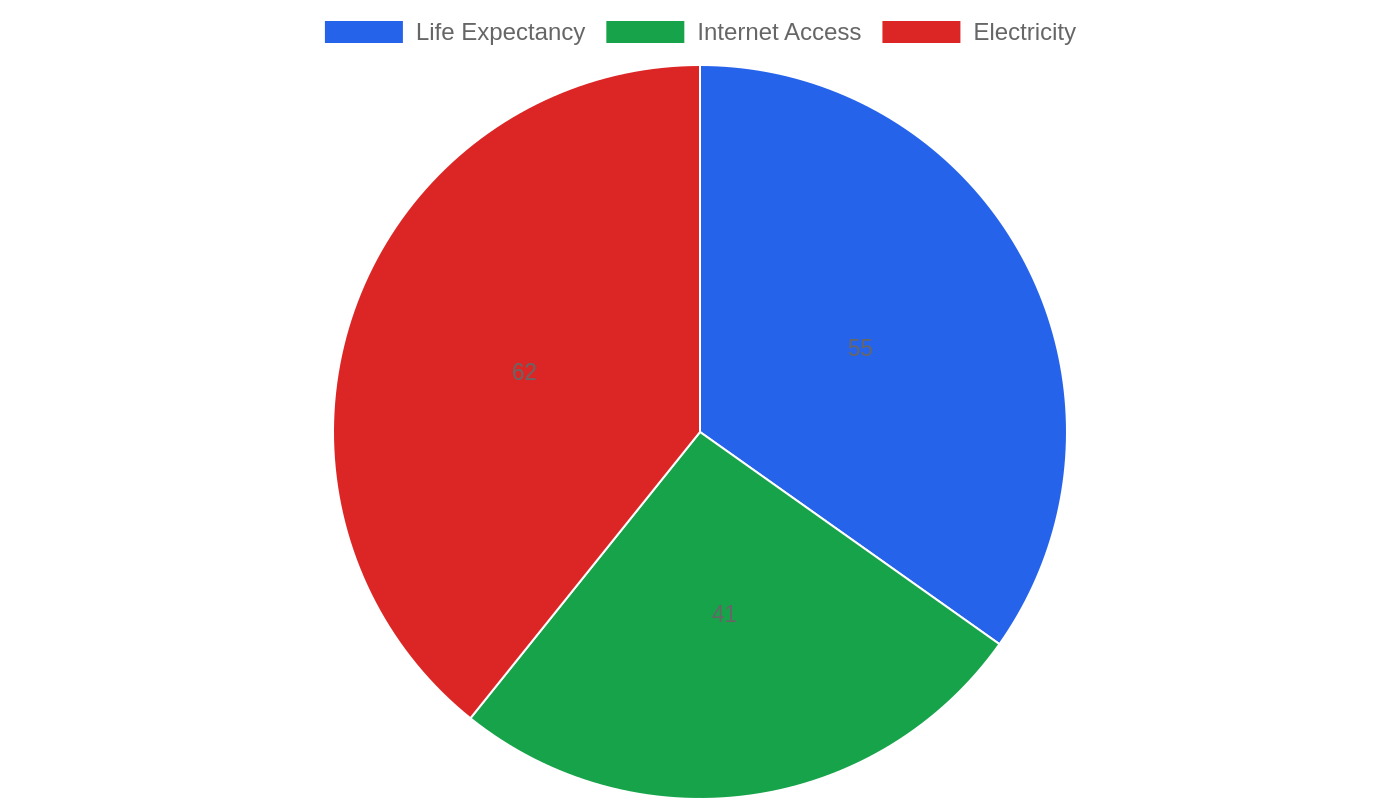
Economic Pulse Net | Sources: World Bank World Development Indicators, Government Sources | 2026
Key Takeaways
– French Polynesia’s economy remains heavily dependent on tourism, pearl farming, and French territorial subsidies, creating both stability and vulnerability
– The top companies by revenue are dominated by utilities, telecommunications, and aviation—Électricité de Tahiti leads with a score of 22.4
– Air travel is the backbone of the economy, with three airlines—Air Tahiti, Air Tahiti Nui, and Air Moana—operating across vast Pacific distances
– Despite its reputation as a luxury destination, the cost of living presents significant challenges for residents
– The political landscape and key economic indicators like GDP growth, inflation, and unemployment are not currently available from standard international data sources, making independent analysis difficult
The Lagoon and the Ledger — Unpicking an Island Economy
French Polynesia presents an unusual challenge for the economic journalist. The World Bank, that great arbiter of global statistics, offers no GDP growth figure, no inflation rate, no unemployment number, and no GDP per capita for this sprawling Pacific archipelago. This absence of data is itself a story. It speaks to the peculiar status of a territory that is neither fully independent nor fully integrated into the global economic reporting system.
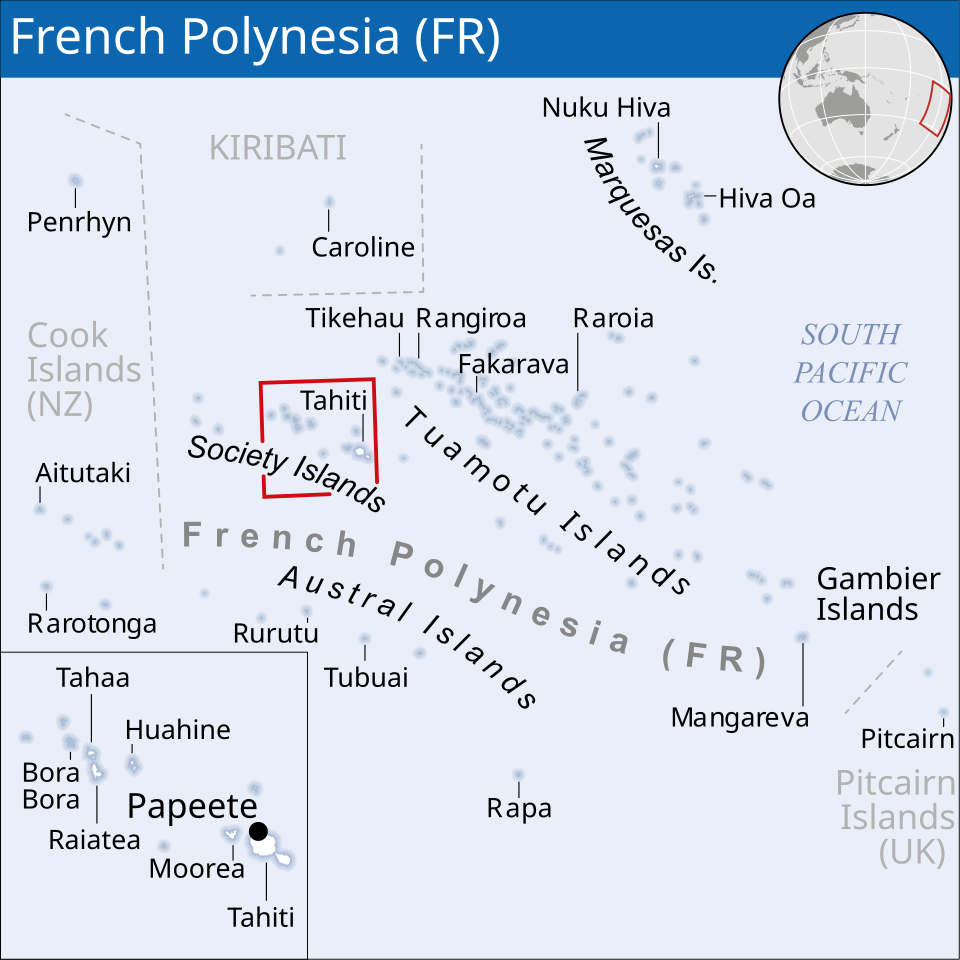
What we do know is that French Polynesia’s economy is built on three pillars: tourism, which draws visitors to the overwater bungalows of Bora Bora and the cultural riches of Tahiti; black pearl aquaculture, which once commanded premium prices in global markets; and the substantial financial transfers from France, which underwrite public services and infrastructure.
The territory’s status as an overseas collectivity of France means that the euro circulates alongside the Pacific franc, and French civil servants, military personnel, and development aid form a significant portion of economic activity.
The absence of standard economic indicators does not mean the economy is static. It means that measuring its pulse requires different instruments. The companies that dominate the landscape—Électricité de Tahiti (scoring 22.4), ONATi (19.3), and Brasserie de Tahiti (14.5)—tell us something about the structure of this economy: it is one where utilities, telecommunications, and local production matter enormously, precisely because geographic isolation makes self-sufficiency in basic services essential.
The Price of Island Life — Cost of Living in Paradise
Living in French Polynesia carries a premium that reflects the logistics of supplying a scattered archipelago in the South Pacific. Almost everything must be imported—from cars to computers to canned goods—and that shipping cost is passed directly to consumers. While specific cost-of-living data is not available from the World Bank, the presence of major utility and telecom companies at the top of the corporate rankings suggests that basic services represent a significant household expense.
The housing market in Papeete, the capital on Tahiti, operates under different dynamics than the outer islands. Rent in desirable areas near the waterfront commands prices that rival mid-range cities in metropolitan France, while more remote islands offer lower costs but fewer employment opportunities. The decision between renting and buying is complicated by land tenure systems that differ from European norms, with customary ownership patterns persisting alongside formal title registration.
Daily expenses for food are higher than in mainland France, particularly for fresh produce and dairy, though local fruits, fish, and root vegetables offer more affordable alternatives. The cost of inter-island travel—whether by Air Tahiti, Air Moana, or Air Tahiti Nui—represents a significant budget item for residents who need to travel between the Society Islands, the Tuamotus, or the Marquesas for work, family, or medical appointments.
Navigating the Business Climate — Aviation, Brewing, and Bandwidth
The corporate landscape of French Polynesia is dominated by a small number of large players, each occupying a critical niche. Électricité de Tahiti, the utility company, and ONATi, the telecommunications provider, are essential infrastructure firms that underpin all other economic activity. Their scores of 22.4 and 19.3 respectively indicate their outsized role in the local economy.
The aviation sector is remarkably crowded for a territory of this size. Air Tahiti Nui (scoring 12.4) operates long-haul routes connecting French Polynesia to the world, while Air Tahiti and Air Moana serve the domestic market, linking the far-flung islands that make up this vast maritime territory. This concentration of airlines in the consumer services sector reflects the fundamental reality of island life: everything and everyone moves by air or sea.
Brasserie de Tahiti, scoring 14.5, represents the manufacturing side of the economy. The brewery produces local beers that compete with imported brands, and its success demonstrates that import substitution is possible even in a small, isolated market. For investors, the sectors to watch are those that reduce dependence on imports—renewable energy, local food production, and digital services that can be delivered without shipping containers.
Safety, Politics, and the Quality of Island Life
French Polynesia enjoys a reputation as a safe destination, though specific crime and safety indices are not available from standard international sources. The territory’s small, close-knit communities and the presence of French security forces contribute to a general sense of public safety that is notably higher than in many comparable island nations.
The political landscape, though lacking detailed data in our brief, is shaped by the territory’s unique constitutional status. French Polynesia elects its own assembly and president, who manage many domestic affairs, while France retains control over defence, foreign policy, justice, and monetary policy. This hybrid arrangement creates periodic tensions between those who seek greater autonomy and those who value the security of French ties.
Quality of life in French Polynesia is a study in contrasts. The natural environment is extraordinary—crystal lagoons, volcanic peaks, and coral atolls that draw visitors from around the world. Yet the cost of living, limited economic opportunities, and geographic isolation create pressures that the tourist gaze rarely sees.
The happiness data that might illuminate these trade-offs is not available, but the resilience of the population suggests a people who have learned to balance the blessings of paradise with its practical challenges.
Turbulence Ahead — The Current State of Play
The most striking feature of French Polynesia’s current economic moment is the dominance of its aviation sector. With three airlines—Air Tahiti Nui, Air Tahiti, and Air Moana—all operating simultaneously, the territory is betting heavily on air connectivity as the engine of its economy. This strategy carries both promise and peril.
Tourism recovery post-pandemic has been strong, but the industry remains vulnerable to global economic shocks, fuel price volatility, and the environmental concerns that increasingly shadow long-haul air travel.
The presence of Brasserie de Tahiti among the top companies suggests a growing emphasis on local production, a trend that could accelerate if global supply chain disruptions continue to make imports expensive and unreliable. Similarly, ONATi’s telecommunications infrastructure is becoming ever more critical as remote work and digital services offer new possibilities for an island economy that has traditionally been limited by geography.
The political conversation in Papeete and Paris continues to evolve, with discussions about the territory’s future status, the level of French financial support, and the management of natural resources. For now, French Polynesia navigates its economic path with the tools it has: a stunning natural endowment, a skilled if small workforce, and the complex safety net of French territorial status.
The data gaps that frustrate economists are, in their own way, a reminder that some economies resist easy measurement—and that paradise, like any place, has its own complicated accounting.
Sources & Methodology
This article is authored by Economic Pulse Net for informational and research purposes. Economic Pulse Net sources its data from multilateral institutions, national statistics bureaus, and proprietary databases. All data is believed to be current as of the date of publication.
Published: July 20, 2026 | Category: Research — French Polynesia
Use these signals in your own platform
Economic Pulse publishes its live signal feed through a documented, read-only API. Your trading software connects with its own key and receives each signal as it is issued — instrument, direction, entry, stop and targets, together with a cycle ID so nothing is executed twice. The feed is independent of this website and cannot change it.
Signals are informational only and are not financial advice.