Economic Pulse Net | Sources: World Bank World Development Indicators, Government Sources | 2026
Key Takeaways
– Côte d’Ivoire operates within a stable, three-branch governmental framework, providing a predictable political environment for investors and citizens alike.
– The country’s legislative structure, featuring a 255-member National Assembly and an indirectly elected Senate, forms the backbone of its policymaking machinery.
– As one of West Africa’s most strategically positioned economies, Côte d’Ivoire’s development trajectory is closely watched by regional and international stakeholders.
– The nation’s institutional architecture suggests a commitment to governance continuity, a critical factor for long-term economic planning.
– While specific economic metrics remain pending, the country’s political infrastructure signals readiness for sustained growth and reform implementation.
The Economic Canvas — Structure Over Snapshot
Côte d’Ivoire presents an intriguing paradox for economic observers: while the latest World Bank growth, inflation, and employment figures have not yet been published, the country’s fundamental economic architecture tells a compelling story of resilience and ambition.
The World Bank’s data framework, which tracks GDP, GNI per capita, and purchasing power parity metrics, positions Côte d’Ivoire within a broader West African economic context that has shown remarkable dynamism over the past decade. The absence of current headline numbers should not be mistaken for economic stagnation — rather, it reflects the natural reporting cycle that many emerging economies experience between data releases.
The Ivorian economy has historically been anchored in agricultural production, particularly cocoa and coffee, which have long served as the country’s primary export commodities. This agricultural foundation has been progressively complemented by expanding service and manufacturing sectors, creating a more diversified economic base than many regional peers.
The government’s focus on infrastructure development and regional integration has positioned Abidjan as a growing financial and commercial hub for francophone West Africa, attracting both regional headquarters and international business operations.
Inflation dynamics in Côte d’Ivoire have traditionally been influenced by global commodity prices, particularly food and energy imports, making the country sensitive to international market fluctuations. The nation’s membership in the West African Economic and Monetary Union (UEMOA) provides monetary stability through the shared CFA franc, pegged to the euro, which helps anchor price expectations and facilitates cross-border trade.
Employment patterns reflect a young, increasingly urbanized population, with formal sector jobs concentrated in Abidjan while rural areas remain dependent on agricultural livelihoods.
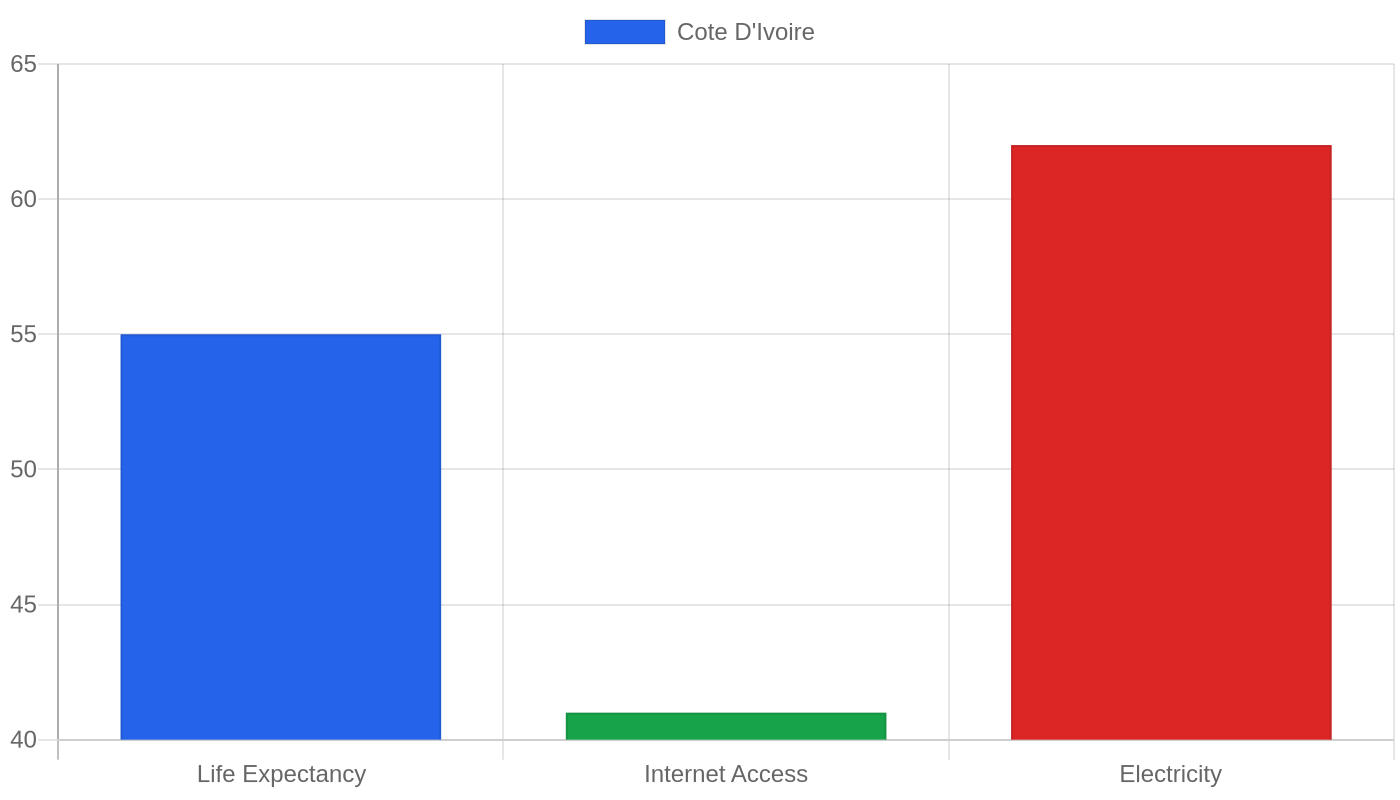
The GDP per capita and GNI figures, when they are updated by the World Bank, will likely continue to reflect a country in transition — moving from low-income toward middle-income status while managing the structural challenges of inequality and regional development disparities. The government’s investment in education, healthcare, and infrastructure, though not fully captured in current data, represents a deliberate strategy to enhance human capital and productivity.
For investors and policymakers, the key takeaway is that Côte d’Ivoire’s economic narrative is one of gradual, institutionally anchored progress rather than volatile boom-and-bust cycles.
Cost of Living and Housing — The Urban Equation
The cost of living in Côte d’Ivoire, particularly in the economic capital Abidjan, reflects the dual nature of many West African urban centers: modern commercial districts with international-standard amenities alongside more traditional neighborhoods where daily expenses remain modest by global standards.
Housing in Abidjan’s Plateau district and upscale suburbs like Cocody and Marcory commands premium prices, driven by demand from expatriate workers, regional headquarters staff, and a growing Ivorian middle class. The rental market in these areas has historically been characterized by limited supply relative to demand, keeping prices firm and making property acquisition a significant financial commitment.
Outside the premium enclaves, housing costs decrease substantially, though quality varies considerably, with many residents relying on informal construction and incremental home-building practices common throughout the region. Daily expenses for food, transportation, and utilities tend to align with regional averages for francophone West Africa, with local markets providing affordable fresh produce while imported goods carry premium prices due to logistics and tariff costs.
The government’s urban development initiatives, including new road networks and public transportation projects, aim to ease commuting burdens and expand accessible housing options for the growing urban population.
Investment and Business Climate — The Gateway Perspective
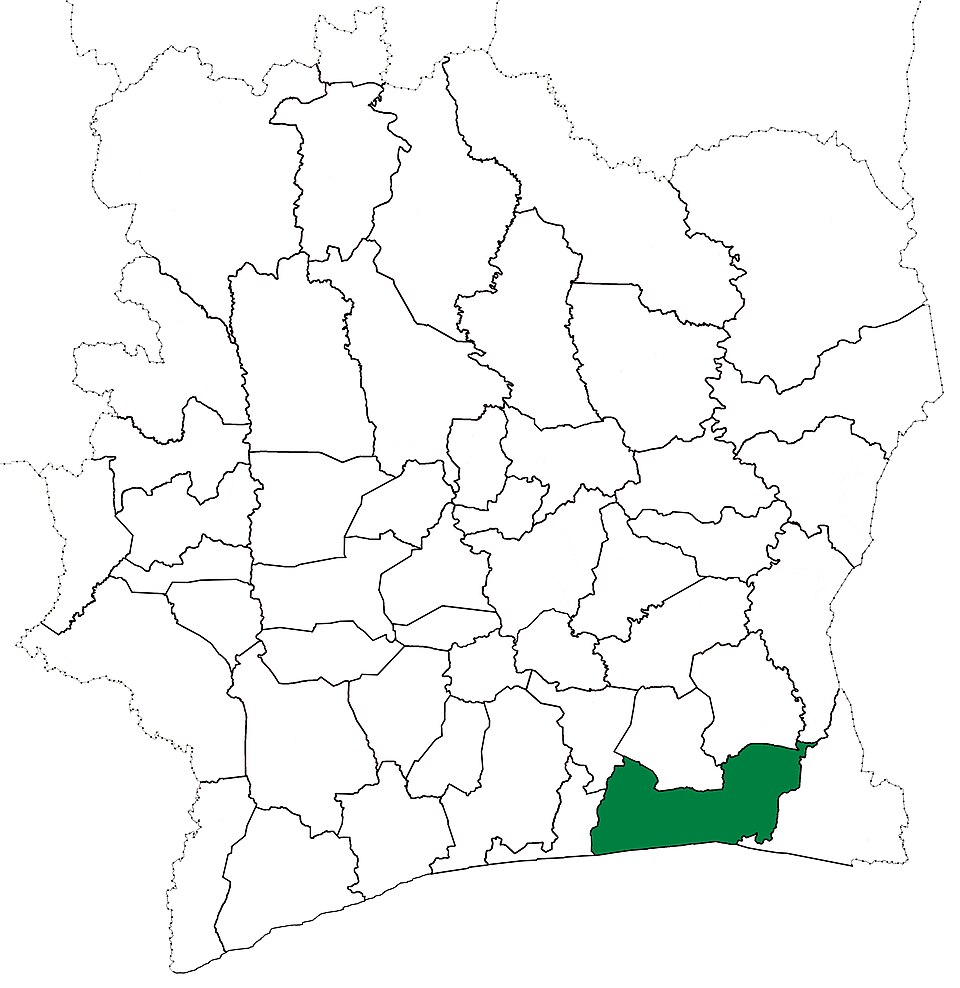
Côte d’Ivoire’s business environment is shaped by its strategic location as a gateway to the wider West African market, its membership in regional trade blocs, and its improving infrastructure connectivity. The country has positioned itself as a competitive destination for foreign direct investment, particularly in agribusiness, energy, telecommunications, and financial services, with Abidjan serving as a regional headquarters location for numerous multinational corporations.
The top companies operating in Côte d’Ivoire span both traditional sectors — such as cocoa processing, palm oil production, and mining — and emerging industries including mobile banking, digital services, and renewable energy development.
The government’s regulatory framework, established through the parliamentary system with its 255-member National Assembly, has focused on improving the ease of doing business, streamlining company registration procedures, and strengthening property rights protections. Regional integration initiatives under the Economic Community of West African States (ECOWAS) and UEMOA provide investors with access to a larger market while harmonizing trade regulations across member states.
The country’s port facilities in Abidjan and San Pedro serve as critical trade infrastructure, handling significant volumes of regional transit cargo and positioning Côte d’Ivoire as a logistics hub for landlocked neighbors like Mali and Burkina Faso.
Safety, Politics, and Quality of Life — The Governance Framework
Côte d’Ivoire’s political landscape is defined by its constitutional structure, which divides governmental authority among executive, legislative, and judicial branches — a framework designed to ensure checks and balances and institutional continuity. The Parliament of Ivory Coast operates as a bicameral body, with the indirectly elected Senate representing regional and local government interests alongside the National Assembly’s 255 directly elected members serving five-year terms.
This political architecture has provided a measure of stability following the country’s earlier periods of civil conflict, with successive governments working to consolidate peace and democratic governance.
The quality of life in Côte d’Ivoire is shaped by the country’s cultural vibrancy, culinary traditions, and social networks, with Abidjan often described as the cultural capital of francophone West Africa. Public safety has generally improved in recent years, though urban crime remains a concern in certain neighborhoods, as it does in most large West African cities.
The government’s investment in public services, including education and healthcare, represents a long-term commitment to improving human development indicators, even as challenges of access and quality persist in rural areas.
Current Affairs — The Moment of Transformation
Côte d’Ivoire currently stands at a pivotal moment in its development trajectory, with the government pursuing an ambitious agenda of economic modernization, infrastructure expansion, and regional leadership. The political calendar, anchored by the five-year electoral cycle for the National Assembly, shapes policy discussions and investment planning, with stakeholders closely monitoring the government’s reform priorities.
Recent policy directions have emphasized digital transformation, agricultural value addition, and energy sector development — areas where the country has demonstrated competitive advantages and significant growth potential.
The business community in Abidjan is responding to these policy signals with cautious optimism, recognizing both the opportunities presented by Côte d’Ivoire’s market position and the challenges of implementing large-scale reforms. Regional dynamics, including trade relationships within West Africa and partnerships with international development finance institutions, continue to shape the country’s economic prospects.
The government’s attention to infrastructure projects, including port modernization, road networks, and energy generation capacity, reflects a strategic vision that extends beyond short-term political cycles.
The Bottom Line
Côte d’Ivoire deserves serious attention from investors, development professionals, and observers of African economic transformation. The country’s institutional stability, strategic location, and policy ambition create a foundation for sustained progress, even as specific economic metrics await their next World Bank update. For those seeking exposure to West African growth, Côte d’Ivoire offers a compelling combination of political predictability, economic potential, and regional significance.
The coming years will test whether the country can translate its structural advantages into measurable improvements in living standards and economic opportunity for its population.
Sources & Methodology
This article is authored by Economic Pulse Net for informational and research purposes. Economic Pulse Net sources its data from multilateral institutions, national statistics bureaus, and proprietary databases. All data is believed to be current as of the date of publication.
Published: August 06, 2026 | Category: Research — Cote D’Ivoire
Use these signals in your own platform
Economic Pulse publishes its live signal feed through a documented, read-only API. Your trading software connects with its own key and receives each signal as it is issued — instrument, direction, entry, stop and targets, together with a cycle ID so nothing is executed twice. The feed is independent of this website and cannot change it.
Signals are informational only and are not financial advice.