Economic Pulse Net | Sources: World Bank World Development Indicators, Government Sources | 2026
Key Takeaways
– The Central African Republic operates as a presidential republic, with executive power shared between a president and a prime minister, though the political framework remains tested by years of instability.
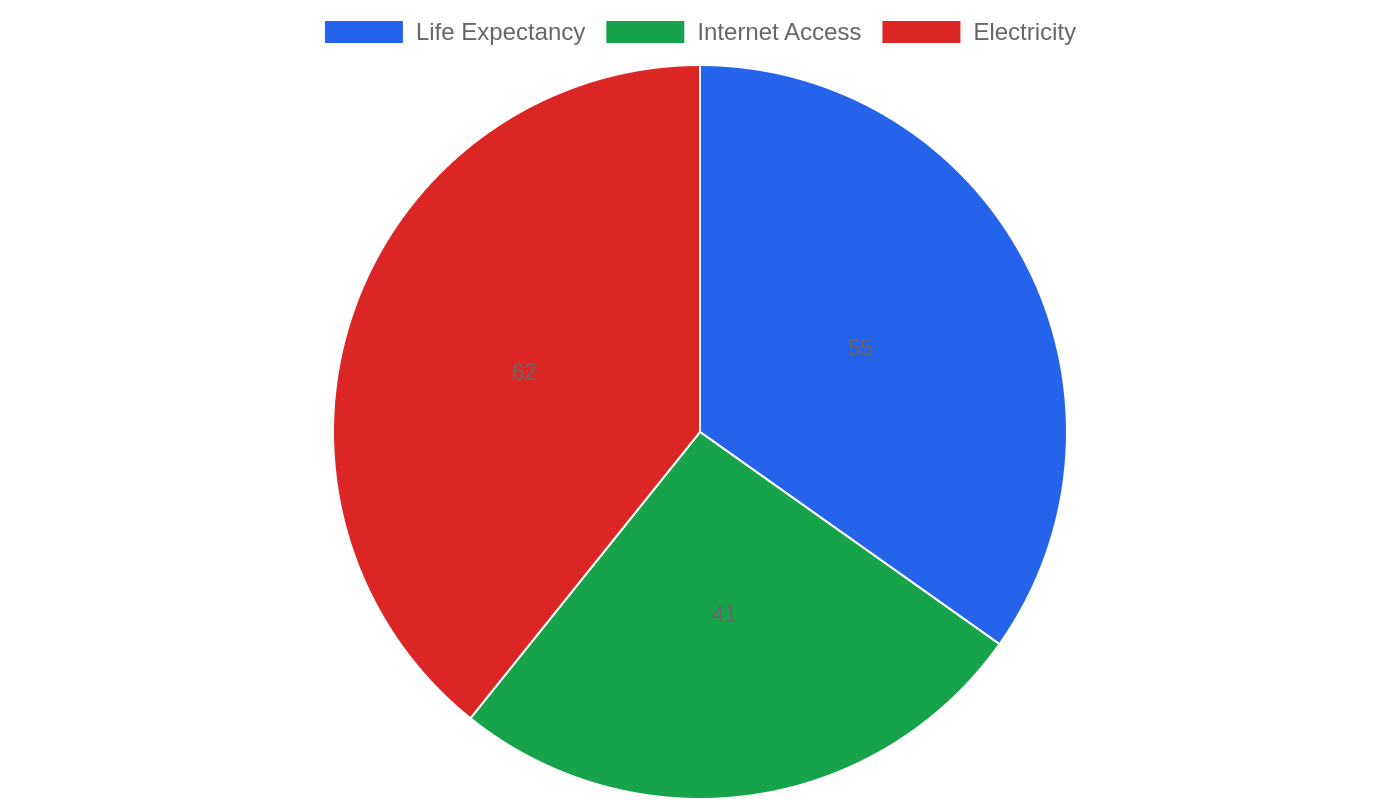
– According to the World Bank, comprehensive economic indicators including GDP growth, inflation, and unemployment figures are currently unavailable, reflecting the profound data-collection challenges facing one of the world’s most fragile states.
– The country’s economic identity remains defined by its vast natural resources and agricultural potential, even as formal economic infrastructure struggles to gain traction.
– Security concerns, as measured by crime and safety indices, remain a defining feature of daily life, with no reliable baseline data available to track improvements or deterioration.
– For investors and policymakers, the Central African Republic represents a high-risk, potentially high-reward frontier where governance reform and security stabilisation will determine the trajectory of the coming decade.
The Invisible Economy: Reading Between the Lines of Missing Data
When the World Bank’s latest dataset for the Central African Republic returns empty cells for GDP growth, inflation, and unemployment, the absence itself tells a story. This is not a statistical oversight; it is a reflection of a country where economic activity often happens beyond the reach of formal measurement.
The Central African Republic’s economy operates in the shadows of informal trade, subsistence agriculture, and artisanal mining — sectors that rarely make it into national accounts but sustain the majority of the population.
The lack of reliable GDP per capita figures means we cannot quantify the exact depth of poverty, but the circumstantial evidence is overwhelming. A landlocked nation with immense mineral wealth, including diamonds and gold, the Central African Republic has struggled to translate its natural endowment into broad-based prosperity.
The absence of data on key industries and major companies further underscores the reality: this is an economy yet to be formalised, where international investment remains tentative and domestic enterprise operates within tight constraints.
What we do know from the World Bank’s framework is that the Central African Republic’s economic challenges are structural rather than cyclical. Without reliable inflation data, we cannot track the cost-of-living pressures facing ordinary citizens, but the combination of supply chain disruptions, currency constraints, and limited domestic production points to persistent price volatility.
For a country that imports much of its manufactured goods and fuel, the gap between what data exists and what citizens experience daily is likely significant.
The unemployment figures, or lack thereof, speak to an economy where formal wage employment is the exception rather than the rule. Most Central Africans work in subsistence agriculture, small-scale trade, or informal mining — activities that provide survival but not the stability that formal employment statistics would capture. This is not merely a statistical gap; it is a fundamental characteristic of an economy that has yet to achieve the structural transformation necessary for sustainable development.
The Price of Daily Life: Housing and Survival Economics
Without cost-of-living data from the World Bank, we must consider the Central African Republic’s economic reality through the lens of its regional context and structural constraints. As a landlocked nation with limited transport infrastructure, the cost of goods is inherently inflated by the expense of moving products across borders.
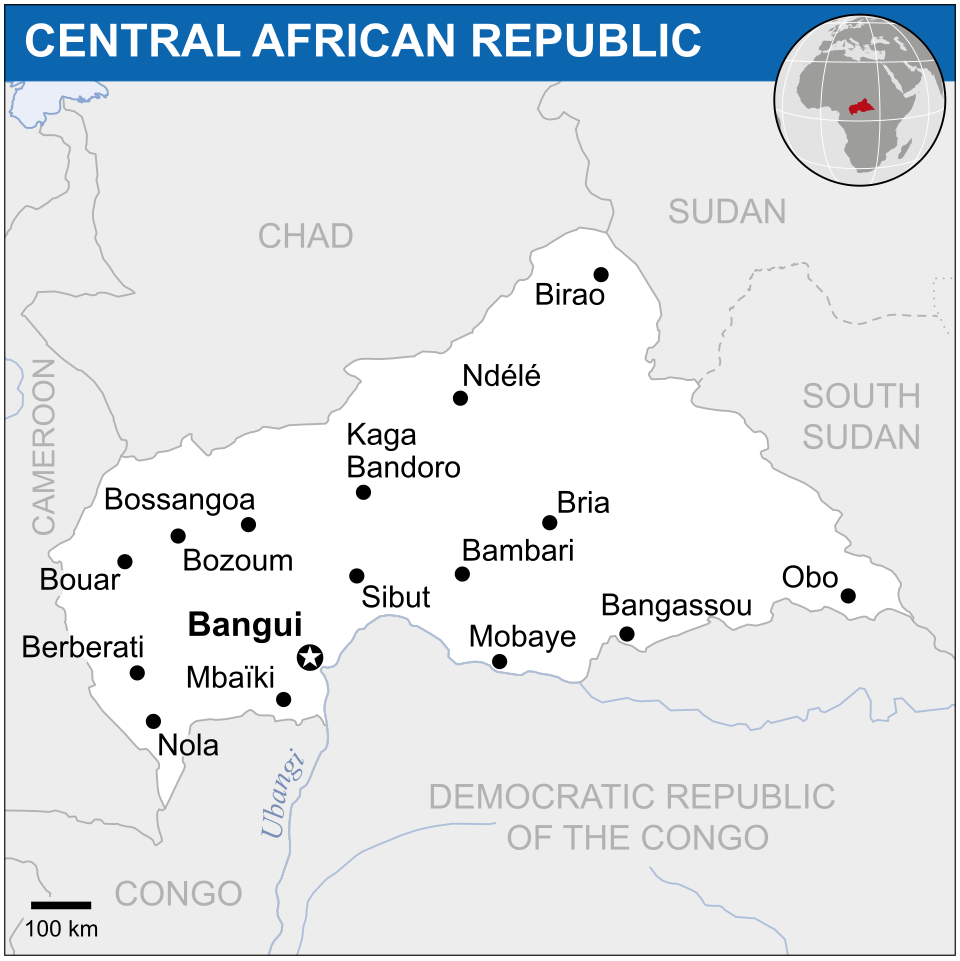
Basic commodities that might be affordable elsewhere in the region carry substantial premiums once they reach Bangui’s markets, and housing in the capital remains beyond the reach of many.
The rent-versus-buy calculation in the Central African Republic is heavily skewed toward informality. Most housing is self-built or family-owned, with formal rental markets concentrated in the capital and largely limited to expatriates, aid workers, and the small domestic elite. For the majority of citizens, housing costs are tied to land access and construction materials rather than market rents, creating a parallel system that escapes formal economic measurement.
Daily expenses in the Central African Republic are dominated by food and basic necessities, with families allocating the vast majority of their income to subsistence needs. The absence of reliable price data makes precise comparisons with regional averages impossible, but the structural factors — poor infrastructure, import dependence, and limited domestic production — suggest that purchasing power remains severely constrained.
For many households, the economics of daily life are a matter of survival rather than choice, with little margin for savings or investment in the future.
Frontier Investment: Risk, Reward, and the Business Climate
The Central African Republic’s investment climate is defined by a fundamental paradox: immense natural resource potential alongside significant operational risks. The country’s mineral wealth — including diamonds, gold, and timber — has historically attracted extractive industries, but the formal business environment remains challenging.
Without data on top companies or major industries, we must acknowledge that the private sector is dominated by informal enterprises and a limited number of international players willing to accept elevated risk.
For investors considering the Central African Republic, the political framework established under the presidential republic system offers a formal structure for doing business, yet the implementation of that framework remains inconsistent. The presence of a prime minister as head of government suggests a division of executive responsibilities, but the practical functioning of that system continues to evolve.
Sectors with the greatest potential include agriculture, mining, and renewable resources, though each carries substantial operational and security considerations.
The business environment in the Central African Republic is not for the faint-hearted. Companies operating there must navigate complex logistics, limited infrastructure, and a security landscape that requires substantial investment in protection and risk mitigation. Yet for those with the patience and resources to weather the challenges, the potential returns — particularly in natural resources — remain significant.
The country’s future as an investment destination will depend heavily on sustained improvements in governance and security, which remain works in progress.
Security, Governance, and the Texture of Daily Life
The Central African Republic’s political system formally operates as a presidential republic, with the president as head of state and a prime minister as head of government, as outlined in the country’s governance framework. Legislative power is shared between the government and parliament, creating a structure that, on paper, provides for checks and balances.
In practice, however, the political landscape has been shaped by periods of instability, with the reach of state authority extending unevenly across the national territory.
The crime and safety indices for the Central African Republic are marked as unavailable, which is itself a telling indicator. In countries where security data cannot be reliably collected, the reality on the ground is often more concerning than any statistics might suggest. The Central African Republic has experienced waves of intercommunal violence and political upheaval, with significant humanitarian consequences that have drawn international attention over the years.
Quality of life in the Central African Republic is shaped by factors that extend beyond economic indicators. Access to basic services — healthcare, education, clean water — remains limited for much of the population, and the security situation constrains daily movement and economic activity. The resilience of ordinary Central Africans in the face of these challenges is remarkable, but the cumulative toll on human development is substantial.
For those considering engagement with the country, understanding this context is essential to any realistic assessment of opportunities and risks.
The Road Ahead: Current Affairs and the Search for Stability
The Central African Republic finds itself at a critical juncture, with the political framework of the presidential republic providing a formal structure for governance while the practical challenges of consolidating state authority continue. The government’s ability to extend control beyond the capital and establish a secure environment for economic activity will determine whether the country can begin to generate the data that is currently missing from international databases.
The absence of current economic indicators from the World Bank suggests that the country remains in a transitional phase, where the institutions necessary for economic governance are still being established. The international community’s engagement with the Central African Republic, through diplomatic channels and development assistance, reflects a recognition that the country’s stability matters for the broader region.
Yet the path forward remains uncertain, with the government balancing the demands of security, development, and political inclusion.
For the Central African Republic, the coming years will be defined by the interplay between political consolidation and economic recovery. The formal structures of governance exist; what remains to be seen is whether they can deliver the security and opportunity that citizens need.
The country’s vast natural resources provide a foundation for potential growth, but converting that potential into tangible improvements in living standards will require sustained commitment from both domestic leaders and international partners.
The Bottom Line
The Central African Republic is a country that defies easy categorisation — rich in resources yet poor in measurable economic indicators, formally structured yet practically fragmented. For development economists, diplomats, and investors with genuine long-term horizons, the country represents one of the most challenging and potentially rewarding frontiers in Africa.
The World Bank’s data gaps should be read not as a lack of relevance, but as a call to understand a nation whose economic story is still being written. Those who engage with the Central African Republic must bring patience, risk tolerance, and a genuine commitment to supporting the country’s fragile progress toward stability and prosperity.
Sources & Methodology
This article is authored by Economic Pulse Net for informational and research purposes. Economic Pulse Net sources its data from multilateral institutions, national statistics bureaus, and proprietary databases. All data is believed to be current as of the date of publication.
Published: August 10, 2026 | Category: Research — Central African Republic
Use these signals in your own platform
Economic Pulse publishes its live signal feed through a documented, read-only API. Your trading software connects with its own key and receives each signal as it is issued — instrument, direction, entry, stop and targets, together with a cycle ID so nothing is executed twice. The feed is independent of this website and cannot change it.
Signals are informational only and are not financial advice.