Economic Pulse Net | Sources: World Bank World Development Indicators, Government Sources | 2026
Key Takeaways
– American Samoa exists in a unique constitutional limbo as an unincorporated U.S. territory, with the President of the United States holding ultimate authority over its civil, judicial, and military affairs
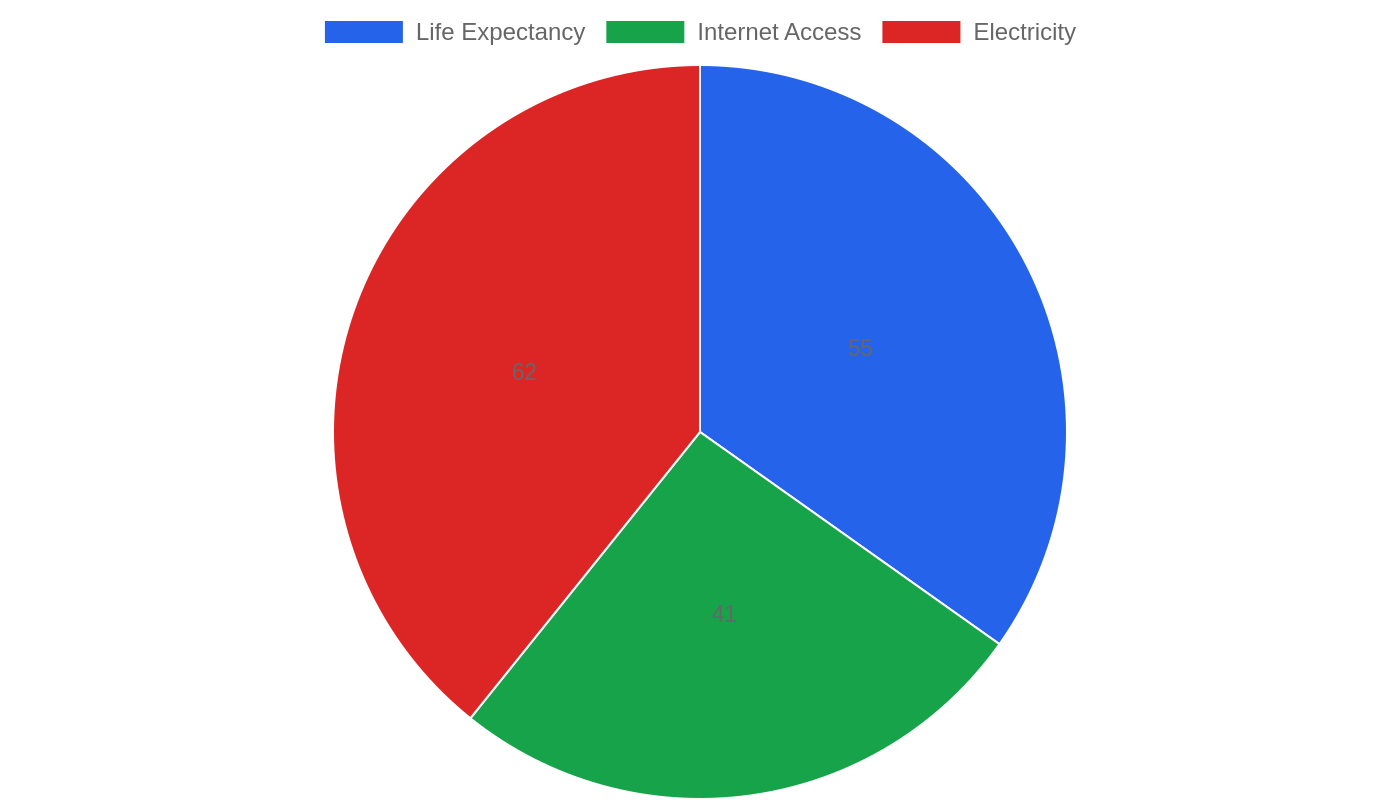
– The territory’s economic data remains largely opaque, with the World Bank reporting no available figures for GDP growth, inflation, unemployment, or per capita income
– Political authority flows from Washington through the Secretary of the Interior, creating a governance structure that
is neither fully independent nor fully integrated
– The territory’s economic development is constrained by its remote Pacific location and its ambiguous political status
– Traditional Samoan cultural structures continue to play a significant role in governance, as evidenced by the appointment of Paramount Chief Tuli Leʻiato as the first Secretary of Samoan Affairs in 1963
The Economic Enigma — A Territory Without Numbers
When the World Bank compiles its global economic database, American Samoa appears as a statistical blank. No GDP growth rate. No inflation figure. No unemployment data. No GDP per capita. No GNI per capita. This absence of data from the World Bank tells its own story about an economy that operates largely outside the conventional metrics of global economic monitoring.
The territory’s economic structure is shaped fundamentally by its relationship with the United States, yet the World Bank’s silence on key indicators suggests an economy that is small, informal, and difficult to capture through standard statistical frameworks. Without official GDP figures, analysts must rely on qualitative observations about the territory’s economic lifeblood.
The main industries that might drive economic activity remain unspecified in available data, though the territory’s Pacific location suggests fisheries, tuna canning, and government services likely form the backbone of formal employment.
The absence of inflation data from the World Bank is particularly notable. In most small island economies, inflation volatility can devastate purchasing power, especially when combined with heavy reliance on imported goods. Without confirmed inflation figures, it is impossible to assess whether American Samoans face the same price pressures that plague other remote Pacific communities.
The unemployment gap in the World Bank data leaves another critical question unanswered: what percentage of the working-age population participates in formal versus informal economic activity?
The Cost of Isolation — Living in America’s Pacific Outpost
Housing costs in American Samoa represent a significant challenge, though precise data from the World Bank does not capture the full picture. The territory’s remote location in the South Pacific means that construction materials, household goods, and everyday necessities must be shipped thousands of miles, inevitably driving up prices. Rent versus buy calculations in such an environment tilt heavily toward whichever option minimizes exposure to imported costs.
Daily expenses for an American Samoan household would reflect the territory’s dual reality: access to U.S. markets and legal systems, but geographic isolation that undermines the purchasing power of the U.S. dollar. Without specific cost-of-living indices from the World Bank, one can infer that housing affordability likely depends heavily on extended family networks and traditional land tenure systems, which operate outside formal real estate markets.
The cost of utilities, particularly electricity generated from imported fuel, would represent a major monthly expense for most households.
Compared to other Pacific island economies, American Samoa’s status as a U.S. territory might provide some buffer against the most extreme price volatility, but the lack of confirmed data makes any comparison speculative. What is certain is that the territory’s economy must contend with the logistical realities of island life without the statistical transparency that would allow for informed policy responses.
Investment & Business Climate — Navigating the Constitutional Fog
The business environment in American Samoa is fundamentally shaped by the territory’s unique constitutional status. The Ratification Act of 1929 vested all civil, judicial, and military powers in the President of the United States, creating a legal framework where ultimate authority rests in Washington rather than locally.
This arrangement, subsequently delegated to the Secretary of the Interior through Executive Order 10264 in 1951, means that businesses operating in the territory must navigate both local customs and federal oversight.
Major companies operating in American Samoa would likely cluster around the tuna processing industry, though top company names are not specified in available data. The territory’s strategic value to the U.S. military and its position along Pacific shipping routes suggest potential for logistics and transshipment services. However, the absence of confirmed corporate data from the World Bank makes it impossible to identify specific sectors to watch or investment trends.
For potential investors, the territory offers the advantage of U.S. legal protections and market access, combined with the challenges of remote Pacific operations. The lack of basic economic data from the World Bank itself constitutes a significant barrier to investment, as businesses typically require reliable statistics to assess market potential. Until the territory develops more robust economic reporting, the investment climate will remain opaque.
Safety, Politics & Quality of Life — Between Tradition and Federal Authority
The political landscape of American Samoa represents one of the most unusual governance arrangements in the Pacific. The territory is classified in U.S. law as an unincorporated territory, a status that means not all provisions of the U.S. Constitution automatically apply. The Ratification Act of 1929 established that all civil, judicial, and military powers rest with the President of the United States, a delegation later transferred to the Secretary of the Interior.
This constitutional framework coexists with traditional Samoan governance structures. On June 21, 1963, Paramount Chief Tuli Leʻiato of Fagaʻitua was sworn in as the first Secretary of Samoan Affairs by Governor H. Rex Lee, marking an important integration of traditional authority into the territorial administration.
On June 2, 1967, Interior Secretary Stewart Udall further codified the territory’s governance structure, though the precise nature of these reforms remains documented primarily through historical records.
Crime and safety indices from the World Bank are not available, leaving assessments of public security to anecdotal and qualitative sources. The territory’s small population and strong community ties, rooted in the faʻa Samoa (the Samoan way), would typically contribute to lower crime rates than urbanized American cities, but without confirmed data, this remains an inference rather than a reported fact.
Quality of life in American Samoa likely reflects the tension between traditional Pacific island culture and the administrative demands of U.S. territorial status.
Current Affairs — A Territory in Constitutional Limbo
The governance of American Samoa continues to operate under the framework established by mid-20th century executive orders and congressional acts. The delegation of authority from President Harry Truman to the Secretary of the Interior in 1951 remains the foundational structure for territorial administration, meaning that the territory’s political fate rests with federal officials thousands of miles away.
The appointment of Paramount Chief Tuli Leʻiato in 1963 represented an attempt to bridge traditional Samoan leadership with American administrative structures, creating a dual system that persists today. The Secretary of Samoan Affairs position continues to serve as a crucial link between the federal government in Washington and the traditional matai (chiefly) system that governs village life.
Current developments in the territory likely revolve around the ongoing negotiation of this unique political status. As other Pacific territories and island nations reconsider their relationships with former colonial powers, American Samoa’s unincorporated status raises questions about self-determination, economic development, and cultural preservation. The territory’s relationship with the U.S.
Department of the Interior shapes everything from infrastructure funding to legal jurisdiction, yet the available data provides no window into current policy debates or reform efforts.
The Bottom Line
American Samoa deserves attention from anyone interested in the future of U.S. territorial governance and Pacific island economies. The territory represents a living laboratory of constitutional experimentation, where traditional Samoan authority structures operate within the framework of American federal power. For economists and policy analysts, the complete absence of basic economic data from the World Bank is itself a finding that demands investigation.
American Samoa is not merely a statistical blank — it is a reminder that global economic monitoring systems have significant gaps, and that the lived reality of millions of people in special territories remains unmeasured and often unseen.
Sources & Methodology
This article is authored by Economic Pulse Net for informational and research purposes. Economic Pulse Net sources its data from multilateral institutions, national statistics bureaus, and proprietary databases. All data is believed to be current as of the date of publication.
Published: July 19, 2026 | Category: Research — American Samoa
Use these signals in your own platform
Economic Pulse publishes its live signal feed through a documented, read-only API. Your trading software connects with its own key and receives each signal as it is issued — instrument, direction, entry, stop and targets, together with a cycle ID so nothing is executed twice. The feed is independent of this website and cannot change it.
Signals are informational only and are not financial advice.