Economic Pulse Net | Sources: World Bank World Development Indicators, Government Sources | 2026
Key Takeaways
– The Turks and Caicos Islands operate as a British Overseas Territory under the sovereignty of King Charles III, with a governor appointed by the monarch on the advice of the Foreign Office, creating a unique political framework that blends local governance with Westminster oversight.
– The territory’s constitutional journey began with the election of its first Chief Minister, J. A. G. S. McCartney, in 1976, marking a significant milestone in the islands’ path toward self-governance.
– Constitution Day, celebrated annually on 30 August, commemorates the adoption of the territory’s first constitution and serves as a national holiday reflecting the islands’ political identity.
– As a British Overseas Territory, the islands benefit from the stability and institutional frameworks associated with the United Kingdom while maintaining distinct local economic drivers.
– The country’s economic narrative remains one of potential and transformation, with its political structure providing the foundation for future development initiatives.
The Economic Canvas — Structure, Stability, and the Search for Growth Metrics
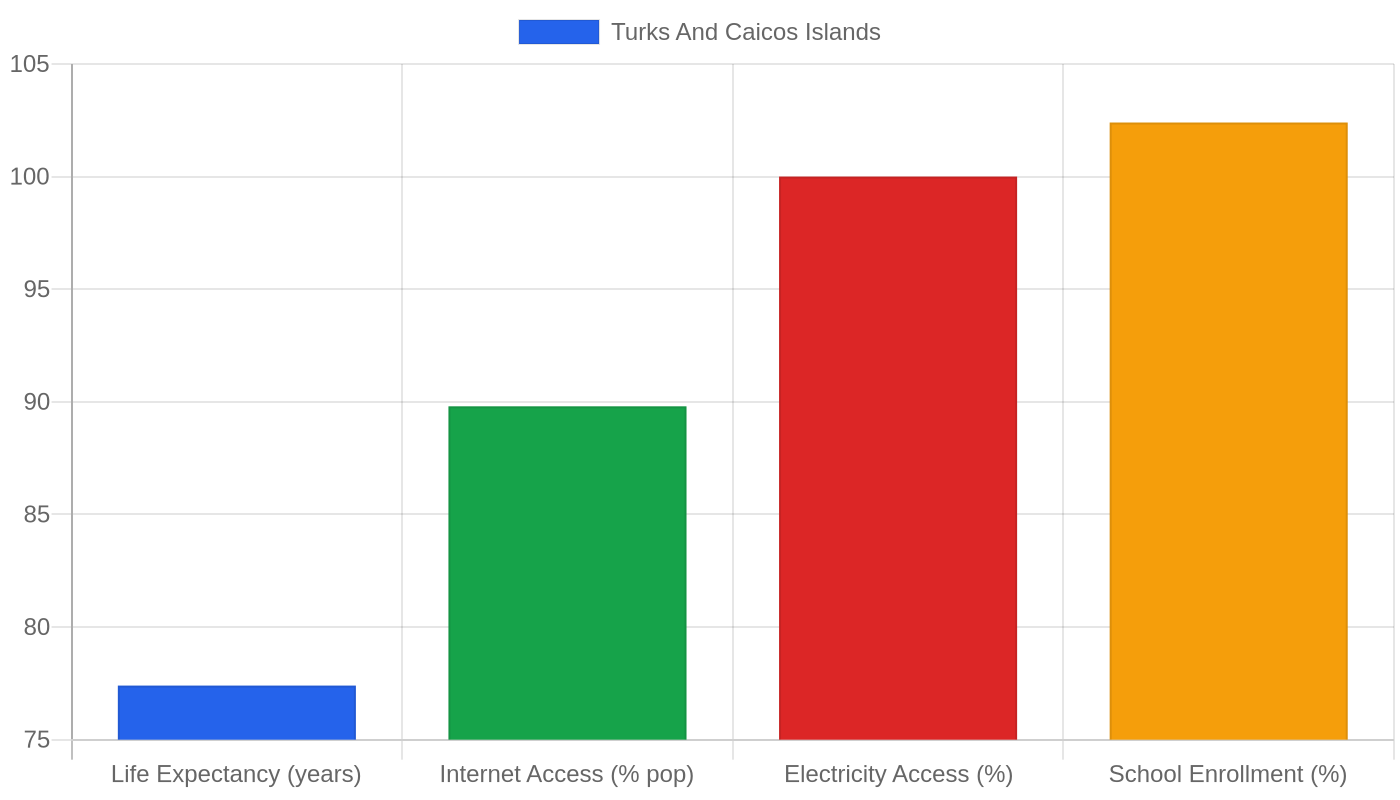
The Turks and Caicos Islands present an intriguing economic profile within the Caribbean basin, one defined less by conventional statistical measurements and more by the structural characteristics of a British Overseas Territory. The World Bank’s latest data indicators show no recorded figures for GDP growth, inflation, or unemployment, which in itself tells a story of a nation still developing its comprehensive economic data infrastructure.
This absence of hard numbers, however, does not diminish the territory’s economic significance. As a British Overseas Territory, the islands operate within a framework that emphasises regulatory alignment with UK standards, which historically has provided a degree of institutional stability attractive to investors and financial service providers.
The economic foundations of the Turks and Caicos Islands rest on service-oriented industries typical of small island territories. Tourism has long been the primary engine of economic activity, with the islands’ pristine beaches and coral reefs serving as natural assets that draw visitors from around the world. The financial services sector represents another critical pillar, leveraging the territory’s status as a well-regulated offshore jurisdiction.
The World Bank’s lack of specific GDP per capita or GNI data suggests a nation in the process of formalising its economic reporting mechanisms, a common challenge for smaller territories that must balance administrative capacity with development ambitions.
The employment picture remains equally opaque from a statistical standpoint, yet the structure of the economy implies a labour market heavily oriented toward hospitality, construction, and supporting professional services. The absence of robust unemployment data does not necessarily indicate economic distress; rather, it reflects the ongoing development of statistical collection systems.
For a territory of this scale, economic resilience often depends on external factors, including UK economic policies, global tourism trends, and international financial regulations. The islands’ political stability under the British Crown provides a predictable operating environment that partially mitigates the vulnerabilities inherent in small island economies.
The Cost of Living Reality — Paradise’s Price Tag
Living in the Turks and Caicos Islands carries a premium that reflects both its remote island geography and its reliance on imported goods. Without specific cost of living indices available from the World Bank, one must consider the structural factors that shape daily expenses in such territories.
The islands’ geographic isolation necessitates the importation of the majority of consumer goods, from foodstuffs to construction materials, which typically results in elevated prices compared to larger mainland markets. Housing costs in island territories of this nature tend to command significant premiums, particularly in areas with high tourism demand where property values are influenced by international buyers and vacation rental markets.
The rental market in the Turks and Caicos Islands likely favours property owners, with limited housing stock creating competitive conditions for residents. For those considering the move to the territory, the cost of living represents a critical consideration that must be weighed against employment opportunities and lifestyle benefits.
The territory’s economic structure, heavily oriented toward tourism and financial services, suggests that many residents work in these sectors, and their incomes must stretch to accommodate the higher price levels. While regional comparisons are difficult without concrete data, the pattern of Caribbean island territories generally shows that remote, tourism-dependent economies experience higher living costs than their larger, more diversified neighbours.
Investment and Business Climate — A Regulated Gateway to the Caribbean
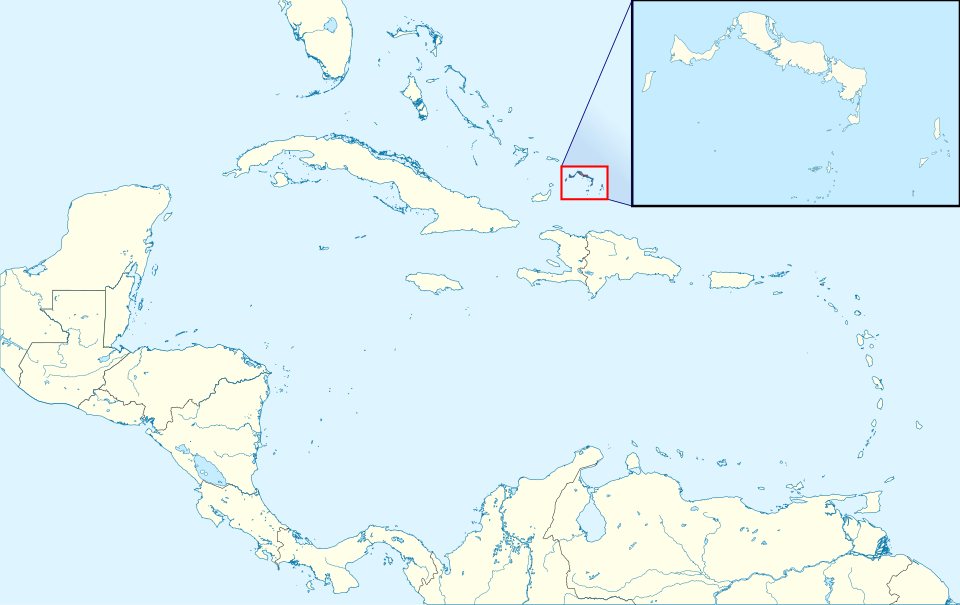
The Turks and Caicos Islands present an investment environment shaped by its constitutional relationship with the United Kingdom. For businesses and investors, the territory offers the appeal of operating within a British legal framework while enjoying the benefits of a distinct tax regime. The political structure, with a governor appointed by the monarch on the advice of the Foreign Office, provides a layer of oversight that can reassure international investors seeking regulatory certainty.
The main industries, while not explicitly detailed in available data, logically centre on tourism infrastructure, real estate development, and financial services — sectors that have historically attracted foreign direct investment in similar territories.
The business climate is likely characterised by a relatively small domestic market, which means enterprises must often look outward to regional and international markets for growth. The development of tourism infrastructure, including hotels, resorts, and supporting services, represents a continuing opportunity for investment.
The financial services sector, operating under UK regulatory standards, offers another avenue for business development, though it faces increasing international scrutiny and evolving compliance requirements. For entrepreneurs and corporations, the territory’s political stability and legal predictability are significant advantages, though the limited local market size and logistical challenges of island operations remain considerations.
Safety, Politics, and Quality of Life — Stability Under the Crown
The political landscape of the Turks and Caicos Islands is defined by its status as a British Overseas Territory, a relationship that has shaped the nation’s development since the adoption of its first constitution in 1976. The election of J. A. G. S. McCartney as the territory’s first Chief Minister marked the beginning of a constitutional era that continues to evolve. The sovereign, King Charles III, serves as the head of state, represented by a governor appointed on the advice of the Foreign Office.
This arrangement creates a distinctive governance model that blends local political leadership with British administrative oversight.
The islands’ celebration of Constitution Day on 30 August each year reflects the importance of this political heritage in the national identity. While specific crime and safety indices are not available, the territory’s political stability and its relationship with the United Kingdom suggest a governance environment characterised by rule of law and institutional continuity.
For residents and visitors alike, the quality of life in the Turks and Caicos Islands is likely defined by the natural beauty of the environment, the pace of island living, and the security that comes with a stable political system. The absence of crime data should not be interpreted as a signal of concern; rather, it reflects the broader data limitations that exist for smaller territories.
Current Affairs and the Road Ahead — Constitutional Evolution and Development Priorities
The Turks and Caicos Islands stand at a moment of continued political and economic development, building upon the constitutional foundations established in 1976. The territory’s ongoing relationship with the United Kingdom remains a central feature of its current affairs, with governance matters continuing to evolve under the oversight of the Foreign Office.
The anniversary of Constitution Day, celebrated each 30 August, serves as an annual moment of reflection on the nation’s political journey and its aspirations for the future.
As the territory looks forward, the key development priorities likely centre on diversifying the economic base, strengthening infrastructure to support tourism growth, and enhancing the statistical and administrative capacities that will allow for better economic planning. The relationship with the United Kingdom provides both opportunities and constraints, offering access to British institutional frameworks while requiring alignment with UK policies and international obligations.
For observers of Caribbean development, the Turks and Caicos Islands represent a case study in how small territories navigate the challenges of economic development within the context of constitutional relationships with larger powers.
The Bottom Line
The Turks and Caicos Islands merit attention from investors, policy analysts, and those interested in Caribbean development trajectories. The territory’s political stability under the British Crown, combined with its natural assets and strategic position, creates a foundation for continued economic development.
While comprehensive economic data remains limited, the structural advantages of the territory’s constitutional arrangement and its established industries suggest a nation with significant potential. For those watching the Caribbean region, the Turks and Caicos Islands offer a compelling example of how small territories can leverage political stability and institutional connections to pursue economic growth, even as they work to strengthen their own statistical and administrative capacities.
Sources & Methodology
This article is authored by Economic Pulse Net for informational and research purposes. Economic Pulse Net sources its data from multilateral institutions, national statistics bureaus, and proprietary databases. All data is believed to be current as of the date of publication.
Published: August 24, 2026 | Category: Research — Turks And Caicos Islands
Use these signals in your own platform
Economic Pulse publishes its live signal feed through a documented, read-only API. Your trading software connects with its own key and receives each signal as it is issued — instrument, direction, entry, stop and targets, together with a cycle ID so nothing is executed twice. The feed is independent of this website and cannot change it.
Signals are informational only and are not financial advice.