Economic Pulse Net | Sources: World Bank World Development Indicators, Government Sources | 2026
Key Takeaways
– A Nation in Constitutional Flux: New Caledonia operates under a unique *sui generis* arrangement with France, where gradual power transfers have created a complex political and economic environment unlike anywhere else in the Pacific.
– French Citizenship, Pacific Identity: Residents hold French nationality and vote in French presidential and European Parliament elections, making the territory’s economic fate intrinsically tied to both Paris and the broader Oceania region.
– Institutional Complexity Defines the Market: A 54-member Territorial Congress and three provincial assemblies govern the archipelago, creating a layered administrative landscape that investors and policymakers must navigate carefully.
– Strategic Geopolitical Positioning: As France’s Pacific presence, New Caledonia sits at the crossroads of regional power dynamics, with its governance structure and economic policies watched closely by neighboring Pacific nations.
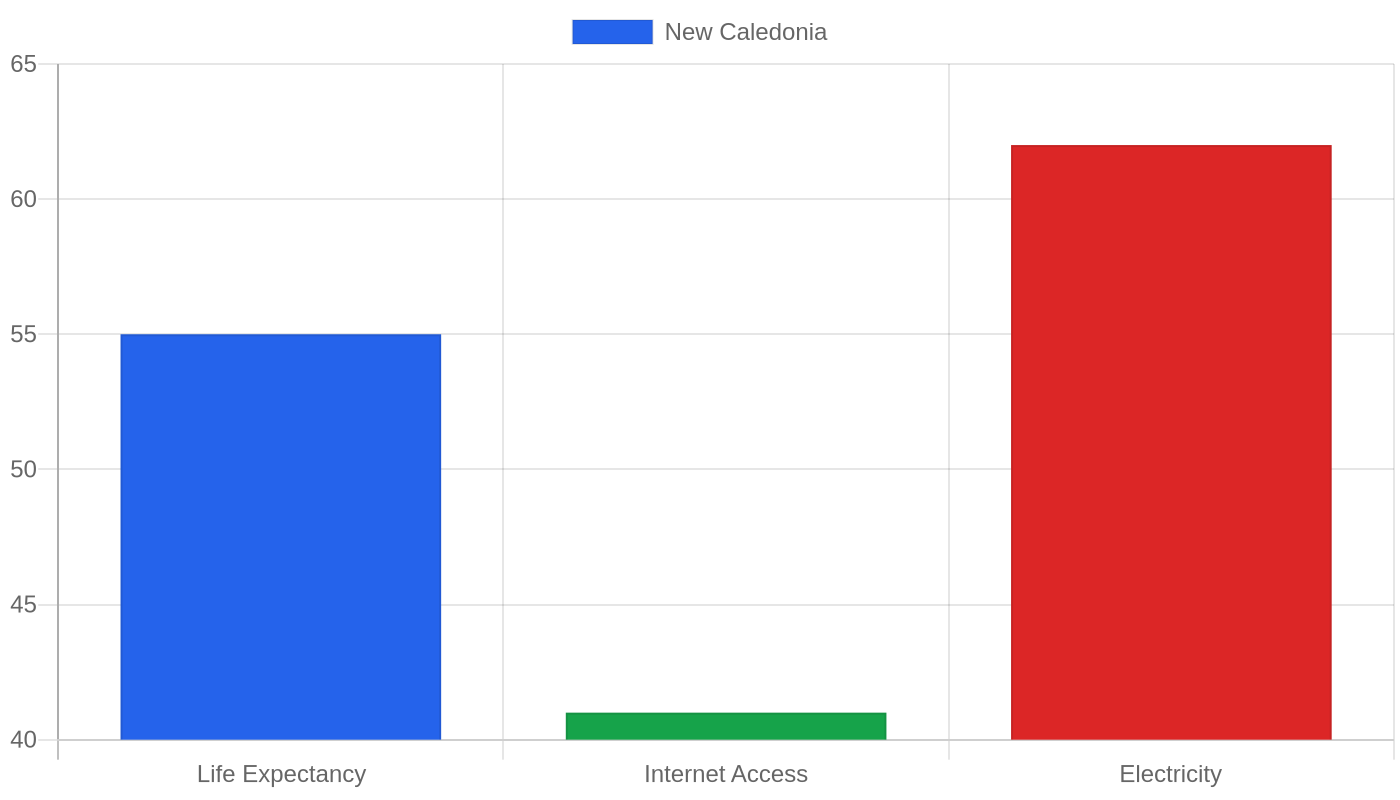
– A Story Still Unfolding: With the World Bank data currently showing gaps in key economic indicators, the territory presents a fascinating case study in how political status shapes economic development pathways.
The Economic Landscape: A Territory in Search of Its Numbers
The challenge with New Caledonia is not a lack of economic activity but a lack of readily available aggregated data. The World Bank’s latest figures show GDP growth, inflation, unemployment, and GDP per capita all currently unrecorded in the standard international datasets. This absence itself is telling—it reflects a territory whose economic measurement is complicated by its unique constitutional status, caught between being a French overseas entity and an increasingly autonomous Pacific nation.
What we do know is that New Caledonia’s economy operates within a framework that is neither fully independent nor entirely metropolitan French. Its citizens enjoy the benefits of French social protections and European Union market access, while the territory retains significant control over its domestic affairs through the Territorial Congress.
This hybrid arrangement creates an economic environment where nickel mining has historically dominated, though the current data doesn’t specify the latest production figures or export values.
The inflation picture remains similarly opaque in the available data. For a territory so dependent on imports and with a significant public sector presence, price dynamics would typically be influenced by French fiscal policy, regional supply chains, and global commodity prices.
Without concrete CPI figures from the World Bank, we can infer that New Caledonia faces the same inflationary pressures affecting much of the Pacific region—supply chain disruptions, energy costs, and the ongoing recalibration of global trade routes—but the precise local impact remains unquantified in the current dataset.
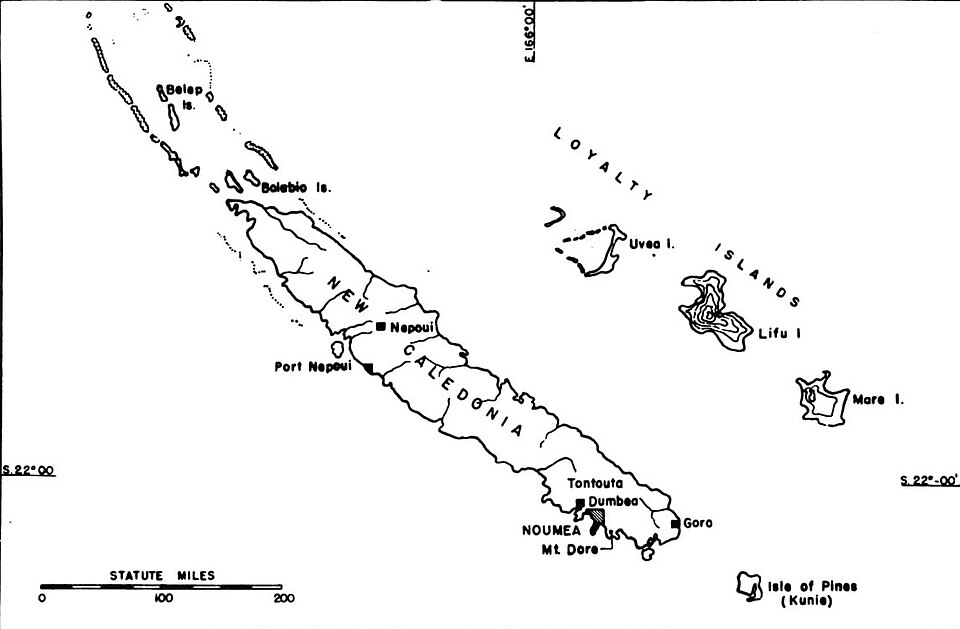
Employment patterns likely reflect the territory’s administrative structure, with substantial public sector employment tied to the French state’s presence and the provincial assemblies. The three provincial governments—North, South, and the Loyalty Islands—each manage their own development priorities, creating a patchwork of economic activity across the archipelago.
Cost of Living and Housing: The Price of Paradise
New Caledonia’s cost of living profile, while not captured in the current World Bank data, is widely understood to be among the higher in the Pacific region. The territory’s reliance on imported goods, its remote geographic position, and its French administrative standards all contribute to elevated prices for everyday items. Housing, in particular, presents a complex picture, with Nouméa’s urban center commanding premium prices while the outer provinces offer more modest options.
The rent-versus-buy calculation in New Caledonia is heavily influenced by the territory’s political future. With ongoing discussions about the constitutional relationship with France, property values and investment decisions carry an additional layer of uncertainty. The provincial assemblies’ differing development policies mean that housing costs can vary dramatically between the more developed South Province, the resource-rich North, and the traditional communities of the Loyalty Islands.
Daily expenses in New Caledonia reflect its dual identity—French products arrive at premium prices while local produce and seafood offer more accessible alternatives. The cost of living likely mirrors the broader Pacific pattern where expatriate and local populations navigate very different economic realities. For those considering relocation, understanding this bifurcated market is essential, though precise comparative data against regional averages remains unavailable.
Investment and Business Climate: Navigating the Sui Generis Economy
The business environment in New Caledonia is defined by its unique political architecture. Companies operating here must navigate not just French commercial law but also the evolving competencies of the Territorial Congress and provincial assemblies. The gradual transfer of powers from Paris to Nouméa creates both opportunities and challenges—businesses must stay attuned to shifting regulatory authority while benefiting from the stability that French institutional frameworks provide.
The territory’s strategic position in the Pacific makes it a potential hub for regional trade and services, particularly given its French and European connections. The nickel industry remains the cornerstone of the economy, though the available data doesn’t specify current company performance or investment flows.
The political landscape, with its three provincial assemblies and their distinct development priorities, suggests a business climate where local relationships and political intelligence are as important as financial capital.
For investors, New Caledonia offers a gateway to the Pacific with the backing of French institutional stability. However, the ongoing constitutional evolution means that the rules of engagement can shift as new powers are transferred or clarified. The 54-member Congress’s decisions on economic matters create a dynamic, sometimes unpredictable, regulatory environment that rewards patient, well-connected investors over those seeking quick returns.
Safety, Politics, and Quality of Life: The Social Contract
The political landscape of New Caledonia is its defining characteristic—a *sui generis* territory where France has gradually transferred powers, creating a unique form of shared sovereignty. This arrangement means New Caledonians are simultaneously French citizens, European voters, and Pacific islanders with their own distinct political identity.
The system, with its 54-member Territorial Congress and three provincial assemblies, represents a sophisticated attempt to balance indigenous Kanak interests with those of European-descended communities and newer arrivals.
This political complexity has profound implications for quality of life. The territory’s safety profile, while not captured in the current crime indices, is shaped by the broader social stability that French institutional presence provides, tempered by the tensions inherent in any decolonization process. The gradual transfer of powers suggests a society managing its political evolution with relative success, avoiding the violent ruptures seen elsewhere in the region.
The quality of life in New Caledonia reflects its status as a French territory in the Pacific—residents enjoy French social protections, healthcare standards, and educational systems while living in one of the world’s most beautiful island environments. The balance between maintaining French institutional standards and developing distinctively Caledonian approaches to governance creates a social experiment with significant implications for how other territories might manage similar transitions.
What’s Happening Now: The Constitutional Question Revisited
New Caledonia is currently navigating one of the most consequential periods in its modern history. The territory’s status as a *sui generis* collectivity means that the relationship with France is not static but continually evolving through negotiated transfers of power. The presence of a High Commissioner representing the French state underscores the ongoing importance of Paris in Caledonian affairs, even as the Territorial Congress exercises increasing authority over domestic matters.
The political calendar in New Caledonia is dominated by questions about the future of the independence process. The series of referendums that have shaped the territory’s recent history have produced a complex situation where no clear majority has emerged for either full independence or continued integration with France. This ongoing uncertainty affects everything from investment decisions to public sector employment and the broader economic trajectory.
The provincial assemblies—North, South, and Loyalty Islands—continue to pursue their distinct development agendas, creating a laboratory of policy approaches within a single territory. The South Province, dominated by Nouméa, focuses on urban development and services; the North Province emphasizes resource extraction and indigenous economic empowerment; while the Loyalty Islands maintain traditional governance structures alongside modern administrative requirements.
How these three approaches coexist and compete will shape New Caledonia’s economic future.
Meanwhile, the French presidential elections and European Parliament contests in which Caledonians participate connect the territory to broader geopolitical currents. The outcome of these votes influences not just the pace of power transfers but also the economic relationship with Europe and the wider world. For a territory of New Caledonia’s size, these external connections provide both opportunities and vulnerabilities.
The Bottom Line
New Caledonia represents a fascinating case study in how political status shapes economic possibility. For investors, policymakers, and observers of Pacific affairs, the territory offers insights into how a small island nation can navigate between the security of metropolitan association and the aspirations of greater autonomy.
The current gaps in economic data should not be read as a lack of activity but rather as a reflection of a territory in transition, whose measurement systems are still catching up with its evolving political reality. Those who watch New Caledonia now will be better positioned to understand not just its future, but the future of the Pacific region as a whole.
Sources & Methodology
This article is authored by Economic Pulse Net for informational and research purposes. Economic Pulse Net sources its data from multilateral institutions, national statistics bureaus, and proprietary databases. All data is believed to be current as of the date of publication.
Published: August 18, 2026 | Category: Research — New Caledonia
Use these signals in your own platform
Economic Pulse publishes its live signal feed through a documented, read-only API. Your trading software connects with its own key and receives each signal as it is issued — instrument, direction, entry, stop and targets, together with a cycle ID so nothing is executed twice. The feed is independent of this website and cannot change it.
Signals are informational only and are not financial advice.