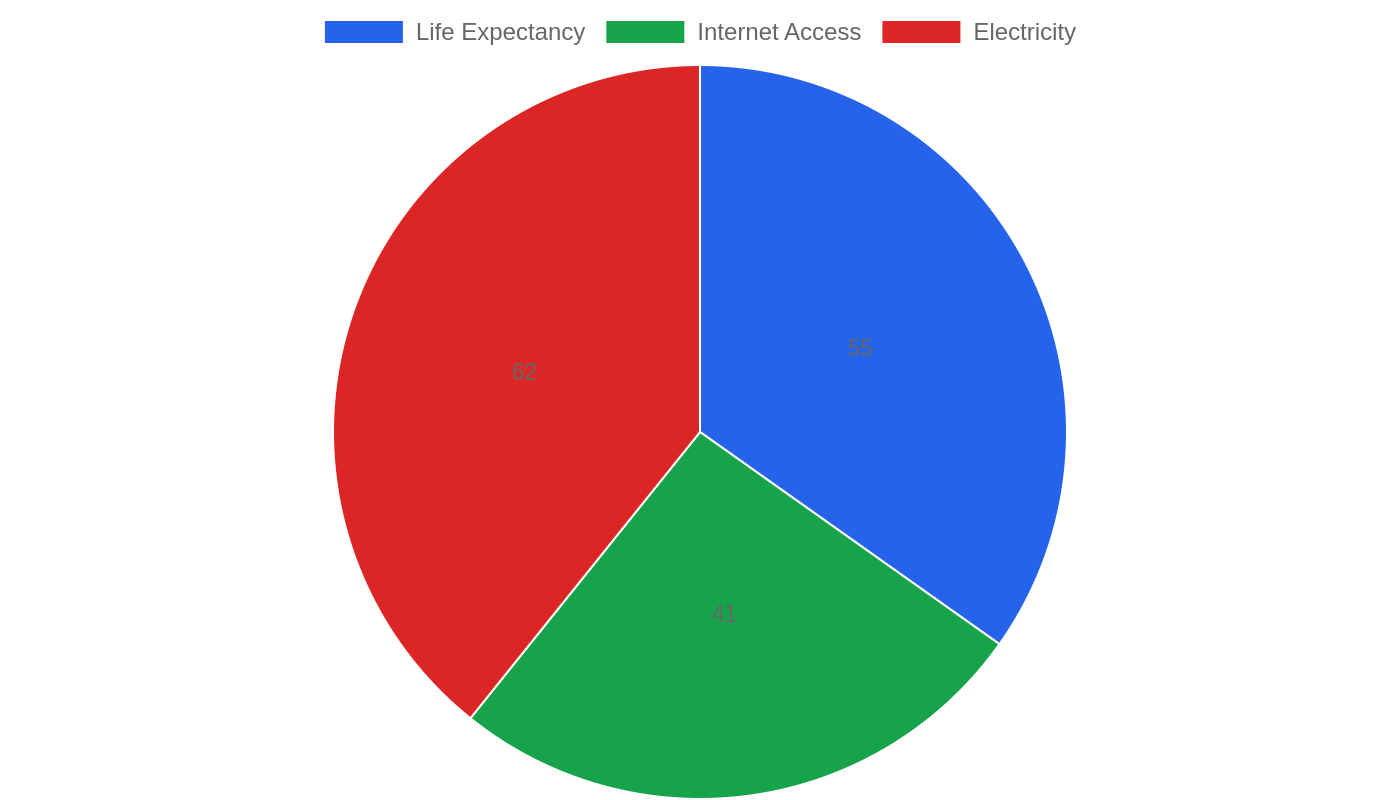
Economic Pulse Net | Sources: World Bank World Development Indicators, Government Sources | 2026
Key Takeaways
– Western Sahara remains one of the world’s most economically undefined territories, with the World Bank listing no official GDP, inflation, or employment figures for the region.
– The territory’s political status — contested between Morocco and the Polisario Front — continues to overshadow all economic activity and investment potential.
– The United Nations classifies Western Sahara as a “non-self-governing territory,” a designation that carries significant implications for international business and trade agreements.
– Without formal economic data, analysts must rely on regional context and geopolitical developments to understand the territory’s financial landscape.
– The unresolved sovereignty question creates a unique environment where political risk and economic opportunity are inextricably linked.
The Statistical Void — Reading Between the Lines of an Invisible Economy
The World Bank’s database presents a striking emptiness when it comes to Western Sahara. No GDP growth figures. No inflation rates. No unemployment statistics. No per-capita income measurements. For most countries, these numbers form the backbone of economic analysis, but for Western Sahara, the absence of data tells its own story — one of a territory whose economic identity remains as contested as its political one.
This statistical vacuum does not mean economic activity is absent. Rather, it reflects the fundamental uncertainty surrounding the territory’s status. The World Bank, like many international institutions, cannot produce reliable macroeconomic indicators for a region whose sovereignty is disputed between Morocco and the Polisario Front.
The United Nations’ designation of Western Sahara as a “non-self-governing territory” — a status shared with a handful of other regions worldwide — places it in a legal limbo that complicates everything from trade agreements to foreign investment frameworks.
The implications of this data gap extend far beyond academic interest. Without official economic statistics, international lenders cannot assess creditworthiness, investors cannot conduct standard due diligence, and development organizations cannot measure the impact of aid programs. The absence of data effectively functions as a barrier to economic integration, reinforcing the territory’s isolation from global markets.
For the people living in Western Sahara, this means everyday economic realities — the cost of food, the availability of work, the price of housing — exist outside the formal statistical systems that govern economic policy elsewhere.
Housing and Daily Life — The Economics of a Disputed Land
In the absence of official cost-of-living data, the economic reality of Western Sahara must be understood through the lens of its political situation. The territory’s population is dispersed across a landscape that includes both urban centers along the Atlantic coast and vast stretches of desert interior.
Housing conditions vary dramatically depending on which side of the conflict line residents find themselves on, with Moroccan-administered areas experiencing different economic conditions than those under Polisario control.
The region’s economy has historically been tied to its natural resources — particularly phosphate deposits and rich coastal fishing waters — but the benefits of these resources have been unevenly distributed. The lack of reliable housing market data makes it impossible to compare rent versus purchase costs or benchmark against regional averages. What is clear is that the unresolved political situation creates chronic uncertainty that depresses investment in housing and infrastructure.
For ordinary residents, this translates into limited housing options and constrained economic opportunities, regardless of which administrative authority governs their area.
Investment and Business Climate — Waiting for Certainty
The business environment in Western Sahara is defined by what it lacks: clear legal frameworks, stable property rights, and predictable regulatory systems. The territory’s main industries — fishing, phosphate mining, and limited agriculture — operate under competing claims of authority, creating a complex environment for companies seeking to do business.
Major international corporations have historically been wary of engaging in Western Sahara due to the legal risks associated with operating in a disputed territory.
The political contest between Morocco and the Polisario Front has created parallel economic structures, with each side seeking to attract investment and demonstrate its capacity to govern. However, the international community’s reluctance to recognize either authority as legitimate has limited the territory’s ability to enter into formal trade agreements, secure international financing, or attract foreign direct investment on a significant scale.
Sectors with genuine potential — renewable energy, fishing, and mining — remain largely untapped due to the sovereignty impasse. For investors, the territory represents a classic high-risk, potentially high-reward scenario that most are unwilling to pursue until the political situation is resolved.
Security, Politics, and the Human Dimension
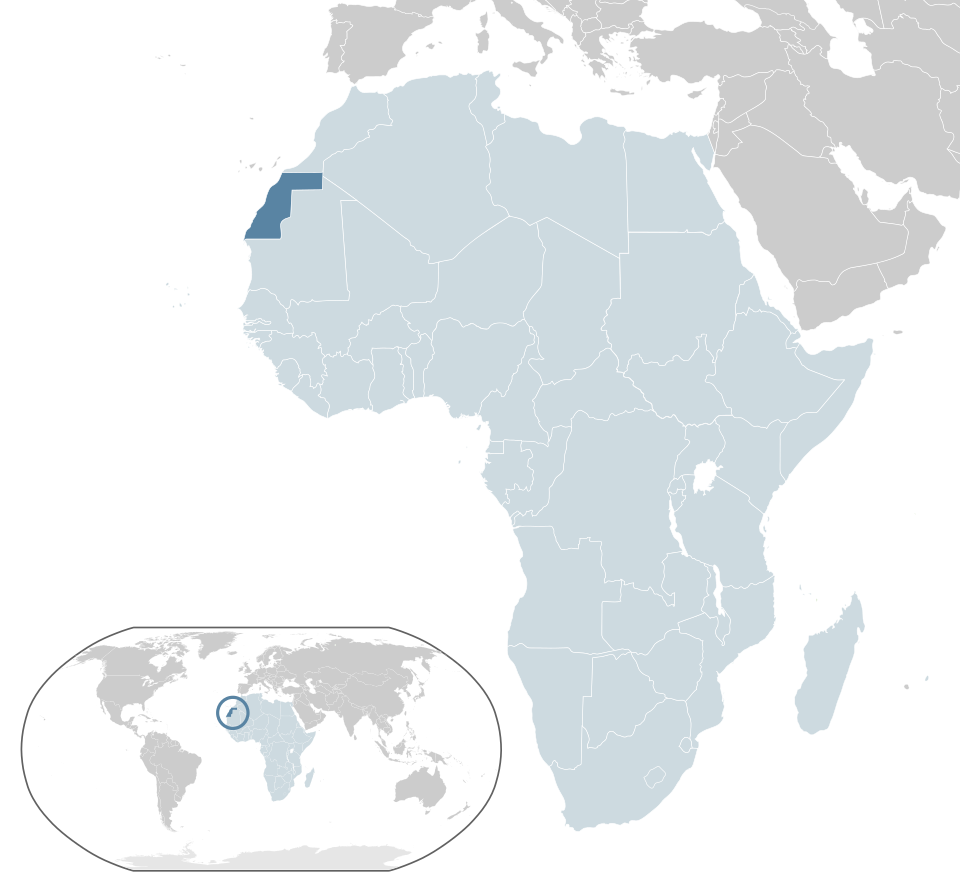
The political landscape of Western Sahara is fundamentally shaped by the unresolved conflict between Morocco and the Polisario Front, with the United Nations maintaining its position that the territory remains a “non-self-governing territory” pending a final resolution. This status has profound implications for the daily lives of the estimated half-million people who call Western Sahara home.
The absence of official crime statistics makes it difficult to assess public safety, but the broader political environment creates a persistent undercurrent of tension that affects quality of life in ways that conventional metrics cannot capture.
The territory’s strategic location along the Atlantic coast of North Africa adds geopolitical significance to its internal dynamics. International efforts to broker a settlement have repeatedly stalled, leaving the population in a state of prolonged uncertainty. The human cost of this impasse extends beyond political rights to encompass economic opportunity, social development, and basic quality-of-life measures.
For the Sahrawi people, the conflict has meant generations of displacement and uncertainty, with many living in refugee camps across the border in Algeria while others navigate life under Moroccan administration.
Current Affairs — The Frozen Conflict’s Economic Echoes
The present moment in Western Sahara is characterized by diplomatic stagnation and shifting regional dynamics. Recent years have seen the conflict re-emerge onto the international stage, with various powers taking positions on the sovereignty question and the United Nations continuing its mediation efforts. The ceasefire that had held for decades has shown signs of strain, with tensions periodically flaring along the disputed border areas.
These political developments carry immediate economic consequences, affecting everything from the movement of goods and people to the willingness of international companies to maintain operations in the territory.
The United Nations’ ongoing role as the primary international arbiter of the territory’s status remains central to any potential resolution. While the political process appears frozen, the underlying economic realities continue to evolve, shaped by regional developments and the changing priorities of the international community.
For those watching Western Sahara, the key question remains whether the current diplomatic impasse can be broken, potentially unlocking the territory’s economic potential and finally providing its people with the statistical visibility that comes with recognized statehood.
The Bottom Line
Western Sahara occupies a unique position in the global economic landscape — a territory whose economic potential is matched only by the complexity of its political situation. For international observers, policymakers, and investors, the territory offers a case study in how unresolved sovereignty questions can freeze economic development in place. The absence of World Bank data is not merely a statistical gap but a reflection of the fundamental uncertainty that defines life in Western Sahara.
Until the political impasse is resolved, the territory will remain a place of unrealized potential, watched closely by those who understand that its eventual resolution could reshape the economic map of North Africa.
Sources & Methodology
This article is authored by Economic Pulse Net for informational and research purposes. Economic Pulse Net sources its data from multilateral institutions, national statistics bureaus, and proprietary databases. All data is believed to be current as of the date of publication.
Published: August 23, 2026 | Category: Research — Western Sahara
Use these signals in your own platform
Economic Pulse publishes its live signal feed through a documented, read-only API. Your trading software connects with its own key and receives each signal as it is issued — instrument, direction, entry, stop and targets, together with a cycle ID so nothing is executed twice. The feed is independent of this website and cannot change it.
Signals are informational only and are not financial advice.