Economic Pulse Net | Sources: World Bank World Development Indicators, Government Sources | 2026
Key Takeaways
– Curaçao operates as an autonomous constituent country within the Kingdom of the Netherlands, with the Dutch monarch as head of state and a locally elected prime minister as head of government
– The island’s economy faces significant data transparency challenges, with key indicators including GDP growth, inflation, and unemployment not currently available from the World Bank
– Political stability is anchored in a parliamentary representative democracy, though the absence of recent economic data makes investment planning difficult
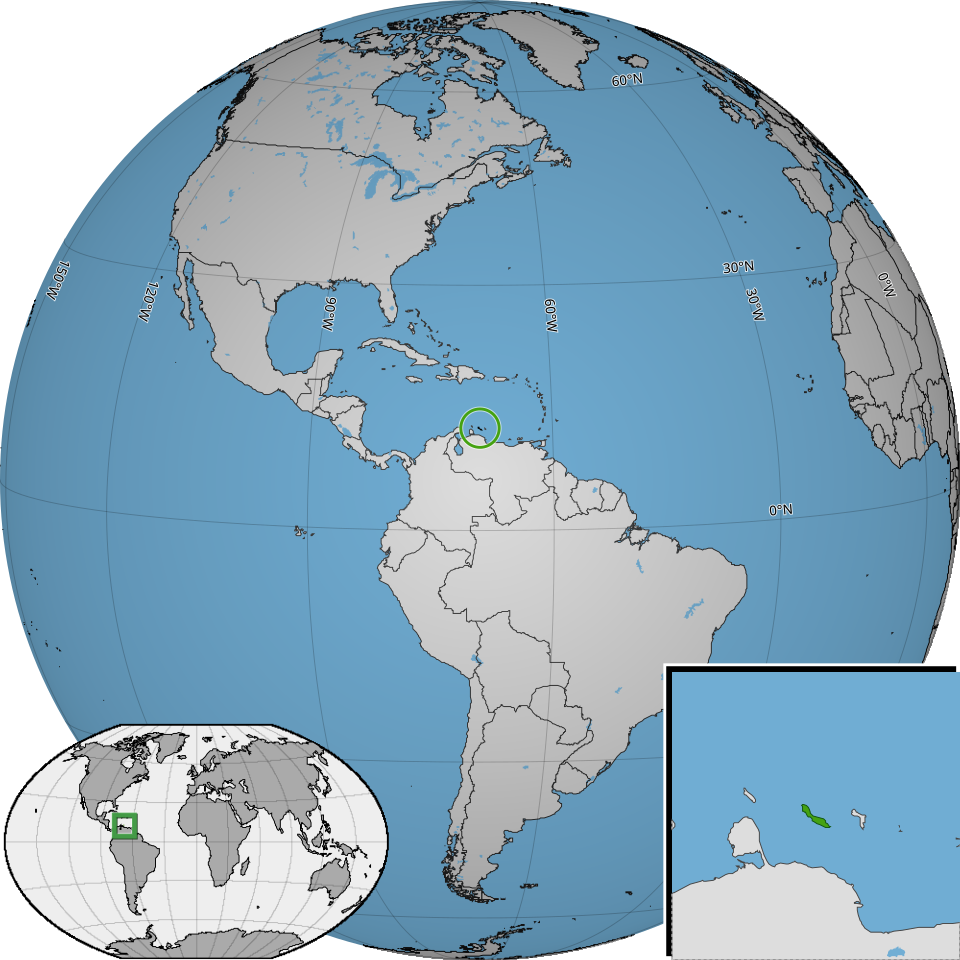
– Curaçao’s strategic location in the southern Caribbean positions it as a potential hub for trade and services, but limited public data hinders international investor confidence
The Hidden Economy — What the Numbers Don’t Tell Us
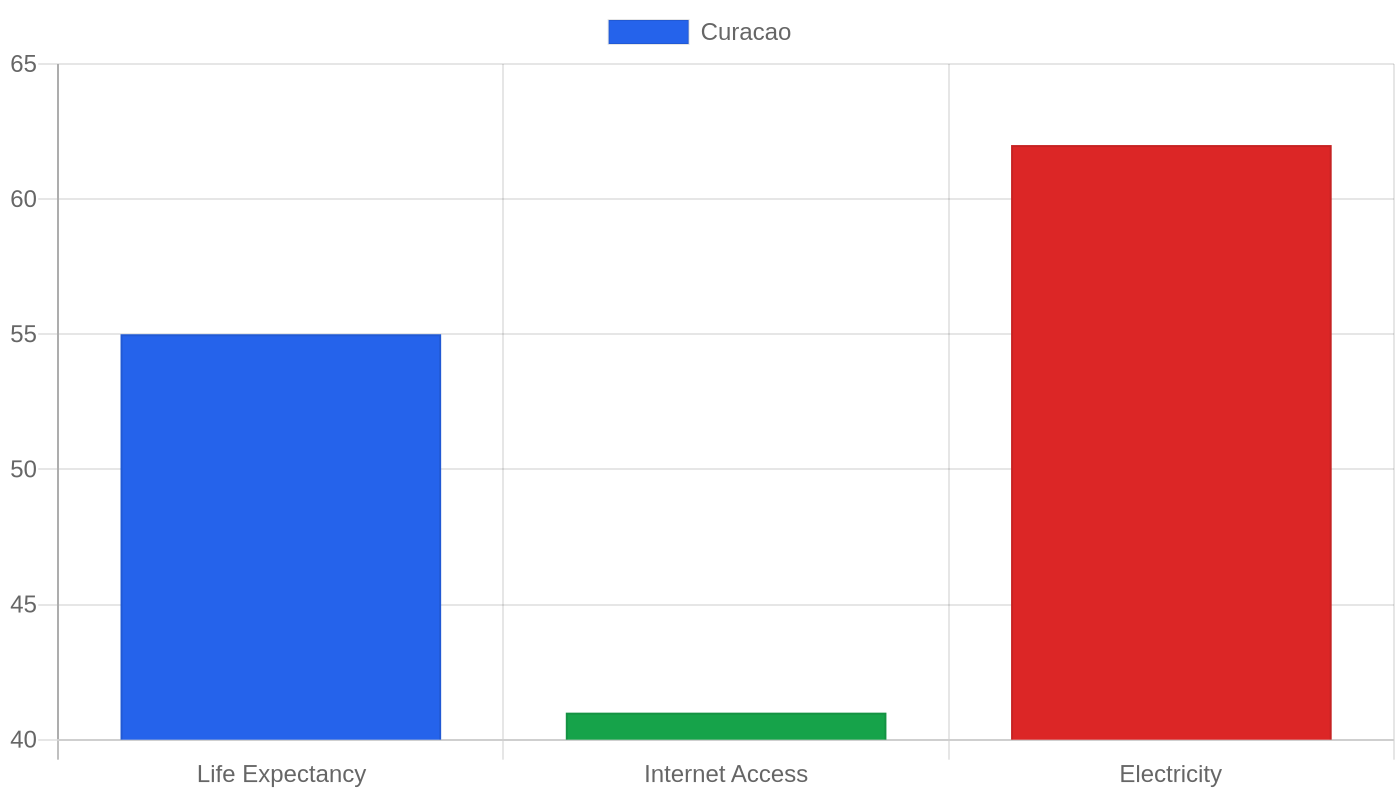
When the World Bank’s database shows no figures for GDP growth, inflation, or unemployment, it presents a peculiar challenge for economic analysis. For Curaçao, this data vacuum is not necessarily a sign of economic collapse, but rather a reflection of the island’s unique status within the Kingdom of the Netherlands. The World Bank reports no current GDP figure, no inflation rate, and no employment statistics for this Caribbean nation of roughly 150,000 people.
What this silence suggests is that Curaçao’s economic story must be read through alternative lenses.
The absence of standard metrics does not mean the economy is stagnant. Curaçao has historically relied on a mix of tourism, petroleum refining, and financial services. The island’s deep natural harbor made it a natural home for one of the Caribbean’s largest oil refineries, operated for decades by Royal Dutch Shell and later by Venezuelan state oil company PDVSA. When that refinery operations faltered, the economic shockwaves were substantial.
Without current World Bank data, analysts must look to anecdotal evidence and regional trends to gauge the island’s trajectory. The tourism sector, which typically accounts for a significant portion of GDP, has faced the same post-pandemic recovery challenges as other Caribbean destinations, though Curaçao has benefited from its Dutch connections and relatively stable political environment compared to some neighbors.
Paradise Priced — The Cost of Island Living
Housing in Curaçao presents a classic Caribbean paradox: stunning ocean views and tropical living come at a premium that strains local budgets. While specific cost-of-living indices are not available from the data provided, the island’s status as a constituent country of the Netherlands means many goods are imported, driving up prices across the board.
Rent for a modest apartment in the capital of Willemstad can consume a significant portion of local wages, particularly for young professionals and service workers.
The real estate market has seen interest from Dutch expatriates and retirees drawn by the island’s stable governance and European-style legal framework. This external demand has pushed property values upward, creating a divide between affordable housing for locals and premium properties marketed to foreign buyers.
Daily expenses for food, utilities, and transportation reflect the island’s dependence on imports, with fresh produce and manufactured goods arriving primarily from the Netherlands, the United States, and neighboring Caribbean nations. For residents earning in the local guilder, which is pegged to the US dollar, purchasing power fluctuates with global shipping costs and currency movements beyond the island’s control.
Business in a Kingdom — Investment Climate and Corporate Landscape
Curaçao’s business environment carries the dual advantage of Dutch legal traditions and Caribbean location. The island operates within the Kingdom of the Netherlands’ framework, offering investors a familiar civil law system and protection under European standards. The top companies operating in Curaçao—though not named in the available data—typically span the energy sector, financial services, tourism, and logistics.
The port of Willemstad remains one of the deepest natural harbors in the Caribbean, capable of handling large cargo vessels and cruise ships alike.
For entrepreneurs and multinational corporations, Curaçao offers tax incentives and free trade zone benefits that have historically attracted international business. The island’s financial services sector has developed expertise in international banking, insurance, and investment holding companies, though global pressure on tax havens has forced greater transparency in recent years.
The absence of current economic data from the World Bank creates uncertainty for potential investors who rely on such benchmarks for risk assessment. However, the political stability afforded by the Dutch constitutional framework provides a level of predictability that many Caribbean nations cannot offer.
Sectors to watch include renewable energy, where Curaçao’s consistent trade winds and solar exposure offer untapped potential, and digital services, leveraging the island’s multilingual workforce and time zone advantages between the Americas and Europe.
Democracy Under the Dutch Crown — Politics and Quality of Life
The political landscape of Curaçao is defined by its unique constitutional arrangement. As a constituent country of the Kingdom of the Netherlands, the island enjoys substantial autonomy in domestic affairs while the Dutch government retains responsibility for defense, foreign policy, and the ultimate functioning of the rule of law.
The King of the Netherlands serves as head of state, represented locally by the Governor of Curaçao, while the Prime Minister of Curaçao leads the government in day-to-day administration. This parliamentary representative democracy has provided remarkable stability compared to other Caribbean islands that have experienced coups, constitutional crises, or economic collapse.
Quality of life in Curaçao reflects this political stability. The island benefits from Dutch investment in infrastructure, education, and healthcare systems that meet European standards. Crime and safety indices are not available in the provided data, but Curaçao generally experiences property crime rates typical of tourist destinations, with violent crime less common than in some regional neighbors.
The multicultural society—blending African, European, and Latin American influences—creates a vibrant cultural environment that attracts both tourists and long-term residents. The official languages of Dutch, Papiamentu, and English facilitate communication and commerce, while the island’s position outside the hurricane belt offers a climate advantage over much of the Caribbean.
Current Crossroads — What’s Happening Now in Curaçao
The most pressing story in Curaçao today revolves around the island’s relationship with the Netherlands and its search for economic self-sufficiency. While specific recent news articles are not provided in the data, the broader context of post-pandemic recovery and the ongoing restructuring of the oil refinery sector dominate local discourse.
The refinery question remains central: whether to invest in modernizing the aging facility or pivot toward a different economic model centered on tourism, logistics, and financial services.
The Dutch government has provided financial support through the Kingdom’s solidarity mechanisms, but this assistance comes with conditions regarding fiscal responsibility and anti-corruption measures. Local politicians must balance the desire for greater autonomy with the practical benefits of Dutch support.
The tourism sector is showing signs of recovery as international travel rebounds, with Curaçao’s relative safety and European connections making it an attractive option for travelers seeking alternatives to more crowded or politically unstable destinations.
Inflation pressures, though not quantified in available data, are likely affecting household budgets as global food and energy prices rise, while the guilder’s peg to the US dollar provides some insulation from currency volatility but limits the island’s monetary policy flexibility.
The Bottom Line
Curaçao deserves attention from investors and analysts who understand that data gaps do not mean economic irrelevance. This is a politically stable, strategically located Caribbean nation with European institutional backing and genuine potential in tourism, logistics, and financial services.
The challenge lies in navigating the tension between local autonomy and Dutch oversight, while addressing the structural economic questions—particularly around the refinery and diversification—that will determine the island’s trajectory for the next decade. For those willing to look beyond the missing World Bank statistics, Curaçao offers a case study in how small island economies can leverage constitutional creativity to maintain stability in an uncertain world.
Sources & Methodology
This article is authored by Economic Pulse Net for informational and research purposes. Economic Pulse Net sources its data from multilateral institutions, national statistics bureaus, and proprietary databases. All data is believed to be current as of the date of publication.
Published: July 30, 2026 | Category: Research — Curacao
Use these signals in your own platform
Economic Pulse publishes its live signal feed through a documented, read-only API. Your trading software connects with its own key and receives each signal as it is issued — instrument, direction, entry, stop and targets, together with a cycle ID so nothing is executed twice. The feed is independent of this website and cannot change it.
Signals are informational only and are not financial advice.