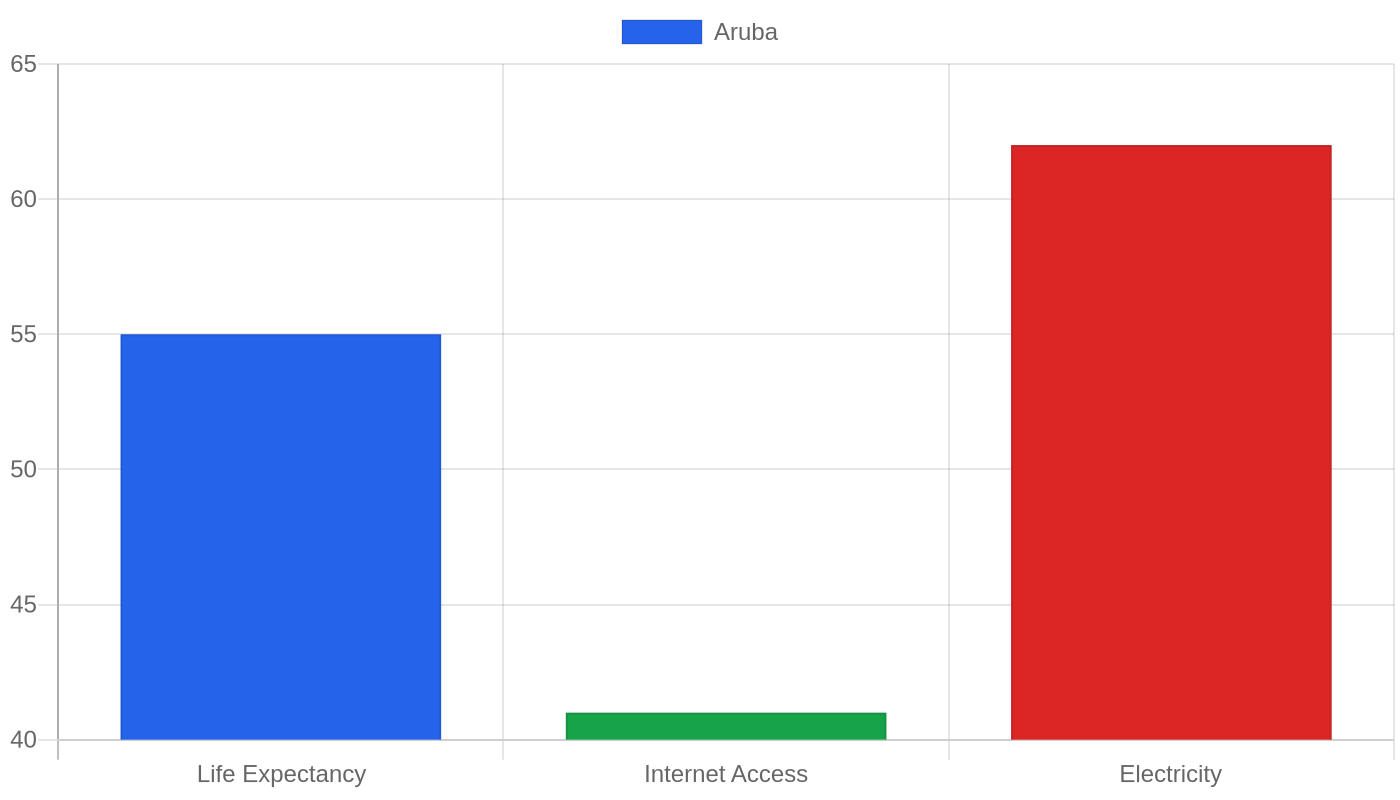
Economic Pulse Net | Sources: World Bank World Development Indicators, Government Sources | 2026
Key Takeaways
* Constitutional Status: Aruba operates as a constituent country within the Kingdom of the Netherlands, enjoying significant internal autonomy while ceding foreign affairs and defense to The Hague.
Data Gaps: Current World Bank metrics for GDP growth, inflation, unemployment, and per capita income are listed as N/A, highlighting a need for cautious interpretation of economic health.
Political Structure: Governance is defined by a 21-member Staten (Parliament) elected every four years and an eight-member Cabinet, with the Governor appointed by the monarch for six years.
Missing Indicators: Critical data points regarding main industries, cost of living, top companies, and crime/safety indices are currently unavailable in the provided dataset.
The Architecture of Autonomy
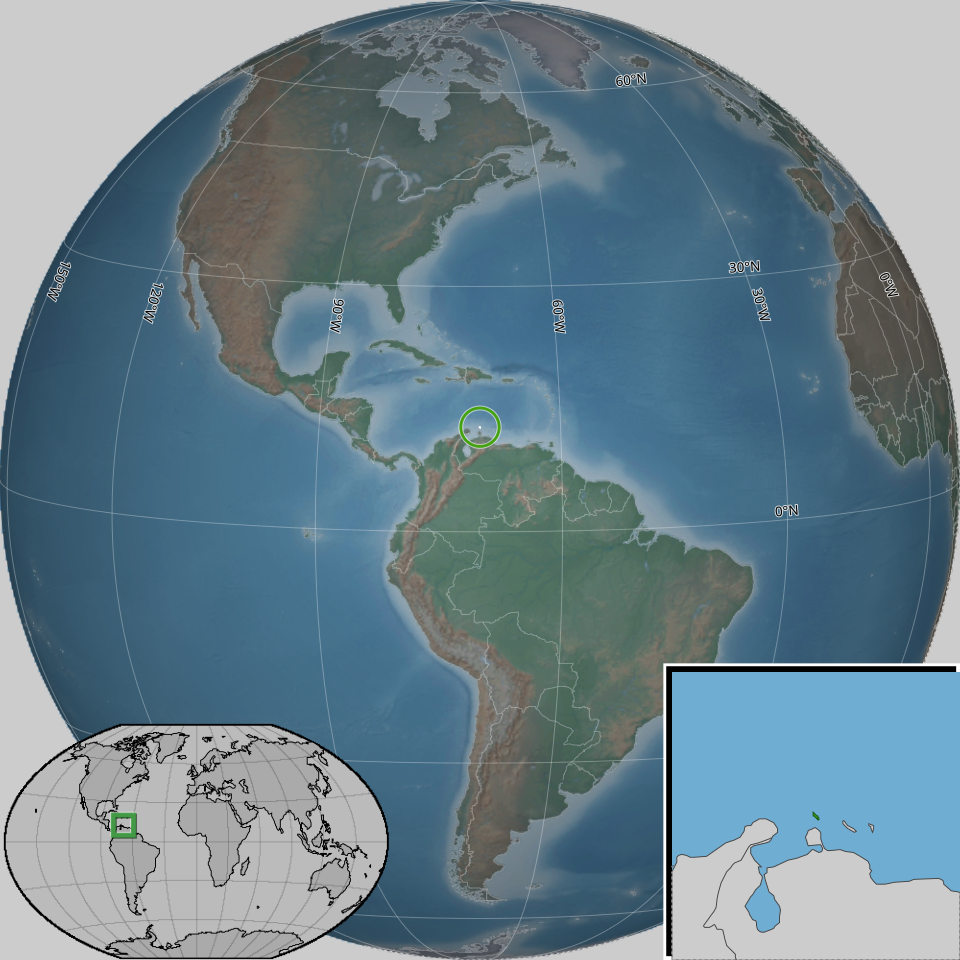
Aruba’s economic and political identity is deeply intertwined with its unique status within the Kingdom of the Netherlands. Alongside Curaçao and Sint Maarten, Aruba functions as a constituent country that holds internal autonomy, allowing it to manage its domestic affairs independently. However, this self-governance is balanced by responsibilities retained by the Dutch state; matters such as foreign affairs and national defense remain under the jurisdiction of the Netherlands.
This dual-layered governance structure creates a distinct political landscape where local policy decisions must often align with broader kingdom interests. The internal political framework relies on a 21-member Staten, or Parliament, whose members are elected through direct, popular vote to serve four-year terms. Executive power is vested in an eight-member Cabinet, which works alongside a Governor appointed by the monarch for a six-year term.
This system ensures that while Aruba has a voice in its own destiny, it remains tethered to the stability and diplomatic weight of the larger European kingdom. Understanding this constitutional arrangement is essential for any observer looking at the island’s long-term strategic direction, as it influences everything from trade agreements to legal frameworks.
Economic Indicators and Structural Challenges
From a macroeconomic perspective, the current data presents a significant challenge for analysts seeking precise quantitative assessments. According to the latest World Bank data, key indicators including GDP growth, inflation rates measured by CPI, and unemployment figures are all recorded as N/A. Similarly, total GDP in USD, GDP per capita adjusted for purchasing power parity (PPP), and Gross National Income (GNI) per capita lack specific numerical values. Population data is also absent from the current dataset.
For investors and policymakers, these gaps mean that traditional metrics for gauging economic velocity and consumer health cannot be directly applied. Without concrete numbers on growth or price stability, the focus shifts toward qualitative assessments of resilience and structural dependencies. The absence of data does not necessarily imply stagnation, but it does require a more nuanced approach to evaluating the island’s economic pulse.
Stakeholders must look beyond standard aggregates to understand the underlying drivers of the local economy, particularly given the reliance on sectors that may not be fully captured in broad statistical summaries.
Cost of Living and Housing Dynamics
Assessing the daily financial reality for residents and expatriates in Aruba is currently hindered by a lack of specific cost-of-living data. The provided information does not include details on housing costs, rental markets, or general daily expenses. Consequently, it is impossible to draw direct comparisons between Aruba’s price levels and regional averages or global benchmarks.
In typical Caribbean economies, housing and imported goods often drive up living costs, but without verified figures for Aruba, such assumptions remain speculative. Businesses operating in the sector must navigate this informational void when planning compensation packages or pricing strategies. Potential residents and investors should anticipate higher variability in personal budgeting due to the uncertainty surrounding baseline expense categories.
Until comprehensive data on rent versus buy scenarios and utility costs becomes available, the financial attractiveness of the island remains difficult to quantify precisely.
Investment Climate and Corporate Landscape
The business environment in Aruba is characterized by a notable absence of specific corporate and industrial data in the current report. Information regarding the main industries driving the economy, as well as the top companies operating within the territory, is listed as unavailable. This gap makes it challenging to identify specific sectors for targeted investment or to assess the concentration of market power among local enterprises.
Typically, such islands rely heavily on tourism, hospitality, and related services, but without explicit confirmation from the provided sources, these assumptions cannot be validated. Investors looking for clear entry points into established corporate structures may find the current landscape opaque. The lack of data on major employers and industry leaders suggests that due diligence will require alternative methods of gathering intelligence.
For now, the investment climate is best viewed through the lens of political stability rather than specific industrial performance metrics.
Safety, Politics, and Quality of Life
Safety and security metrics for Aruba are currently unreported, with both the Crime Index and Safety Index marked as N/A. This absence of data complicates risk assessments for individuals considering relocation or businesses evaluating operational security. On the political front, however, the framework is well-defined, offering a degree of predictability despite the complexities of its relationship with the Netherlands.
The election of the Staten provides a regular mechanism for public accountability, ensuring that local voices are represented in the legislative process. While happiness data and broader quality-of-life indices are not included in the provided text, the structured nature of the government suggests a stable administrative environment. Residents likely benefit from the social protections and diplomatic backing inherent in their status within the Kingdom of the Netherlands.
Nevertheless, the lack of safety statistics means that perceptions of security may vary widely among different demographic groups and neighborhoods.
What’s Happening Now: Political Continuity
The most tangible aspect of Aruba’s current affairs revolves around its ongoing political continuity and constitutional role. With the Staten serving four-year terms and the Governor appointed for six years, the island maintains a steady rhythm of democratic engagement and royal representation. Recent news indicators do not highlight sudden shocks or emergency reforms, suggesting a period of relative political calm.
The division of labor between Aruba’s internal autonomy and the Netherlands’ control over defense and foreign affairs remains the central pillar of its external relations. This setup allows Aruba to focus on domestic development while relying on a powerful partner for international security and diplomacy. Observers should watch for any shifts in how the Staten and Cabinet balance local priorities with kingdom-wide obligations.
The stability of this arrangement is crucial for maintaining investor confidence and social cohesion in the absence of other economic indicators.
The Bottom Line
Aruba presents a case study in political stability amidst economic data opacity. Its status as an autonomous constituent country offers a unique blend of local self-determination and international support. While the lack of hard economic numbers limits immediate analytical precision, the robust political framework provides a foundation for long-term observation.
Those interested in the Caribbean region should monitor Aruba for developments in its internal governance and its evolving relationship with the Kingdom of the Netherlands.
Sources & Methodology
This article is authored by Economic Pulse Net for informational and research purposes. Economic Pulse Net sources its data from multilateral institutions, national statistics bureaus, and proprietary databases. All data is believed to be current as of the date of publication.
Published: October 29, 2026 | Category: Research — Aruba
Use these signals in your own platform
Economic Pulse publishes its live signal feed through a documented, read-only API. Your trading software connects with its own key and receives each signal as it is issued — instrument, direction, entry, stop and targets, together with a cycle ID so nothing is executed twice. The feed is independent of this website and cannot change it.
Signals are informational only and are not financial advice.