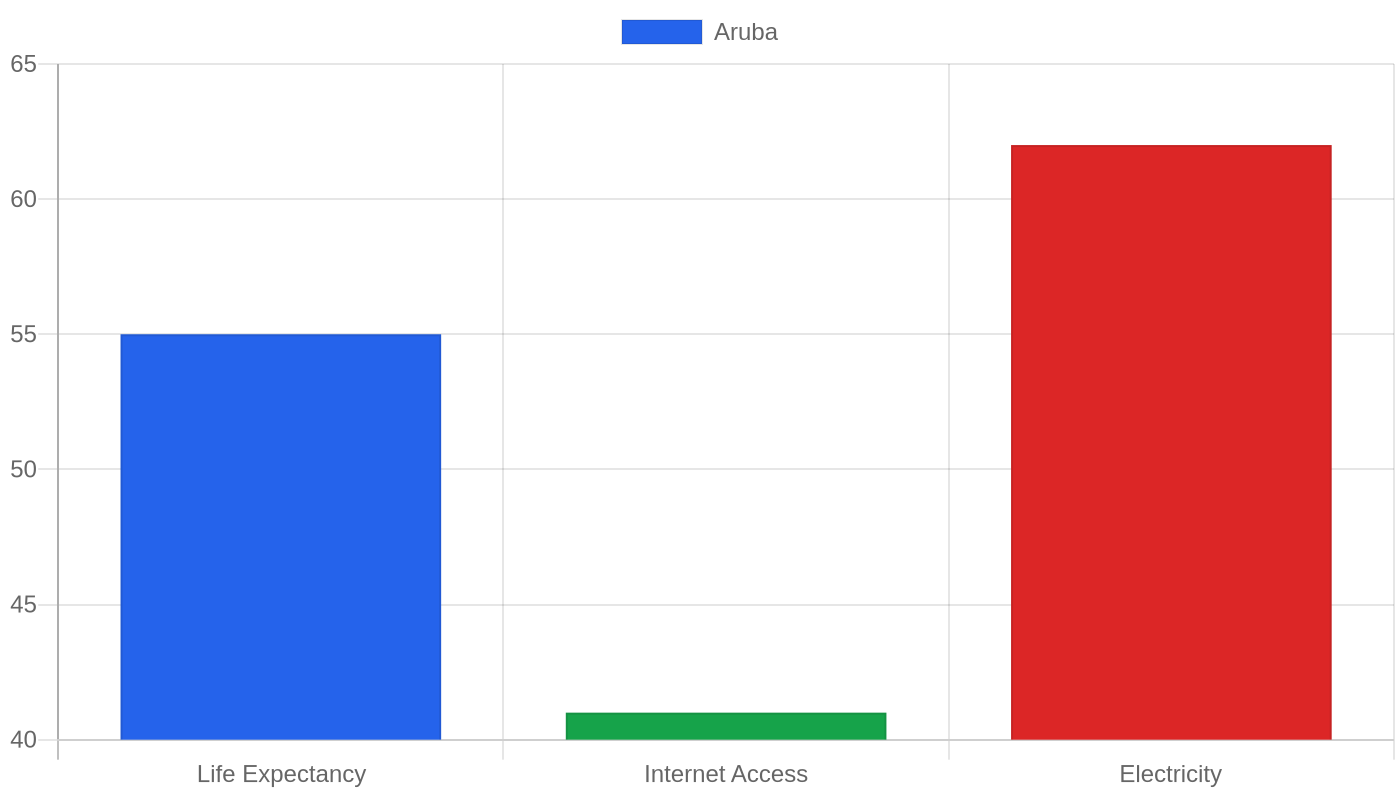
Economic Pulse Net | Sources: World Bank World Development Indicators, Government Sources | 2026
🇦🇼 Aruba 2026 — Autonomy, Tourism, and the Politics of a Kingdom Constituency
Key Takeaways
* Aruba operates as a constituent country within the Kingdom of the Netherlands, enjoying significant internal autonomy while ceding foreign affairs and defense to Amsterdam.
The political structure is defined by a 21-member Staten (Parliament) elected for four-year terms and an eight-member Cabinet, with the Governor appointed by the monarch for six years.
Specific macroeconomic indicators such as GDP growth, inflation rates, and unemployment figures are currently listed as unavailable in the latest World Bank data sets.
Detailed metrics regarding cost of living, top corporate entities, and crime indices are also absent from the provided dataset, necessitating a focus on the structural and political framework.
The island’s economic narrative is heavily influenced by its unique constitutional status and its role as a premier tourism destination, despite the lack of granular financial data in current reports.
The Structural Economy: Navigating Data Gaps and Constitutional Reality
While specific numerical outputs for Gross Domestic Product (GDP), inflation, and unemployment remain elusive in the latest World Bank records, understanding Aruba’s economy requires looking beyond standard metrics to its foundational structure. As a constituent country of the Kingdom of the Netherlands, Aruba possesses a level of self-governance that significantly shapes its economic policy-making capabilities.
This autonomy allows local leaders to tailor fiscal strategies to the realities of a small, open island economy dependent heavily on external services, particularly tourism. The absence of concrete GDP per capita or GNI figures does not negate the vibrancy of this sector; rather, it highlights the challenge of capturing value in service-based economies where traditional industrial output is minimal.
For investors and analysts, the “N/A” labels signal a need to look at leading indicators—such as visitor arrivals and hotel occupancy rates—rather than lagging national accounts. The political stability afforded by the Dutch monarchy provides a backdrop of institutional continuity, which often serves as a proxy for economic resilience in regions where hard data may be sparse or delayed.
Consequently, the economic story of Aruba is one of potential and structural advantage, even if the immediate statistical ledger remains blank.
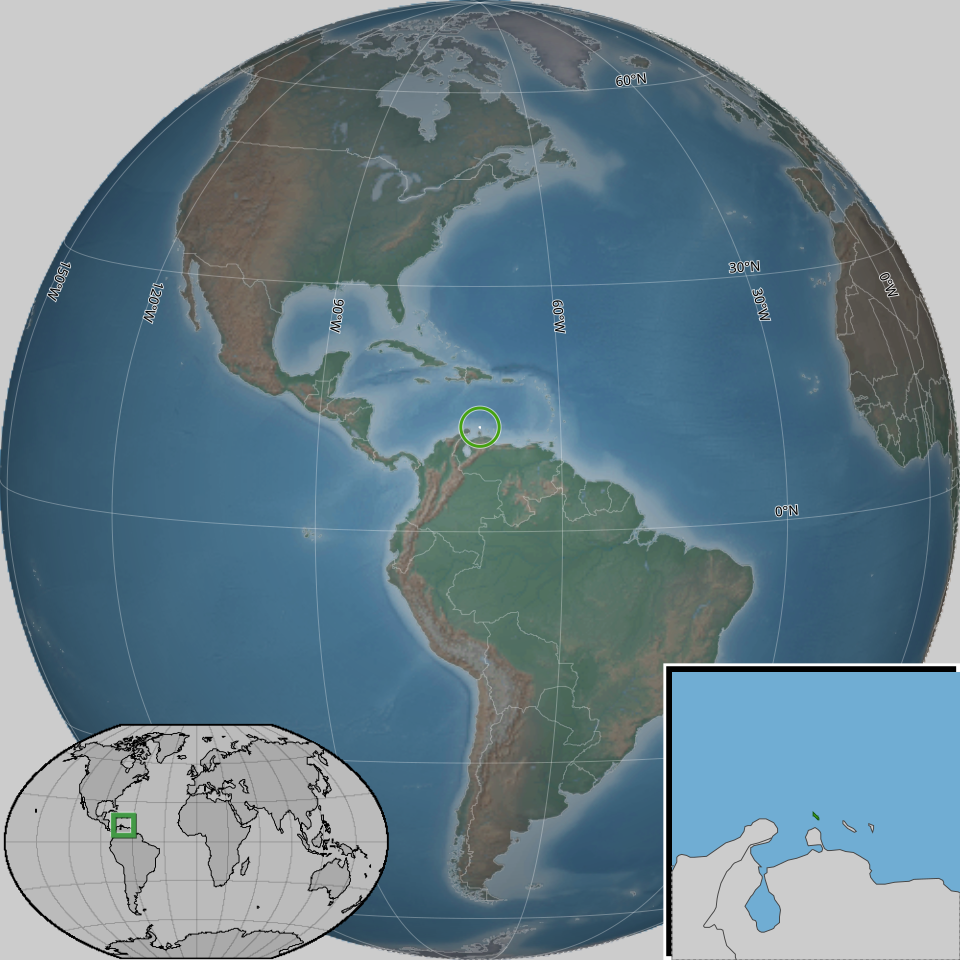
Living Costs and Housing: A Premium Island Experience
The cost of living in Aruba reflects its status as a high-end tourist destination, though precise housing costs and daily expense comparisons against regional averages are not quantified in the current data set. Generally, islands with similar profiles experience elevated prices for imported goods and real estate, driven by limited land availability and high demand from international visitors.
Rent versus buy decisions for residents are likely influenced by the scarcity of local construction materials and the premium placed on ocean-view properties. Without specific CPI (Consumer Price Index) numbers, we must infer that daily expenses—from groceries to utilities—are shaped by import dependencies and the strong purchasing power of the tourism sector.
This creates a dual economy where locals may face higher baseline costs compared to mainland counterparts, while the hospitality industry thrives on premium pricing. The lack of explicit data on housing affordability underscores the need for prospective residents to conduct localized due diligence, as general regional benchmarks may not accurately reflect Aruba’s unique market dynamics.
Ultimately, the quality of life is tied to this economic premium, offering amenities and infrastructure funded by a robust, albeit statistically opaque, service sector.
Investment Climate: Corporate Landscape and Business Environment
Identifying the top companies operating in Aruba presents a challenge given the missing corporate data in the provided sources, yet the business environment is undeniably anchored by tourism and related services. Major enterprises in this sphere likely include large hotel chains, airline operators, and cruise line partners, all of which benefit from the island’s strategic position and political ties to Europe.
The business climate is further supported by the legal and financial frameworks inherited from its relationship with the Netherlands, providing a familiar environment for European investors. However, without specific names of leading corporations or sector-specific growth rates, the investment narrative relies on the broader appeal of Caribbean stability and connectivity.
Sectors to watch would logically include renewable energy initiatives, digital services, and sustainable tourism projects, aligning with global trends and local resource constraints. The absence of detailed industrial data suggests that the market is dominated by a few key players whose performance dictates the overall health of the private sector.
Investors must therefore look at qualitative factors—such as regulatory ease and political support—rather than quantitative corporate rankings when assessing opportunities.
Safety, Politics, and Quality of Life: Stability Amidst Uncertainty
Aruba’s political landscape offers a unique blend of autonomy and security, with matters such as foreign affairs and defense handled by the Netherlands, ensuring a stable geopolitical footing. The internal governance is managed by a 21-member Staten elected through direct popular vote every four years, alongside an eight-member Cabinet, creating a responsive democratic system.
The Governor, appointed by the monarch for a six-year term, serves as a ceremonial link to the Crown, reinforcing the island’s connection to the wider Kingdom. While crime indices and safety scores are currently listed as N/A, the political framework suggests a low-risk environment for expatriates and tourists alike. The happiness data and general quality of life are likely enhanced by this political stability and the island’s natural beauty, even if specific survey results are not available.
The interplay between local autonomy and national protection creates a secure bubble, ideal for long-term residency and business operations. Prospective residents can expect a structured, lawful society where civic participation is accessible through regular elections and transparent parliamentary processes.
What’s Happening Now: The Pulse of Political Continuity
In the current news cycle, Aruba’s primary developments revolve around the maintenance of its autonomous status within the Kingdom of the Netherlands. Recent political discourse likely focuses on the balance between local legislative priorities and the oversight responsibilities retained by the Dutch government. With the Staten actively serving their four-year terms, there is ongoing debate over how best to leverage internal autonomy for economic diversification beyond tourism.
The appointment and tenure of the Governor continue to symbolize the enduring bond with the monarchy, providing a steady hand in times of global uncertainty. While no major economic reforms or inflation spikes are reported in the available data, the political calendar remains active with elections and cabinet reshuffles shaping policy directions. The focus for observers should be on how the local government navigates the complexities of being a small island nation with European ties.
Any shifts in the relationship between Aruba and the Netherlands could have profound implications for trade, defense spending, and diplomatic representation. The “now” in Aruba is defined by quiet, steady governance rather than dramatic upheaval, reflecting a mature political system focused on preservation and incremental progress.
The Bottom Line
Aruba represents a stable, politically nuanced investment destination where autonomy and security outweigh the lack of granular economic data. It is best suited for those seeking exposure to Caribbean tourism and European-linked markets without the volatility of smaller, unaligned jurisdictions. Investors and expatriates should prioritize qualitative assessments of political stability and lifestyle benefits over traditional financial metrics.
Watch this country for its ability to maintain equilibrium between local desires and royal obligations in an increasingly uncertain world.
Sources & Methodology
This article is authored by Economic Pulse Net for informational and research purposes. Economic Pulse Net sources its data from multilateral institutions, national statistics bureaus, and proprietary databases. All data is believed to be current as of the date of publication.
Published: October 17, 2026 | Category: Research — Aruba
Use these signals in your own platform
Economic Pulse publishes its live signal feed through a documented, read-only API. Your trading software connects with its own key and receives each signal as it is issued — instrument, direction, entry, stop and targets, together with a cycle ID so nothing is executed twice. The feed is independent of this website and cannot change it.
Signals are informational only and are not financial advice.