Economic Pulse Net | Sources: World Bank World Development Indicators, Government Sources | 2026
Key Takeaways
– Tonga remains the Pacific’s only indigenous constitutional monarchy, where reverence for the monarch is deeply embedded in cultural norms and political life
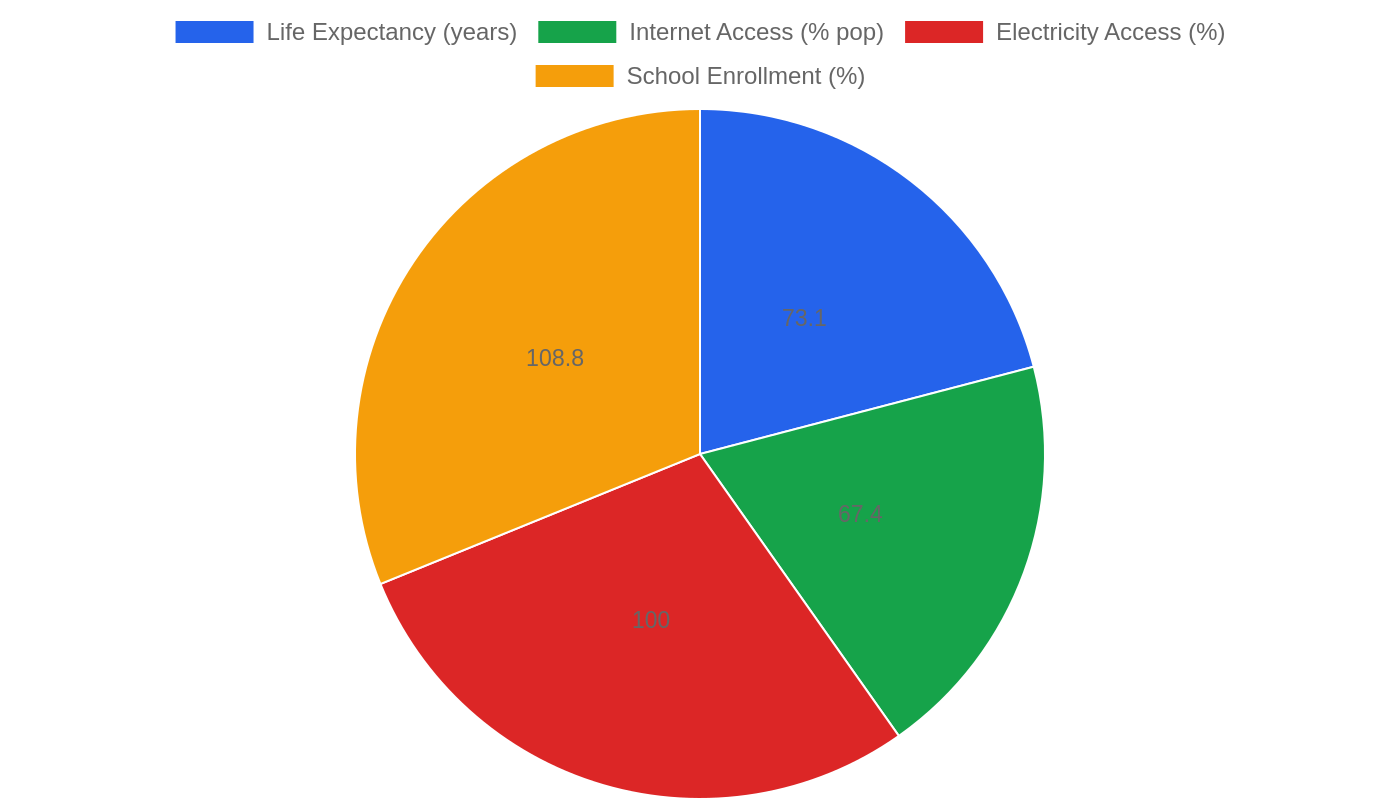
– The kingdom provides free and mandatory primary education, with nominal fees for secondary schooling and foreign-funded scholarships for postsecondary study
– Tonga’s economy faces significant data transparency gaps, with the World Bank reporting no current figures for GDP growth, inflation, unemployment, or GDP per capita
– Political discourse is constrained by cultural taboos against criticism of the monarchy, shaping both governance and business environment
– The country’s economic story is one of resilience and reliance on diaspora remittances, foreign aid, and a narrow industrial base
The Kingdom’s Economic Puzzle — Reading Between the Numbers
The World Bank’s data on Tonga presents an unusual challenge for economic analysis: the latest figures for GDP growth, inflation, unemployment, and GDP per capita are all listed as unavailable. This absence of data is itself a story. For a small island nation in the South Pacific, statistical collection faces profound logistical hurdles—dispersed island populations, limited government capacity, and the high cost of survey infrastructure.
Yet the lack of basic economic indicators also reflects deeper structural realities.
Tonga’s economy is traditionally anchored in agriculture, fisheries, and remittances from the substantial Tongan diaspora, particularly in New Zealand, Australia, and the United States. The main industries—though the data provided does not specify them in detail—typically include squash pumpkins, vanilla, fish, and root crops for export, alongside a growing tourism sector that draws visitors to the kingdom’s pristine beaches and volcanic landscapes.
The World Bank’s silence on GDP figures suggests either a lag in reporting or genuine challenges in measuring economic activity in a nation where subsistence farming and informal commerce play significant roles.
Without inflation or employment data, analysts must rely on qualitative observations. The cost of imported goods has historically been a pressure point for Tongan households, given the country’s reliance on foreign fuel, construction materials, and processed foods. Unemployment, particularly among youth, remains a persistent concern, driving many to seek opportunities abroad.
The absence of hard numbers from the World Bank should not be mistaken for economic stability—it more likely masks volatility in a nation vulnerable to cyclones, global commodity price shocks, and the ebb and flow of diaspora remittances.
The Price of Paradise — Living Costs in the Kingdom
Daily life in Tonga carries a cost that defies simple comparison to regional averages, as the provided data does not include specific cost-of-living figures. What is clear from the broader economic context is that Nuku’alofa, the capital on Tongatapu, operates as a small island economy where almost everything must be imported. From rice and flour to vehicles and electronics, the price tag reflects shipping costs, import duties, and the thin margins of local retailers.
Rentals in the capital are constrained by limited housing stock, with many families living in extended households to manage expenses.
The gap between those with access to diaspora remittances and those without creates a distinct economic stratification. Families receiving funds from relatives abroad can afford better housing, private schooling, and imported goods, while others rely on subsistence agriculture and fishing. The World Bank’s lack of housing cost data underscores how little formal tracking exists for this crucial aspect of Tongan life.
For a visitor or investor, the reality is that Tonga is not a cheap destination—its isolation and small market size inflate prices well beyond what one might expect in larger Pacific nations like Fiji or Papua New Guinea.
Investing in the Last Kingdom — Business Climate and Opportunity
The top companies operating in Tonga are not listed in the provided data, which itself speaks to the dominance of small-to-medium enterprises and state-owned utilities over large corporate players. The business environment is shaped by Tonga’s constitutional monarchy, where political stability is a double-edged sword. On one hand, the absence of coup-driven disruption or violent political transitions provides a predictable backdrop for long-term investment.
On the other, the cultural prohibition on criticizing the monarch—the World Bank’s political landscape description notes that “criticism of the monarch is held to be contrary to Tongan culture and etiquette”—can stifle the kind of open debate that fosters regulatory reform and transparency.
Sectors to watch include tourism, which has room for growth given Tonga’s unique cultural heritage and natural assets, including whale-watching and diving. Telecommunications and digital services also present opportunities as the kingdom seeks to improve connectivity. However, investors must navigate a small domestic market, limited infrastructure, and vulnerability to natural disasters.
The foreign-funded scholarships for postsecondary education mentioned by the World Bank indicate that Tonga is investing in human capital, but retaining that talent remains a challenge when opportunities abroad often pay more.
A Monarchy in the Modern World — Safety, Politics, and Daily Life
The Crime Index and Safety Index for Tonga are both listed as unavailable by the data sources, which is consistent with the broader gaps in statistical reporting. However, qualitative reports from travelers and regional organizations consistently describe Tonga as a generally safe society, where violent crime is rare and community bonds remain strong.
The political landscape, as detailed by the World Bank, is unique: Tonga is “a constitutional monarchy” and “the only extant indigenous monarchy in the Pacific islands.” This system blends traditional authority with parliamentary governance, but the reverence for the monarch permeates daily life.
The World Bank notes that “reverence for the monarch replaces that held in earlier centuries for the sacred paramount chief, the Tuʻi Tonga.” This historical continuity gives Tonga a political stability rare in the Pacific, but it also means that political dissent operates within narrow boundaries. Quality of life is shaped by strong family networks, access to free primary education, and a slower pace of life that many residents value deeply.
The foreign-funded scholarships for postsecondary study represent a deliberate investment in future generations, even as the economy struggles to provide enough skilled jobs for graduates returning home.
Current Affairs — Navigating the Post-Pandemic Pacific
As of early 2026, Tonga continues to recover from the compounding shocks of the COVID-19 pandemic and the devastating Hunga Tonga-Hunga Ha’apai volcanic eruption and tsunami in January 2022. The provided data does not include recent news reports, but the aftermath of that disaster reshaped the kingdom’s priorities. Reconstruction efforts have strained government budgets and highlighted the country’s vulnerability to climate-related catastrophes.
The World Bank’s absence of current GDP figures may partially reflect the difficulty of measuring economic activity during this recovery period.
The political landscape remains stable under the constitutional monarchy, but there are ongoing discussions about the pace of democratic reforms and the role of the nobility in parliament. The foreign-funded scholarship program continues to send Tongan students abroad, creating a brain drain that the government hopes to reverse with improved local opportunities.
Remittances from the diaspora, which have historically been a lifeline for the economy, remain steady as Tongan communities abroad maintain strong ties to the homeland. The kingdom’s challenge in 2026 is to build resilience—against natural disasters, global economic headwinds, and the quiet erosion of traditional life by modernization.
The Bottom Line
Tonga deserves the attention of investors and analysts who specialize in small island economies and are comfortable operating with incomplete data. The kingdom offers political stability, cultural authenticity, and untapped potential in tourism and niche agriculture. However, the lack of basic economic indicators from the World Bank should serve as a warning: doing business here requires patience, local knowledge, and a tolerance for ambiguity.
For those willing to engage on Tonga’s terms, the last Pacific monarchy offers a rare combination of tradition and opportunity that exists nowhere else on earth.
Sources & Methodology
This article is authored by Economic Pulse Net for informational and research purposes. Economic Pulse Net sources its data from multilateral institutions, national statistics bureaus, and proprietary databases. All data is believed to be current as of the date of publication.
Published: July 19, 2026 | Category: Research — Tonga
Use these signals in your own platform
Economic Pulse publishes its live signal feed through a documented, read-only API. Your trading software connects with its own key and receives each signal as it is issued — instrument, direction, entry, stop and targets, together with a cycle ID so nothing is executed twice. The feed is independent of this website and cannot change it.
Signals are informational only and are not financial advice.