Economic Pulse Net | Sources: World Bank World Development Indicators, Government Sources | 2026
Key Takeaways
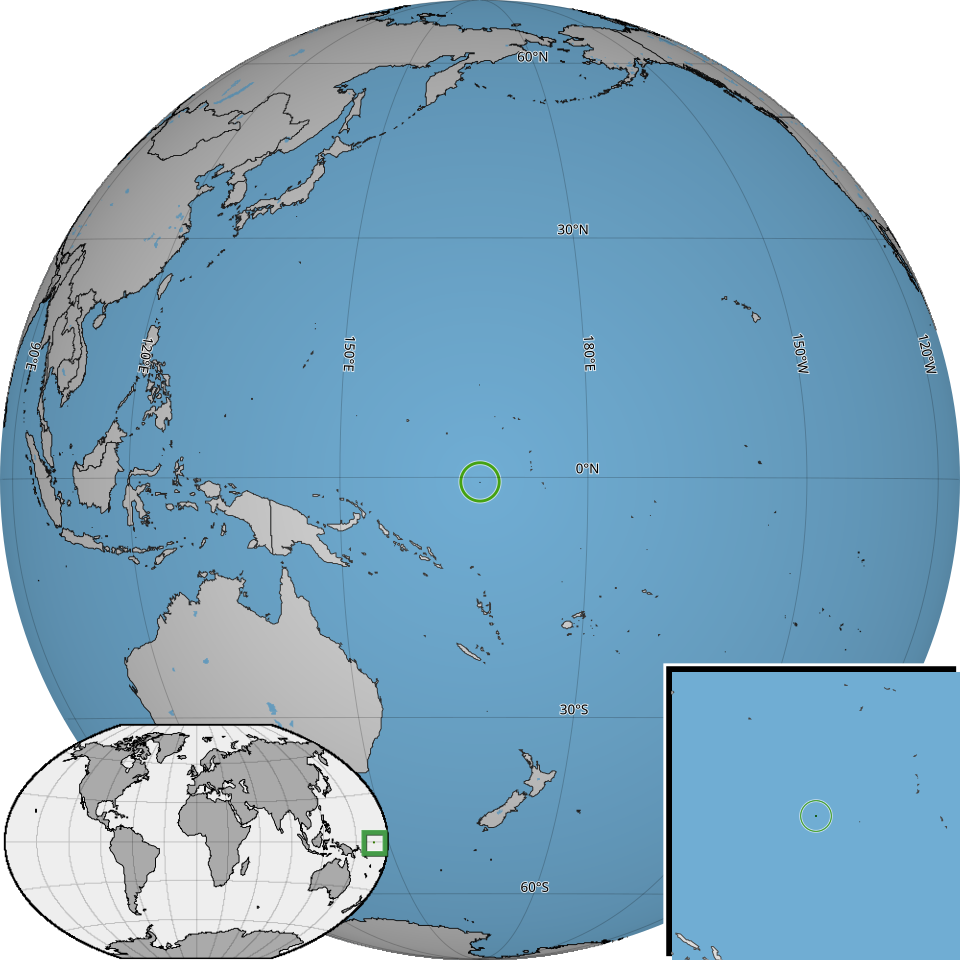
– Nauru, a 21-square-kilometer island nation in the Pacific, is navigating one of the world’s most unique economic transitions as it moves beyond its depleted phosphate mining era.
– The government of President David Adeang is prioritizing international institutional engagement, with Nauru recently joining the International Renewable Energy Agency (IRENA) as part of a broader strategy to secure energy independence.
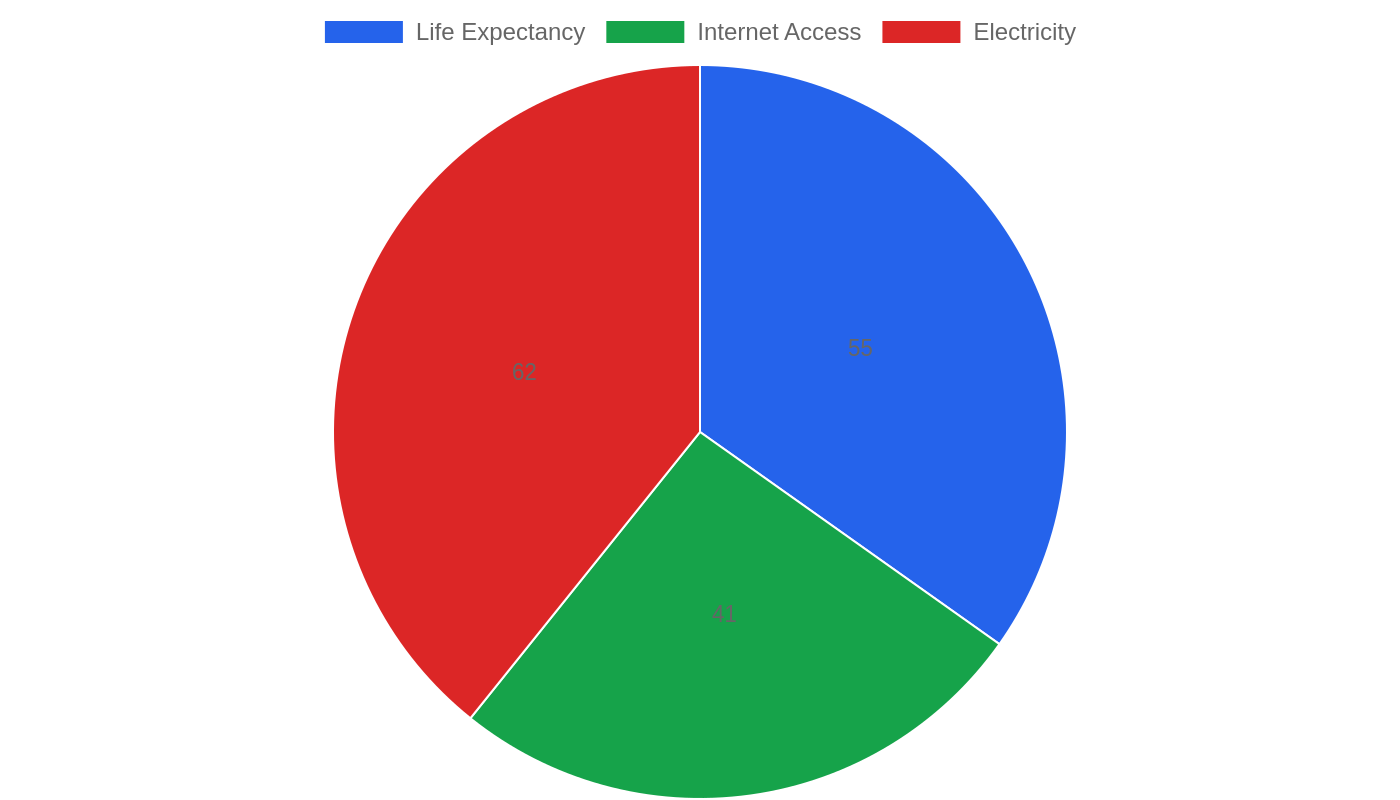
– With traditional economic indicators largely unavailable, Nauru’s economic story is best understood through its strategic partnerships and institutional memberships rather than conventional growth metrics.
– The country’s membership in the IMF (since April 2016), the UN, the Commonwealth, and the Asian Development Bank signals a deepening integration with global financial and development frameworks.
– Nauru’s participation in the Commonwealth and Olympic Games underscores its ongoing commitment to international diplomacy and soft power projection despite its small population.
The Phosphate Paradox — An Economy in Search of Its Next Chapter
The economic narrative of Nauru is among the most extraordinary in the Pacific region, defined by boom, bust, and the relentless pursuit of reinvention. According to the World Bank, standard economic indicators for Nauru — GDP growth, inflation, unemployment, and GDP per capita — are currently unavailable, which itself tells a story of a nation still recalibrating its statistical infrastructure after decades of dramatic economic swings.
The island’s historical wealth was built on phosphate mining, which at one point gave Nauruans among the highest per-capita incomes in the world. However, those reserves were largely exhausted by the late 20th century, leaving the country with what economists call a “resource curse” hangover — a degraded landscape, a trust fund of variable performance, and the need to build an entirely new economic foundation from scratch.
In the absence of hard numbers, the World Bank’s silence on Nauru’s GDP and employment figures speaks to the profound structural challenges facing this micro-state. The country’s economic activity now centers on a narrow set of revenue streams, including the Regional Processing Centre for asylum seekers (funded by Australia), fishing license fees from its vast Exclusive Economic Zone, and the modest proceeds of remaining phosphate exports.
The absence of robust data collection also reflects a broader issue of institutional capacity — a challenge for any nation of roughly 10,000 to 12,000 people attempting to maintain the statistical apparatus expected of a modern state.
Yet the Adeang government is not standing still; its recent accession to IRENA signals a strategic pivot toward renewable energy as both an economic development tool and a way to reduce the crippling costs of imported diesel fuel, which has historically made electricity on the island among the most expensive in the world.
The economic logic of this pivot is compelling. Nauru’s geographic isolation means that every barrel of fuel must travel thousands of kilometers by sea, making energy costs a critical constraint on any kind of commercial development. By joining IRENA, Nauru gains access to technical expertise, potential financing mechanisms, and a network of partners who have successfully navigated similar transitions in other Pacific island states.
The move also aligns with the broader climate resilience agenda of the Asian Development Bank, which has increasingly focused on renewable energy projects across the region. While the World Bank data remains sparse, the strategic direction is clear: Nauru is attempting to leapfrog from a fossil-fuel-dependent micro-economy to a renewable-energy-powered one, betting that sustainability will prove to be its most viable long-term economic engine.
The High Cost of Isolation — Housing and Daily Life in a Remote Economy
Living in Nauru has always carried a premium, a direct consequence of its extreme geographic isolation and the logistical challenges of importing virtually everything. Housing, in particular, presents a stark picture: the island’s limited land area — just 21 square kilometers — combined with the legacy of phosphate mining that rendered much of the interior unusable, has created a severe constraint on available residential space.
The vast majority of Nauruans live along the narrow coastal belt, where land is at a premium and housing options are limited to government-built dwellings, a small private rental market, and traditional family compounds. Rent versus buy calculations are heavily skewed by these land issues; with most land held under customary tenure, the concept of a fluid real estate market is largely alien, and homeownership typically comes through family inheritance rather than market transactions.
The cost of daily necessities in Nauru is similarly elevated. The island imports nearly all of its food, fuel, and manufactured goods, with supply chains running primarily through Australia and Fiji. This means that a simple basket of groceries — rice, tinned fish, fresh produce when available — carries prices significantly higher than would be found in larger Pacific economies like Fiji or even neighboring Papua New Guinea.
Regional comparisons, while not precisely quantified in available data, are inferable from the fundamental economics of shipping costs and small market volumes; Nauru’s small population means it has virtually no bargaining power with suppliers and no economies of scale in distribution.
For residents, this translates into a daily reality where household budgets are stretched thin, and where the cost of living pressures are compounded by limited employment opportunities outside the government sector and the processing center. The economic resilience of Nauruans, then, is not just a matter of policy — it is a daily, practical exercise in making ends meet in one of the most remote and logistically challenging environments on Earth.
A Narrow Business Frontier — Investment Opportunities in a Micro-Economy
The corporate landscape of Nauru is, unsurprisingly, sparse. There are no major multinational corporations headquartered on the island, and the private sector is dominated by small-scale trading companies, fishing operations, and a handful of service providers catering to the government and the processing center.
The country’s top companies, to the extent they exist in any meaningful sense, are largely state-owned enterprises or joint ventures connected to the remaining phosphate operations and the management of the processing facility. The banking sector is minimal, with the Bank of Nauru having collapsed in the 1990s and the country relying on a small number of foreign banks and financial service providers to handle its limited transaction flows.
This thin corporate base means that for any investor, the Nauruan market is less about serving local consumers — a population of perhaps 10,000 — and more about accessing the country’s strategic assets: its Exclusive Economic Zone, which is vast relative to its land area, and its potential as a hub for certain niche services.
The business climate, however, is not without its openings. The Adeang government’s push into renewable energy through IRENA could create opportunities for firms specializing in solar installations, battery storage, and micro-grid management — technologies that are well-suited to small island environments. Similarly, the country’s membership in the Asian Development Bank opens doors to infrastructure financing that could stimulate construction and related services.
The fishing sector, governed by the Nauru Agreement (a sub-regional arrangement among Pacific states), offers potential for onshore processing and transshipment services. Yet the practical barriers remain formidable: high energy costs, limited skilled labor, complex land tenure, and a legal and regulatory framework that is still maturing after years of financial turbulence.
For most international investors, Nauru will remain a niche play — a place where patient capital with a tolerance for logistical complexity might find opportunity, but where the risk profile is significantly higher than in more developed Pacific economies.
Stability in Miniature — Politics, Safety, and the Quality of Life Equation
The political landscape of Nauru is compact but functional. President David Adeang leads a 19-member unicameral parliament, a structure that reflects the country’s small population and its unique governance needs.
The country’s international posture is active and engaged: membership in the United Nations, the Commonwealth of Nations, and the Asian Development Bank, alongside participation in the Commonwealth and Olympic Games, demonstrates a nation that, despite its size, is deeply invested in being a participant in global affairs.
The recent accession to the International Renewable Energy Agency adds another layer to this diplomatic strategy, positioning Nauru as a proactive voice on climate and energy issues in international forums. This engagement is not merely symbolic; for a country of Nauru’s scale, international partnerships are essential survival mechanisms, providing access to development funding, technical assistance, and diplomatic cover in times of crisis.
On safety and quality of life, the available data is notably silent — crime and safety indices are not currently tracked for Nauru. However, the general characterization of Pacific island societies, and Nauru specifically, is one of low violent crime and strong community cohesion, though the presence of the Regional Processing Centre has introduced social tensions and periodic unrest that have at times spilled over into the broader community.
The quality of life equation in Nauru is a complex one: on one hand, residents enjoy a strong sense of community, cultural continuity, and the natural beauty of a Pacific island; on the other hand, they contend with limited economic opportunity, high costs, and the health and environmental legacies of phosphate mining.
The government’s focus on renewable energy and its deepening ties with international institutions suggest a recognition that improving the quality of life for Nauruans requires both economic diversification and a cleaner, more sustainable environment. The path forward is not easy, but the political will — as evidenced by the IRENA accession and continued international engagement — appears to be present.
The Adeang Agenda — A Nation at a Crossroads
The most current development in Nauru’s ongoing story is its formal accession to the International Renewable Energy Agency, a move that positions the country at the forefront of the Pacific’s energy transition. This is not a merely ceremonial membership; it represents a concrete policy shift by President Adeang’s government to address one of the island’s most persistent vulnerabilities — its near-total dependence on imported fossil fuels.
The decision to join IRENA aligns Nauru with a growing coalition of small island states that are using renewable energy not just as an environmental measure but as a core economic strategy. For Nauru, the potential benefits are substantial: reduced government expenditure on fuel imports, greater energy security, and the possibility of attracting development finance specifically earmarked for green infrastructure projects.
The move also signals to international partners, including the Asian Development Bank and potential bilateral donors, that Nauru is serious about sustainable development and is a credible recipient for climate-related funding.
This is happening against a backdrop of ongoing diplomatic activity. Nauru’s membership in the IMF, dating to April 2016, has provided the country with access to technical assistance and policy advice that has helped stabilize its fiscal framework. The current government appears to be building on that foundation, using its international memberships and partnerships to construct a more diversified economic base.
The challenges are immense — the country remains heavily reliant on external revenue streams, its private sector is nascent, and the social and environmental costs of its mining past continue to weigh on development. Yet the direction of travel under Adeang is clear: deeper integration into international institutions, a strategic pivot to renewable energy, and an ongoing commitment to maintaining Nauru’s presence on the world stage.
For observers of the Pacific, the question is whether these initiatives can translate into tangible improvements in the lives of Nauruans — and whether the country can finally write a post-phosphate success story.
The Bottom Line
Nauru is a country that defies easy categorization — a micro-state with a outsized history, a challenging present, and a future that hinges on its ability to leverage international partnerships and embrace new technologies. The World Bank’s lack of hard economic data is itself a signal of the structural challenges the country faces, but it should not be mistaken for a lack of activity or ambition.
For development economists, Pacific policy analysts, and investors with a tolerance for frontier markets, Nauru offers a compelling case study in resilience and reinvention. The renewable energy push, the deepening institutional ties, and the government’s proactive diplomatic posture all suggest a nation determined to write its next chapter on its own terms. The watchword for Nauru is patience — this is a long game, and the returns, both economic and strategic, may take years to materialize.
But for those willing to look beyond the sparse data, the story of Nauru is one of quiet, persistent determination.
Sources & Methodology
This article is authored by Economic Pulse Net for informational and research purposes. Economic Pulse Net sources its data from multilateral institutions, national statistics bureaus, and proprietary databases. All data is believed to be current as of the date of publication.
Published: August 08, 2026 | Category: Research — Nauru
Use these signals in your own platform
Economic Pulse publishes its live signal feed through a documented, read-only API. Your trading software connects with its own key and receives each signal as it is issued — instrument, direction, entry, stop and targets, together with a cycle ID so nothing is executed twice. The feed is independent of this website and cannot change it.
Signals are informational only and are not financial advice.