Economic Pulse Net | Sources: World Bank World Development Indicators, Government Sources | 2026
Key Takeaways
* Historic Monetary Milestone: Nauru officially joined the International Monetary Fund (IMF) in April 2016, marking a significant step toward greater economic transparency and integration with global financial systems.
Green Energy Ambitions: The nation has recently become a member of the International Renewable Energy Agency (IRENA), signaling a strategic pivot toward sustainable development and energy independence.
Political Stability via Unicameral Governance: Under President David Adeang, the 19-member unicameral parliament provides a centralized legislative structure that facilitates decision-making in this small island state.
Global Diplomatic Presence: Beyond its regional ties, Nauru maintains active membership in the United Nations, the Commonwealth of Nations, and participates in major international sporting events like the Olympic Games.
Economic Landscape: Navigating Data Gaps with Strategic Context
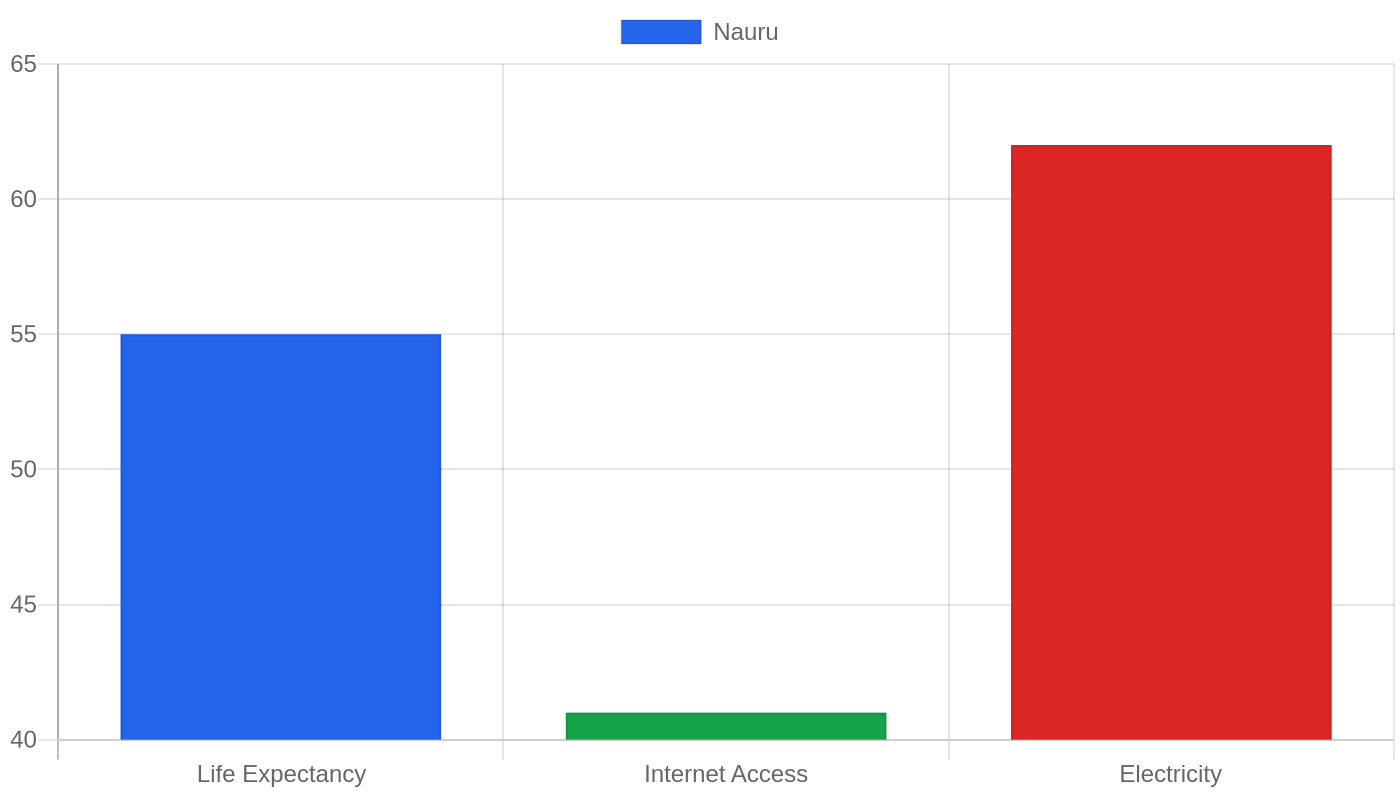
When analyzing the macroeconomic health of Nauru, one must first acknowledge the limitations of standard data availability; current World Bank metrics for GDP growth, inflation CPI, unemployment, total GDP, GDP per capita (PPP), GNI per capita, and overall population are listed as not available. This absence of granular statistical data is not merely a reporting gap but reflects the unique structural challenges of a micro-economy where traditional large-scale industrial outputs are minimal or non-existent.
Without specific figures on GDP or inflation, investors and analysts cannot rely on conventional quantitative models to assess short-term volatility or long-term expansion rates. However, the lack of public data does not imply an empty economy; rather, it suggests that economic activity may be concentrated in informal sectors, remittances, or specific bilateral agreements that do not always feed into standardized global databases.
For a country of such limited size, the focus shifts from aggregate growth percentages to the stability of key revenue streams and the efficiency of public spending. Consequently, understanding Nauru’s economic trajectory requires looking beyond the numbers to its institutional commitments and external partnerships. The challenge for policymakers is to balance the need for accurate data collection with the reality of operating a small, remote island economy that defies typical developing nation profiles.
Cost of Living: High Inputs, Limited Local Production
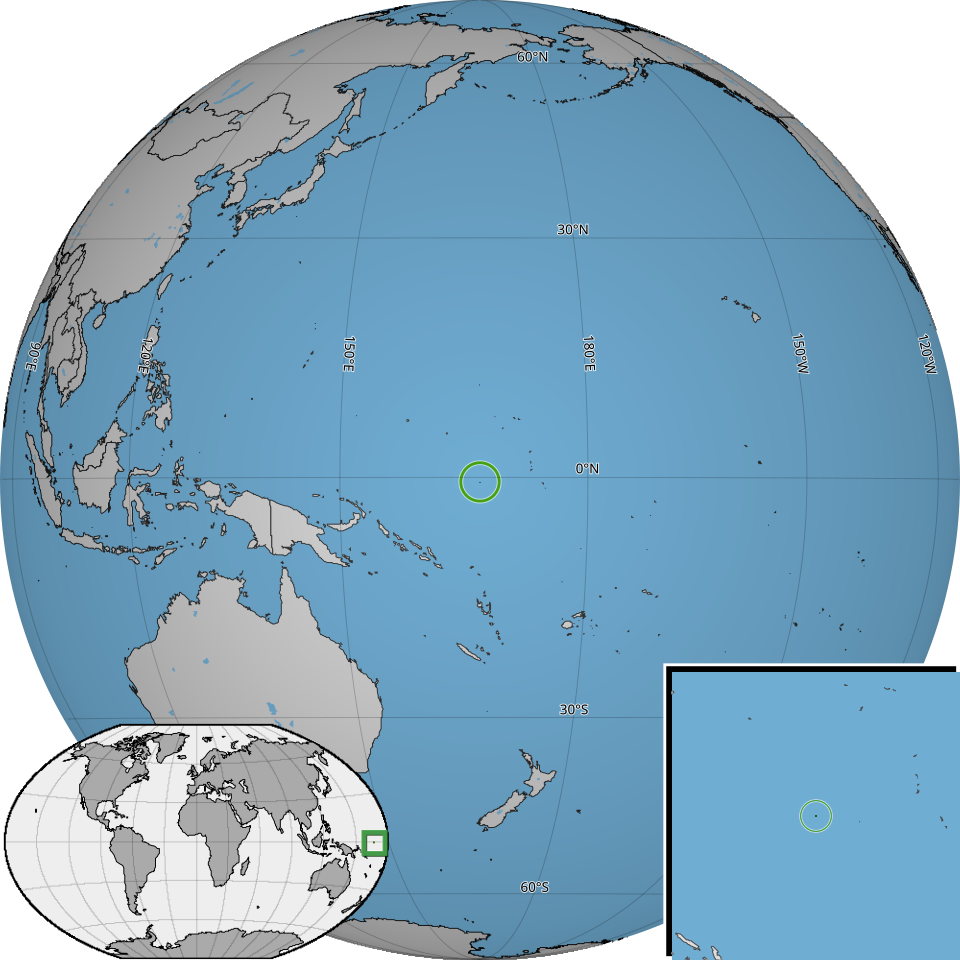
For residents and expatriates alike, the cost of living in Nauru is shaped by its geographic isolation and reliance on imports for essential goods. While specific consumer price indices and housing market data are currently unavailable, the general economic principle of small island developing states applies: transportation costs significantly inflate the price of daily necessities.
Housing costs, whether through rental markets or property acquisition, are difficult to benchmark against regional averages due to the lack of comprehensive real estate transaction data. Daily expenses for food, fuel, and utilities likely remain high relative to income levels, driven by the logistical complexity of importing goods across the Pacific. This environment creates a distinct economic reality where savings potential can be constrained by the high baseline cost of basic survival.
Unlike larger economies where wage growth might offset inflation, Nauru’s residents must navigate a fixed cost structure that offers little flexibility during periods of external economic shock. Understanding this dynamic is crucial for anyone considering business operations or personal relocation to the island.
Investment & Business Climate: A Small Market with Big Potential
The corporate landscape in Nauru is defined by a scarcity of listed top companies and a dominant role for state-owned enterprises or foreign partnerships. With no major domestic corporations dominating the stock exchange or regional rankings, the investment opportunity lies less in equity markets and more in infrastructure, services, and niche industries.
The business environment is heavily influenced by government policy, given the small size of the private sector and the central role of the unicameral parliament in regulating commerce. Investors should look toward sectors aligned with the country’s recent IRENA membership, such as renewable energy infrastructure, solar power installation, and sustainable tourism development.
These areas offer potential for foreign direct investment that complements local resources while adhering to global environmental standards. However, the lack of detailed industry breakdowns means that due diligence must be thorough, relying on direct engagement with local authorities rather than third-party market reports. The business climate is stable but opaque, requiring patience and strong local relationships to navigate successfully.
Safety, Politics & Quality of Life: Stability in a Compact Society
Nauru presents a relatively straightforward political and safety profile, characterized by low crime rates and a stable, albeit compact, democratic system. Specific crime and safety indices are not provided, but the nation’s participation in the Commonwealth and UN underscores its adherence to international norms of governance and human rights.
The political landscape is headed by President David Adeang, who leads a 19-member unicameral parliament, ensuring that legislative processes are streamlined and decisions can be made efficiently. This political structure minimizes the bureaucratic friction often seen in larger nations, allowing for quicker responses to emerging issues.
Quality of life in Nauru is deeply tied to community cohesion and access to basic services, which are managed by a government that is increasingly engaged with global agencies like the IMF and IRENA. The social fabric is tight-knit, meaning that while formal safety statistics may be scarce, the informal social controls contribute to a generally secure environment.
Residents benefit from a political system that is accessible and directly representative, even if the scale of governance is vastly smaller than continental counterparts.
What’s Happening Now: Institutional Deepening and Green Transitions
The most significant developments in Nauru right now revolve around its deepening integration into international financial and environmental frameworks. In April 2016, the Republic of Nauru became the 189th member of the International Monetary Fund, a move that signals a commitment to fiscal responsibility and improved economic oversight. More recently, Nauru has joined the International Renewable Energy Agency (IRENA), highlighting a proactive approach to addressing climate change and energy security.
These memberships are not just symbolic; they provide technical assistance and funding pathways that can transform local infrastructure. President David Adeang’s administration continues to steer the nation through these transitions, leveraging its status as a member of the Asian Development Bank and the Commonwealth to secure support. The focus is shifting from mere survival to sustainable development, with renewable energy becoming a central pillar of future economic planning.
As Nauru navigates its post-phosphate mining era, these institutional alliances offer a roadmap for diversification and long-term resilience.
The Bottom Line
Nauru is a country where traditional economic metrics fail to capture the full picture of its potential and challenges. Investors and observers should watch Nauru not for explosive growth figures, but for its steady progress in institutional reform and green energy adoption. The nation’s recent accession to the IMF and IRENA marks a pivotal moment in its modern history, offering a window into how small states can leverage global partnerships for local development.
For those interested in niche markets, diplomatic engagements, or sustainable development projects, Nauru represents a unique case study in resilience and adaptation.
Sources & Methodology
This article is authored by Economic Pulse Net for informational and research purposes. Economic Pulse Net sources its data from multilateral institutions, national statistics bureaus, and proprietary databases. All data is believed to be current as of the date of publication.
Published: October 14, 2026 | Category: Research — Nauru
Use these signals in your own platform
Economic Pulse publishes its live signal feed through a documented, read-only API. Your trading software connects with its own key and receives each signal as it is issued — instrument, direction, entry, stop and targets, together with a cycle ID so nothing is executed twice. The feed is independent of this website and cannot change it.
Signals are informational only and are not financial advice.