Economic Pulse Net | Sources: World Bank World Development Indicators, Government Sources | 2026
🇵🇫 French Polynesia: The High-Value Island Economy in Data Silence
Key Takeaways
- French Polynesia remains an economic outlier in the Pacific, defined by a concentrated corporate landscape dominated by essential service providers.
- The local business environment is heavily anchored by four major entities: Électricité de Tahiti, ONATi, Brasserie de Tahiti, and Air Tahiti Nui.
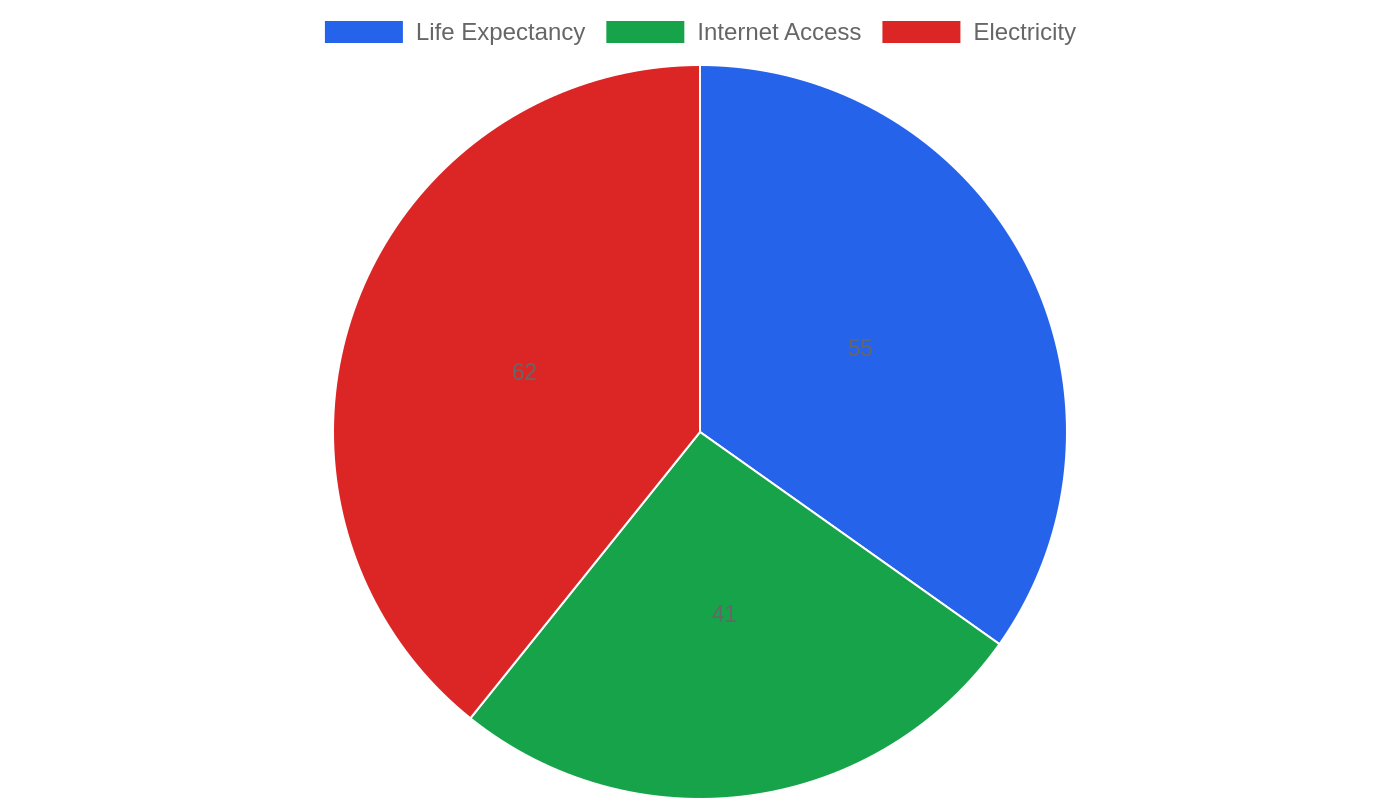
- Specific macroeconomic indicators such as GDP growth, inflation, and unemployment rates are currently unavailable in the provided World Bank dataset, creating a transparency gap for international investors.
- The cost of living and detailed political landscape data are not specified in the current records, requiring caution in financial planning for expatriates.
- The telecommunications and utility sectors, represented by ONATi and Électricité de Tahiti, form the critical infrastructure backbone of the archipelago.
The Statistical Void: Navigating Economic Obscurity
In the global arena of economic analysis, data is the currency of confidence, and for French Polynesia, that currency is currently scarce in the public domain.
According to the World Bank, the latest figures for GDP growth, Consumer Price Index (CPI) inflation, and unemployment rates are listed as “N/A,” presenting a significant challenge for analysts seeking to gauge the immediate health of the economy.
This absence of standardized macroeconomic indicators means that traditional metrics for assessing economic momentum are unavailable, forcing observers to rely on structural indicators rather than performance metrics.
The lack of reported GDP in USD and GDP per capita (PPP) further complicates efforts to compare the territory’s economic output with other Pacific nations or global standards.
Consequently, the narrative of the local economy cannot be built on the usual pillars of growth rates and price stability, but must instead be constructed from the visible architecture of its major industries.
This data gap does not imply economic stagnation, but rather reflects the specific reporting challenges often faced by smaller, semi-autonomous territories that may not always align with the granular data collection methods of international bodies.
Infrastructure as Identity: The Pillars of Local Industry
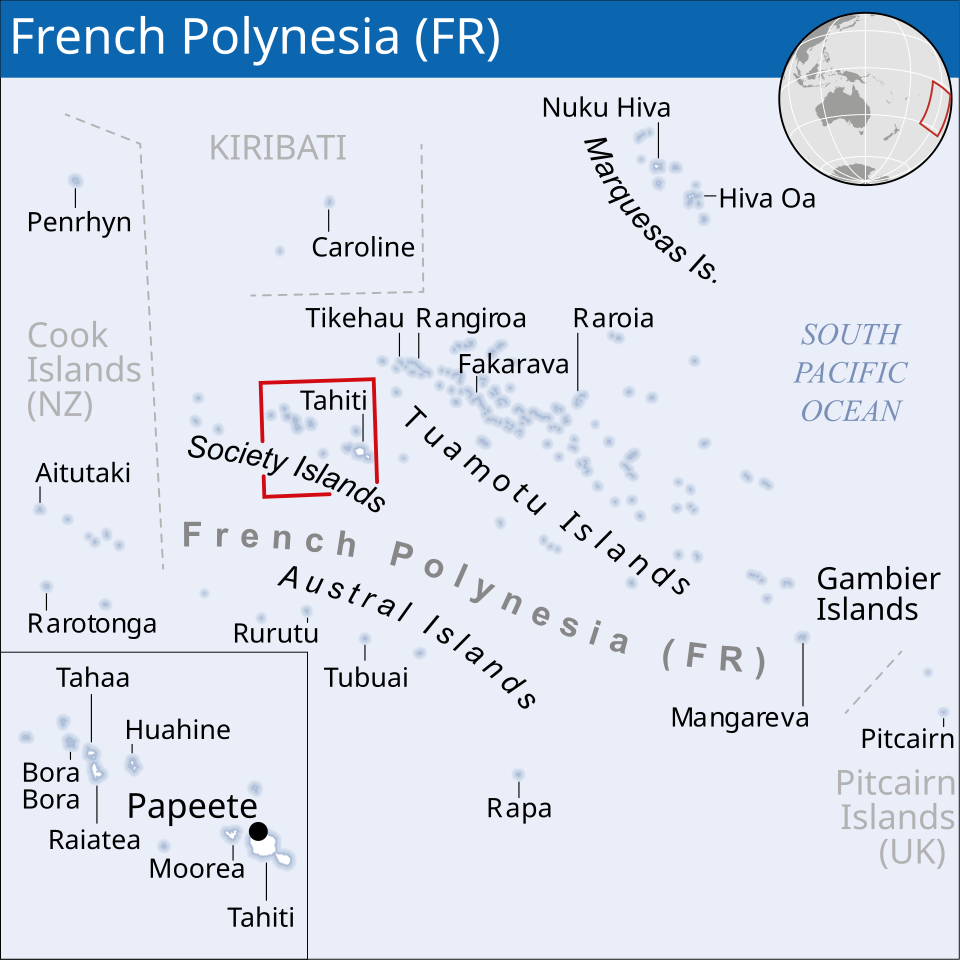
While the broader economic statistics remain opaque, the corporate landscape of French Polynesia offers a clear picture of where economic value is generated and controlled.
The territory’s business ecosystem is dominated by a few key players that provide essential services to the population. Électricité de Tahiti stands as a major force, with a value indicator of 22.4, highlighting the critical importance of energy supply in this remote archipelago.
Closely following is ONATi, valued at 19.3, which underscores the centrality of telecommunications in connecting the scattered islands.
Brasserie de Tahiti, with a value of 14.5, represents the consumer goods and hospitality sector, a vital component of a tourism-dependent economy.
Air Tahiti Nui, valued at 12.4, completes this core quartet, illustrating the indispensable role of air connectivity in sustaining both trade and tourism.
These four entities effectively form the economic spine of the territory, with their performance likely having a disproportionate impact on the overall well-being of the local population.
The presence of these specific companies in the top tier suggests a market structure where essential utilities and transport are concentrated, potentially limiting competitive dynamics in these specific sectors.
Living Costs and the Mystery of Daily Expenses
For those considering relocation or investment in the territory, the lack of detailed cost-of-living data poses a significant hurdle.
The provided records do not contain specific figures for housing costs, rent versus buy comparisons, or daily expense averages, making it difficult to benchmark the standard of living against regional peers.
Without concrete data on the Consumer Price Index, it is impossible to accurately assess the pace of inflation or the real purchasing power of local residents.
This absence of granular cost data means that potential expatriates and investors must rely on general knowledge of the Pacific region rather than specific, up-to-date local statistics.
The economic profile of French Polynesia, as presented here, is notably silent on the microeconomic realities of daily life, such as the price of groceries or the cost of utilities for the average household.
This gap in information suggests that a thorough on-the-ground assessment would be necessary for anyone planning to engage with the local economy at a personal or small-business level.
A Concentrated Business Climate
The business environment in French Polynesia appears to be characterized by a high degree of concentration in key service industries.
The prominence of Électricité de Tahiti and ONATi indicates that the utility and telecommunications sectors are not only major employers but also critical nodes in the economic network.
These sectors provide the fundamental infrastructure upon which other businesses, particularly in tourism and retail, depend.
The inclusion of Brasserie de Tahiti and Air Tahiti Nui in the top companies list further highlights the dual engine of the local economy: domestic consumption and external connectivity.
The data also lists Air Moana and Air Tahiti under consumer services, suggesting a robust aviation sector that is crucial for maintaining the archipelago’s economic isolation yet connectivity.
However, the lack of data on political landscape and crime indices means that the broader regulatory and safety environment for business remains undefined in this specific dataset.
Investors must therefore look beyond these top-listed companies to understand the full spectrum of business opportunities and risks in the territory.
Current Affairs: A Pause in the Narrative
The most striking aspect of the current economic picture for French Polynesia is the absence of recent news or live indicators in the provided data.
There are no reports on recent reforms, elections, or policy shifts that would typically inform a “what’s happening now” section.
This silence in the news cycle, combined with the missing World Bank data, creates a period of economic uncertainty where the direction of the territory is hard to discern from external data sources.
Without information on current political developments or safety indices, it is difficult to assess the stability of the environment for new entrants.
The lack of crime and safety index data further adds to the veil of uncertainty, leaving readers without a clear gauge of the social conditions that influence economic activity.
In this context, the focus shifts entirely to the structural stability of the major companies identified, as they represent the most tangible aspect of the current economic reality.
The Bottom Line
French Polynesia presents a unique case study in economic analysis, where the clarity of the corporate landscape contrasts sharply with the opacity of macroeconomic data.
For international investors and analysts, the territory is defined by its essential service providers rather than its growth statistics.
The dominance of Électricité de Tahiti, ONATi, Brasserie de Tahiti, and Air Tahiti Nui suggests a stable, albeit concentrated, economic core.
However, the lack of GDP, inflation, and safety data necessitates a cautious approach, requiring deeper local investigation before making significant financial commitments.
This is a market for those who can navigate data scarcity with careful, on-the-ground due diligence.
Sources & Methodology
This article is authored by Economic Pulse Net for informational and research purposes.
Economic Pulse Net sources its data from multilateral institutions, national statistics bureaus, and proprietary databases.
All data is believed to be current as of the date of publication. Published: September 04, 2026 |
Category: Research — French Polynesia
Use these signals in your own platform
Economic Pulse publishes its live signal feed through a documented, read-only API. Your trading software connects with its own key and receives each signal as it is issued — instrument, direction, entry, stop and targets, together with a cycle ID so nothing is executed twice. The feed is independent of this website and cannot change it.
Signals are informational only and are not financial advice.