Economic Pulse Net | Sources: World Bank World Development Indicators, Government Sources | 2026
Key Takeaways
– Bermuda’s economy is built on a foundation of financial services, with regulators and global insurance giants anchoring a sophisticated offshore ecosystem.
– The island operates as a British Overseas Territory, with the UK government holding sovereign authority and the Governor representing the Crown.
– Bermuda’s top companies are overwhelmingly financial — from the Bermuda Monetary Authority to Butterfield Bank — making the sector the undisputed engine of the local economy.
– While comprehensive macroeconomic data is limited, the corporate roster signals a jurisdiction focused on high-value services rather than manufacturing or agriculture.
– Political stability is underwritten by the UK government, providing a layer of institutional security that matters for investors and residents alike.
The Financial Fortress: Understanding Bermuda’s Economic DNA
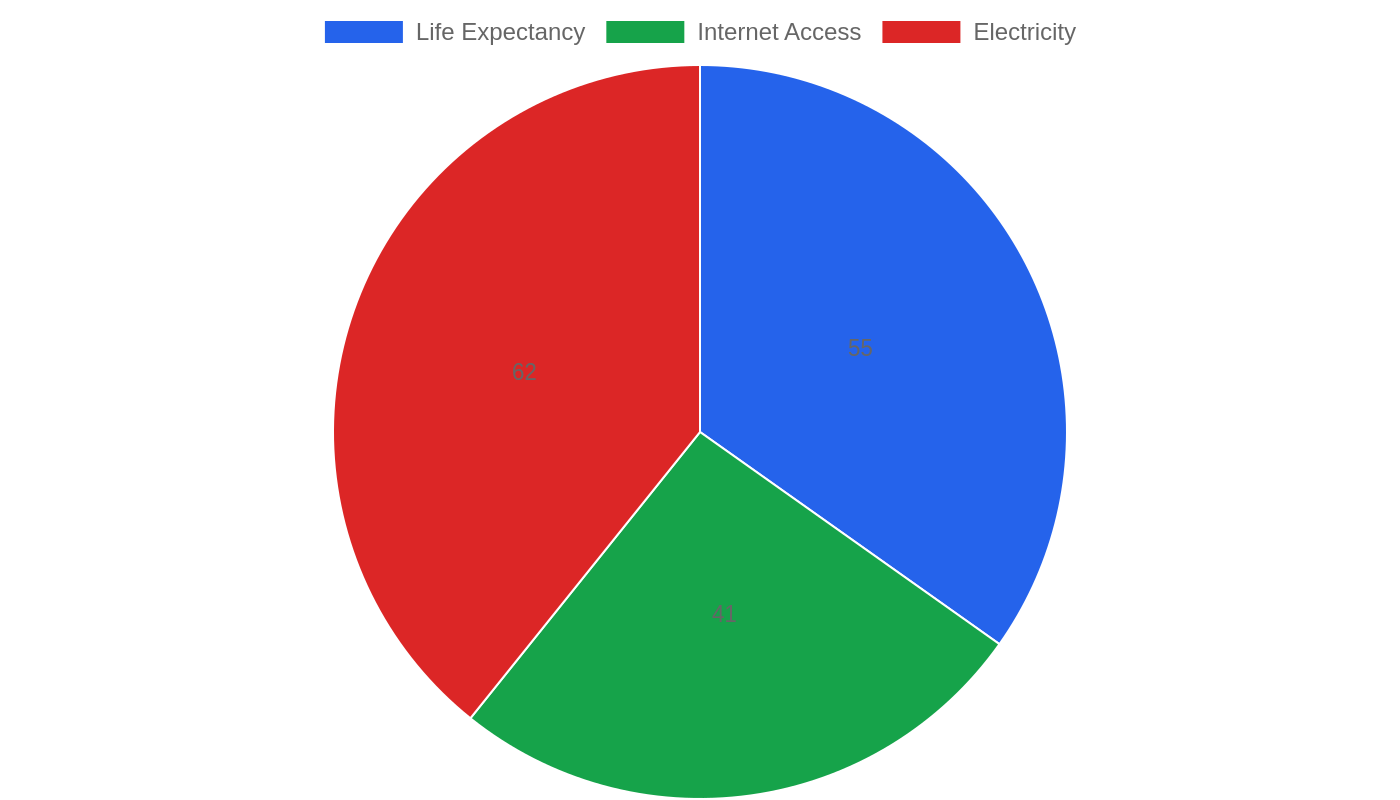
Bermuda does not publish a full suite of economic indicators through the World Bank — no GDP growth figures, no inflation readings, no unemployment statistics. But the absence of data tells its own story. This is not a country that measures itself by industrial output or agricultural yields. It is a jurisdiction built on intangibles: trust, legal certainty, and the quiet machinery of global capital.
The World Bank’s data gap reflects Bermuda’s unique position in the global economy. It is not a developing nation climbing the income ladder; it is a mature offshore financial centre that has long since reached the top of a very specific mountain. The companies that call Bermuda home are the clearest window into its economic soul. Bacardi, the spirits giant, has deep roots here.
But the real weight comes from the financial sector: the Bermuda Monetary Authority, Brookfield Infrastructure Partners, Butterfield Bank, Catlin Group, Fidelity International, and Frontline Ltd. These are not small operations. They are global players in insurance, reinsurance, asset management, and maritime shipping.
What does this mean in practice? Bermuda functions as a risk-management hub for the world. When multinational corporations need to insure against catastrophic losses, when shipping companies need to structure their fleets, when investment funds need a stable legal home — Bermuda is often the answer. The economy does not need high-volume exports or mass employment. It needs a handful of highly skilled professionals, a robust regulatory framework, and the confidence of international investors.
That is a very different economic model from most countries, and it explains why traditional metrics like GDP growth or unemployment rates are less meaningful here.
The concentration in financial services carries both strength and vulnerability. On one hand, Bermuda has carved out a niche that generates substantial wealth per capita. On the other, it leaves the island exposed to shifts in global tax policy, regulatory attitudes toward offshore centres, and the health of the international insurance market.
The absence of diversified industries means the economy rises and falls with the fortunes of its financial sector — a fact that policymakers in Hamilton cannot afford to ignore.
The Price of Paradise: Housing and Daily Life in Bermuda
Bermuda is widely understood to be one of the most expensive places in the world to live, and while specific cost-of-living data is not available from the World Bank, the island’s reputation precedes it. Everything must be imported — food, fuel, building materials, consumer goods — and that import dependence drives prices upward. The cost of living in Bermuda is not a minor consideration; it is a defining feature of daily existence.
Housing is the most acute pressure point. With limited land and strict development controls, Bermuda has historically faced severe housing shortages. The result is a market where both buying and renting are extraordinarily expensive by global standards. For the financial professionals who staff the island’s insurance and asset management firms, employers often provide housing allowances or corporate accommodation.
But for Bermudians outside the financial sector, the gap between wages and housing costs can be punishing.
The comparison to regional averages is difficult to make with precision, given the data gaps, but the anecdotal evidence is consistent: Bermuda sits at the extreme high end of global living costs. This is the price of living in a small island territory with high incomes, scarce land, and a dependence on imports.
It creates a two-tier economy — one for the globally mobile professionals who come to work in finance, and another for the local population navigating a system where a modest apartment can cost more than a suburban home elsewhere.
Where the Money Moves: Investment and Business Climate
For investors, Bermuda offers something increasingly rare in the modern world: stability. The island’s political system is anchored by its relationship with the United Kingdom, and its legal framework is based on English common law. That combination provides a level of predictability that many emerging markets cannot match.
The presence of the Bermuda Monetary Authority as both regulator and guardian of the island’s reputation signals a commitment to oversight that matters in the post-2008 financial world.
The corporate roster reads like a who’s who of global finance. Brookfield Infrastructure Partners manages billions in assets. Butterfield Bank is a regional banking powerhouse. Catlin Group, now part of XL Group, has deep roots in the insurance market. Fidelity International operates one of the world’s largest fund platforms. Frontline Ltd. and Golden Ocean Group dominate the shipping sector. Genpact, the business process outsourcing firm, adds an industrial-services dimension.
These companies do not choose Bermuda by accident — they choose it for the regulatory environment, the tax structure, and the deep pool of expertise in insurance and reinsurance.
The sectors to watch are clear. Insurance and reinsurance remain the crown jewels, with Bermuda competing directly with London and Zurich for global risk management business. Asset management and fund administration are growth areas, as is the legal and accounting infrastructure that supports these activities. The shipping sector, represented by Frontline and Golden Ocean, adds a maritime dimension that is often overlooked.
For businesses looking to establish a presence in the offshore world, Bermuda remains a first-tier destination.
The Crown’s Shadow: Safety, Politics, and Life in Bermuda
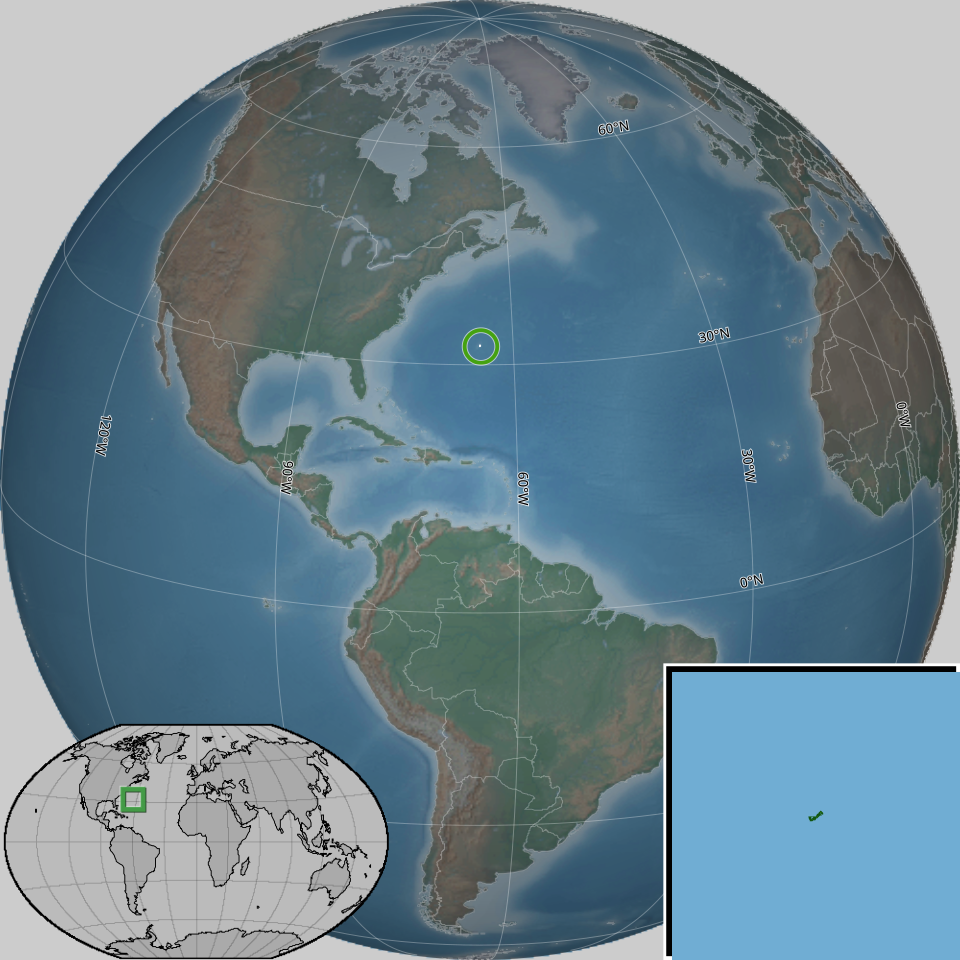
Bermuda’s political landscape is defined by its status as a British Overseas Territory. The United Kingdom is the sovereign government, and executive authority rests with the British monarch, currently Charles III, exercised through the Governor. The current Governor, Andrew Murdoch, was sworn in on January 23, 2025, with Tom Oppenheim serving as Deputy Governor. This arrangement provides a layer of external oversight that shapes everything from legal standards to foreign policy.
The practical effect is a political system that is stable but not fully autonomous. Bermuda has its own parliament and manages its own internal affairs, but major foreign policy and defence matters remain in London’s hands. For residents, this means a degree of institutional security that is rare among small island territories. The UK government provides a backstop that smaller nations often lack.
On safety and quality of life, specific crime and safety indices are not available, but Bermuda’s profile suggests a society that is generally orderly. The island has long been marketed as a safe, family-friendly destination, and the presence of a large expatriate professional community speaks to a level of personal security that attracts global talent.
Life in Bermuda is not without its challenges — the cost of living, the isolation, the occasional hurricane — but the fundamentals of daily life are solid. The combination of British governance, a wealthy financial sector, and a small, close-knit population creates a social environment that is distinct from both the Caribbean mainland and the metropolitan centres where many of the island’s professionals originate.
A New Governor, A Familiar Path: What’s Happening in Bermuda Right Now
The most significant recent development in Bermuda is the change of leadership at the top. Andrew Murdoch was sworn in as Governor on January 23, 2025, replacing the previous officeholder. This transition represents continuity rather than rupture — Murdoch steps into a role that has remained structurally unchanged for decades. But it also comes at a moment when Bermuda is navigating a complex set of external pressures.
The global push for tax transparency and minimum corporate tax rates poses an existential question for offshore financial centres. Bermuda has survived previous challenges to its model, but the current international climate is more hostile than ever. The OECD’s global minimum tax agreement, while not explicitly named in the available data, casts a long shadow over jurisdictions like Bermuda.
The island’s response — how it adapts its tax structure, how it markets itself to global companies, and how it maintains its competitive edge — will define its economic future.
The appointment of a new governor also signals the ongoing importance of the UK relationship. As Bermuda faces pressure from international bodies, having London’s support is crucial. The political landscape is stable, but it is not static. The island is engaged in a constant process of repositioning itself for a world where offshore centres are under increasing scrutiny.
The companies that call Bermuda home — the Catlins, the Butterfields, the Brookfields — are watching closely, and so are their competitors in Singapore, Dublin, and the Cayman Islands.
The Bottom Line
Bermuda is a jurisdiction that runs on reputation, and its future depends on maintaining that reputation in an increasingly sceptical world. For investors, the island offers stability, legal certainty, and a deep pool of financial expertise. For residents, it offers a high standard of living at a high cost.
The new governor’s arrival in January 2025 marks the beginning of a new chapter, but the story is familiar: Bermuda must continue to prove that its model of offshore finance is not just profitable, but sustainable. Anyone with exposure to global insurance, asset management, or shipping should keep a close eye on this small island with outsize influence.
Sources & Methodology
This article is authored by Economic Pulse Net for informational and research purposes. Economic Pulse Net sources its data from multilateral institutions, national statistics bureaus, and proprietary databases. All data is believed to be current as of the date of publication.
Published: August 02, 2026 | Category: Research — Bermuda
Use these signals in your own platform
Economic Pulse publishes its live signal feed through a documented, read-only API. Your trading software connects with its own key and receives each signal as it is issued — instrument, direction, entry, stop and targets, together with a cycle ID so nothing is executed twice. The feed is independent of this website and cannot change it.
Signals are informational only and are not financial advice.