Economic Pulse Net | Sources: World Bank World Development Indicators, Government Sources | 2026
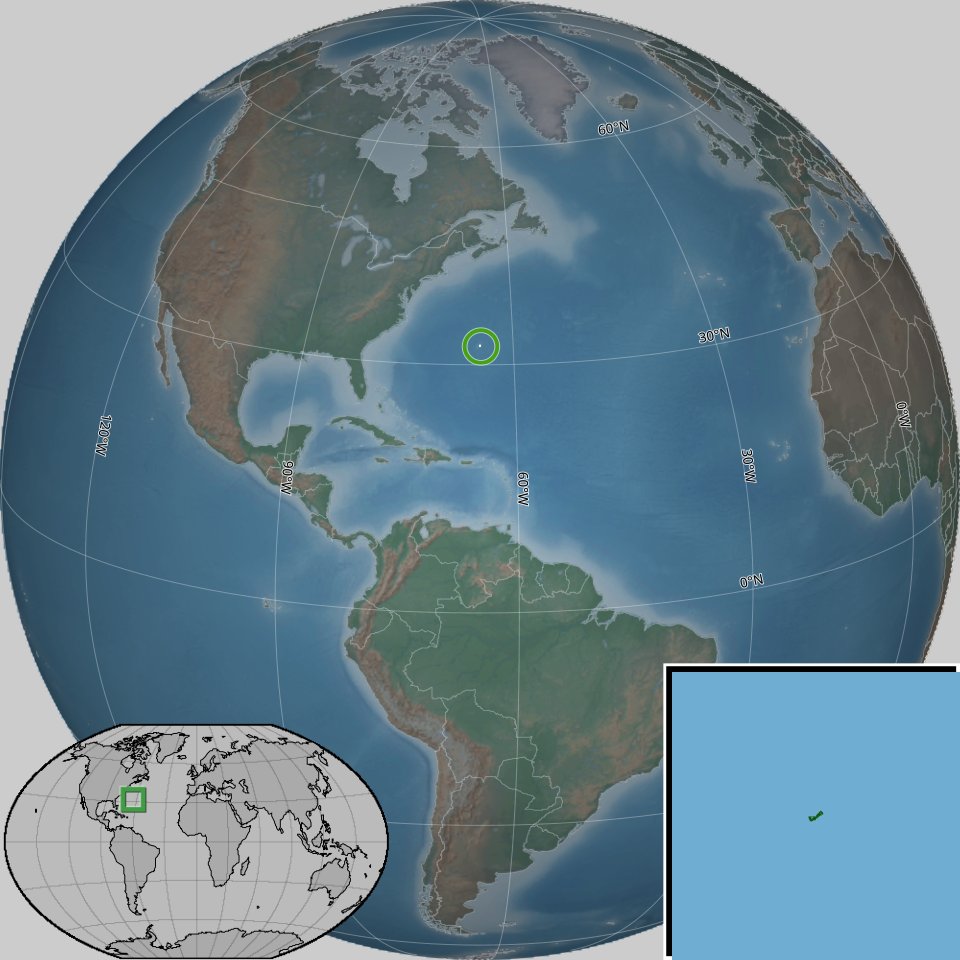
Bermuda, a jewel of the North Atlantic and a stalwart Overseas Territory of the United Kingdom, has long punched far above its weight in the global financial arena. While the latest World Bank data points for GDP growth, inflation, and unemployment remain unpublished, the island’s economic narrative is not written in quarterly statistics but in the ebb and flow of global capital, reinsurance risk, and corporate relocations.
As the world pivots towards greater regulatory scrutiny and digital transformation, this 21-square-mile archipelago is leveraging its political stability and deep-rooted legal frameworks to remain a premier domicile for the world’s most sophisticated investors. This is a story of resilience, adaptation, and the enduring power of a well-regulated offshore haven.
Key Takeaways
– Regulatory Prowess: Bermuda is not just a tax haven; it is a rigorous regulatory environment, anchored by the **Bermuda Monetary Authority**, which provides a stamp of legitimacy that attracts institutional capital.
– Corporate Heavyweights: The island is the operational home to global giants like **Bacardi**, **Brookfield Infrastructure Partners**, and **Fidelity International**, signaling a diverse economic base beyond just insurance.
– Political Certainty: As a British Overseas Territory, the island enjoys the sovereign backing of the **Government of the United Kingdom**, offering a shield of political stability that is rare among offshore jurisdictions.
– Data Transparency Gap: The absence of specific World Bank metrics on GDP and inflation suggests a unique economic structure where traditional indicators are less relevant than the performance of its captive insurance and global business sectors.
The Engine Room: Beyond GDP in a Global Financial Hub
The absence of a headline GDP figure from the World Bank for Bermuda is telling. Unlike manufacturing or agrarian economies, the island’s prosperity is intrinsically linked to the “invisible earnings” of its financial services sector, which dominate the economic landscape. The primary industries are not physical goods but the sophisticated management of risk and capital.
The presence of the **Bermuda Monetary Authority** as a top company underscores the critical role of the regulator in maintaining the island’s reputation; it is the gatekeeper that ensures the jurisdiction remains aligned with international compliance standards, particularly in the eyes of the UK and global financial watchdogs.
This focus on high-value financial engineering means that traditional metrics like unemployment and CPI often take a backseat to the health of the global reinsurance market and the corporate treasury operations of multinationals. When a hurricane devastates the US coast or a major cyber-attack hits a European bank, the claims are often paid out from Bermuda’s risk pools.
The concentration of firms like Catlin Group and **Frontline Ltd.** in the data highlights a strategic pivot towards specialized risk—from marine and energy to property catastrophe. The economic engine, therefore, runs on premium cycles and investment yields rather than consumer spending, making the lack of standard GDP data a quirk of its unique, highly specialized status rather than a sign of economic weakness.
The Price of Paradise: Navigating a High-Cost Enclave
While specific cost-of-living indices are not provided in the World Bank data, the reality of Bermuda’s micro-economy is that it operates on a high-income, high-expenditure model. The island imports nearly everything—from food to construction materials—which inherently inflates daily expenses well above the global average.
For the workforce employed by the major financial institutions, salaries are commensurately high to offset these costs, creating a bifurcated economy where the cost of living is a significant barrier to entry for lower-skilled workers. Housing, in particular, is a premium commodity on a limited landmass, with a scarcity that drives rental yields and property values to levels comparable to the world’s most expensive cities like London or Hong Kong.
The cost pressure is a double-edged sword. On one hand, it ensures that the island attracts only the most productive and high-earning professionals, maintaining a corporate atmosphere of excellence. On the other hand, it creates a social challenge, as the gap between the financial services elite and the service sector workforce can strain social cohesion.
Despite the lack of official CPI data from the World Bank, the anecdotal evidence from expatriate packages and corporate relocation guides consistently illustrates that Bermuda remains one of the most expensive places on earth to live, a fact that businesses factor into their operational planning as heavily as they do tax liabilities.
Investment & Business Climate: The Allure of Substance and Stability
For investors, Bermuda offers a trifecta of advantages: a common law legal system based on English precedent, a zero-tax environment for income and capital gains, and a time zone that bridges the gap between the Americas and Europe. The roster of top companies provided is a testament to this appeal.
The presence of Bacardi (consumer goods) and **Genpact** (industrial services) alongside financial behemoths like **Butterfield Bank** and **Fidelity International** demonstrates that the island supports a broad spectrum of global operations, not just insurance shells. This diversity provides a buffer against sector-specific downturns.
The business climate is characterized by a “substance over form” approach. In recent years, the Bermuda Monetary Authority has aggressively pushed for economic substance, ensuring that companies registered on the island actually have a physical presence, employees, and management there. This aligns with global tax reforms and the OECD’s Base Erosion and Profit Shifting (BEPS) framework. The result is a more expensive, but ultimately more secure, operating environment.
For a multinational, paying for a Class A office in Hamilton and hiring a local board is the price of legitimacy. This shift has turned Bermuda from a passive tax haven into an active, regulated financial center, making it a more resilient and respectable place for institutional investors to park their assets.
Safety, Politics & Quality of Life: The British Anchor
Politically, Bermuda presents a picture of steadfast stability. The data confirms that it is an Overseas Territory of the United Kingdom, with Executive authority vested in the British monarch, currently **Charles III**, and exercised through the appointed Governor, **Andrew Murdoch**, who was sworn in in January 2025.
This constitutional arrangement provides a crucial safety net; unlike independent Caribbean nations that may face political volatility or sovereign default, Bermuda’s ultimate backstop is the full faith and credit and legal framework of the UK government. This is a powerful signal for investors who prioritize the rule of law and political continuity.
While the crime and safety indices are marked as N/A in the data, Bermuda generally enjoys a reputation for being a safe, low-crime society compared to mainland counterparts, with community policing and a small population fostering a tight-knit social fabric. The quality of life is high for those who can afford it, with world-class snorkeling, pink sand beaches, and a vibrant arts scene.
The tension between the high cost of living and the relatively high safety index creates a “gated community” feel for the global elite who reside there, offering a lifestyle of luxury and security that is increasingly rare in the modern world. The presence of a Deputy Governor, Tom Oppenheim, ensures continuity of administration, further solidifying the governance framework.
What’s Happening Now: The 2025 Leadership Transition and Regulatory Evolution
The most immediate development shaping Bermuda’s current affairs is the recent swearing-in of Andrew Murdoch as Governor on January 23, 2025. This transition at the highest level of the territory’s administration signals a renewed focus on the relationship between the island and Whitehall.
Governor Murdoch’s tenure will likely be defined by how he navigates the delicate balance between local autonomy and the UK’s foreign policy objectives, particularly regarding tax transparency and economic substance requirements. His leadership comes at a time when the global financial community is watching how the island adapts to the digital asset boom and evolving international tax rules.
Simultaneously, the Bermuda Monetary Authority is actively modernizing its regulatory framework for the insurance and fintech sectors. The focus is on digital innovation, with a push towards insurtech and blockchain-based solutions that could redefine how risk is traded.
The presence of **Central European Media Enterprises** in the top companies list is a curious outlier, suggesting that the island is also a hub for holding companies with diverse international media assets, indicating a broader corporate utility beyond pure financial services.
The narrative right now is one of adaptation—Bermuda is not resting on its laurels but is actively seeking to solidify its position as the preeminent gateway for capital flows between the East and West, under the watchful eye of its new Governor and the enduring stability of the British Crown.
The Bottom Line
Bermuda is not a country to be watched for its GDP growth charts, but rather for its regulatory sophistication and its ability to provide a stable, secure home for global capital. Investors, multinational corporations, and insurers should keep a close eye on this island as it navigates the post-2025 regulatory landscape under the new governorship of Andrew Murdoch.
For those seeking a jurisdiction that combines the legal certainty of the UK with the strategic advantages of the Atlantic, Bermuda remains a cornerstone of the global financial architecture—a fortress of stability in a sea of economic uncertainty.
Sources & Methodology
This article is authored by Economic Pulse Net for informational and research purposes. Economic Pulse Net sources its data from multilateral institutions, national statistics bureaus, and proprietary databases. All data is believed to be current as of the date of publication.
Published: August 01, 2026 | Category: Research — Bermuda
Use these signals in your own platform
Economic Pulse publishes its live signal feed through a documented, read-only API. Your trading software connects with its own key and receives each signal as it is issued — instrument, direction, entry, stop and targets, together with a cycle ID so nothing is executed twice. The feed is independent of this website and cannot change it.
Signals are informational only and are not financial advice.