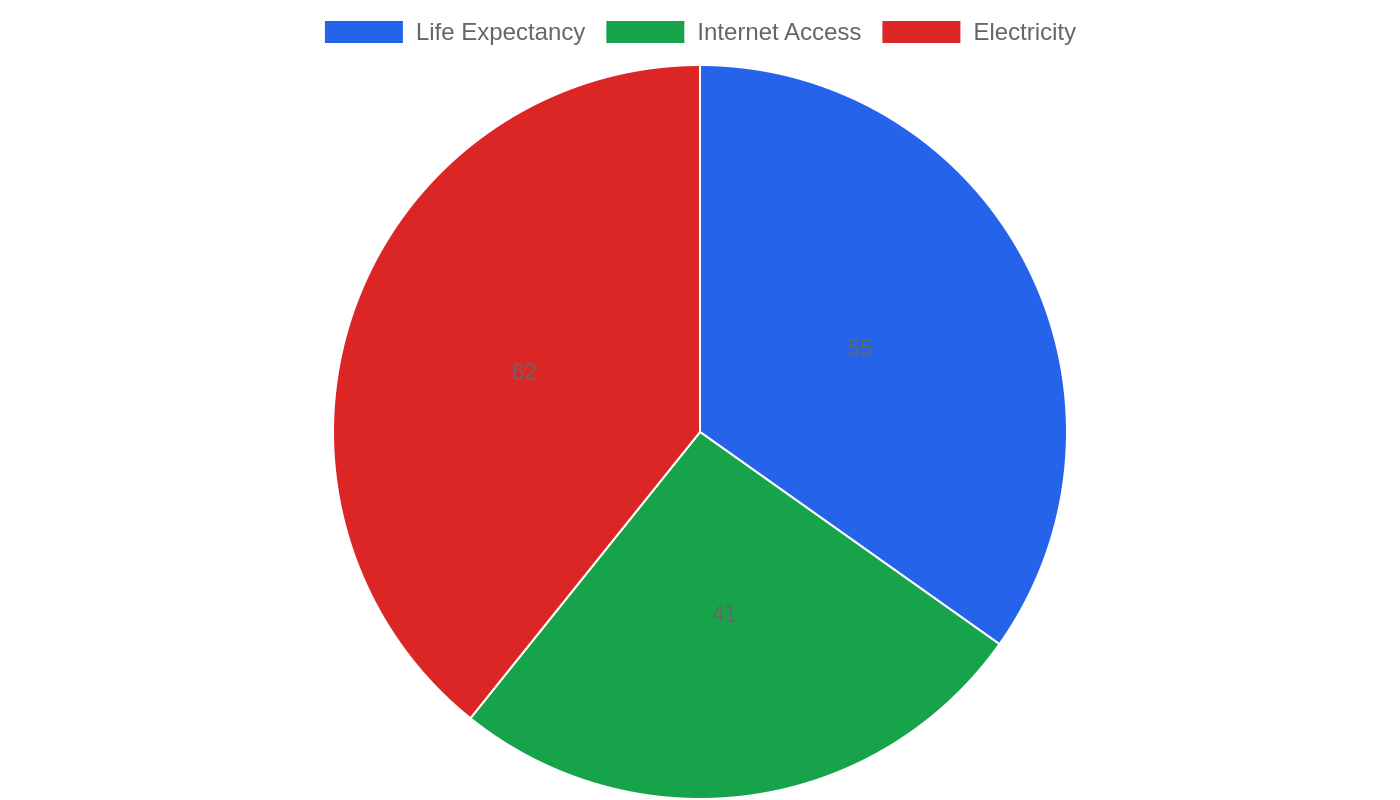
Economic Pulse Net | Sources: World Bank World Development Indicators, Government Sources | 2026
Key Takeaways
* Unique Political Status: Bermuda operates as an Overseas Territory of the United Kingdom, with executive authority vested in the British monarch and exercised by a Governor appointed by the British Government.
Financial Hub Dominance: The economy is heavily anchored by financial services, evidenced by major entities like the Bermuda Monetary Authority, Brookfield Infrastructure Partners, and multiple insurance giants such as Catlin Group.
Corporate Powerhouse: Home to globally significant corporations across consumer goods (Bacardi), industrials (Frontline Ltd., Golden Ocean Group), and professional services (Genpact, Fidelity International).
Data Transparency Gap: Specific macroeconomic indicators including GDP growth, inflation rates, unemployment figures, and population stats are currently listed as unavailable in standard World Bank datasets for this jurisdiction.
Recent Leadership Shift: The political landscape saw a notable transition in early 2025, with Andrew Murdoch sworn in as the new Governor on January 23, 2025, succeeding previous leadership structures.
Economic Architecture and Structural Dependencies
Bermuda’s economic profile presents a unique paradox for analysts: it is a high-value service economy that largely escapes the granular tracking of standard global metrics. While the World Bank data lists GDP growth, inflation CPI, and unemployment rates as “N/A,” this absence does not indicate economic stagnation but rather reflects the territory’s distinct classification and reporting structures within international databases.
Instead of relying on broad aggregate growth figures, one must look at the industrial composition to understand the pulse of the island. The economy is deeply integrated into global finance and shipping, serving as a critical node for capital management and maritime logistics.
Major players like Brookfield Infrastructure Partners and Butterfield Bank illustrate a robust financial sector that likely drives the majority of economic activity, even if specific percentage points of expansion are not publicly standardized in open-source reports. Similarly, the presence of heavy industrials like Frontline Ltd.
and Golden Ocean Group suggests a strong link to global trade routes, implying that the local economy is sensitive to international shipping trends rather than domestic manufacturing cycles. This structural reliance on high-end services means that traditional recession indicators may not capture the full picture of wealth generation or loss in the territory. Consequently, investors and researchers must pivot from looking for headline GDP numbers to analyzing the health of these specific corporate pillars.
The lack of a reported population figure further complicates per-capita analysis, forcing observers to rely on company revenues and industry output as proxies for overall economic vitality. Ultimately, Bermuda’s economic strength lies in its specialized niches—insurance, reinsurance, and international business—rather than in broad-based industrial production.
Cost of Living and Housing Dynamics
For residents and expatriates alike, navigating the cost of living in Bermuda requires an understanding of its isolated geography and high-income demographic. While specific inflation percentages and housing indices are not provided in the current dataset, the presence of premium multinational corporations implies a market where wages and prices are aligned with global standards rather than regional averages.
The dominance of financial institutions and luxury consumer brands like Bacardi suggests a retail environment tailored to high-net-worth individuals, which inherently drives up the baseline cost of daily expenses. Housing costs in such exclusive jurisdictions typically command a significant premium due to limited land availability and high demand from international professionals.
Without explicit rent-to-buy ratios or local inflation data, it is inferable that the cost structure is rigid and influenced by import dependencies given the territory’s status. Daily expenditures likely reflect the high operational costs associated with maintaining infrastructure in an overseas territory far from mainland supply chains.
Therefore, budgeting for life in Bermuda must account for a lifestyle that is disproportionately expensive compared to typical Caribbean neighbors, driven by the concentration of wealth and the logistical realities of island living. The absence of detailed consumer price data does not diminish the reality that Bermuda remains one of the more costly places to reside globally, a fact reinforced by the caliber of companies operating there.
Investment & Business Climate
The investment landscape in Bermuda is defined by its status as a premier jurisdiction for international business, particularly in insurance and reinsurance. The roster of top companies provides a clear map of where capital is concentrated and where opportunities lie. Entities such as the Bermuda Monetary Authority and Catlin Group highlight the regulatory and insurance frameworks that form the backbone of the commercial environment.
For foreign investors, the presence of Fidelity International and Genpact indicates a mature ecosystem capable of supporting complex financial operations and shared service centers. Meanwhile, the inclusion of Brookfield Infrastructure Partners signals ongoing development and modernization of the island’s physical assets, suggesting that infrastructure projects remain a viable avenue for capital deployment.
The industrial sector, represented by Golden Ocean Group and Frontline Ltd., offers exposure to global trade dynamics, providing diversification beyond pure financial services. This mix of consumer goods, financials, and industrials creates a balanced, albeit niche, investment portfolio potential. Businesses entering the market can expect a regulatory environment shaped by British oversight yet tailored to attract international capital.
The stability provided by the sovereign backing of the United Kingdom adds a layer of security that is often attractive to long-term institutional investors. However, the focus remains strictly on sectors where Bermuda has established competitive advantages, leaving little room for speculative ventures outside these core competencies.
Safety, Politics & Quality of Life
Political stability in Bermuda is derived from its constitutional relationship with the United Kingdom, which provides a familiar legal and administrative framework for residents and businesses alike. Executive authority rests with the British monarch, Charles III, but is practically exercised by the Governor, a role recently assumed by Andrew Murdoch following his swearing-in on January 23, 2025.
This transition marks a fresh chapter in governance, with Deputy Governor Tom Oppenheim assisting in the administration of state affairs. The appointment process, where the Governor is chosen by the King on the advice of the British Government, ensures that external diplomatic interests are aligned with local governance.
Regarding safety, while specific Crime and Safety Indices are listed as “N/A” in the provided data, the general reputation of Bermuda as a stable, wealthy jurisdiction implies a controlled environment conducive to high-quality living. The lack of published crime statistics does not necessarily indicate insecurity but rather a gap in public reporting standards common to many small territories.
Quality of life is likely bolstered by the economic prosperity generated by the aforementioned industries, which fund public services and maintain infrastructure. Residents benefit from a political system that combines local autonomy with the protection and prestige of British sovereignty. This dual identity offers a unique social contract, balancing local cultural preservation with international connectivity.
What’s Happening Now / Current Affairs
The most significant recent development in Bermuda’s political landscape is the inauguration of Andrew Murdoch as the new Governor on January 23, 2025. This change in leadership represents a pivotal moment for the territory, as the Governor holds substantial executive power despite the existence of a local government. The timing of this appointment, occurring just before the 2026 horizon, suggests a period of recalibration in how Bermuda interacts with both its local populace and the UK government.
With Tom Oppenheim serving as Deputy Governor, the administration is structured to ensure continuity during this transitional phase. Observers will be watching closely to see how Murdoch’s tenure impacts policy directions, particularly in areas of financial regulation and international cooperation. The shift in leadership may also influence the territory’s stance on emerging global issues, leveraging Bermuda’s position as a financial hub to navigate changing economic tides.
As the year progresses, the interplay between the new Governor’s directives and the existing corporate giants will define the immediate future of the island’s governance. Any reforms or policy shifts initiated under this new administration will likely have ripple effects throughout the financial and industrial sectors.
The Bottom Line
Bermuda should be watched by investors seeking stability through sovereign backing and exposure to specialized financial and industrial sectors. It is not a country for those seeking broad macroeconomic data transparency, but rather for those who understand value in niche, high-margin markets. The recent leadership change in early 2025 adds a layer of uncertainty and opportunity that merits close monitoring. For now, the territory remains a secure, albeit opaque, jewel in the crown of UK Overseas Territories.
Sources & Methodology
This article is authored by Economic Pulse Net for informational and research purposes. Economic Pulse Net sources its data from multilateral institutions, national statistics bureaus, and proprietary databases. All data is believed to be current as of the date of publication.
Published: October 28, 2026 | Category: Research — Bermuda
Use these signals in your own platform
Economic Pulse publishes its live signal feed through a documented, read-only API. Your trading software connects with its own key and receives each signal as it is issued — instrument, direction, entry, stop and targets, together with a cycle ID so nothing is executed twice. The feed is independent of this website and cannot change it.
Signals are informational only and are not financial advice.