Economic Pulse Net | Sources: World Bank World Development Indicators, Government Sources | 2026
Key Takeaways
* The UK economy is projected to grow at a modest pace of 1.39% in 2025, reflecting a period of stabilization rather than rapid expansion.
Inflation remains a persistent challenge for households, with CPI recorded at approximately 3.88%, hovering above central bank targets.
The labor market shows resilience with an unemployment rate of 4.746%, indicating steady job availability despite economic headwinds.
As a centralized unitary state under the Westminster system, the UK’s political structure provides a stable framework for its $4 trillion GDP.
High income levels persist, with a GNI per capita of $54,550 and a PPP-adjusted GDP per capita exceeding $64,600, signaling strong individual purchasing power.
Economic Pulse: Growth Amidst Stagnation
The United Kingdom’s economic trajectory in the near term is defined by cautious optimism tempered by structural constraints. According to World Bank data, the nation’s GDP growth is projected at 1.388% for 2025, a figure that suggests the post-pandemic recovery has settled into a phase of gradual consolidation rather than explosive rebound. This modest expansion is supported by a total GDP valued at roughly $4.002 trillion USD, underscoring the UK’s status as one of the world’s largest advanced economies.
However, this growth occurs against a backdrop of sticky inflation; the Consumer Price Index (CPI) stands at 3.883%, meaning that while price hikes have slowed from previous peaks, the cost of living continues to erode real wage gains for many citizens. Employment remains a bright spot, with the unemployment rate holding steady at 4.746%, which indicates a tight labor market where businesses are still competing for talent.
For the average citizen, the economic reality is mixed: while the national output is substantial, the distribution of wealth is reflected in a high GNI per capita of $54,550 and a PPP GDP per capita of $64,606. These figures highlight that while the aggregate economy is robust, individual prosperity varies significantly across regions and sectors, requiring policymakers to balance growth incentives with social welfare support.
Cost of Living: The Squeeze on Households
For residents and expatriates alike, the United Kingdom presents a complex picture regarding daily expenses and housing affordability. With inflation lingering at nearly 3.9%, the baseline cost of essential goods and services has risen, placing pressure on household budgets even as headline inflation rates cool.
While specific rental and housing indices are not detailed in the current dataset, the high GDP per capita of over $64,600 suggests that overall consumption levels remain elevated compared to global averages. However, the disparity between national income metrics and local realities often means that major urban centers like London face disproportionate cost pressures.
The combination of moderate economic growth and persistent inflation creates a scenario where savings rates may be constrained, forcing consumers to prioritize essential spending over discretionary items. Consequently, the “cost of living” crisis, while easing in severity, remains a central concern for the British public, influencing everything from grocery shopping habits to long-term financial planning.
Investment & Business Climate: A Stable Powerhouse
Investing in the United Kingdom offers access to one of the most sophisticated financial markets in the world, anchored by a massive $4 trillion economy. The business environment is shaped by the country’s role as a global hub for finance, technology, and professional services, although specific top company names and industry breakdowns are not provided in the current data set.
What is clear is that the high GNI per capita of $54,550 reflects a highly developed consumer base with significant disposable income, making it an attractive market for foreign direct investment. The political stability inherent in the Westminster system provides a predictable regulatory environment, which is crucial for long-term capital allocation.
Investors should note that while the labor market is active with low unemployment, the prevailing inflation rate of 3.88% necessitates careful pricing strategies and margin management. The UK’s position as a centralized unitary state also simplifies certain aspects of doing business, as regulations are uniform across the jurisdiction, reducing the complexity often found in federal systems.
Safety, Politics & Quality of Life: Governance and Stability
The United Kingdom operates as a constitutional monarchy and parliamentary democracy, utilizing the historic Westminster system which places sovereignty firmly with Parliament. This political structure, comprising the elected House of Commons, the appointed House of Lords, and the Crown, ensures a balanced approach to legislation and governance.
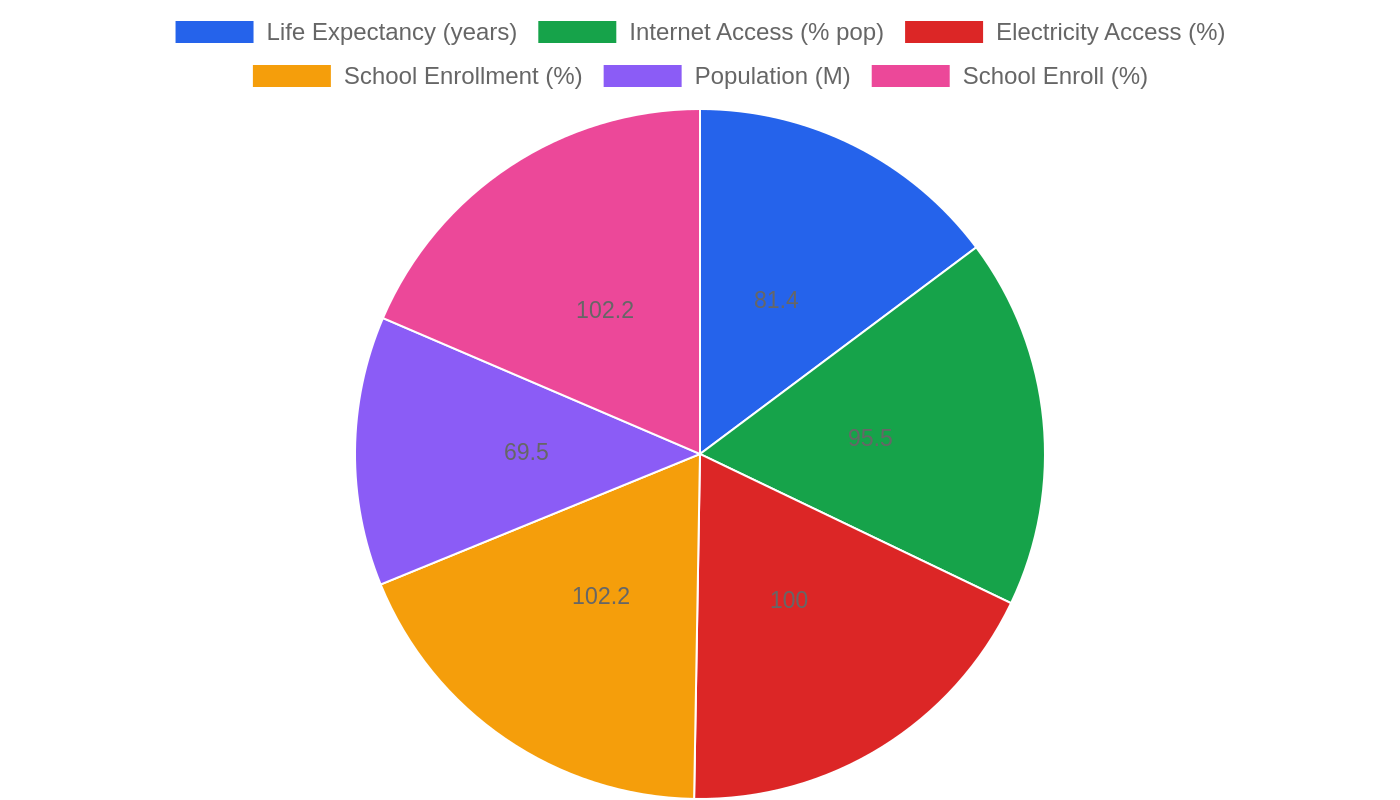
From a safety perspective, crime and safety indices are currently listed as N/A, which prevents a quantitative assessment of personal security risks; however, the general political climate appears stable given the enduring nature of these democratic institutions. The quality of life is generally high, supported by the nation’s substantial wealth, evidenced by a population of nearly 69.5 million people sharing a multi-trillion-dollar economic engine.
The centralized nature of the state allows for cohesive national policies on healthcare, education, and infrastructure, contributing to overall societal well-being. While specific happiness metrics are not available, the high per capita income suggests that material standards of living are among the highest globally, providing a foundation for social stability.
What’s Happening Now: Policy and Perception
Currently, the focus for the UK economy lies in managing the delicate balance between controlling inflation and sustaining growth. With the CPI at 3.88%, monetary policy remains a critical tool for the Bank of England, likely keeping interest rates at levels that discourage excessive borrowing while supporting mortgage holders. The political landscape is dominated by the ongoing operations of the Westminster Parliament, where debates over fiscal responsibility and public spending are frequent.
Given the modest 1.39% growth forecast, there is likely intense scrutiny on government efficiency and private sector productivity to ensure the economy does not slip into stagnation. Businesses are adapting to a higher-cost environment, with many focusing on operational efficiencies to maintain margins amidst the 3.88% inflation rate.
Furthermore, the stable unemployment rate of 4.746% suggests that the labor market is absorbing shocks well, though wage negotiations may remain contentious as workers seek to keep pace with rising prices. The interplay between political decisions in London and economic outcomes across the nation will define the next chapter of the UK’s economic narrative.
The Bottom Line
The United Kingdom remains a premier destination for investors and businesses seeking stability within a large, advanced economy. Its strengths lie in a robust financial sector, a highly educated workforce, and a political system that has proven resilient over centuries. However, stakeholders must navigate the challenges of persistent inflation and modest growth projections, which require strategic patience and adaptability.
For those looking to engage with the UK market, the key is to leverage the high per capita income while mitigating the risks associated with cost-of-living pressures. Ultimately, the UK offers a mature, albeit cautious, economic environment suitable for long-term commitment.
Sources & Methodology
This article is authored by Economic Pulse Net for informational and research purposes. Economic Pulse Net sources its data from multilateral institutions, national statistics bureaus, and proprietary databases. All data is believed to be current as of the date of publication.
Published: September 28, 2026 | Category: Research — United Kingdom
Use these signals in your own platform
Economic Pulse publishes its live signal feed through a documented, read-only API. Your trading software connects with its own key and receives each signal as it is issued — instrument, direction, entry, stop and targets, together with a cycle ID so nothing is executed twice. The feed is independent of this website and cannot change it.
Signals are informational only and are not financial advice.