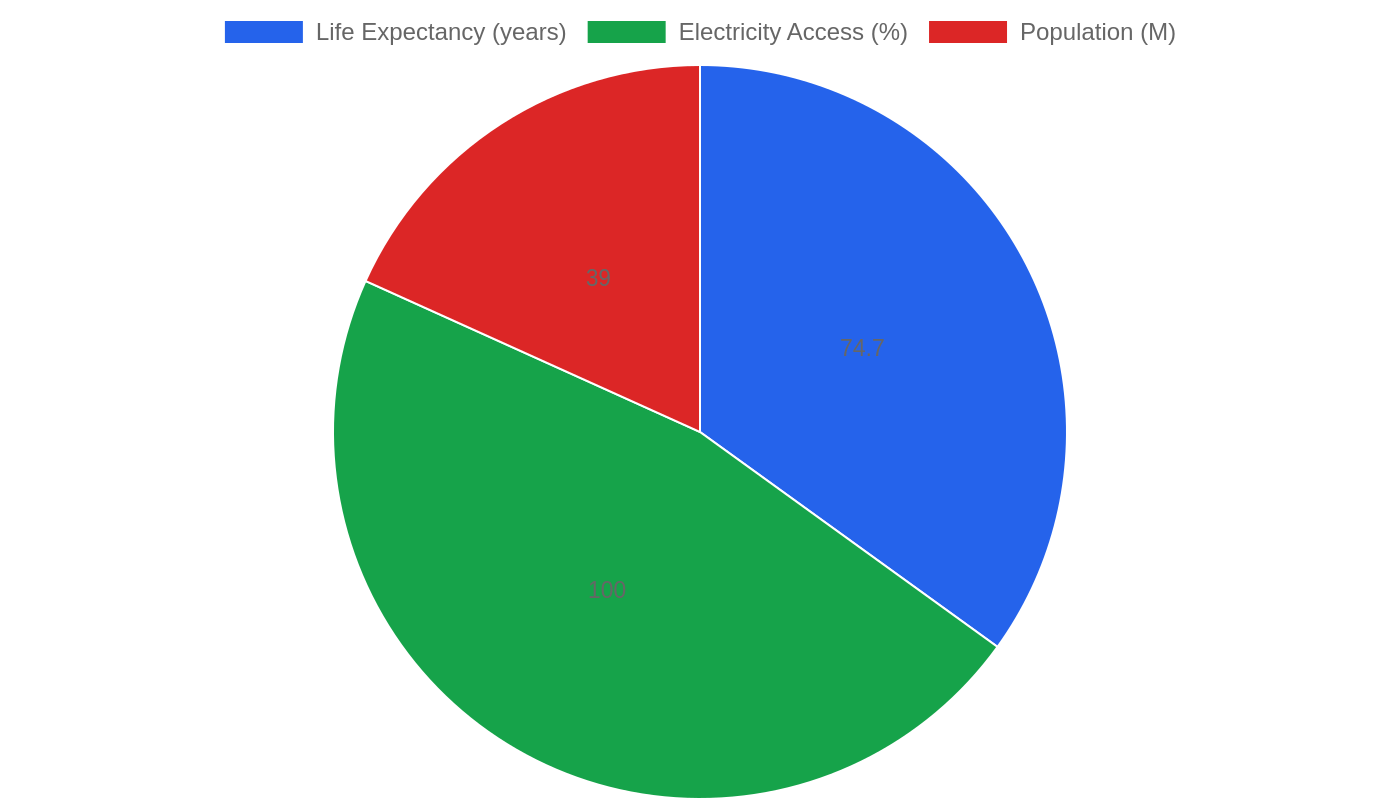
Economic Pulse Net | Sources: World Bank World Development Indicators, Government Sources | 2026
Key Takeaways
– Ukraine’s economic trajectory remains deeply intertwined with the ongoing war, with key industrial assets like the Azovstal Iron and Steel Works either destroyed or under occupation, representing a massive loss in productive capacity.
– The nation is undergoing a forced and rapid structural transformation, pivoting from heavy industry towards a more service-oriented and tech-driven economy, though the World Bank currently lists its key economic indicators as unquantified.
– A resilient private sector persists, anchored by major consumer services and retail giants like ATB-Market and Amstor, which continue to operate and adapt to wartime logistics and demand.
– The political system, a semi-presidential republic with distinct legislative, executive, and judicial branches, is operating under the immense strain of martial law, but its constitutional framework remains intact.
– For investors, the current climate is one of extreme risk and high potential reward, centered on reconstruction, defense-tech, and the modernization of critical infrastructure.
The Unquantified Economy: A Portrait of Resilience
The World Bank’s latest data release for Ukraine presents a stark statistical void: GDP growth, inflation, unemployment, and even GDP per capita are all listed as N/A%. In typical economic journalism, this would be a data failure. For Ukraine, it is the story itself. A nation at war cannot produce reliable macroeconomic figures; its statistical agencies are repurposed, its territory is divided, and its economic activity is often informal or shifted to military production.
This absence of data is not a lack of information, but a testament to the profound disruption of a modern economy under siege.
Before the full-scale invasion, Ukraine was a significant exporter of agricultural commodities and a major producer of steel. The inclusion of Azovstal Iron and Steel Works in the list of top companies is a poignant reminder of what was lost. The plant, once a symbol of industrial might in Mariupol, is now a ruin. Its destruction represents a massive contraction in the industrial sector, a blow that has forced the economy to find new engines of survival.
The other industrial giants on the list, such as the Bogdan group (automobiles and buses) and Antonov (aviation), face the dual challenge of damaged facilities and disrupted supply chains, yet their continued presence in the corporate registry signals an intent to survive and eventually rebuild.
The reality is that Ukraine’s GDP is now heavily reliant on international financial aid to cover basic state functions, from paying pensions to funding the military. Inflation, while not officially recorded, is a palpable daily pressure, driven by the cost of logistics, energy shortages, and the devaluation of the hryvnia. Unemployment, too, is a silent crisis, with millions displaced internally or having fled abroad.
The “N/A” figures are not a mystery; they are a measure of a nation whose economic lifeblood is being spent on survival, with the promise of a post-war economic renaissance hanging in the balance.
The High Price of Survival: Housing and Daily Life
For the average Ukrainian, the cost of living is no longer a matter of comparing supermarket prices. It is a daily calculation of survival. While the World Bank does not provide a specific cost-of-living index for Ukraine in this data set, the economic logic of wartime dictates the conditions. The destruction of housing stock in cities like Mariupol, Kharkiv, and Bucha has created an acute housing crisis, with millions of people internally displaced.
Rents in relatively safer western cities like Lviv and Uzhhorod have skyrocketed, while the concept of “buying” a home has become nearly irrelevant for most, as the future remains too uncertain for long-term mortgage commitments.
Daily expenses are dominated by the cost of energy. With the energy grid under constant threat of attack, the price of heating, electricity, and fuel for generators has become a primary household expenditure. The consumer services giants on the list, ATB-Market and Amstor, have become lifelines, adapting their supply chains to keep essential goods flowing. However, their prices reflect the increased cost of logistics, damaged roads, and the risks of transporting goods across a warzone.
For those in occupied territories, the economy is even more distorted, often reverting to barter and a reliance on humanitarian aid. The cost of living in Ukraine is not just high; it is volatile, unpredictable, and fundamentally tied to the security situation on any given day.
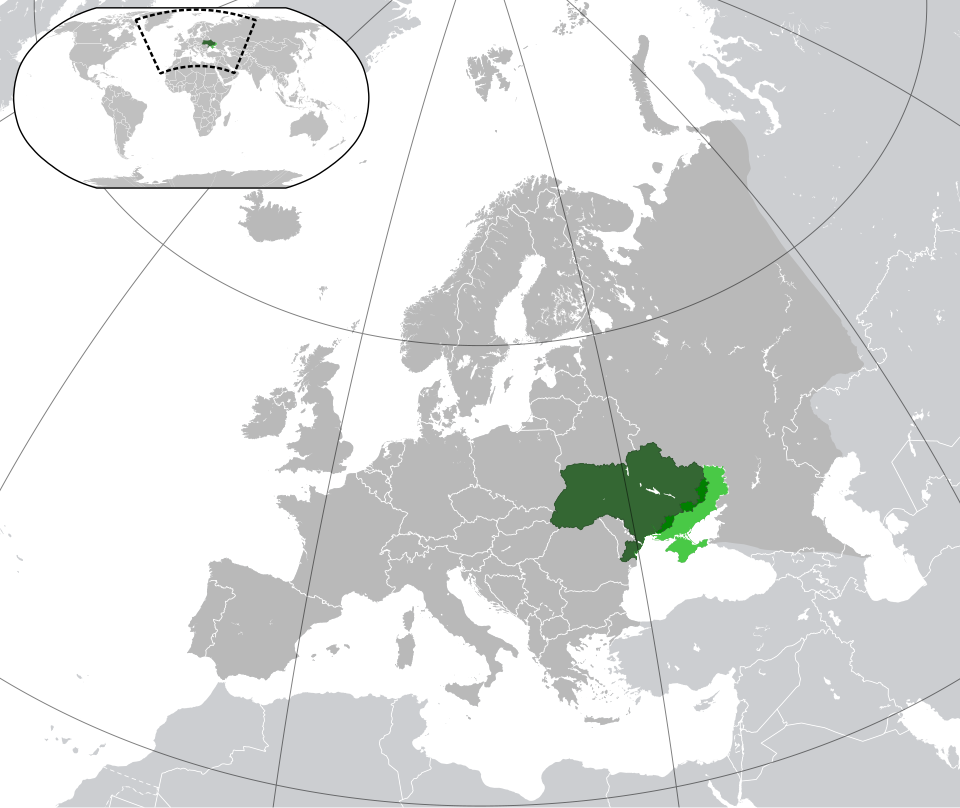
The Bet on Reconstruction: Investment and the Corporate Vanguard
The investment climate in Ukraine is a paradox. On one hand, it is an environment of extreme peril, with physical assets at risk of destruction and the legal framework subject to martial law. On the other hand, it represents one of the most significant reconstruction opportunities in Europe since the end of World War II. The companies listed as “top” are not necessarily the most profitable, but the most resilient.
The financial sector, represented by APEKS-BANK, ASKA Insurance, and BG Capital, is operating under extraordinary conditions, managing liquidity, facilitating government payments, and laying the groundwork for future credit markets.
The sectors to watch are not the traditional heavy industries of the past, but rather defense-tech, agricultural modernization, and digital infrastructure. The industrial base that remains, such as the Berdichev machine-building plant and Aeros, is likely being repurposed for defense manufacturing. The real investment opportunity lies in the future: the rebuilding of roads, bridges, housing, and the energy grid. This will require a massive influx of private capital alongside public funds.
For now, the business environment is one of survival and strategic positioning. Companies that can navigate the current chaos, maintain their workforce, and secure their supply chains will be the ones best placed to lead the reconstruction boom. The government, despite the war, is working on legal reforms to improve transparency and align with EU standards, a signal to international investors that the post-war playing field will be modernized.
A Republic Under Duress: Safety and the Political System
Ukraine operates as a semi-presidential republic, a system designed to balance power between the president, the prime minister, and a parliament. This constitutional structure, with its separate legislative, executive, and judicial branches, has proven remarkably durable under the existential threat of war. The political landscape is defined by national unity against an external aggressor, with political opposition largely suspended in favor of a wartime coalition.
The government’s legitimacy remains intact, and the judicial system, while overburdened, continues to function, handling cases ranging from corruption to collaboration with the enemy.
The crime and safety indices are understandably listed as N/A, as traditional metrics of public safety are meaningless in a warzone. Daily safety is determined by air raid sirens, the proximity of the front line, and the effectiveness of air defense. However, it is notable that wartime has, in some ways, led to a decrease in certain types of petty crime, as the population is united in a common cause and the state has mobilized to maintain order.
The quality of life is severely diminished by constant stress, displacement, and grief, yet a strong sense of civic solidarity and national identity prevails. The political system, though strained, is functioning, and the nation’s commitment to its democratic institutions is a key factor in its continued international support.
The Battle for Economic Normalcy: What’s Happening Now
The most pressing economic news from Ukraine today is not a GDP figure, but the daily struggle to keep the state solvent and the economy from collapsing entirely. The government is in a constant state of financial triage, negotiating with international partners for budget support to cover pensions and salaries. The central bank is managing a tightly controlled currency regime, preventing a full-scale financial panic.
The energy sector is the current battleground, with Russian strikes targeting power plants and the grid. The response is a decentralized effort, with smaller, mobile gas turbines being deployed to create a more resilient energy system—a pragmatic, wartime innovation that will shape the country’s future energy policy.
On the business front, there is a palpable shift towards a “war economy” model. Companies like the Bogdan group are reportedly involved in producing equipment for the military, while IT firms are seeing a boom in defense-tech contracts. The agricultural sector is attempting a fragile revival, with farmers risking their lives to plant and harvest crops in fields that may be mined or under fire.
Meanwhile, the government is actively preparing for the future, working on reconstruction plans for cities and developing legal frameworks for war-risk insurance to attract foreign investors. The economy is not waiting for the war to end to transform; it is being reshaped in real-time, creating a new industrial landscape that will define Ukraine for decades to come.
The Bottom Line
Ukraine is the highest-stakes economic story in the world today. For risk-tolerant investors, it offers a first-mover advantage in a reconstruction market that will be worth hundreds of billions of dollars. For policymakers and global institutions, it is a test case for how to rebuild a modern nation from the ashes of war.
For the casual observer, it is a profound lesson in economic resilience, showing that a nation’s wealth is not defined by its GDP alone, but by the tenacity of its people and the strength of its institutions. This is a country to watch not for the numbers it is producing today, but for the future it is fighting to build.
Sources & Methodology
This article is authored by Economic Pulse Net for informational and research purposes. Economic Pulse Net sources its data from multilateral institutions, national statistics bureaus, and proprietary databases. All data is believed to be current as of the date of publication.
Published: August 01, 2026 | Category: Research — Ukraine
Use these signals in your own platform
Economic Pulse publishes its live signal feed through a documented, read-only API. Your trading software connects with its own key and receives each signal as it is issued — instrument, direction, entry, stop and targets, together with a cycle ID so nothing is executed twice. The feed is independent of this website and cannot change it.
Signals are informational only and are not financial advice.