Economic Pulse Net | Sources: World Bank World Development Indicators, Government Sources | 2026
Key Takeaways
* Moderate Growth Amidst Volatility: The World Bank projects a GDP growth rate of approximately 1.82% for 2025, signaling a fragile but positive trajectory for the Ukrainian economy despite ongoing structural challenges.
Persistent Inflationary Pressure: With an inflation CPI hovering around 12.73%, price stability remains a critical hurdle for consumers and policymakers alike, impacting purchasing power significantly.
Labor Market Dynamics: An unemployment rate of 9.834% reflects the complex interplay between wartime disruptions and economic adaptation, highlighting the need for targeted employment strategies.
Industrial Backbone: Key sectors such as industrials, financials, and consumer services are anchored by major entities like Bogdan group, Antonov, and ATB-Market, which continue to drive domestic activity.
Economic Resilience in a Shifting Landscape
The macroeconomic picture for Ukraine presents a narrative of cautious recovery rather than explosive expansion. According to the World Bank, the nation’s Gross Domestic Product (GDP) is valued at approximately $214.23 billion USD, providing a substantial base for economic activity even as the country navigates significant external pressures. For 2025, the projected GDP growth stands at 1.82152376756284%, a figure that underscores a slow but steady re-engagement with global markets.
This modest growth rate is particularly notable when viewed against the backdrop of high inflation, which the World Bank reports at 12.7303341026902%. Such elevated price levels erode real wages and complicate monetary policy efforts, requiring central banks to balance growth stimulation with price stabilization. Meanwhile, the labor market shows an unemployment rate of 9.834%, indicating that while job creation is occurring, it has not yet fully absorbed the available workforce or offset previous losses.
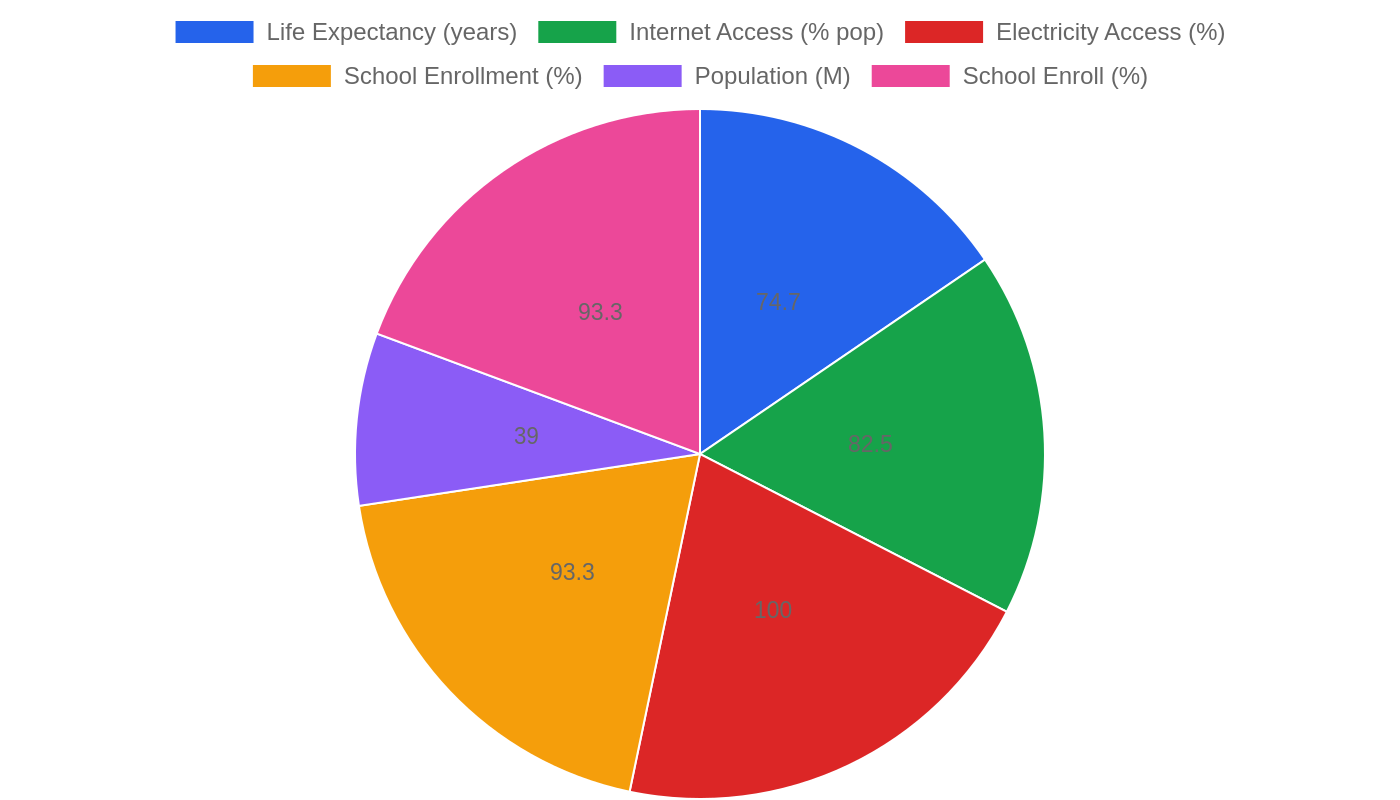
On a per-capita basis, the data reveals a stark contrast: while the GNI per capita is recorded at $5,510.0, the GDP per capita measured in Purchasing Power Parity (PPP) terms rises to $18,904.98046875. This disparity highlights the importance of adjusting for local cost structures when assessing living standards, suggesting that the actual consumption capacity of Ukrainians may be higher than nominal income figures alone would imply.
Understanding these metrics is essential for investors looking beyond headline numbers to grasp the true health of the Ukrainian economy.
The Real Cost of Living and Housing Pressures
For residents and expatriates alike, the daily reality of living in Ukraine is heavily influenced by the current inflationary environment. With consumer prices rising at nearly 12.73%, the affordability of basic goods and services has become a primary concern for households across the nation. While specific housing rent indices are not detailed in the provided datasets, the broader cost of living adjustments suggest that discretionary spending is under considerable strain.
The PPP-adjusted GDP per capita of roughly $18,905 offers a more nuanced view of economic well-being, implying that while nominal incomes may appear low relative to Western Europe, the relative cost of local goods and services provides some buffer. However, this buffer is tested by the 9.834% unemployment rate, which limits household income stability for nearly one in ten working-age individuals.
Consequently, budgeting for essentials requires careful management, as the gap between income growth and inflation remains a persistent challenge. Consumers must navigate a landscape where price volatility dictates purchasing decisions, making savings rates difficult to maintain without significant income increases.
Investment Opportunities and Corporate Landscape
Despite the challenging macroeconomic headwinds, Ukraine possesses a robust corporate sector driven by key industrial and service-oriented players. The business environment is characterized by a diverse mix of industries, with the “Industrials” sector featuring prominent names such as Aeros, Antonov, Berdichev machine-building plant, and the Bogdan group.
These companies represent critical nodes in the supply chain, particularly in manufacturing and heavy industry, offering potential avenues for investment in infrastructure and production capabilities. In the financial sector, institutions like APEKS-BANK, ASKA Insurance Company, and BG Capital provide the necessary liquidity and risk management tools for business operations.
Meanwhile, the consumer services sector is supported by major retailers and service providers including Amstor and ATB-Market, which cater to the everyday needs of the population. Additionally, the presence of Azovstal Iron and Steel Works in the basic materials sector underscores Ukraine’s historical strength in resource processing and metallurgy.
For international observers, these entities signal areas where domestic demand remains resilient, creating opportunities for both local partnerships and foreign direct investment in stable, established firms.
Political Stability and Safety Considerations
Navigating the socio-political context of Ukraine requires an understanding of its governance structure and safety metrics. Politically, the nation operates as a republic under a semi-presidential system, featuring distinct legislative, executive, and judicial branches that share power and responsibility. This framework aims to ensure checks and balances, although the operational dynamics of such a system can be complex during times of national crisis.
Regarding personal security, current data indicates that Crime Index and Safety Index figures are marked as N/A, reflecting either data collection limitations or the unique nature of security assessments in the current climate. Without specific numerical ratings on safety, prospective residents and businesses must rely on localized intelligence and government advisories rather than broad statistical indices.
The absence of clear crime statistics does not necessarily imply high or low danger, but rather highlights a gap in standardized reporting that complicates risk assessment for outsiders. Quality of life, therefore, becomes highly dependent on individual location and situational awareness, as general national averages cannot accurately predict local conditions.
Current Affairs and Policy Trajectories
The immediate economic outlook for Ukraine is defined by the tension between projected growth and persistent inflationary forces. As the country moves through 2025, policymakers are likely focused on curbing the 12.73% inflation rate while supporting the modest 1.82% GDP growth forecast. This dual objective requires delicate fiscal and monetary interventions aimed at stabilizing the currency and protecting consumer purchasing power.
Simultaneously, the government must address the 9.834% unemployment rate through labor market reforms and incentives for job creation in key sectors like industrials and consumer services. The performance of major corporations such as Bogdan group and ATB-Market will serve as barometers for this economic adjustment, with their ability to maintain output and employment levels influencing broader economic confidence.
Furthermore, the distinction between the low GNI per capita ($5,510) and higher PPP-adjusted GDP per capita ($18,905) suggests that internal economic policies may be increasingly focused on improving real living standards rather than just nominal output. Stakeholders are watching closely to see how effectively the state can leverage its semi-presidential system to implement cohesive economic reforms amidst these competing priorities.
The Bottom Line
Ukraine represents a case study in economic resilience, where moderate growth coexists with significant inflationary and labor market challenges. Investors should focus on established players in the industrial and consumer sectors, as these companies demonstrate enduring demand despite macroeconomic volatility. While safety data gaps require careful due diligence, the structured political system and diverse corporate landscape offer tangible entry points for long-term engagement.
Ultimately, this is a market best suited for those willing to navigate complexity in exchange for exposure to a recovering emerging economy.
Sources & Methodology
This article is authored by Economic Pulse Net for informational and research purposes. Economic Pulse Net sources its data from multilateral institutions, national statistics bureaus, and proprietary databases. All data is believed to be current as of the date of publication.
Published: October 14, 2026 | Category: Research — Ukraine
Use these signals in your own platform
Economic Pulse publishes its live signal feed through a documented, read-only API. Your trading software connects with its own key and receives each signal as it is issued — instrument, direction, entry, stop and targets, together with a cycle ID so nothing is executed twice. The feed is independent of this website and cannot change it.
Signals are informational only and are not financial advice.