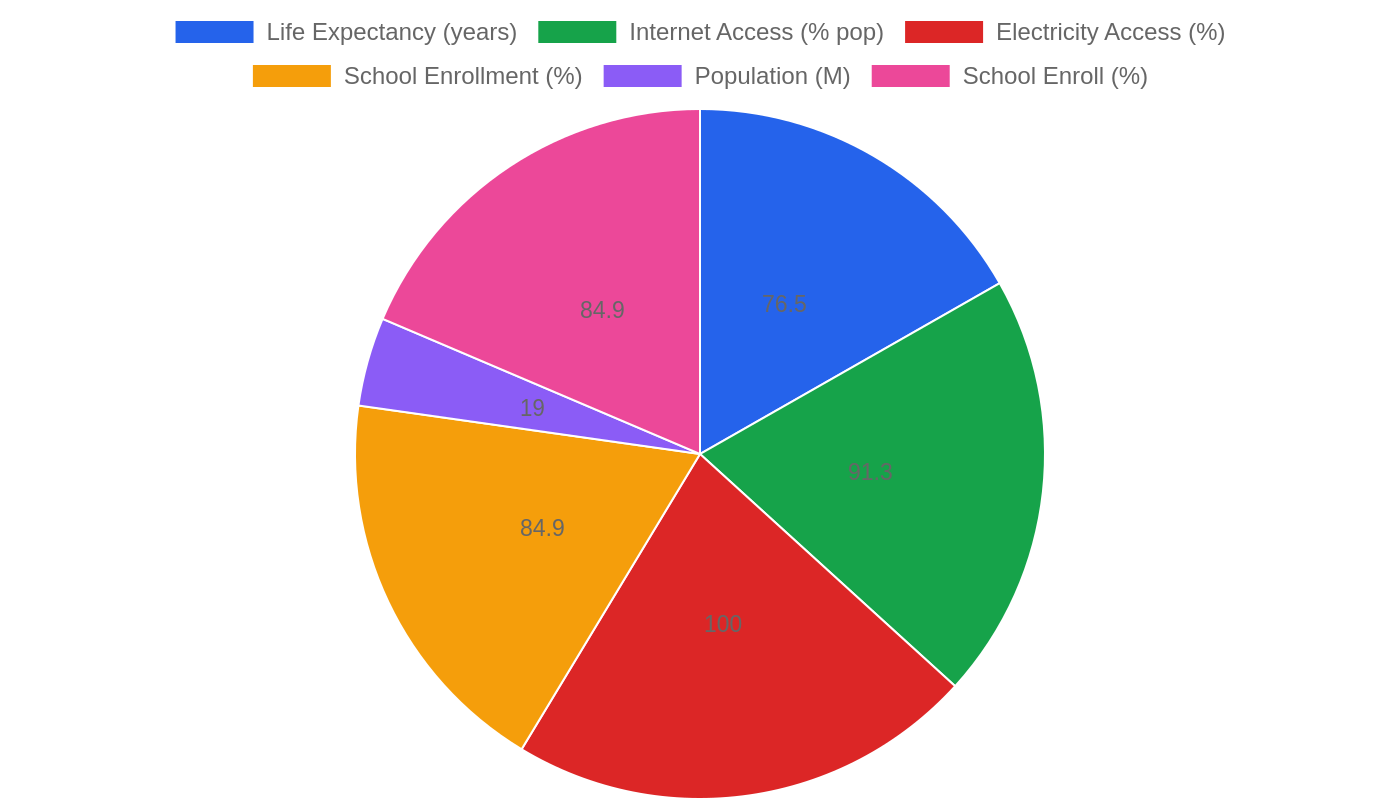
Economic Pulse Net | Sources: World Bank World Development Indicators, Government Sources | 2026
Key Takeaways
– Romania’s economy, valued at approximately $428.7 billion according to the World Bank, remains one of Eastern Europe’s most dynamic yet structurally challenged markets.
– Inflation continues to bite at 7.19%, well above the European Central Bank’s comfort zone, squeezing household budgets and complicating monetary policy.
– Unemployment stands at a relatively low 5.99%, suggesting a tight labour market, but wage growth is struggling to keep pace with rising prices.
– The political system—a semi-presidential republic with an active civil society—faces growing pressure to deliver reforms while managing public discontent over living costs.
– Major homegrown companies like Bitdefender and Banca Transilvania signal a shifting economy, but reliance on traditional sectors like automotive manufacturing remains high.
The Growth Paradox — Why 7% Inflation Undermines a $428 Billion Economy
Romania’s economy, as measured by the World Bank, sits at just under $429 billion in GDP—a figure that places it among the larger economies in Central and Eastern Europe. But the headline number masks a more complicated reality. With inflation running at 7.19%, according to the same World Bank data, the purchasing power of Romanian households is being steadily eroded. This is not hyperinflation by any means, but it is persistent enough to create a drag on consumer confidence and domestic demand.
The unemployment rate of 5.99% tells a story of a labour market that is, on paper, reasonably healthy. However, economists would caution that low unemployment combined with high inflation often points to structural bottlenecks—skills shortages, mismatches between labour supply and demand, or wage-price spirals that central banks struggle to control.
Romania’s economy is heavily anchored in manufacturing, particularly automotive production through companies like Automobile Dacia, which remains a flagship exporter. Yet the industrial base is narrow, and the transition toward higher-value services and technology is still a work in progress.
The World Bank data does not provide GDP growth figures for the latest period, which in itself is telling. When a national statistics bureau or international institution withholds or delays growth numbers, it often signals either revision volatility or a period of economic flux. What is clear is that Romania is navigating a delicate balancing act: trying to sustain growth while taming inflation, and attempting to modernise its industrial base without triggering social unrest.
The numbers suggest an economy that is resilient but not yet robust, and certainly not immune to external shocks.
The Cost of Living Crunch — Rent, Groceries, and the Squeeze on Ordinary Romanians
For the average Romanian household, the 7.19% inflation figure is not an abstract data point—it is felt every time they visit the supermarket or pay the monthly utility bill. While the World Bank data does not provide a detailed breakdown of housing costs or rental prices, regional context is instructive. Across Central and Eastern Europe, housing affordability has deteriorated sharply since the post-pandemic recovery, and Romania is no exception.
Cities like Bucharest, Cluj-Napoca, and Timișoara have seen property prices climb steadily, driven by demand from both local buyers and foreign investors.
The rent-versus-buy calculation has shifted in recent years. With mortgage rates rising in response to inflationary pressure, homeownership has become more expensive for first-time buyers, pushing more people into the rental market. That increased demand, in turn, has pushed rents higher. Daily expenses—food, transport, energy—have also risen, and while wage growth has occurred, it has not kept pace with the inflation rate reported by the World Bank.
The result is a cost-of-living crisis that is particularly acute for younger workers and those on fixed incomes.
What makes Romania’s situation distinctive is the gap between urban and rural costs. In major cities, the cost of living approaches levels seen in Western European capitals, while rural areas remain significantly cheaper but offer fewer economic opportunities. This internal disparity fuels migration toward urban centres, further straining housing markets and infrastructure. For now, the data suggests a country where economic growth has not yet translated into widespread affordability.
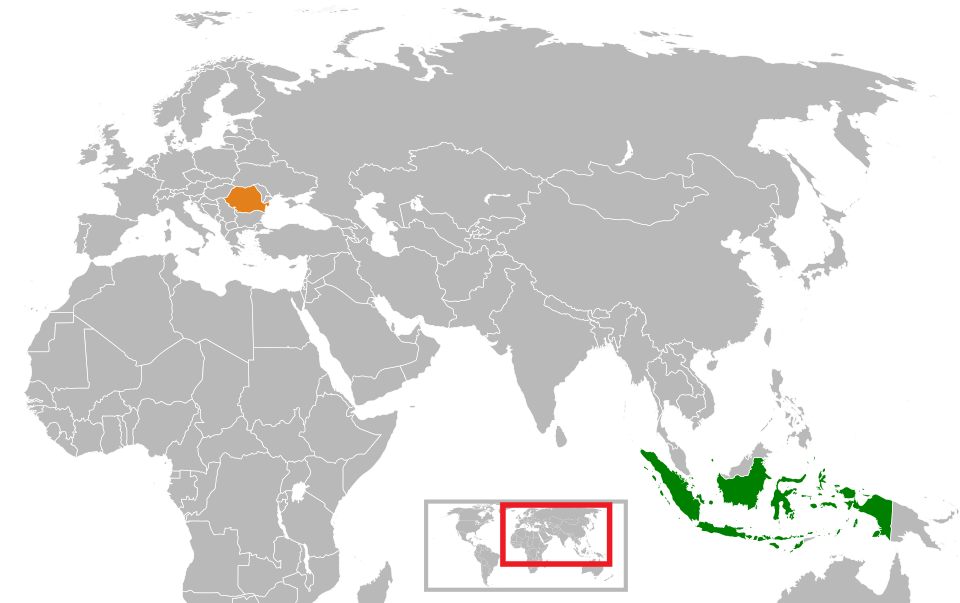
Business and Investment — From Dacia to Bitdefender, Romania’s Corporate Landscape
Romania’s corporate sector is a study in contrasts. On one hand, you have legacy industrial giants like Automobile Dacia, a subsidiary of Renault, which anchors the country’s manufacturing base and remains a major employer. On the other, you have technology firms like Bitdefender, a global cybersecurity powerhouse that has put Romania on the map for innovation and digital services. This duality—old economy versus new economy—defines the investment climate.
The financial sector is well-represented by Banca Comercială Română and Banca Transilvania, both of which are deeply integrated into the European banking system. Their presence signals a mature, regulated financial environment, though challenges remain in terms of credit access for small and medium enterprises.
Consumer services companies like Adevărul Holding and Blue Air reflect a domestic market that is active but volatile—Blue Air, for instance, has faced operational turbulence in recent years, highlighting the fragility of the aviation sector in a high-inflation environment.
For investors, Romania offers a compelling mix: a large domestic market, a strategic location at the crossroads of Europe and the Black Sea, and a workforce that is increasingly educated and tech-savvy. The presence of companies like Antibiotice Iași in the healthcare sector also points to opportunities in pharmaceuticals and life sciences. However, the business climate is not without friction. Bureaucracy, corruption perceptions, and inconsistent regulatory enforcement remain concerns.
The World Bank data does not provide a detailed ease-of-doing-business ranking, but the corporate landscape suggests that while Romania is open for business, navigating it requires patience and local knowledge.
Safety, Politics, and the Quality of Life Equation
The World Bank data does not include a crime index or safety index for Romania, which makes it difficult to offer a precise assessment of public security. However, the country’s political structure is well-documented. Romania is a unitary semi-presidential representative democratic republic, according to the data provided.
The President, elected by popular vote, serves as head of state and supreme commander of the armed forces, while the Prime Minister, appointed by the President and confirmed by Parliament, oversees the executive branch.
This dual-executive system can sometimes create friction between the presidency and the government, particularly when the two offices are held by rival political factions. Romania has an active civil society, which acts as a check on political power and has been instrumental in pushing for anti-corruption reforms. However, political instability has been a recurring theme, with frequent changes in government and occasional constitutional crises.
Quality of life in Romania is a mixed picture. The country has made significant strides since joining the European Union, with improvements in infrastructure, public services, and access to education. Yet the inflation data from the World Bank suggests that economic pressures are weighing on everyday life. Romanians generally report moderate levels of life satisfaction, but the gap between urban and rural quality of life remains wide.
For now, the political system is stable enough to function, but the economic headwinds are testing its resilience.
What’s Happening Now — Inflation, Policy, and the Search for Stability
The most pressing issue facing Romania today is inflation. At 7.19%, according to the World Bank, price growth remains stubbornly above the central bank’s target range. This has forced policymakers into a difficult position: raise interest rates further to cool the economy, or hold steady and risk entrenched inflation expectations. The national statistics bureau has not yet released updated GDP growth figures, which adds an element of uncertainty to the policy debate.
On the political front, the government is under pressure to deliver on reform commitments tied to European Union funding. Romania is a significant beneficiary of EU structural funds, and access to that money is conditional on progress in areas like judicial independence, anti-corruption measures, and public procurement transparency. Any backsliding could jeopardise billions of euros in development aid, which would have serious implications for infrastructure projects and social programmes.
Meanwhile, the labour market remains tight, with unemployment at 5.99%. Employers in sectors like IT, construction, and manufacturing are struggling to find skilled workers, which is driving up wages but also contributing to cost-push inflation. The government has considered measures to encourage labour force participation, including tax incentives and retraining programmes, but the impact has been limited so far.
For the average Romanian, the immediate future looks like more of the same: rising prices, steady employment, and a political system that is trying—but not always succeeding—to keep up.
The Bottom Line
Romania is a country of significant economic potential, but it is currently trapped in a high-inflation, moderate-growth equilibrium that is testing the patience of its citizens and the credibility of its policymakers. Investors should watch this market for its strategic location, skilled workforce, and emerging tech sector, but they should also be prepared for volatility and regulatory complexity.
For the Romanian people, the next year will be defined by whether their government can tame inflation without triggering a recession—a delicate balancing act that will determine the country’s trajectory for years to come.
Sources & Methodology
This article is authored by Economic Pulse Net for informational and research purposes. Economic Pulse Net sources its data from multilateral institutions, national statistics bureaus, and proprietary databases. All data is believed to be current as of the date of publication.
Published: July 17, 2026 | Category: Research — Romania
Use these signals in your own platform
Economic Pulse publishes its live signal feed through a documented, read-only API. Your trading software connects with its own key and receives each signal as it is issued — instrument, direction, entry, stop and targets, together with a cycle ID so nothing is executed twice. The feed is independent of this website and cannot change it.
Signals are informational only and are not financial advice.