Economic Pulse Net | Sources: World Bank World Development Indicators, Government Sources | 2026
Key Takeaways
– Montenegro operates as a parliamentary representative democratic republic with a codified constitution that enshrines it as a “civic, democratic, ecological state of social justice,” signaling a unique blend of environmental and social priorities.
– The economy remains heavily anchored in traditional industries like aluminium production, energy utilities, and tourism, with the state-owned Aluminium Plant Podgorica and Elektroprivreda Crne Gore as key pillars.
– Despite its small size, Montenegro boasts a diversified corporate landscape spanning telecommunications, banking, oil and gas, and aviation, suggesting an economy in transition.
– The country’s political framework, established in 2007, emphasizes multi-party democracy and the rule of law, providing a stable foundation for potential investors and residents alike.
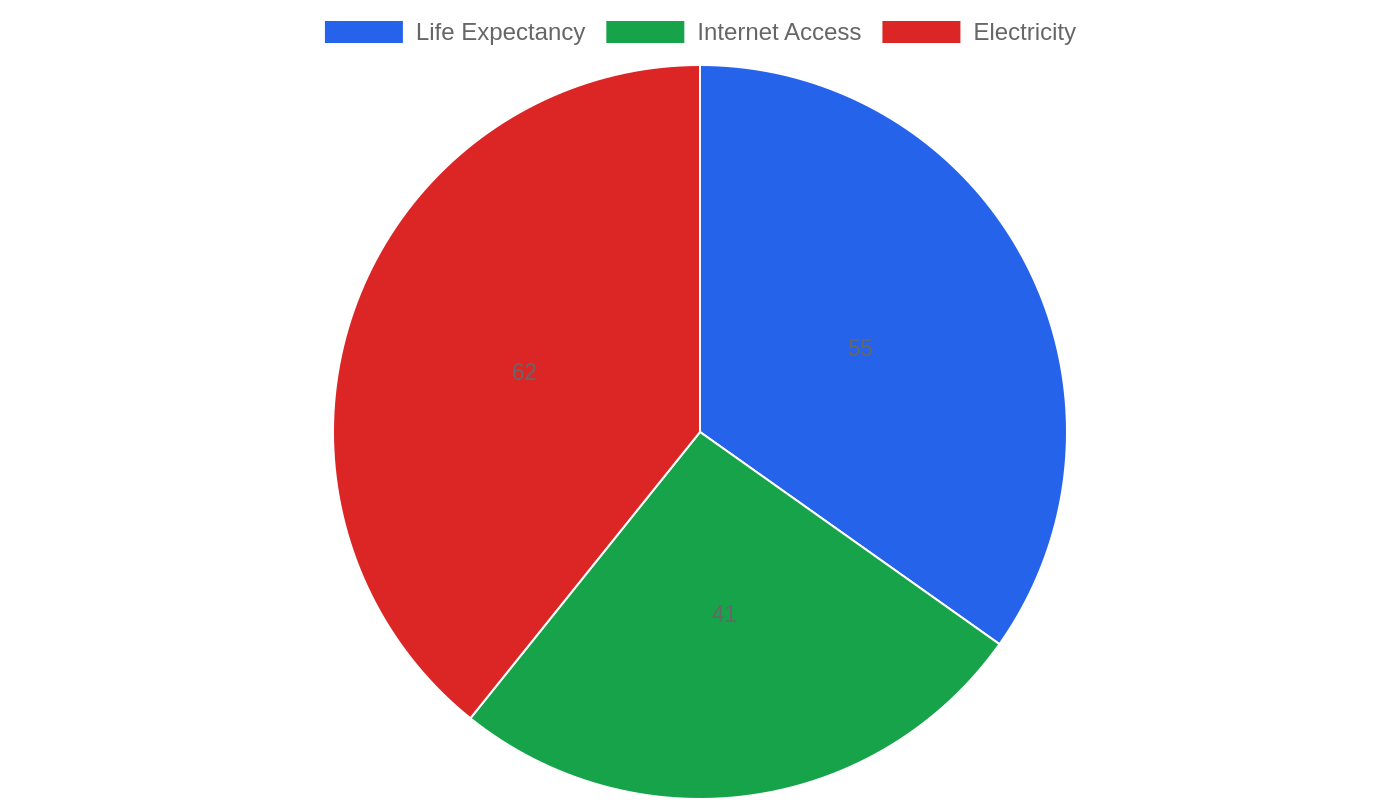
– With limited recent economic data available from the World Bank, the story of Montenegro is one of structural promise awaiting clearer statistical confirmation.
The Economic Engine: Between Heavy Industry and Service Sector Growth
Montenegro’s economic narrative is best understood through its industrial DNA. The World Bank data points to a country whose productive base is defined by a handful of dominant sectors. At the heart of this lies the Aluminium Plant Podgorica, a basic materials giant that has historically been both a source of national pride and a bellwether for industrial health.
Aluminium production in small economies like Montenegro is a double-edged sword: it provides stable employment and export revenues, but it also leaves the country vulnerable to global commodity price swings. Alongside this industrial anchor sits Elektroprivreda Crne Gore, the state-owned utility that powers the nation, and Crnogorski Elektroprenosni Sistem, which manages the transmission grid. Together, these utilities form the backbone of Montenegro’s energy security.
The services sector tells a different but equally important story. Montenegro Airlines, the national carrier, represents the country’s ambitions in connectivity and tourism, while Budvanska Rivijera, a consumer services company, underscores the importance of the Adriatic coast as a tourism magnet. The financial sector is represented by both the Central Bank of Montenegro and NLB Banka Podgorica, indicating a formalized banking system capable of supporting both retail and corporate clients.
Jugopetrol Kotor keeps the wheels of transportation turning in the oil and gas space, while Crnogorski Telekom and Di Air round out the telecommunications and consumer services landscape. What emerges is a picture of a small but remarkably complete economy, one that has built out the infrastructure of a modern state even as it remains tethered to legacy industries like aluminium.
The absence of specific GDP growth, inflation, and unemployment figures from the World Bank data is itself a telling detail. It suggests either a period of statistical transition or a deliberate focus on qualitative rather than quantitative reporting. For a country of Montenegro’s size, macroeconomic volatility can be acute, and the lack of hard numbers may reflect the challenges of data collection in a rapidly changing environment.
What is clear is that the country’s economic model is one of managed diversification, where the state retains a significant role in key sectors while gradually opening the door to private and foreign investment.
The Price of Paradise: Housing, Rent, and Daily Life on the Adriatic
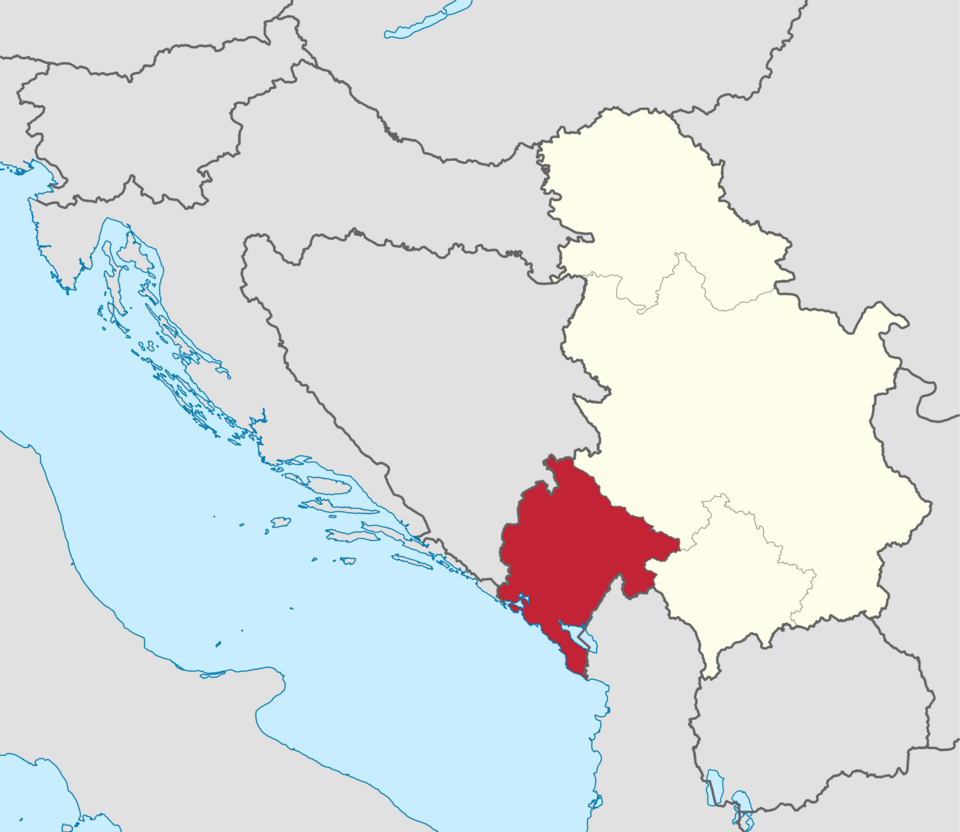
Montenegro’s cost of living story is inseparable from its geography. As a small Balkan nation with a stunning coastline, the country faces a familiar tension: the allure of the Adriatic drives up costs in tourist hotspots like Budva and Kotor, while inland cities like Podgorica offer a more modest standard of living.
The presence of Budvanska Rivijera as a top company is a clear signal that tourism is not just a pastime but a core economic activity, one that directly influences housing markets and daily expenses.
For residents and potential newcomers, the housing market likely mirrors the broader regional pattern seen across the Western Balkans: a sharp divide between coastal luxury and inland affordability. Rent in tourist zones probably commands a premium during the summer months, with short-term holiday lets competing against long-term residential needs.
The cost of utilities, managed by state entities like Elektroprivreda Crne Gore, may be relatively stable, but energy prices across Europe have been under pressure, and Montenegro is not immune to these regional trends.
Daily expenses—groceries, transportation, healthcare—are likely to be lower than in Western European capitals but higher than in some neighboring Balkan countries, reflecting Montenegro’s status as an emerging tourist destination with a growing service economy. The absence of specific cost-of-living indices from the data means that any assessment must be inferred from the industrial and corporate landscape.
What is certain is that the cost of living in Montenegro is shaped by its dual identity: a quiet, affordable inland life versus a premium coastal experience that caters to international visitors and second-home buyers.
The Investment Canvas: A Corporate Landscape of Opportunity and Tradition
For the business-minded reader, Montenegro presents a fascinating case study in controlled openness. The top companies listed in the data reveal an economy where the state and private sector coexist in a delicate balance. The Central Bank of Montenegro provides monetary stability, while NLB Banka Podgorica offers commercial banking services that can facilitate foreign investment.
The telecommunications sector, anchored by Crnogorski Telekom, suggests a modernizing digital infrastructure, a critical factor for any business considering relocation or expansion.
The sectors to watch are clear. Energy, represented by both Elektroprivreda Crne Gore and Crnogorski Elektroprenosni Sistem, offers potential in renewable projects and grid modernization. Tourism, through Budvanska Rivijera and Montenegro Airlines, is ripe for growth as global travel patterns shift. The aluminium sector, while traditional, remains a cornerstone of industrial policy and export earnings.
For investors, the key question is not whether Montenegro has opportunities—it clearly does—but whether the regulatory and political environment is sufficiently transparent to support long-term commitments.
The political landscape, as described in the data, provides some reassurance. Montenegro is a parliamentary representative democratic republic with a codified constitution established in 2007. The constitution’s framing of the country as a “civic, democratic, ecological state of social justice” is more than rhetoric; it signals a commitment to rule of law and multi-party democracy that should, in theory, underpin a stable business environment.
The multi-party system means that no single faction dominates, reducing the risk of sudden policy reversals. For companies like Di Air or Jugopetrol Kotor, this political stability is a prerequisite for long-term planning.
Safety, Politics, and the Quality of Life Equation
The absence of a crime index or safety index from the data is a notable gap, but it does not mean the picture is blank. Montenegro’s status as a European tourist destination and its aspirations for EU integration suggest that crime and safety are taken seriously by authorities. Small countries with strong tourism sectors typically invest heavily in public safety, as any reputation for lawlessness would directly harm the economic model.
The political framework, with its emphasis on social justice and ecological responsibility, further suggests a society that values order and quality of life.
The quality of life in Montenegro is likely defined by its natural environment. The constitution’s explicit mention of an “ecological state” is a powerful statement of intent. For residents, this means access to clean coastlines, mountainous interiors, and a relatively unspoiled landscape. The trade-off is that Montenegro is a small country with limited public services compared to larger European nations.
Healthcare, education, and infrastructure may not match Western European standards, but they are likely improving as part of the EU accession process.
Happiness and well-being in Montenegro probably correlate strongly with geography and profession. Those employed in the tourism or energy sectors may enjoy a comfortable standard of living, while those in more rural or industrial roles may face greater economic uncertainty. The multi-party political system means that citizens have avenues for representation, and the constitutional commitment to social justice suggests a safety net, however modest.
For expatriates considering a move, Montenegro offers a lifestyle that prioritizes natural beauty and a slower pace of life, albeit with the trade-offs of a small economy.
Current Affairs: The Pulse of a Nation in Transition
Right now, Montenegro is navigating a period of strategic recalibration. The data provided does not include specific recent news events, but the composition of its top companies and political structure tells a story of a country at a crossroads. The presence of both state-owned utilities and private-sector players like Crnogorski Telekom and Di Air suggests an ongoing negotiation between public control and market liberalization.
This is a common theme across the Western Balkans, where post-socialist economies are still finding their footing in global markets.
The aluminium industry, represented by Aluminium Plant Podgorica, faces global headwinds from decarbonization pressures and fluctuating commodity prices. The energy sector, meanwhile, is under pressure to modernize and potentially shift toward renewable sources, a move that would align with the constitutional commitment to an “ecological state.” The tourism sector, buoyed by Montenegro Airlines and Budvanska Rivijera, is likely recovering from the pandemic-era downturn, but it faces new challenges from inflation and shifting travel patterns across Europe.
Politically, the multi-party system ensures that no single party has a monopoly on power, which can lead to both stability and gridlock. The 2007 constitution remains the foundational document, and any reforms to the political or economic system would need to navigate this established legal framework.
For businesses and residents, the current moment is one of cautious optimism: Montenegro has the institutional foundations for growth, but it lacks the comprehensive economic data that would allow for precise forecasting. The story of Montenegro right now is one of potential waiting to be quantified.
The Bottom Line
Montenegro is a country for the patient optimist—an investor or resident who values stability, natural beauty, and a multi-party democratic framework over rapid growth and abundant data. Its economy, anchored in aluminium, energy, and tourism, offers a diversified base, but the lack of recent World Bank figures means that anyone considering Montenegro must be comfortable with a degree of uncertainty.
For those willing to look beyond the numbers, the country presents a compelling case: a small, ecologically-minded republic with a clear constitutional identity, a multi-party political system, and a corporate landscape that spans heavy industry, finance, and consumer services. Watch Montenegro if you believe in the long-term potential of the Adriatic—and if you are willing to read between the lines of the data.
Sources & Methodology
This article is authored by Economic Pulse Net for informational and research purposes. Economic Pulse Net sources its data from multilateral institutions, national statistics bureaus, and proprietary databases. All data is believed to be current as of the date of publication.
Published: July 19, 2026 | Category: Research — Montenegro
Use these signals in your own platform
Economic Pulse publishes its live signal feed through a documented, read-only API. Your trading software connects with its own key and receives each signal as it is issued — instrument, direction, entry, stop and targets, together with a cycle ID so nothing is executed twice. The feed is independent of this website and cannot change it.
Signals are informational only and are not financial advice.