Economic Pulse Net | Sources: World Bank World Development Indicators, Government Sources | 2026
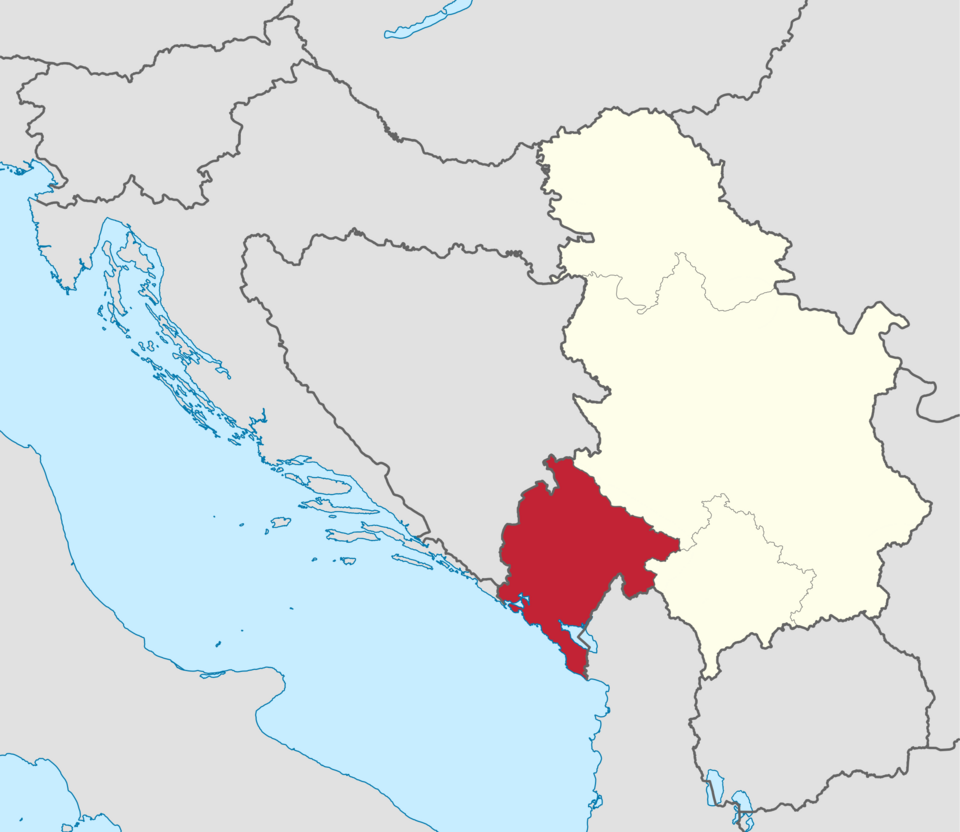
Montenegro has long been the Adriatic’s quiet overachiever — a country of dramatic mountains, medieval walled towns, and a coastline that rivals anything on the Mediterranean. But beneath the postcard imagery lies a more complex story. As one of Europe’s youngest independent nations, Montenegro is navigating the delicate balance between its civic, democratic aspirations and the economic realities of a small, open market.
With a political system defined by its 2007 constitution — which frames the country as a “civic, democratic, ecological state of social justice” — Montenegro is attempting to build a modern economy on the foundations of tourism, energy, and heavy industry, all while managing the expectations of a population that looks Westward for its future.
Key Takeaways
– A Constitutional Identity: Montenegro’s 2007 constitution defines the country as a civic and ecological state, setting a progressive legal framework for its multi-party democracy.
– Industrial Backbone: The economy leans heavily on state-linked utilities and industrial giants, with companies like Elektroprivreda Crne Gore (power generation) and Aluminium Plant Podgorica anchoring the corporate landscape.
– Tourism as a Pillar: Consumer services and tourism-related firms — including Budvanska Rivijera and Montenegro Airlines — signal that the Adriatic coast remains a critical economic engine.
– A Banking Sector in Transition: With institutions like NLB Banka Podgorica and the Central Bank of Montenegro playing central roles, the financial system is a key area to watch for stability and reform.
– Data Gaps, Real Potential: While precise macroeconomic figures are currently unavailable, the structure of Montenegro’s top companies and political framework offers a clear window into its economic priorities.
The Economic Engine: Utilities, Metals, and the Service Sector
Montenegro’s economy is a study in contrasts. On one hand, it is a modern, service-oriented society with a growing focus on tourism and telecommunications. On the other, it remains tethered to the industrial era, with heavyweights like Aluminium Plant Podgorica representing the basic materials sector that once defined the region’s economic output.
The presence of Elektroprivreda Crne Gore — the state-owned power utility — underscores the importance of energy independence and infrastructure in a country that relies heavily on its natural resources. Similarly, Crnogorski Elektroprenosni Sistem, the transmission system operator, highlights the strategic focus on modernising the national grid.
The financial sector, anchored by the Central Bank of Montenegro and NLB Banka Podgorica, provides the institutional framework for investment and monetary stability. Meanwhile, consumer services companies like Budvanska Rivijera — which manages hotels and resorts along the coast — and Di Air point to the tourism and aviation sectors as growing contributors to national income.
Montenegro Airlines, despite the well-documented challenges facing regional carriers, remains a symbolic and practical link to the broader European market.
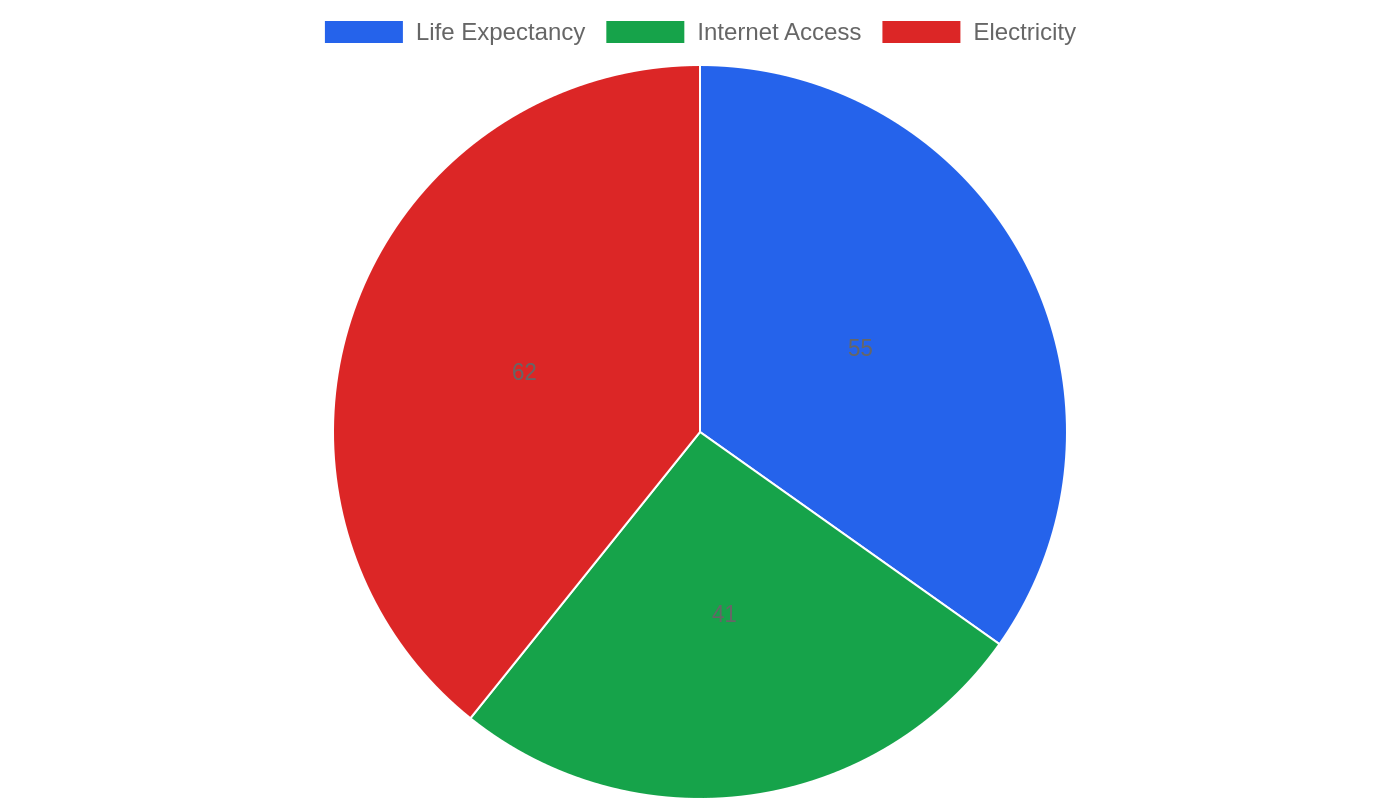
The World Bank’s data on Montenegro is currently incomplete, making precise GDP or inflation figures unavailable. However, the composition of the country’s leading companies tells a clear story: Montenegro is a nation that generates wealth from its physical assets — its coastline, its energy capacity, and its strategic location — rather than from a diversified manufacturing base.
This reliance on a handful of sectors makes the economy vulnerable to external shocks, particularly fluctuations in tourism demand and energy prices.
The Cost of Living: A Coastal Premium in a Small Market
Housing and daily expenses in Montenegro are heavily influenced by geography. The coastal municipalities — Budva, Kotor, and Herceg Novi — command a significant premium, driven by demand from both domestic buyers and foreign investors seeking second homes along the Adriatic. Inland, the capital Podgorica offers a more moderate cost of living, though it too has seen upward pressure on real estate prices as the country’s EU accession narrative attracts attention.
Renting versus buying is a genuine question for many residents; while purchasing property has historically been seen as a safe investment, rental yields in tourist-heavy areas can be lucrative, particularly during the summer season.
Daily expenses — groceries, utilities, and transport — are broadly in line with other Western Balkan nations, though imported goods carry higher price tags due to the country’s reliance on external supply chains. Energy costs, influenced by the dominance of state-owned utilities, remain a point of political sensitivity.
For the average Montenegrin household, the balance between wages and living costs is tight, particularly for younger workers who may find employment opportunities concentrated in tourism-related seasonal roles rather than in stable, year-round industries.
Investment and Business Climate: State Power and Private Ambition
Montenegro’s business environment is defined by the interplay between state-controlled entities and private enterprise. The presence of major utilities and the national carrier in the top company rankings indicates that the government retains a strong hand in key sectors. For investors, this can be both a stabilising factor and a barrier to entry.
On the one hand, state backing provides a degree of security for infrastructure projects; on the other, it can crowd out private competition and slow the pace of structural reform.
Sectors to watch include energy — particularly renewable sources, given Montenegro’s hydroelectric potential — and tourism infrastructure, where there is room for development beyond the current hotel capacity. Telecommunications, represented by Crnogorski Telekom, offers opportunities in digital services and connectivity, which are essential for a modern, diversified economy. However, the dominance of a few large players means that new entrants must navigate a concentrated market.
The Central Bank of Montenegro’s role in maintaining financial stability will be crucial in attracting foreign direct investment, which remains a key driver of growth for a country of Montenegro’s size.
Safety, Politics, and Quality of Life: A Civic Vision in Practice
Montenegro’s political landscape is shaped by its 2007 constitution, which describes the state as a “civic, democratic, ecological state of social justice.” This language is more than rhetorical — it reflects a commitment to multi-party democracy and the rule of law, principles that have guided the country since its independence.
The political system is a parliamentary representative democracy, with power distributed among elected officials and a codified legal framework that protects fundamental rights.
In terms of safety, Montenegro is generally perceived as a secure destination, though specific crime and safety indices are not currently available. The country’s small population and tight-knit communities contribute to a sense of social cohesion, while the tourism sector relies on maintaining a welcoming and safe environment for visitors.
Quality of life is bolstered by Montenegro’s natural beauty — its mountains, coastline, and protected ecological areas align with the constitutional commitment to being an “ecological state.” For residents, this means access to outdoor recreation and a relatively unpolluted environment, though public services and healthcare infrastructure remain areas in need of continued investment.
What’s Happening Now: Navigating a Pivotal Moment
Montenegro is at a crossroads, and the decisions being made today will shape its trajectory for decades. The country’s political system, grounded in multi-party democracy, is being tested by the usual pressures of governance — economic management, public expectations, and the long-term goal of European integration.
The presence of state-owned enterprises like Elektroprivreda Crne Gore and Crnogorski Elektroprenosni Sistem suggests that energy policy is a live issue, with potential reforms aimed at modernising infrastructure and attracting investment. Meanwhile, the financial sector, led by the Central Bank of Montenegro, is focused on maintaining stability in an environment of global economic uncertainty.
The tourism industry is likely experiencing another active season, with consumer services companies like Budvanska Rivijera and Di Air playing central roles in accommodating visitors. Montenegro Airlines, despite its challenges, remains a symbol of national connectivity and ambition. For businesses and policymakers, the immediate priorities are clear: stabilise the energy sector, diversify the economy beyond tourism and heavy industry, and continue the slow, steady work of aligning with European standards.
The data gaps in current economic reporting make precise assessment difficult, but the direction of travel is evident.
The Bottom Line
Montenegro is a country to watch for investors and analysts interested in the Western Balkans’ quieter success stories. Its constitutional commitment to democracy and ecological stewardship provides a stable foundation, while its key industries — energy, tourism, and finance — offer opportunities for growth. However, the country’s reliance on a limited number of sectors and the ongoing need for structural reform mean that progress will likely be incremental rather than dramatic.
For those willing to look beyond the headlines, Montenegro offers a compelling case study in how a small nation can leverage its natural assets and strategic position to build a modern, resilient economy. The numbers may be incomplete, but the story is clear: Montenegro is open for business, and its best days may still lie ahead.
Sources & Methodology
This article is authored by Economic Pulse Net for informational and research purposes. Economic Pulse Net sources its data from multilateral institutions, national statistics bureaus, and proprietary databases. All data is believed to be current as of the date of publication.
Published: August 02, 2026 | Category: Research — Montenegro
Use these signals in your own platform
Economic Pulse publishes its live signal feed through a documented, read-only API. Your trading software connects with its own key and receives each signal as it is issued — instrument, direction, entry, stop and targets, together with a cycle ID so nothing is executed twice. The feed is independent of this website and cannot change it.
Signals are informational only and are not financial advice.