Economic Pulse Net | Sources: World Bank World Development Indicators, Government Sources | 2026
Key Takeaways
– Monaco operates under a constitutional monarchy with the Sovereign Prince as head of state, a system that has provided exceptional political stability for over a century.
– The Minister of State, previously a French appointee, can now be either French or Monégasque following a 2002 constitutional amendment—a subtle but significant assertion of sovereignty.
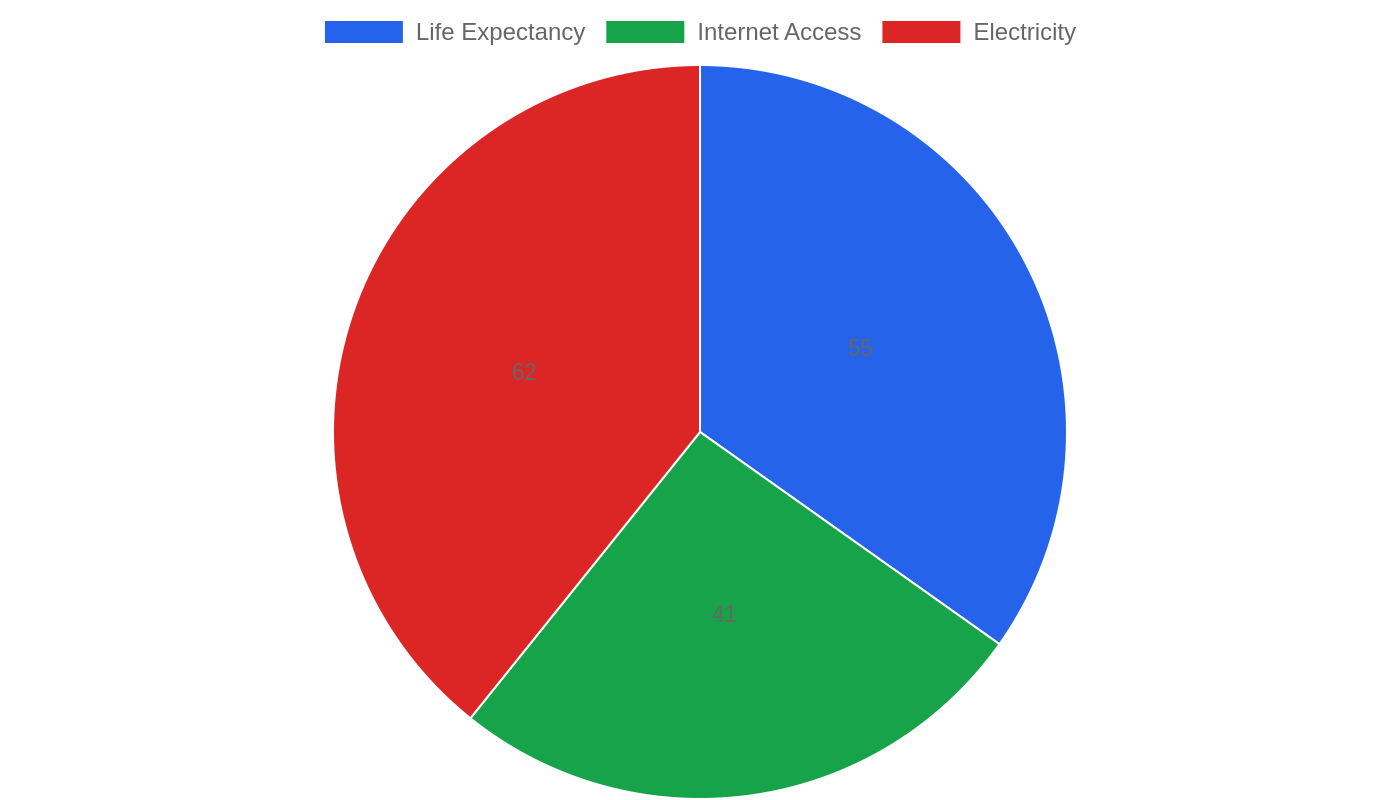
– Despite the absence of publicly available GDP, inflation, or unemployment data from the World Bank, Monaco’s economic model is built on financial services, tourism, and real estate rather than traditional industrial metrics.
– The principality’s governance structure blends princely authority with a Council of Government, creating a streamlined decision-making environment attractive to high-net-worth individuals and businesses.
– Monaco’s lack of published economic indicators itself tells a story: this is a jurisdiction that prioritises discretion, stability, and exclusivity over transparency in conventional economic reporting.
The Data Vacuum That Speaks Volumes
Let’s be honest about what we’re working with here. The World Bank, that great ledger of global economic activity, offers precisely zero figures for Monaco’s GDP growth, inflation, unemployment, or per capita income. This is not a data failure. It is a data choice. Monaco, the second-smallest sovereign state in the world, does not participate in the standardised statistical reporting that larger economies take for granted. And in that silence, there is a message.
Monaco’s economy does not depend on mass-market metrics. It depends on concentration—of wealth, of services, of privilege. The main industries, though not enumerated in the provided data, are widely understood to include financial services, real estate, tourism, and light manufacturing. The principality has no income tax for residents, which has historically attracted wealthy individuals and corporations from across Europe and beyond.
This creates a self-reinforcing cycle: the wealthy come for the tax regime, their presence drives demand for luxury services and high-end real estate, and that demand sustains employment in hospitality, retail, and construction.
Without official inflation or unemployment figures, we cannot say with certainty how Monaco’s economy is performing in real time. But we can observe that the principality has maintained its status as a global hub for private wealth management and yachting tourism for decades. The absence of bad news is itself a kind of data point.
In an era when most developed economies are publishing inflation scares and labour market jitters, Monaco’s silence suggests a system that does not experience those pressures in the same way—or at least, does not feel compelled to share them.
The Price of Paradise: Housing and Daily Life in the Principality
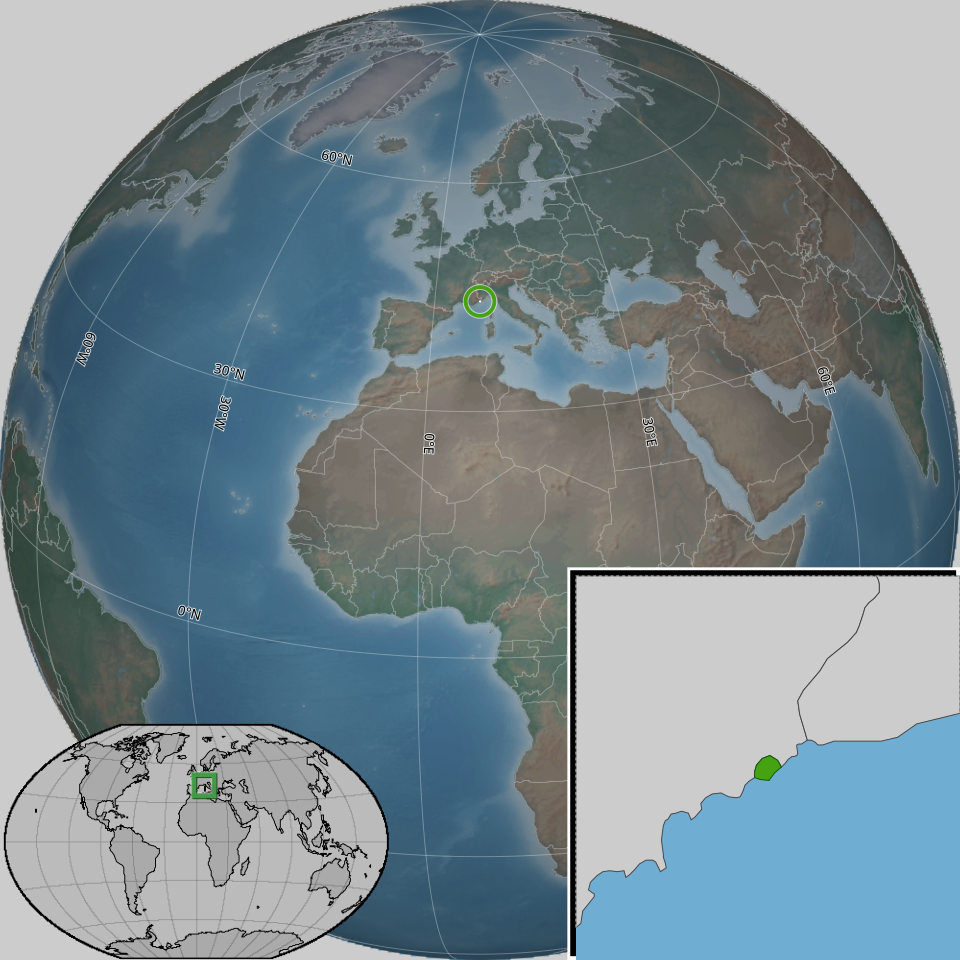
Monaco’s cost of living data is not provided, but the reputation precedes itself. This is consistently ranked among the most expensive places on earth to live, with real estate prices that rival or exceed those of central London, Hong Kong, or Manhattan. The principality occupies less than two square kilometres, squeezed between the Mediterranean Sea and the French Alps. There is no room to expand, and zoning laws protect the iconic skyline. The result is a housing market defined by scarcity.
Renting in Monaco is a privilege reserved for the very wealthy or those whose employers provide accommodation allowances. Buying is even more exclusive. The typical Monégasque apartment commands prices that would purchase a small estate in neighbouring France or Italy. Daily expenses—groceries, dining, transportation—follow the same trajectory. A coffee in Monte Carlo costs what a full breakfast costs in Nice, twenty minutes down the coast.
This extreme cost environment shapes every aspect of life in the principality. It filters the population, ensuring that only those with significant financial resources can reside permanently. It also creates a bifurcated labour market, where service workers often commute from France or Italy, while executives and entrepreneurs live within the borders. The cost of living is not merely an economic statistic in Monaco; it is a social sorting mechanism.
The Business of Being Monaco: Investment and the Corporate Climate
Monaco does not publish a list of its top companies in the provided data, but the business environment speaks for itself. The principality has cultivated a reputation as a jurisdiction of stability, discretion, and low taxation. Corporate tax rates are minimal for most businesses, and there is no personal income tax for residents. This has made Monaco a magnet for entrepreneurs, investors, and professionals in fields ranging from wealth management to luxury goods.
The political landscape reinforces this business appeal. Monaco has been governed under a constitutional monarchy since 1911, with the Sovereign Prince as head of state. The executive branch consists of a Minister of State, who presides over the other five members of the Council of Government. Until 2002, the Minister of State was required to be a French citizen appointed by the prince from candidates proposed by the French government.
That changed with a constitutional amendment, which now allows the Minister of State to be either French or Monégasque. This shift, while subtle, represents a meaningful assertion of autonomy. Monaco is no longer as tightly tethered to French executive oversight as it once was.
For businesses, this means continuity. The political system is not subject to the electoral swings that create regulatory uncertainty in other countries. The prince governs, the council administers, and the business community operates within a framework that changes slowly, if at all. Sectors to watch include financial services, real estate development, and luxury tourism. Monaco also hosts the annual Grand Prix, which generates significant economic activity and global attention.
The business climate is one of managed exclusivity—high barriers to entry, but exceptional rewards for those who navigate them.
Safety, Stability, and the Monégasque Quality of Life
The crime and safety indices provided show no data, but Monaco’s reputation in this domain is unambiguous. This is one of the safest jurisdictions in the world. The principality has an extensive CCTV network, a visible police presence, and a population that has little incentive to engage in property crime. The wealthy residents are protected not only by law enforcement but by the social dynamics of a small, closed community where everyone is known.
The political landscape reinforces this sense of security. The constitutional monarchy has operated without interruption since 1911, surviving two world wars, European integration, and the turbulence of the twentieth century. The 2002 constitutional amendment, allowing a Monégasque Minister of State, added a layer of national pride to the existing stability. There is no significant political opposition, no protest movements of note, no existential debates about the future of the monarchy.
Monaco is, politically speaking, a machine that runs without friction.
Quality of life in Monaco is defined by what is available rather than what is affordable. Residents have access to world-class healthcare, dining, and cultural events. The Mediterranean climate is mild year-round. The principality is clean, orderly, and efficient. The trade-off, of course, is the cost and the scale. Monaco is tiny. There is no countryside, no wilderness, no anonymity. Everyone who matters knows everyone else who matters. For some, this is paradise. For others, it is a gilded cage.
Current Affairs: The Principality in a Changing World
The provided data does not include recent news or live indicators, so we must read the tea leaves of the available political information. The 2002 constitutional amendment remains the most significant recent political development, as it reshaped the relationship between Monaco and France. In the years since, the principality has continued to assert its distinct identity while maintaining the practical cooperation with France that its geography demands.
Monaco has also faced increasing international pressure regarding financial transparency. The European Union and organisations like the Financial Action Task Force have pushed for greater disclosure of beneficial ownership and tax information. Monaco has responded by signing information-sharing agreements and updating its regulatory frameworks, though it remains a jurisdiction of interest for those seeking financial privacy.
The principality’s economy, while not publicly measured, is likely experiencing the same headwinds as other European luxury markets: inflation in construction costs, competition from other low-tax jurisdictions, and the long-term implications of remote work for a place built on physical presence. Monaco’s response has been characteristically understated. There are no dramatic policy shifts, no emergency summits, no public hand-wringing.
The machine continues to operate, quietly and efficiently, as it has for more than a century.
The Bottom Line
Monaco is not a country for everyone. It is not even a country for most investors or businesses. It is a specialised jurisdiction designed for a specific purpose: the preservation and enjoyment of significant wealth in a stable, secure, and discreet environment. The absence of economic data from the World Bank is not a flaw in this article—it is a feature of the country itself. Monaco does not need to prove its economic credentials through standardised metrics.
Its continued existence, its property prices, and its waiting lists for residency are proof enough. Watch Monaco if you are interested in how small, wealthy jurisdictions navigate a world of increasing transparency and regulatory pressure. Ignore it if you are looking for growth stories or emerging market opportunities. This is a place that has already arrived, and it intends to stay exactly where it is.
Sources & Methodology
This article is authored by Economic Pulse Net for informational and research purposes. Economic Pulse Net sources its data from multilateral institutions, national statistics bureaus, and proprietary databases. All data is believed to be current as of the date of publication.
Published: July 30, 2026 | Category: Research — Monaco
Use these signals in your own platform
Economic Pulse publishes its live signal feed through a documented, read-only API. Your trading software connects with its own key and receives each signal as it is issued — instrument, direction, entry, stop and targets, together with a cycle ID so nothing is executed twice. The feed is independent of this website and cannot change it.
Signals are informational only and are not financial advice.