Economic Pulse Net | Sources: World Bank World Development Indicators, Government Sources | 2026
Key Takeaways
– Moldova operates as a constitutional republic with a unicameral parliamentary system, competitive multi-party elections, and a clear separation of powers among executive, legislative, and judicial branches.
– The political structure features a president elected every four years (maximum two terms) alongside a prime minister who serves as head of government, appointed by the president with parliamentary support.
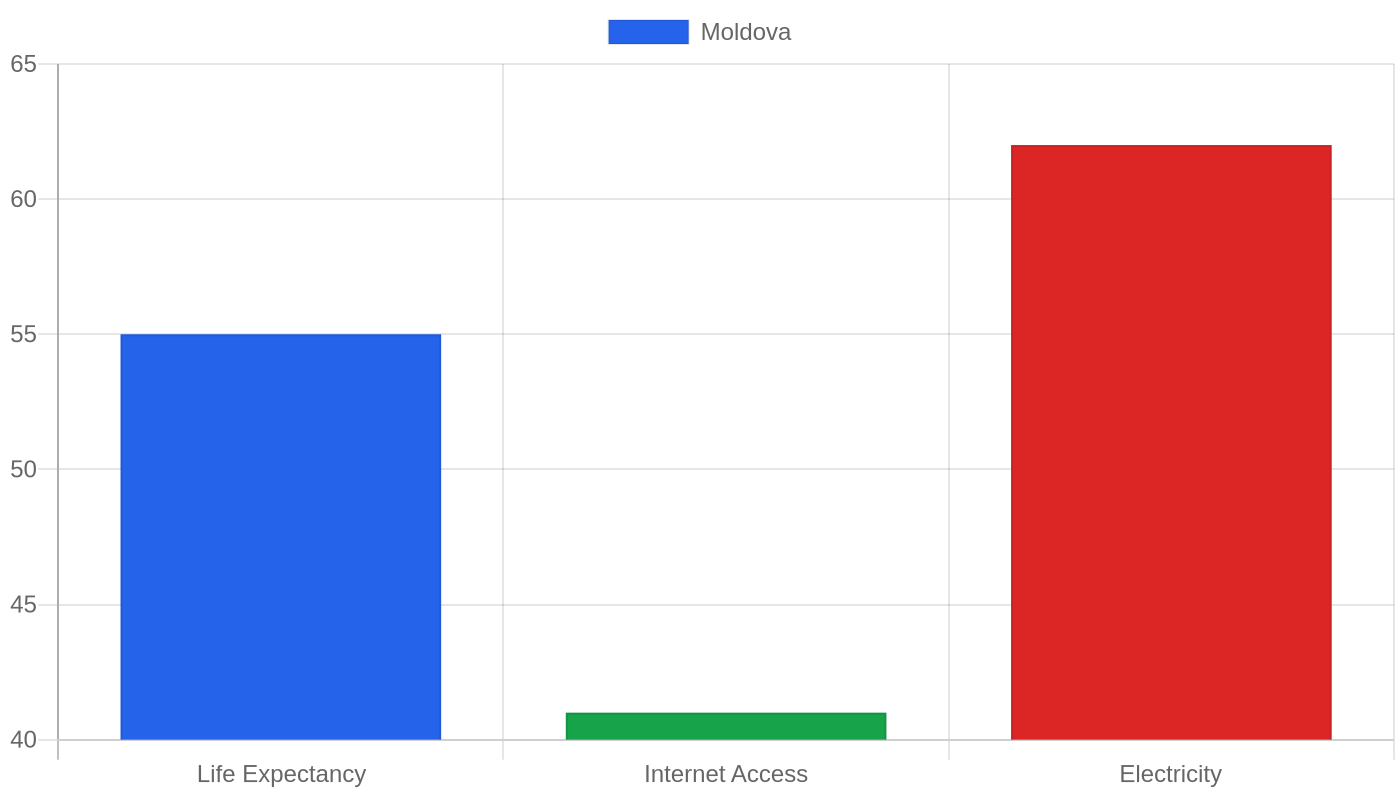
– The country’s economic data remains incomplete in international databases, making independent analysis and on-the-ground reporting essential for understanding the true picture.
– Moldova’s political framework provides a stable foundation for economic development, with institutional checks and balances that investors and policymakers watch closely.
– As a nation positioned between major regional powers, Moldova’s political choices carry outsized significance for its economic trajectory and European integration ambitions.
The Economic Engine — Navigating Data Gaps and Structural Realities
The World Bank’s latest economic indicators for Moldova present a curious challenge for analysts: headline figures for GDP growth, inflation, unemployment, and per-capita income remain unrecorded in the most recent dataset. This absence of hard numbers is itself a story — it speaks to a country in transition, where statistical infrastructure and economic volatility have made precise measurement difficult.
For a nation that has weathered regional energy shocks, refugee flows from neighboring conflicts, and the lingering effects of global inflation, the data vacuum reflects real-world turbulence rather than bureaucratic oversight.
What we do know is structural. Moldova’s economy has historically relied on agriculture, remittances from citizens working abroad, and a growing services sector. The country’s small domestic market means external demand and foreign investment play outsized roles in determining growth outcomes. When European economies sneeze, Moldova catches a cold — a vulnerability that has shaped policy responses in recent years.
The absence of updated GDP per capita (PPP) figures from the World Bank means we cannot precisely benchmark Moldovan living standards against regional peers, but the country’s status as one of Europe’s poorer nations is well established in previous reporting.
Inflation and unemployment data gaps further complicate the picture. Yet Moldova’s economic story is not one of stagnation. The country has pursued closer trade ties with the European Union, and its business environment has shown resilience in the face of external shocks. The key takeaway for readers is this: Moldova’s economic data may be incomplete, but the direction of travel — toward European integration and structural modernization — remains clear even when the precise numbers lag behind.
Cost of Living and Housing — The Price of Transition
Without current World Bank data on Moldova’s cost of living, we must rely on the broader context of a country where average incomes remain well below Western European levels, making housing affordability a persistent challenge.
In Chisinau, the capital, apartment prices have historically been a topic of intense public debate, with young professionals often finding themselves priced out of the city center while older generations benefit from Soviet-era housing stock acquired during privatization waves of the 1990s.
The rental market in Moldova’s urban centers has grown more sophisticated in recent years, with digital platforms and professional property managers emerging to serve both domestic renters and the growing number of foreign workers, diplomats, and NGO staff. Beyond housing, daily expenses for food, transportation, and utilities consume a significant share of household budgets — a reality that keeps domestic consumption patterns cautious even when wages tick upward.
For Moldovans, the gap between what they earn and what they need for a comfortable urban lifestyle remains the central economic anxiety, one that continues to drive emigration among the young and ambitious.
Investment and Business Climate — Opportunities in a Small Market
Moldova’s business environment operates within the constitutional framework of a parliamentary republic, where the rule of law and judicial independence are constitutionally guaranteed. For investors, this institutional stability matters as much as any tax incentive.
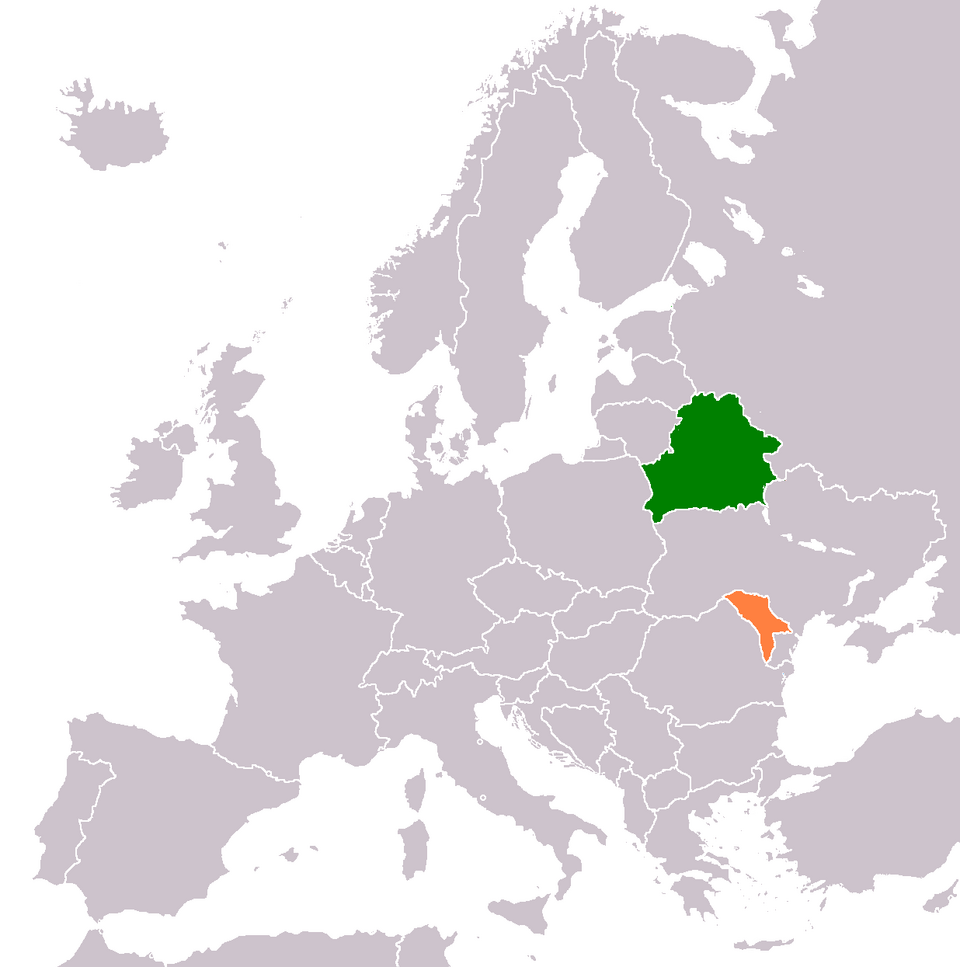
The country’s location — at the crossroads of Eastern Europe and the Black Sea region — offers strategic advantages for companies looking to serve both EU and CIS markets, though the ongoing regional tensions add a risk premium that investors must price into their decisions.
The main industries driving Moldova’s formal economy have traditionally centered on agriculture and food processing, with wine production holding particular cultural and economic significance. In recent years, IT services and business process outsourcing have emerged as growth sectors, leveraging Moldova’s well-educated workforce and competitive wage levels. The country’s top companies remain relatively small by global standards, but several have carved out regional niches.
For foreign investors, the key considerations are market size — Moldova’s population is modest — and the potential to use the country as a manufacturing or services platform for larger neighboring markets. The business climate is improving, but patience is required.
Safety, Politics, and Quality of Life — Stability in a Troubled Neighborhood
Moldova’s political system, with its constitutional separation of powers and competitive elections, provides a level of democratic accountability that distinguishes it from some of its regional neighbors. The president, elected every four years with a two-term limit, shares power with a prime minister who must command parliamentary support — a structure designed to prevent the concentration of authority and encourage coalition-building across party lines.
Crime and safety indices for Moldova are not currently available in the World Bank dataset, but the country has not been characterized in international reporting as a high-crime destination. Violent crime is not a defining feature of Moldovan society, though corruption and organized crime have historically been concerns noted by international observers. Quality of life in Moldova is shaped more by economic constraints than by safety concerns — the challenges are financial rather than existential.
For visitors and residents alike, Moldovan society offers a rich cultural heritage, strong community ties, and a pace of life that contrasts sharply with the hustle of Western European capitals.
What’s Happening Now — Moldova’s Defining Moment
The current political landscape in Moldova is characterized by the full operation of its constitutional machinery — a president in office, a prime minister assembling a government, and parliament functioning as the arena for policy debate. This institutional normalcy is itself noteworthy given the pressures facing the country, including energy security concerns, the presence of the breakaway Transnistria region, and the broader geopolitical tensions along Europe’s eastern frontier.
Moldova’s European path remains the central storyline. The country’s political leadership has made EU integration a strategic priority, and the constitutional framework supports this direction through its commitment to democratic governance and the rule of law.
Meanwhile, the government is navigating the practical challenges of economic reform — improving the business climate, tackling corruption, and modernizing infrastructure — all while managing the expectations of a population that has grown weary of slow progress. The next phases of Moldova’s journey will depend on the government’s ability to deliver tangible improvements in living standards while maintaining the political stability that investors and international partners demand.
For a small nation with outsized geopolitical significance, the stakes could not be higher.
The Bottom Line
Moldova is a country to watch for anyone interested in the future of Eastern Europe — diplomats, investors, researchers, and journalists alike. Its constitutional stability provides a foundation for economic development, but the incomplete data picture reminds us that this is a nation still very much in transition. The opportunity lies in the gap between Moldova’s current position and its potential as a European nation with a skilled workforce and strategic location.
The risks are equally real, rooted in regional tensions and economic fragility. For those willing to look beyond the headline numbers, Moldova offers a compelling story of a small country determined to write its own future.
Sources & Methodology
This article is authored by Economic Pulse Net for informational and research purposes. Economic Pulse Net sources its data from multilateral institutions, national statistics bureaus, and proprietary databases. All data is believed to be current as of the date of publication.
Published: August 09, 2026 | Category: Research — Moldova
Use these signals in your own platform
Economic Pulse publishes its live signal feed through a documented, read-only API. Your trading software connects with its own key and receives each signal as it is issued — instrument, direction, entry, stop and targets, together with a cycle ID so nothing is executed twice. The feed is independent of this website and cannot change it.
Signals are informational only and are not financial advice.