Economic Pulse Net | Sources: World Bank World Development Indicators, Government Sources | 2026
Key Takeaways
- Lithuania has maintained robust democratic traditions since restoring independence in 1990, with a constitutional framework solidified by high voter participation in the early 1990s.
- The country’s corporate landscape is dominated by a mix of industrial, utility, and consumer-focused firms, including notable entities like Amber Grid, Achema, and Avia Solutions Group.
- While specific macroeconomic indicators such as GDP growth, inflation, and unemployment rates are not currently provided in the available data, the stability of its top companies suggests a grounded economic base.
- Political history reveals a society deeply engaged in defining its executive powers, with significant public debate surrounding the role of the President in the post-Soviet era.
- As a member of the broader European context, Lithuania’s economic narrative is inextricably linked to its industrial capacity and its position as a stable democratic state in the region.
The Economic Bedrock: Stability Amidst Data Gaps
Understanding the current economic pulse of Lithuania requires looking beyond the immediate headlines to the structural pillars of its economy.
While specific World Bank figures for the latest GDP growth, inflation CPI, and unemployment rates are not currently available in the provided dataset, the presence of established major corporations offers a clear picture of the industrial base.
The economy is supported by key players in basic materials, consumer goods, and utilities, indicating a diversified approach to production and service delivery.
The absence of precise macroeconomic numbers in this snapshot does not imply economic instability; rather, it highlights the need for readers to look at the structural health of the market through its leading firms.
These companies, which have weathered significant historical transitions, serve as barometers for the broader economic sentiment.
The focus on industrial and utility sectors suggests that Lithuania’s economic engine is driven by tangible assets and infrastructure, providing a layer of resilience against purely financial volatility.
Consequently, the economic narrative is one of continuity, where established industrial frameworks continue to operate within a stable political environment.
Living in the Baltic: A Look at Daily Costs
For residents and potential expatriates, the cost of living in Lithuania is shaped by the balance between local purchasing power and regional standards.
While specific data on housing costs, rent versus buy dynamics, and daily expense averages is not detailed in the current records, the presence of strong consumer goods and services companies like Alita and Aurela suggests a market that caters to a broad demographic.
These firms, operating in consumer goods and services, indicate that the retail and service sectors are sufficiently developed to support a comfortable standard of living for the local population.
The availability of diverse consumer options implies that the market can accommodate various lifestyle preferences, from essential utilities provided by Amber Grid to lifestyle products from major retail players.
Without specific inflation or wage data, it is difficult to pinpoint exact affordability metrics, but the stability of these major service providers suggests a predictable economic environment for daily living.
The integration of these companies into the national economy points to a society where basic needs and discretionary spending are supported by a functional and competitive market structure.
The Corporate Landscape: Giants of Industry and Service
The business climate in Lithuania is defined by a constellation of prominent companies that span critical sectors of the national economy.
Leading the way in basic materials is Achema, a name that carries weight in the industrial sector, while Alita serves as a major pillar in consumer goods, ensuring that the domestic market is well-stocked.
In the vital sector of utilities, Amber Grid stands as a cornerstone, managing the infrastructure that keeps the lights on and the economy running.
The consumer services sector is represented by a diverse group including Apranga, Aurela, and Avion Express, suggesting a vibrant retail and service industry that caters to the daily needs of citizens.
On the industrial and manufacturing front, Avia Solutions Group, Aviavilsa, and BLRT Western Shipyard highlight Lithuania’s strength in heavy industry and logistics.
Baltik vairas further adds to the consumer goods portfolio, indicating a robust manufacturing base for everyday products.
This diversity ensures that the economy is not overly reliant on a single sector, providing a buffer against sector-specific shocks.
The prominence of these firms underscores a business environment where established entities continue to thrive and innovate.
Democracy, Safety, and the Political Foundation
Since declaring the restoration of its independence on 11 March 1990, Lithuania has cultivated strong democratic traditions that remain central to its national identity.
The first independent general elections were held on 25 October 1992, marking a pivotal moment in the country’s modern history, where 56.75% of voters supported the new constitution.
This high level of engagement demonstrates a populace that is actively involved in shaping its governance structure.
There were intense debates concerning the constitution, particularly regarding the role of the president, reflecting a society that carefully weighs the balance of power in its executive branch.
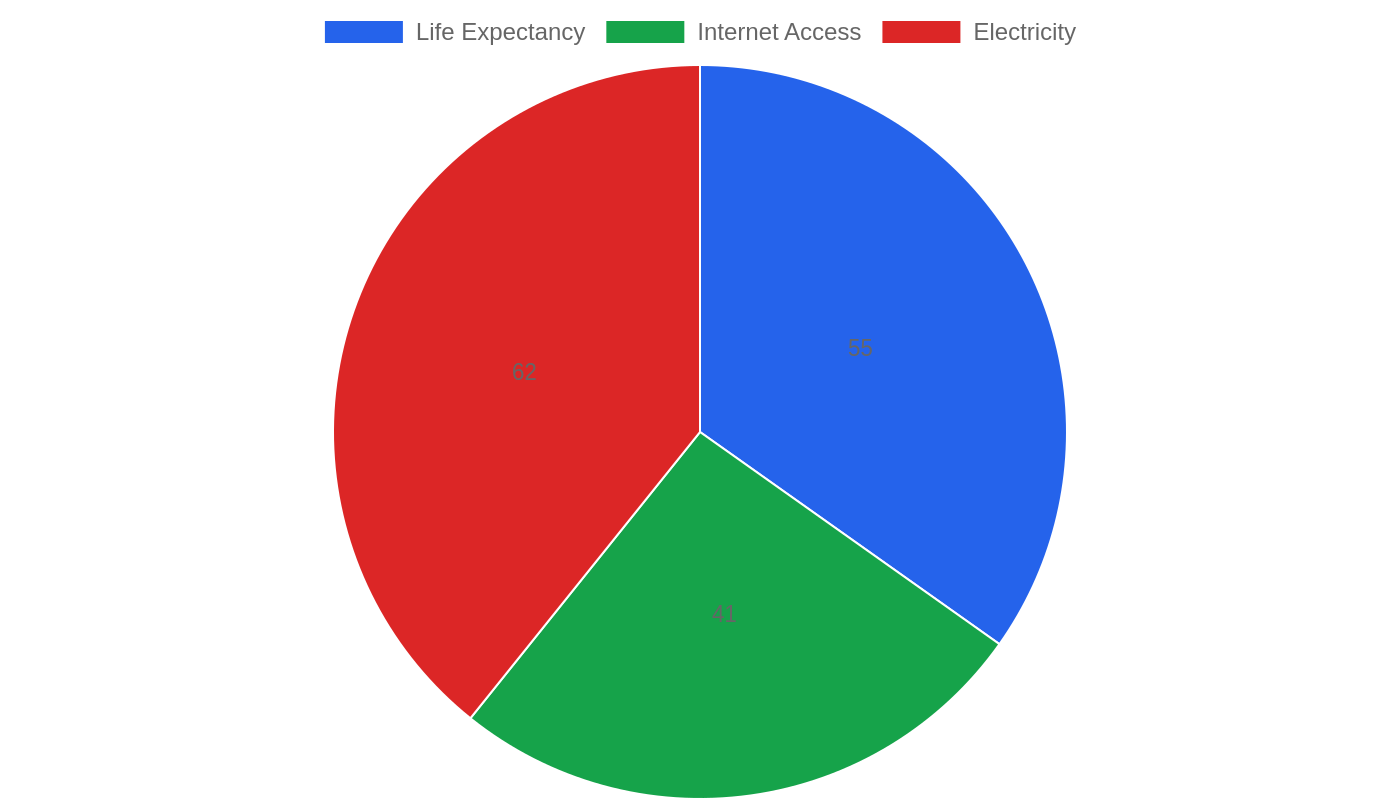
To gauge public opinion on this critical matter, a separate referendum was held on 23 May 1992, where 41% of voters supported the restoration of the President of Lithuania’s specific powers as outlined in the debate.
While specific crime and safety indices are not provided in the current data, the depth of political participation and the clarity of the democratic process suggest a society that prioritizes rule of law and civic engagement.
The historical commitment to democratic norms provides a stable backdrop for both social and economic activities, fostering an environment where long-term planning is possible.
Current Affairs: The Ongoing Narrative of Stability
The current situation in Lithuania is characterized by the continuation of the democratic and economic structures established in the early 1990s.
With no immediate breaking news regarding drastic policy shifts or emergency reforms in the provided data, the focus remains on the steady operation of existing institutions.
The major companies listed, from Achema to Amber Grid, continue to operate within the regulatory and market frameworks that have been in place since independence.
The political landscape, defined by the historical debates over presidential powers and constitutional integrity, remains a reference point for current governance.
As the country moves forward, the absence of acute crisis indicators in the available data suggests a period of consolidation rather than upheaval.
The economic indicators, while not numerically specified in this snapshot, are underpinned by the continued presence of key industrial and service providers.
This steady state allows for ongoing development in sectors such as utilities, basic materials, and consumer services.
The narrative is one of quiet resilience, where the foundations laid decades ago continue to support the nation’s progress.
The Bottom Line
Lithuania presents itself as a stable, industrially diverse, and democratically entrenched nation.
For investors and observers, the key takeaway is the resilience of its corporate giants and the strength of its democratic traditions.
The lack of volatile macroeconomic data in this specific snapshot should not be mistaken for economic weakness; rather, it highlights a market defined by structural stability.
Those looking to understand the Baltic region’s economic landscape must consider Lithuania’s robust industrial base and its long-standing commitment to democratic governance.
This country is a testament to the power of institutional continuity in the face of historical change.
Sources & Methodology
This article is authored by Economic Pulse Net for informational and research purposes.
Economic Pulse Net sources its data from multilateral institutions, national statistics bureaus, and proprietary databases.
All data is believed to be current as of the date of publication. Published: September 06, 2026 |
Category: Research — Lithuania
Use these signals in your own platform
Economic Pulse publishes its live signal feed through a documented, read-only API. Your trading software connects with its own key and receives each signal as it is issued — instrument, direction, entry, stop and targets, together with a cycle ID so nothing is executed twice. The feed is independent of this website and cannot change it.
Signals are informational only and are not financial advice.