Economic Pulse Net | Sources: World Bank World Development Indicators, Government Sources | 2026
Key Takeaways
* Kosovo operates as a multi-party parliamentary republic with a complex political structure that includes distinct legislative, executive, and judicial branches derived from its constitution.
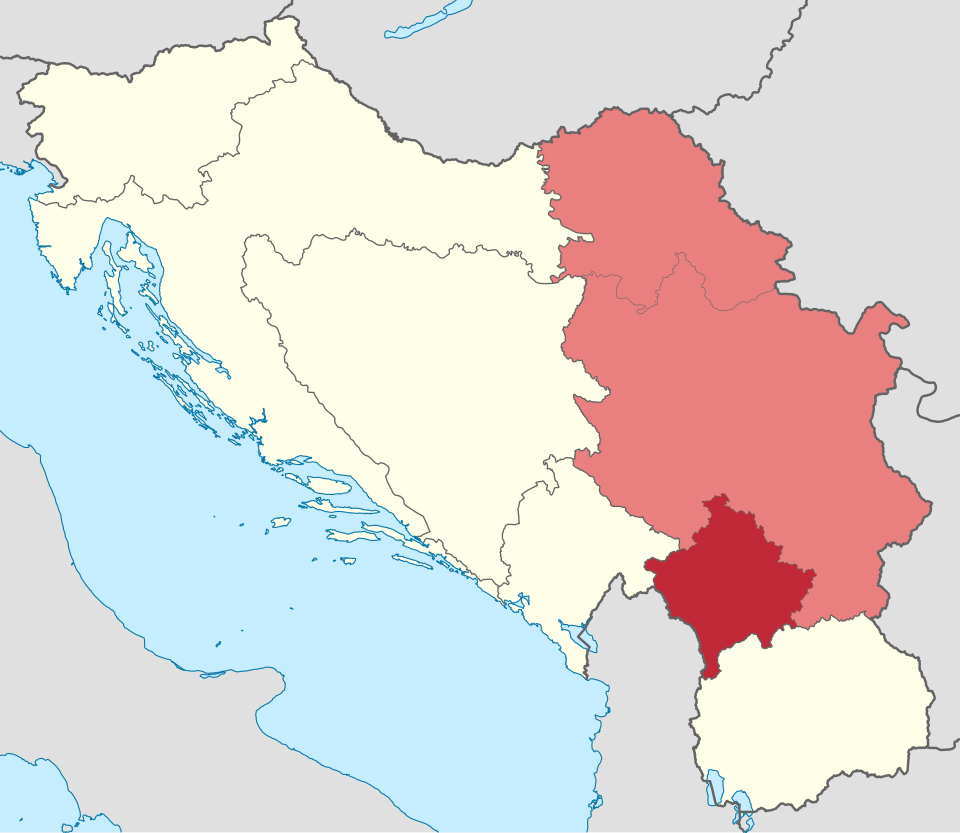
The country’s governance is significantly complicated by the status of North Kosovo, which has historically been controlled by parallel institutions funded by Serbia rather than Pristina’s central authorities.
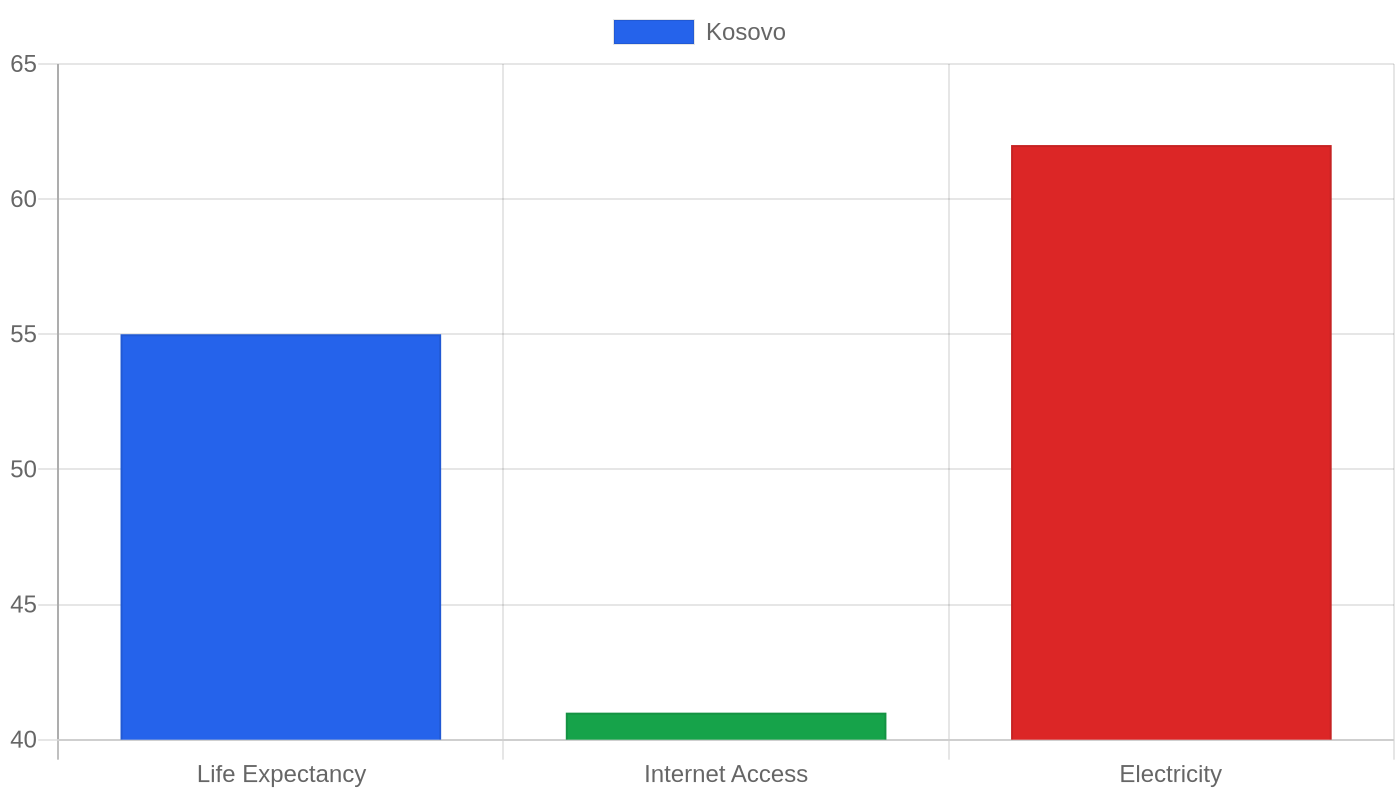
Economic data availability remains a critical challenge for investors and analysts, with key metrics such as GDP growth, inflation, and unemployment currently listed as unavailable in recent World Bank reports.
Despite data gaps, the political landscape suggests ongoing efforts to integrate northern regions through agreements like the Brussels Agreement, which aims to normalize relations between Pristina and Belgrade.
Investors must navigate an environment where political stability and institutional capacity are as crucial as traditional economic indicators, given the unique geopolitical context of the Western Balkans.
The Political Economy: A Republic in Transition
Kosovo’s economic trajectory cannot be understood without first grasping its intricate political framework. As a multi-party parliamentary representative democratic republic, the nation’s governance is structured around legislative, executive, and judicial institutions that derive their authority from the constitution. However, this formal structure coexists with a de facto division in the north.
Until the implementation of the Brussels Agreement, North Kosovo was largely controlled by institutions of Serbia or parallel entities funded by Belgrade, creating a dual-administration reality that complicates uniform economic policy. Legislative functions are vested in both the Parliament and ministers within their specific competencies, while the Government exercises executive power, led by the Prime Minister.
This fragmented governance model means that economic reforms often require delicate diplomatic balancing acts between local authorities, national ministries, and international mediators. For external observers, the primary economic takeaway is that policy consistency is heavily dependent on the success of these political integrations. Without a unified administrative control across all territories, implementing cohesive fiscal or monetary strategies remains a significant hurdle for the central government.
Cost of Living and Housing Dynamics
Assessing the daily economic reality for residents and expatriates in Kosovo presents a unique challenge due to the current absence of standardized cost-of-living indices. With no available data on inflation rates (CPI) or general price levels, it is difficult to benchmark expenses against regional neighbors or global averages.
Typically, housing costs in emerging European markets are driven by rental demand in urban centers like Pristina, but without specific figures, trends in rent versus buy ratios remain speculative. Daily expenses, including food, utilities, and transportation, likely reflect the broader economic constraints of a developing economy, yet precise comparisons are impossible without concrete statistical inputs.
This lack of transparent pricing data can create uncertainty for businesses trying to forecast operational costs or for individuals considering relocation. In the absence of hard numbers, potential residents must rely on anecdotal evidence and localized market inquiries to gauge affordability. Consequently, the cost of living in Kosovo remains a variable that requires on-the-ground verification rather than reliance on aggregate international databases.
Investment and Business Climate: Sectors in Focus
The investment landscape in Kosovo is characterized by a mix of emerging opportunities and structural uncertainties. While specific top companies and main industries are not detailed in the provided dataset, the business environment is inherently linked to the country’s political stabilization efforts.
Investors looking at Kosovo must consider sectors that benefit from infrastructure development and regional trade integration, particularly as the government seeks to strengthen its executive and legislative capacities. The presence of parallel institutions in the north highlights the importance of security and legal frameworks for foreign direct investment. Major business developments are likely tied to EU integration processes and bilateral agreements that aim to unify the market.
Without clear data on GDP per capita or GNI, assessing consumer purchasing power for retail or service-based investments is challenging. Therefore, prudent investment strategies in Kosovo should prioritize sectors with strong governmental support and those involved in cross-border connectivity, while maintaining flexibility to adapt to shifting political dynamics.
Safety, Politics, and Quality of Life
Quality of life in Kosovo is deeply intertwined with its political narrative and security situation. Crime and safety indices are currently reported as unavailable, leaving a gap in understanding the day-to-day safety conditions for residents and visitors. This absence of data does not necessarily imply high risk, but rather a lack of published standardized metrics, which can affect insurance premiums and travel advisories.
The political landscape, defined by a multi-party system and ongoing negotiations regarding North Kosovo, creates a backdrop of cautious optimism mixed with historical tension. Happiness and well-being data are similarly absent, making it difficult to quantify the social impact of the current political transitions. However, the existence of a constitutional framework and active legislative bodies suggests a move toward normalized civil society operations.
For those evaluating long-term residency, the stability of the rule of law and the effectiveness of judicial institutions will be more telling indicators than static crime scores. The interplay between political progress and personal security remains the central theme for quality of life assessments in the region.
What’s Happening Now: Institutional Consolidation
Currently, the most pressing narrative in Kosovo revolves around the consolidation of state institutions and the normalization of relations with neighboring Serbia. The recent focus has been on strengthening the executive branch under the Prime Minister and ensuring that legislative functions are effectively carried out by the Parliament. Efforts to implement the Brussels Agreement continue to shape the political agenda, aiming to bring North Kosovo under the effective control of Pristina’s institutions.
These political maneuvers have direct economic implications, as they influence investor confidence and the ability to enact comprehensive economic reforms. While specific recent news items or live indicators are not provided in the current dataset, the overarching trend points toward a gradual reduction in parallel structures. This period is marked by diplomatic engagement and internal administrative adjustments rather than sudden economic shocks.
Stakeholders are watching closely to see how these political resolutions translate into tangible improvements in governance and economic transparency.
The Bottom Line
Kosovo represents a frontier market where political evolution is the primary driver of economic potential. Investors and researchers must look beyond traditional macroeconomic indicators, which are currently sparse, and focus on the trajectory of institutional integration and regional diplomacy. The country offers opportunities for those willing to engage with its complex governance structure and contribute to its developmental goals.
Success in Kosovo will depend less on immediate financial metrics and more on the long-term stabilization of its political and administrative frameworks.
Sources & Methodology
This article is authored by Economic Pulse Net for informational and research purposes. Economic Pulse Net sources its data from multilateral institutions, national statistics bureaus, and proprietary databases. All data is believed to be current as of the date of publication.
Published: October 31, 2026 | Category: Research — Kosovo
Use these signals in your own platform
Economic Pulse publishes its live signal feed through a documented, read-only API. Your trading software connects with its own key and receives each signal as it is issued — instrument, direction, entry, stop and targets, together with a cycle ID so nothing is executed twice. The feed is independent of this website and cannot change it.
Signals are informational only and are not financial advice.