Economic Pulse Net | Sources: World Bank World Development Indicators, Government Sources | 2026
Key Takeaways
* Unprecedented Economic Expansion: Ireland is experiencing staggering GDP growth of 12.34% for 2025, driven by its unique position as a global hub for multinational corporations and specialized industries.
High Income Disparity: While GDP per capita (PPP) reaches an impressive $155,089, the Gross National Income (GNI) per capita sits at $87,360, highlighting the significant impact of foreign-owned profits on national accounts versus resident income.
Labor Market Tightness: With unemployment hovering at a low 4.632%, the labor market remains robust, though this tightness often correlates with housing pressures and cost-of-living challenges for residents.
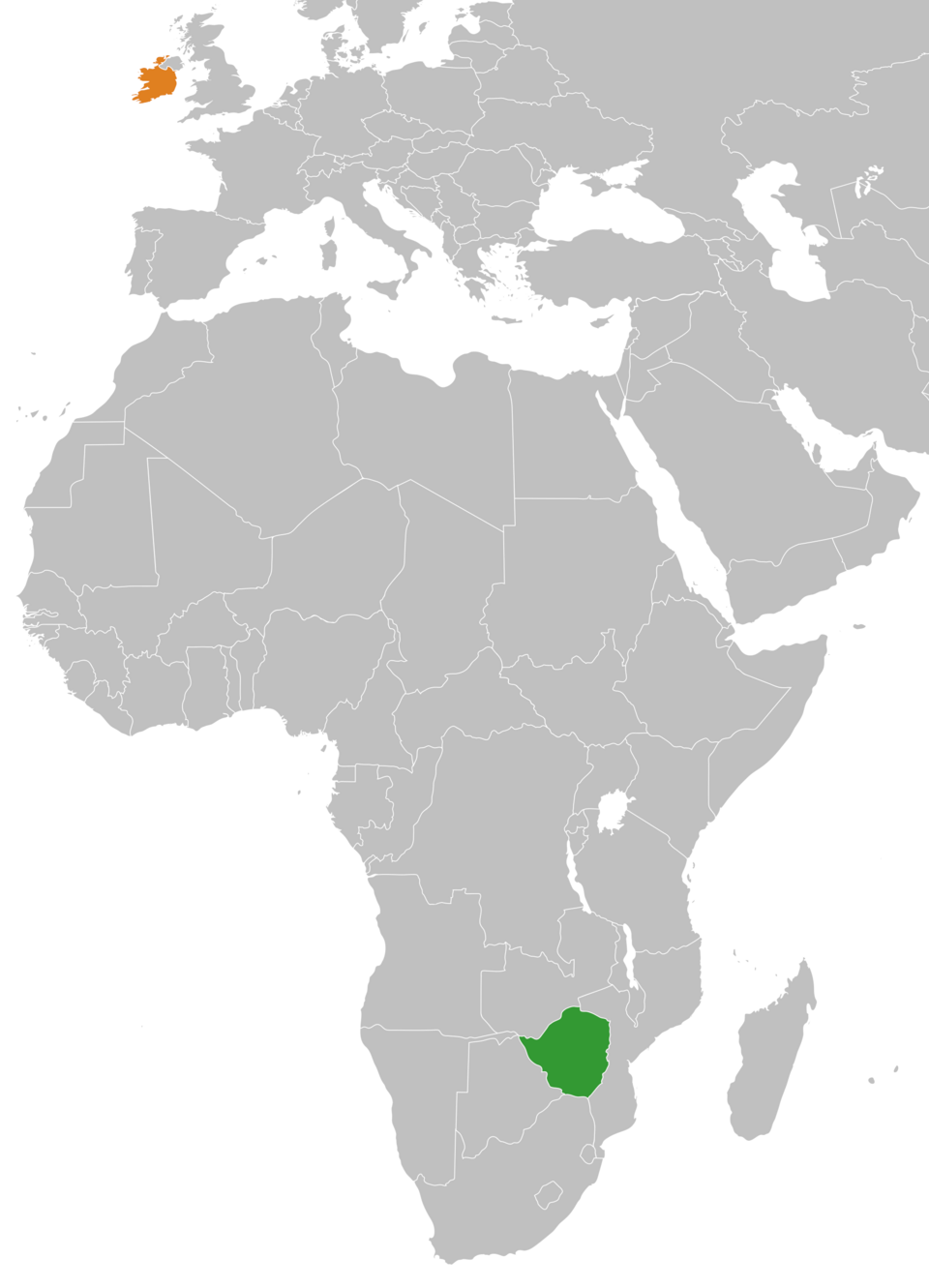
Unique Political Geography: The island’s division between the independent Republic of Ireland and Northern Ireland (UK) creates a complex cross-border economic zone with free movement of people, goods, and capital under the Common Travel Area.
A Tale of Two Economies: Decoding the Growth Surge
Ireland’s economic profile in 2025 presents a fascinating case study in how small, open economies can experience outsized performance metrics due to specific structural factors. According to World Bank data, the country’s GDP growth has surged to 12.3375990291434%, a figure that significantly outpaces most advanced economies.
This explosive growth is largely attributable to the presence of high-value multinational enterprises, particularly in the technology and pharmaceutical sectors, which drive export volumes and corporate tax revenues. However, investors must look beyond headline GDP figures to understand the true economic health of the nation. The GDP per capita adjusted for Purchasing Power Parity (PPP) stands at a remarkable $155,089.41, suggesting a very high standard of living relative to local prices.
Yet, the Gross National Income (GNI) per capita is recorded at $87,360, revealing a substantial gap between domestic production and the income actually retained by Irish residents after accounting for repatriated profits from foreign firms. This divergence is critical for policymakers who rely on GNI to gauge sustainable domestic welfare. Meanwhile, inflation remains relatively contained at 2.21044788475857%, indicating that despite rapid growth, price stability is being maintained within acceptable bounds.
The unemployment rate of 4.632% further underscores a tight labor market, where job opportunities are abundant but competition for talent is fierce. With a total population of 5,484,367, these macroeconomic aggregates translate into significant per-head impacts, making Ireland a pivotal player in the European economic landscape despite its modest size.
Housing Pressures and Daily Expenses
While the macroeconomic indicators shine, the lived experience of residing in Ireland is heavily influenced by housing dynamics and daily costs, which are not fully captured in aggregate GDP figures. Although specific rental indices or consumer basket details are not provided in the current dataset, the combination of a growing population and strong GDP growth typically exerts upward pressure on housing demand.
In a market where nearly half the workforce is employed, the scarcity of affordable housing often becomes the primary concern for both locals and expatriates. The high GDP per capita suggests that those participating in the formal economy enjoy substantial purchasing power, yet this benefit may be unevenly distributed across different regions and demographic groups. For businesses operating in the consumer services and utilities sectors, understanding the elasticity of demand amidst these cost pressures is crucial.
Companies like Airtricity play a vital role in providing essential infrastructure, while the broader cost of living environment dictates disposable income levels for the 5.4 million residents. Without detailed CPI breakdowns for specific categories such as food or rent, analysts must infer that the overall price level is moderated by the 2.21% inflation rate, preventing runaway costs that could erode the real wages implied by the high GNI figures.
Consequently, while the average citizen benefits from high national wealth metrics, individual financial security depends heavily on access to stable housing and manageable daily expenses.
Investment Landscape and Corporate Powerhouses
The business environment in Ireland is characterized by a concentration of major players across industrials, financials, and consumer services, creating a diverse ecosystem for investment. Accenture, a giant in the industrial and professional services sector, anchors the country’s reputation as a destination for global knowledge-based industries. Similarly, AerCap, another key industrial entity, highlights Ireland’s dominance in aircraft leasing, a niche that contributes significantly to the service exports.
In the financial sector, Allied Irish Banks remain central to the domestic credit market, supporting both household mortgages and corporate financing needs. The consumer services sector is equally vibrant, featuring airlines such as Aer Lingus and Aer Lingus Regional, alongside ground transport providers like Aircoach, The Airporter, and Abrakebabra, which facilitate the movement of people and goods across the island.
These companies operate within a framework that supports free movement, leveraging the shared border with Northern Ireland to optimize logistics and travel routes. An Post, the national postal service, serves as a critical backbone for commerce and communication, linking urban centers with rural communities.
For international investors, the presence of these established multinationals provides a layer of stability and connectivity, while also signaling the government’s success in attracting foreign direct investment. The interplay between these sectors—ranging from utilities like Airtricity to banking—creates a resilient commercial structure that can absorb external shocks, provided regulatory frameworks remain supportive of innovation and cross-border trade.
Safety, Politics, and the Cross-Border Reality
Navigating the political and social landscape of Ireland requires an understanding of its unique geographical and constitutional arrangement. The island is politically divided, with the Republic of Ireland functioning as an independent state and Northern Ireland remaining a constituent country of the United Kingdom. Despite this division, the two jurisdictions share an open border, allowing for the seamless flow of people, goods, services, and capital.
This arrangement is facilitated by the Common Travel Area, which ensures free movement rights for citizens of both nations, effectively blurring the traditional lines of internal migration and labor mobility. From a safety perspective, specific crime and safety indices are listed as N/A in the current data set, meaning that quantitative assessments of personal security are not available for immediate analysis.
However, the absence of data does not imply instability; rather, it reflects the complexity of aggregating safety metrics across two distinct legal systems operating in close proximity. The political landscape is defined by cooperation rather than conflict, with both entities working within broader European and international frameworks to maintain stability. This cooperative dynamic supports the economic integration necessary for the thriving business environment described earlier.
For residents and visitors alike, the ease of crossing the border facilitates cultural exchange and economic opportunity, reinforcing the idea that the island functions as a single cohesive unit in many practical respects, even if politically split.
Current Affairs and Policy Implications
Looking at the present moment, Ireland’s economic trajectory is shaped by the need to balance hyper-growth with sustainable domestic development. The 12.34% GDP growth rate for 2025 suggests that recent policy decisions aimed at attracting foreign investment are yielding substantial returns, but they also raise questions about long-term capacity. Policymakers are likely focused on managing the implications of this growth, particularly in terms of infrastructure development and public service provision.
With inflation held at 2.21%, there is room for monetary and fiscal policies to support further expansion without triggering overheating. The tight labor market, evidenced by the 4.632% unemployment rate, may prompt discussions around immigration policies and skills training to ensure that the workforce can meet the demands of leading companies like Accenture and AerCap.
Furthermore, the ongoing relationship between the Republic and Northern Ireland will continue to influence trade regulations and border management, especially in the context of broader UK-EU relations. Businesses are closely watching how these political dynamics evolve, as any changes to the open border or Common Travel Area rules could have immediate repercussions for supply chains and labor mobility.
The focus now is on translating high-level GDP figures into tangible improvements in public infrastructure and social welfare, ensuring that the economic boom benefits all segments of the population.
The Bottom Line
Ireland offers a compelling investment thesis for those seeking exposure to high-growth, multinational-driven markets in Europe. The exceptional GDP growth and high per-capita income metrics indicate a vibrant economy, though investors should account for the distinction between GDP and GNI when assessing resident prosperity. The stable political environment and open border with Northern Ireland provide a unique operational advantage for businesses focused on cross-border trade.
Ultimately, Ireland is a country where global capital meets local resilience, making it a strategic priority for economic observers and corporate planners alike.
Sources & Methodology
This article is authored by Economic Pulse Net for informational and research purposes. Economic Pulse Net sources its data from multilateral institutions, national statistics bureaus, and proprietary databases. All data is believed to be current as of the date of publication.
Published: September 27, 2026 | Category: Research — Ireland
Use these signals in your own platform
Economic Pulse publishes its live signal feed through a documented, read-only API. Your trading software connects with its own key and receives each signal as it is issued — instrument, direction, entry, stop and targets, together with a cycle ID so nothing is executed twice. The feed is independent of this website and cannot change it.
Signals are informational only and are not financial advice.