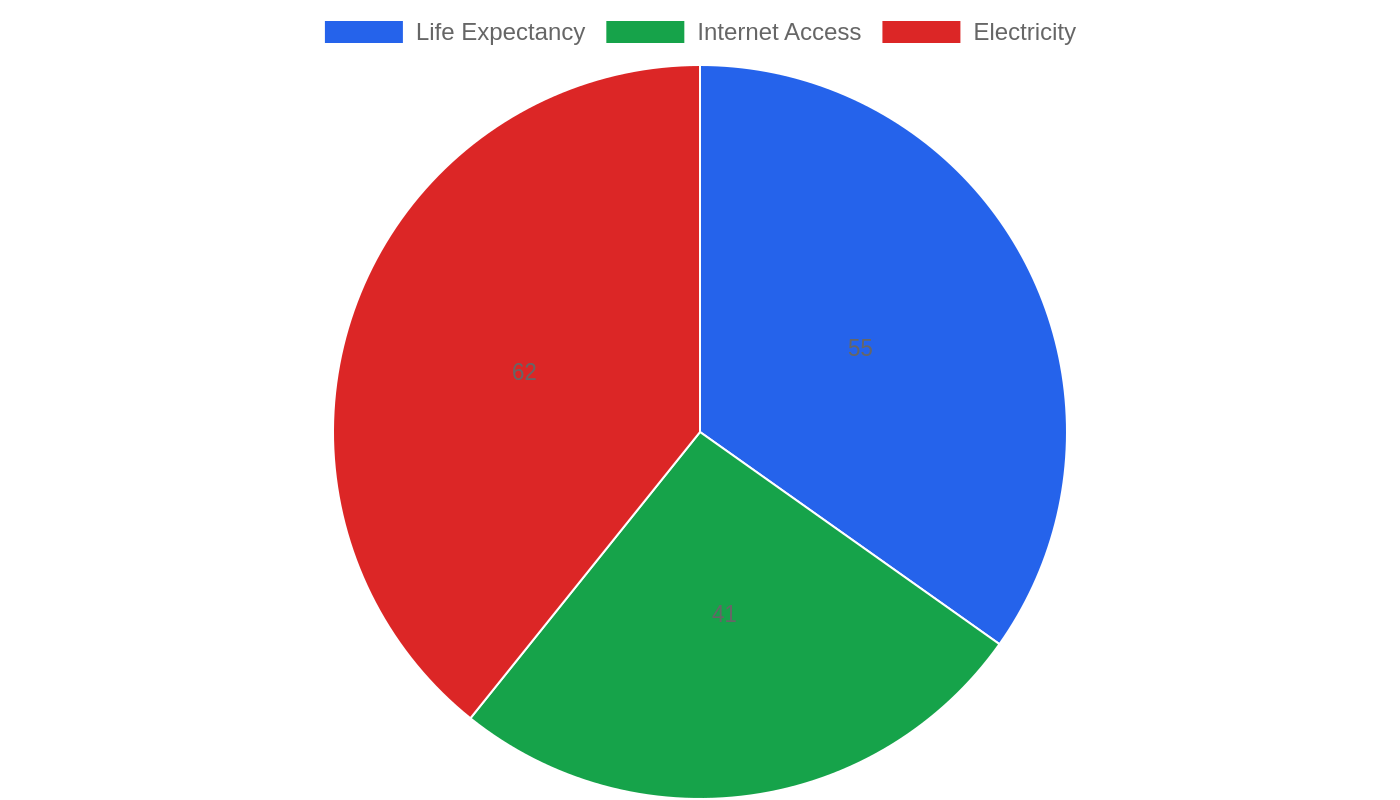
Economic Pulse Net | Sources: World Bank World Development Indicators, Government Sources | 2026
Key Takeaways
– Gibraltar’s economy remains a unique offshore hub, with its status as a British Overseas Territory shaping its financial services sector and trade relationships.
– The territory’s economic model is heavily dependent on services, particularly online gaming, financial services, and shipping — sectors that thrive despite the lack of a formal GDP data release from the World Bank.
– With no inflation or unemployment figures currently available, analysts are watching the post-Brexit treaty negotiations between the UK and the EU as the single biggest variable for Gibraltar’s future prosperity.
– The cost of living in Gibraltar is notoriously high, driven by limited land availability and its proximity to the Spanish mainland, where many workers commute daily.
– Safety remains a relative strength for the territory, though the lack of official crime indices means observers must rely on anecdotal and regional reporting.
The Economic Engine: Services, Sovereignty, and the Brexit Shadow
Gibraltar’s economy is a fascinating anomaly in the global financial landscape. The World Bank currently lists no official GDP growth, inflation, or unemployment figures for the territory, which speaks to its unique status as a non-sovereign jurisdiction that often falls through the cracks of international data collection. Yet the absence of hard numbers does not diminish the reality on the ground: this is a services-driven economy that has historically punched far above its weight.
The main industries in Gibraltar — financial services, online gaming, shipping, and tourism — form the backbone of local economic activity. The financial sector, in particular, has long been a magnet for expatriates and corporate entities seeking a favorable tax regime. The online gaming industry has also flourished, with numerous licensed operators calling the Rock home.
These industries are not just economic drivers; they are the lifeblood of a territory that has limited natural resources and no significant manufacturing base.
What makes Gibraltar’s economic situation particularly delicate is its political relationship with the European Union. Since Brexit, the territory has been in a state of negotiation regarding its future access to the EU single market. The outcome of these talks will determine whether Gibraltar’s financial services firms can continue to operate with the ease they once enjoyed. For now, the economy continues to function, but the uncertainty is palpable.
Businesses are holding their breath, and investment decisions are being deferred until the political landscape becomes clearer.
The Price of Paradise: Cost of Living on the Rock
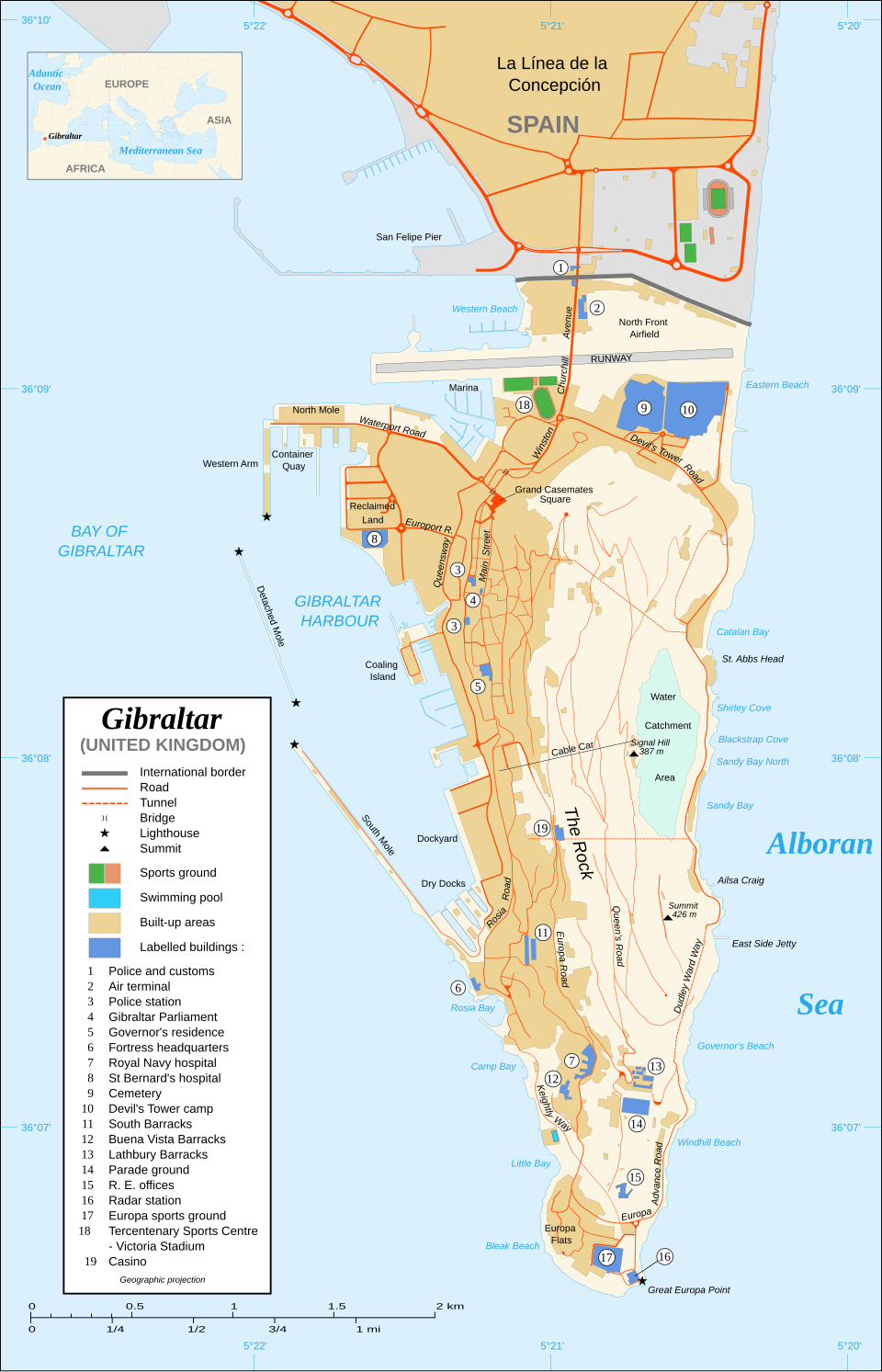
Living in Gibraltar is not cheap. The territory’s limited land area — just under seven square kilometers — creates a natural constraint on housing supply, driving property prices to levels that rival London or Geneva. Rental costs are particularly steep, and the concept of buying a home is out of reach for many young professionals unless they have significant family wealth or external income.
The cost of daily living is also elevated. Groceries, utilities, and dining out all carry a premium compared to the Spanish mainland, where many Gibraltar residents cross the border daily for cheaper goods and services. This cross-border dynamic creates a unique economic ecosystem: wages in Gibraltar are generally higher than in the surrounding Spanish region of Andalusia, but the cost of living on the Rock itself erodes much of that advantage.
For those willing to live in Spain and commute, the calculus is more favorable, but it comes with the trade-off of daily border crossings and the administrative complexities of living in one country while working in another.
Housing remains the most pressing issue. With no room for geographic expansion, the territory has turned to land reclamation projects to create new space for residential and commercial development. These projects are slow and expensive, and they do little to alleviate the immediate affordability crisis. For a territory that prides itself on being a hub for international business, the cost of living is a double-edged sword: it attracts high earners but deters the mid-level talent that every economy needs.
Investment and Business Climate: A Hub of Opportunity and Uncertainty
For investors, Gibraltar offers a compelling proposition: a stable legal system based on English common law, a low-tax environment, and proximity to both European and North African markets. The territory’s top companies are predominantly in the financial services, gaming, and shipping sectors, and they benefit from a regulatory framework that is both sophisticated and business-friendly.
However, the investment climate is not without its risks. The ongoing Brexit negotiations cast a long shadow over the territory’s future. A favorable deal with the EU would solidify Gibraltar’s position as a gateway between the UK and Europe. An unfavorable one could see businesses relocating to other jurisdictions, taking jobs and tax revenue with them. The uncertainty has already had a chilling effect on new investment, with many firms adopting a wait-and-see approach.
That said, Gibraltar has shown remarkable resilience in the past. It has weathered economic storms before, from the closure of the naval dockyard in the 1980s to the more recent challenges of the global financial crisis. The territory’s ability to pivot and reinvent itself is one of its greatest strengths. For now, the sectors to watch are online gaming, which continues to grow despite regulatory pressures, and the emerging fintech sector, which is beginning to make its presence felt.
Safety, Politics, and Quality of Life: Life on the Rock
Gibraltar is generally considered a safe place to live and work. The territory has a low incidence of violent crime, and the Royal Gibraltar Police maintain a visible presence. The lack of official crime index data from the World Bank makes comparisons difficult, but anecdotal evidence and regional reporting suggest that residents enjoy a high degree of personal safety.
The political landscape is defined by Gibraltar’s status as a British Overseas Territory. The local government, led by the Chief Minister, handles domestic affairs, while the UK retains responsibility for defense and foreign policy. This arrangement has served the territory well, but it also creates a unique set of political tensions.
The question of sovereignty — whether Gibraltar should remain British, become part of Spain, or pursue some form of shared sovereignty — remains a sensitive topic, though the vast majority of Gibraltarians consistently express a desire to remain British.
Quality of life on the Rock is high in many respects. The Mediterranean climate, the stunning views of the Strait of Gibraltar, and the rich cultural heritage make it an attractive place to live. The territory is also a haven for nature lovers, with the famous Barbary macaques and the Rock’s nature reserve drawing visitors from around the world. However, the high cost of living and the limited space can make life feel cramped, particularly for those accustomed to more expansive surroundings.
What’s Happening Now: The Treaty Talks That Could Define a Generation
The most pressing issue on Gibraltar’s horizon is the ongoing negotiation of a treaty between the UK and the European Union that would govern the territory’s post-Brexit relationship. This is not a dry diplomatic exercise; it has real-world implications for every aspect of life on the Rock, from border crossings to financial services regulation.
The talks have been described by officials as complex and delicate. At the heart of the matter is the question of movement: Gibraltar shares a land border with Spain, and the free movement of people and goods across that border is essential to its economy. Tens of thousands of workers and shoppers cross the border daily, and any disruption would have immediate and severe consequences.
There is also the issue of alignment with EU regulations. The financial services sector in Gibraltar has long operated under EU-compliant rules, and there is a desire to maintain that alignment to preserve market access. However, this creates a tension with the UK’s desire to diverge from EU rules in certain areas. Finding a middle ground that satisfies both sides is proving difficult.
The outcome of these negotiations is expected to be announced in the coming months, and the stakes could not be higher. A successful deal would provide the certainty that businesses and investors crave. A failure would leave Gibraltar in a legal and economic limbo, with no clear pathway forward. For now, the mood on the Rock is one of cautious optimism, tempered by the knowledge that the future is far from guaranteed.
The Bottom Line
Gibraltar is a small territory with an outsized economic footprint, but its future hangs in the balance. The ongoing treaty negotiations with the EU are the single most important factor to watch, as they will determine whether the Rock can maintain its status as a thriving financial hub or whether it will need to reinvent itself once again.
For investors, businesses, and policymakers with an interest in offshore finance and post-Brexit Europe, Gibraltar is a case study in resilience — and a cautionary tale about the costs of uncertainty. Those who watch this territory closely will see not just the fate of a small nation, but the broader contours of Europe’s evolving economic landscape.
Sources & Methodology
This article is authored by Economic Pulse Net for informational and research purposes. Economic Pulse Net sources its data from multilateral institutions, national statistics bureaus, and proprietary databases. All data is believed to be current as of the date of publication.
Published: August 07, 2026 | Category: Research — Gibraltar
Use these signals in your own platform
Economic Pulse publishes its live signal feed through a documented, read-only API. Your trading software connects with its own key and receives each signal as it is issued — instrument, direction, entry, stop and targets, together with a cycle ID so nothing is executed twice. The feed is independent of this website and cannot change it.
Signals are informational only and are not financial advice.