Economic Pulse Net | Sources: World Bank World Development Indicators, Government Sources | 2026
🇩🇪 Germany 2026 — The Slow-Burning Engine of Europe
Key Takeaways
* Stagnant but Stable Growth: Germany’s GDP growth is projected at a modest 0.24% for 2025, reflecting a period of economic consolidation rather than expansion.
Low Inflation Environment: With CPI inflation hovering near 2.17%, price stability has returned to the eurozone’s largest economy, easing pressure on households.
Tight Labor Market: Unemployment remains exceptionally low at 3.71%, indicating a resilient labor market despite broader economic headwinds.
High Wealth Concentration: A GDP per capita (PPP) of $75,406 and a GNI per capita of $60,200 underscore the nation’s high standard of living and purchasing power.
Economic Resilience Amidst Global Headwinds
Germany’s economic landscape in 2025 is defined by cautious steadiness rather than explosive growth. According to World Bank data, the country’s GDP growth is projected at a mere 0.24%, a figure that signals a significant deceleration from previous years but also suggests an avoidance of recessionary traps.
This stagnation is set against a backdrop of manageable inflation; with the Consumer Price Index (CPI) at 2.17%, price pressures have largely subsided, allowing consumers to regain some confidence in their spending power. Perhaps most striking is the labor market’s robustness: unemployment stands at just 3.71%, a testament to the structural strength of the German workforce and its ability to absorb shocks better than many peers.
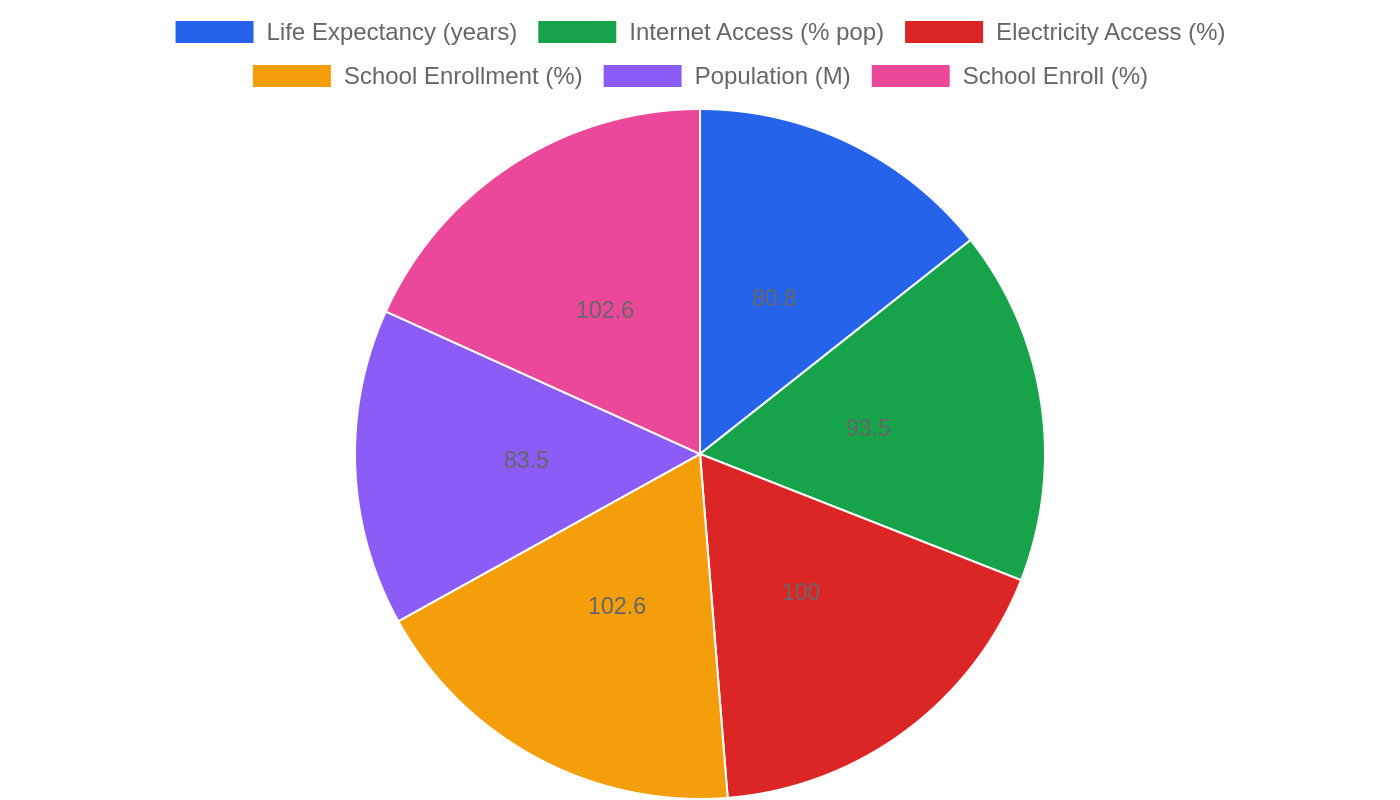
The sheer scale of this economy remains formidable, with a total GDP of approximately $5.05 trillion USD, anchoring it as a critical pillar of global trade. Furthermore, the wealth distribution metrics reveal a high standard of living, with GDP per capita (PPP) reaching $75,406 and GNI per capita at $60,200, driven by a population of over 83 million people.
These figures matter because they illustrate an economy that is mature and wealthy, yet currently navigating a transitional phase where traditional industrial drivers are being recalibrated toward new technological and service-oriented models.
Cost of Living and Housing Dynamics
While specific cost-of-living indices are not provided in the current dataset, the macroeconomic indicators paint a clear picture of affordability relative to income levels. With a Gross National Income (GNI) per capita of $60,200, German households possess substantial disposable income compared to many other European nations, which helps offset potential housing costs.
The low inflation rate of 2.17% further supports household budgets by preventing the rapid erosion of purchasing power that often accompanies higher inflation environments. For residents, this means that while daily expenses may be elevated due to the country’s high quality of life standards, the trajectory of prices is stable and predictable. Investors and expatriates can infer that the gap between earnings and living costs is likely favorable, supporting a sustainable consumption pattern.
However, the lack of granular housing data suggests that regional disparities within the sixteen federated states may still play a significant role in individual financial planning, particularly in major urban centers versus rural areas.
Investment & Business Climate
The corporate landscape in Germany is diverse, featuring heavyweights across consumer goods, industrials, and technology sectors. Notable entities include Adidas and Aldi, which dominate the consumer services and goods markets, reflecting strong domestic and international brand loyalty. In the industrial sector, companies like Abeking & Rasmussen, ABUS, AEG, and Aixtron highlight Germany’s enduring strength in manufacturing and specialized engineering.
Meanwhile, the emergence of firms such as About You in technology and ABO Energy in the energy sector signals a dynamic shift toward digitalization and renewable resources. Financial stability is supported by institutions like Aareal Bank, ensuring that capital flows remain accessible for business expansion. This mix of established giants and emerging innovators creates a fertile ground for investment, particularly in sectors aligned with green energy and digital transformation.
Businesses operating within this framework benefit from a highly skilled workforce and a regulatory environment that, while complex, offers predictability and strong intellectual property protections.
Safety, Politics & Quality of Life
Germany operates as a federal, parliamentary, representative democratic republic, providing a stable political framework that underpins its economic reliability. Legislative power is vested in a bicameral system comprising the Bundestag and the Bundesrat, ensuring that both direct popular will and state-level interests are represented in lawmaking.
The Bundestag is elected through a personalized proportional representation system with a 5% threshold, fostering a multi-party environment that encourages coalition-building and policy compromise. Members of the Bundesrat are appointed by the governments of the sixteen federated states, adding a layer of regional oversight to national legislation.
While specific crime and safety indices are listed as N/A in the available data, the political structure itself implies a high degree of institutional integrity and rule of law. This political stability is crucial for long-term planning, as it minimizes the risk of sudden policy shifts or civil unrest. Citizens enjoy a high quality of life supported by these robust democratic institutions, which prioritize social cohesion and economic fairness.
What’s Happening Now / Current Affairs
The current economic narrative in Germany is one of careful navigation through a period of low growth and structural adjustment. With GDP growth barely positive at 0.24%, policymakers are likely focusing on measures to stimulate demand without triggering inflationary pressures, given the CPI is already at a healthy 2.17%. The tight labor market, with unemployment at 3.71%, suggests that any fiscal stimulus must be carefully targeted to avoid overheating the wage sector.
Recent developments in the corporate world show a continued pivot toward sustainability and digital innovation, led by companies in the energy and technology sectors. The political landscape remains active, with the interplay between the Bundestag and Bundesrat shaping policies that balance federal goals with state-specific needs. As the country moves through 2025, the focus is on maintaining this delicate equilibrium—preserving employment and wealth levels while slowly rebuilding growth momentum.
Stakeholders are watching closely to see if upcoming legislative sessions will introduce reforms that can accelerate this transition.
The Bottom Line
Germany remains a critical destination for investors seeking stability and high-income potential, even in the face of sluggish growth. Its low unemployment and high per capita income provide a solid foundation for long-term holdings, particularly in industrial and consumer sectors. Those looking for rapid, high-risk returns may find the market too conservative, but for those prioritizing security and steady dividends, Germany offers a compelling proposition.
Ultimately, the country’s political stability and economic resilience make it a safe harbor in uncertain times.
Sources & Methodology
This article is authored by Economic Pulse Net for informational and research purposes. Economic Pulse Net sources its data from multilateral institutions, national statistics bureaus, and proprietary databases. All data is believed to be current as of the date of publication.
Published: October 27, 2026 | Category: Research — Germany
Use these signals in your own platform
Economic Pulse publishes its live signal feed through a documented, read-only API. Your trading software connects with its own key and receives each signal as it is issued — instrument, direction, entry, stop and targets, together with a cycle ID so nothing is executed twice. The feed is independent of this website and cannot change it.
Signals are informational only and are not financial advice.