Economic Pulse Net | Sources: World Bank World Development Indicators, Government Sources | 2026
Key Takeaways
– Political Stability Amidst Complexity: The Czech Republic operates as a mature, pluralist parliamentary democracy, with a bicameral legislature that ensures robust checks and balances. This institutional framework provides a predictable environment for both citizens and investors.
– Manufacturing and Industrial Heritage: The country’s economic identity remains deeply rooted in its industrial capacity, particularly in automotive and machinery sectors, which continue to shape its export-driven growth model.
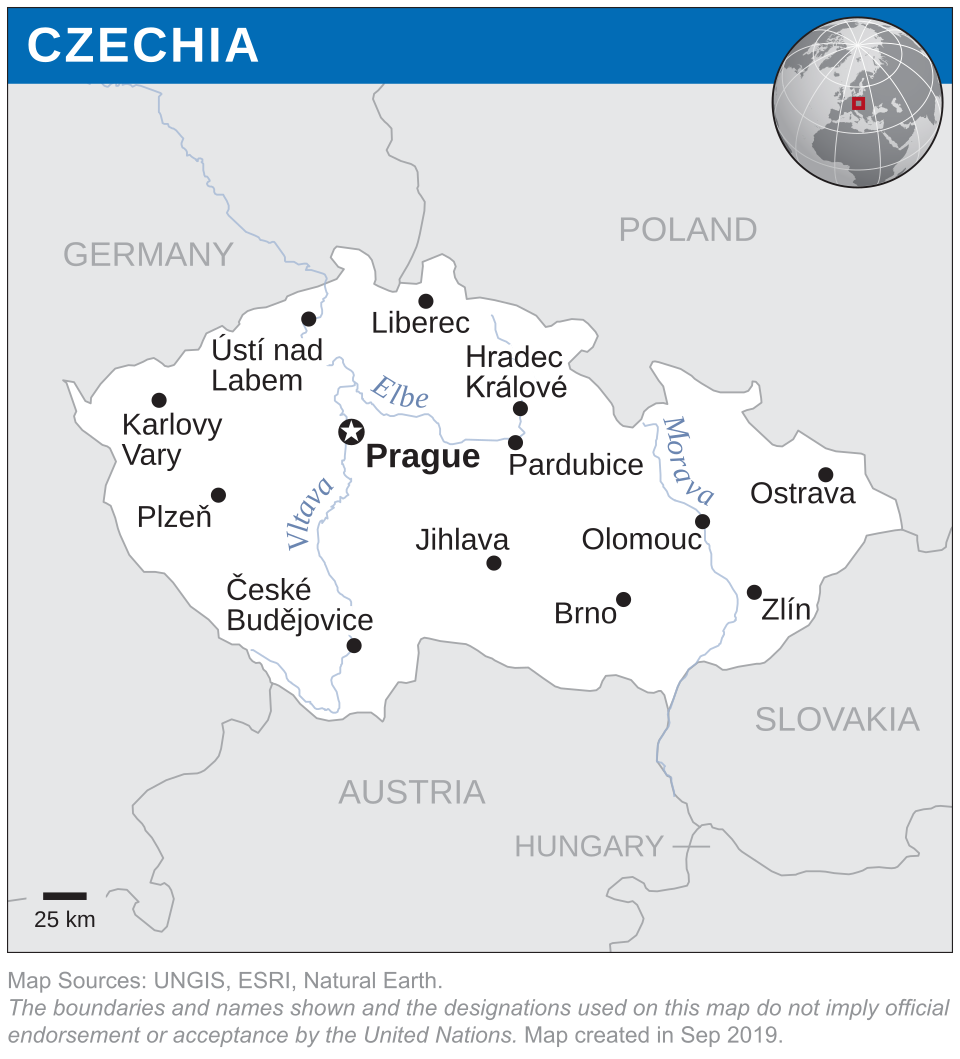
– A Pivotal Geographic Position: Situated in the heart of Europe, Czechia serves as a critical logistical and manufacturing hub, linking Western European markets with the developing economies of the East.
– Strategic Policy Evolution: With a political system featuring proportional representation and a 5% electoral threshold, coalition governments are the norm, requiring consensus-building that can lead to gradual, but steady, policy shifts.
– Watchful Eye on the Future: As the country navigates global supply chain changes and the green transition, its ability to adapt will determine its next chapter of economic prosperity.
The Economic Engine — From Industrial Heartland to Modern Hub
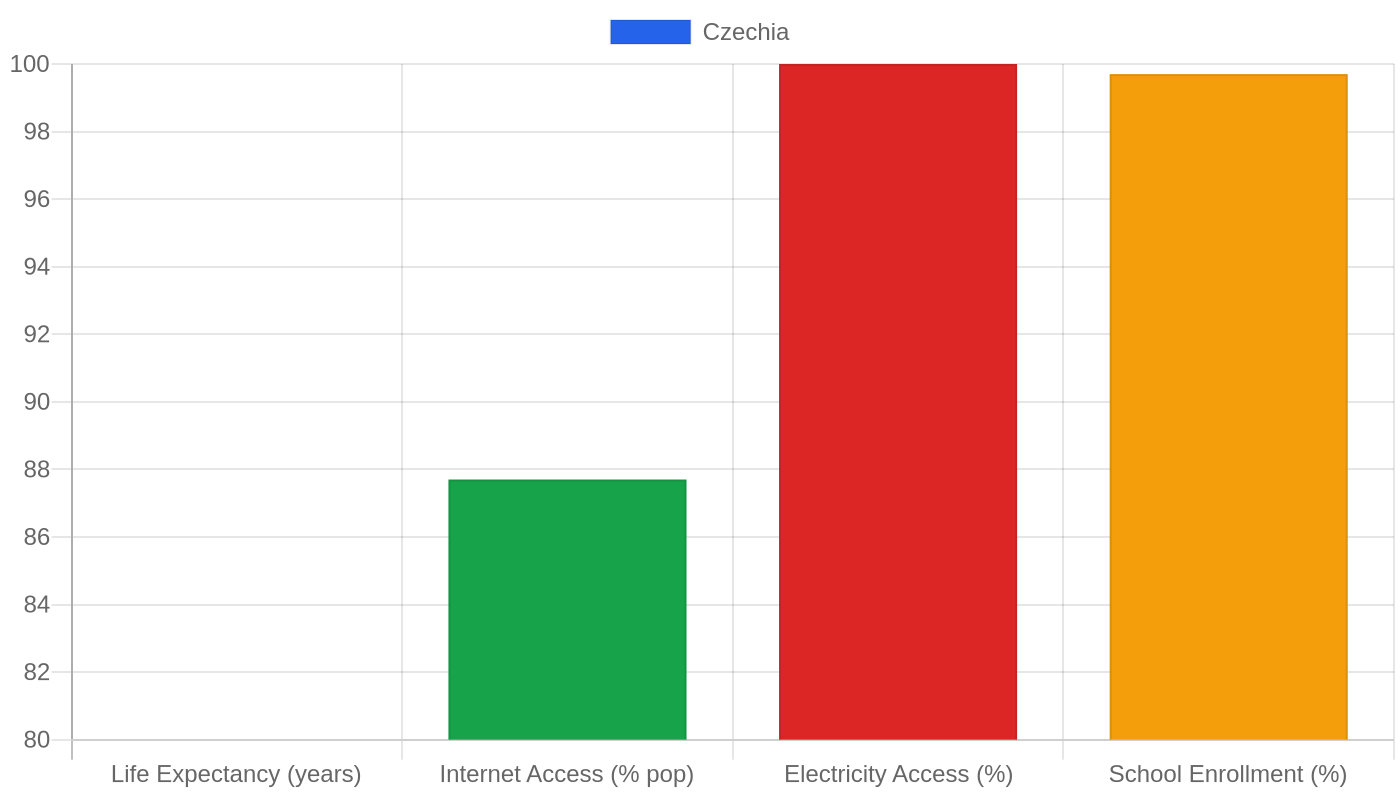
The narrative of the Czech economy is one of a successful transition from a centrally planned system to a dynamic, export-oriented market economy. While the World Bank currently lists the latest specific figures for GDP growth, inflation, and unemployment as unavailable, the structural picture is clear and compelling. The country’s economic identity is anchored in a deep industrial heritage that has evolved to meet modern demands.
The Czech Republic is often described as the “industrial heartland” of Central Europe. This is not a historical relic; it is a living, breathing economic reality. The automotive sector is the undisputed king, with a dense network of manufacturers and suppliers that rivals any in the world. This industrial base creates a high demand for skilled labor, which has historically kept unemployment rates low and wages competitive compared to regional peers.
The reliance on exports, particularly to Germany and other EU member states, makes the Czech economy a key bellwether for the broader European manufacturing cycle. Consequently, while the headline numbers are currently opaque, the underlying strength of its production base provides a solid foundation for long-term growth, even as the country looks to diversify into higher-value-added technology and engineering services.
The Cost of Living — Balancing Wages and Rising Prices
In recent years, the cost of living in Czechia has been a topic of intense national discussion. While specific index data is not provided, the general trend across the region has been one of rising prices, particularly for housing and energy. The country’s capital, Prague, has seen property prices climb significantly, making home ownership an increasingly distant dream for younger generations and creating a robust rental market.
This pressure is a double-edged sword. On one hand, rising wages, driven by the tight labor market and industrial demand, have helped many households keep pace. On the other, the rapid increase in the cost of basic necessities—from groceries to utilities—has squeezed household budgets, particularly for those on fixed incomes.
The affordability gap between Prague and the rest of the country is also a defining feature, with regional cities offering a significantly lower cost of living but often fewer high-paying job opportunities. This dynamic is a crucial factor in domestic politics and consumer sentiment, influencing everything from election results to savings rates.
Investment & Business Climate — A Land of Opportunity and Challenge
For international investors, the Czech Republic presents a compelling proposition. Its central location, well-educated workforce, and developed infrastructure make it a prime location for European headquarters and manufacturing plants. The country is a hub for the automotive, engineering, and increasingly, the IT and software development sectors.
The presence of a skilled, multilingual labor force is a significant draw, as is the country’s strong rule of law and membership in the European Union, which provides access to the single market.
The top companies operating within Czechia are a mix of domestic champions and international giants. Many of the world’s leading automotive OEMs have significant production facilities in the country, surrounded by a deep ecosystem of local suppliers. The business environment, while generally stable, is not without its challenges. Bureaucracy can sometimes be a hurdle, and the country has historically struggled with a shortage of skilled labor, particularly in technical fields.
However, the overall sentiment remains positive, with businesses viewing Czechia as a stable, reliable, and strategically vital part of their European operations. The ongoing focus on digitalization and Industry 4.0 presents new avenues for investment in automation and advanced manufacturing.
Safety, Politics & Quality of Life — A Society of Stability
The Czech Republic consistently ranks as one of the safest countries in Europe. The crime index is low, and the safety index is correspondingly high, contributing to a high quality of life. This sense of security is a major asset, making the country attractive for families and expatriates alike.
The political landscape, as described by the World Bank, is a “pluralist multi-party parliamentary representative democracy,” a system that, while sometimes leading to complex coalition negotiations, ensures a broad spectrum of voices is heard in the policy-making process.
This political stability is the bedrock upon which the country’s economic success is built. The bicameral Parliament, comprising the Chamber of Deputies and the Senate, provides a robust legislative process. Citizens enjoy a high degree of personal freedom and a rich cultural life, with a strong tradition of arts, music, and literature.
The balance between a secure environment, a functioning democracy, and a rich cultural tapestry makes Czechia a highly desirable place to live and work, a fact that is reflected in its continued attractiveness to foreign talent and investment.
What’s Happening Now — Navigating Headwinds and Charting a New Course
Right now, the Czech economy is at a critical juncture. The post-pandemic recovery has been complicated by global supply chain disruptions and the energy crisis that has swept across Europe. While the World Bank’s latest data on inflation and growth is not available, the prevailing narrative is one of cautious resilience. The country is actively working to reduce its reliance on energy imports and is accelerating its investment in renewable sources and nuclear power to secure long-term energy independence.
The political scene is active, with the government navigating these economic challenges while addressing long-term structural issues like housing affordability and public sector reform. There is a strong push from the business community to streamline regulations and cut red tape to maintain the country’s competitive edge. The automotive industry is undergoing a profound transformation, with significant investments being made in electric vehicle production and battery technology.
This shift is arguably the most significant economic development in a generation, as Czechia aims to ensure that its industrial heartland remains at the forefront of the next automotive era. The outcome of these current efforts will define the country’s economic trajectory for the next decade.
The Bottom Line
Czechia is not just a story of past industrial glory; it is a nation actively reinventing itself for the future. The combination of a skilled workforce, strategic location, and stable political system offers a powerful foundation for continued prosperity. For investors and businesses, it remains a reliable and strategically vital gateway to the European market.
As it navigates the complex transition to a greener, more digital economy, Czechia is a country to watch—a testament to the enduring strength of manufacturing in a rapidly changing world.
Sources & Methodology
This article is authored by Economic Pulse Net for informational and research purposes. Economic Pulse Net sources its data from multilateral institutions, national statistics bureaus, and proprietary databases. All data is believed to be current as of the date of publication.
Published: August 20, 2026 | Category: Research — Czechia
Use these signals in your own platform
Economic Pulse publishes its live signal feed through a documented, read-only API. Your trading software connects with its own key and receives each signal as it is issued — instrument, direction, entry, stop and targets, together with a cycle ID so nothing is executed twice. The feed is independent of this website and cannot change it.
Signals are informational only and are not financial advice.