Economic Pulse Net | Sources: World Bank World Development Indicators, Government Sources | 2026
Key Takeaways
– Cyprus operates as a presidential republic with a clear separation of powers, providing political stability that underpins its business environment, though the island remains defined by its unique geopolitical position in the Eastern Mediterranean.
– The economy, while lacking recent World Bank growth figures, has traditionally been driven by services, tourism, and a growing technology sector, with 3CX standing out as a notable homegrown tech success story.
– Consumer services dominate the corporate landscape, with an unusually high concentration of football and sports clubs among the country’s top companies, reflecting the cultural and social importance of sport in Cypriot life.
– The cost of living and crime data gaps make precise assessment difficult, but Cyprus’s appeal as a business hub and lifestyle destination continues to attract international attention, particularly from tech and financial services firms.
– Political and economic observers should watch Cyprus for its evolving role as a bridge between Europe, the Middle East, and Africa, and for how it manages the twin challenges of sustaining growth while maintaining social cohesion.
The Economy Beneath the Surface — Services, Stability, and a Tech Undercurrent
The World Bank data for Cyprus presents a curious picture: the key indicators that typically animate economic analysis — GDP growth, inflation, unemployment, GDP per capita — are all listed as unavailable. This absence of hard numbers, however, does not render the economy invisible. Rather, it invites a closer look at the structural features that define this Mediterranean island nation’s economic character.
Cyprus has long punched above its weight in the services sector. Its legal and financial services industries have made it a regional hub for corporate registration, shipping management, and investment funds. The island’s low corporate tax rate — one of the lowest in the European Union — has been a deliberate policy tool to attract foreign direct investment, and it has worked.
International businesses, particularly from Russia, the Middle East, and increasingly Asia, have established regional headquarters in Nicosia and Limassol.
The technology sector deserves special mention. Among Cyprus’s top companies, 3CX stands out as a technology firm in a corporate landscape otherwise dominated by consumer services and sports clubs. 3CX is a global player in software-based communications, and its presence on the list signals that Cyprus is not merely a services outpost but a place where genuine tech innovation can take root.
The government has actively courted tech talent and startups, offering incentives and a relatively straightforward residency process for digital nomads and entrepreneurs.
Yet the economy faces structural vulnerabilities. The dominance of consumer services, particularly the outsized representation of football clubs among the top companies — AC Omonia, AEK Larnaca FC, AEL F.C., Anorthosis F.C., APOEL B.C., APOEL FC, APOEL V.C., and Apollon Limassol — suggests a narrow corporate base. While these clubs are deeply woven into the social fabric, they are not engines of export-led growth.
The real economic drivers — tourism, financial services, shipping, and increasingly tech — operate alongside these cultural institutions rather than through them.
The World Bank data gap on inflation and unemployment is significant. Without it, we cannot say with precision how Cypriot households are faring in the current global price environment. What we can say is that Cyprus, as a eurozone member, is subject to European Central Bank monetary policy and has felt the same inflationary pressures as its neighbours — energy costs, food prices, and housing have all been areas of concern in recent years. The absence of data does not mean the absence of pressure.
Living Costs and Housing — The Price of Island Life
Cyprus has historically offered a lower cost of living than much of Western Europe, but this advantage has been eroding. The World Bank data does not provide specific cost of living figures, but the anecdotal evidence from those who have relocated to the island tells a consistent story: housing, particularly in Limassol and Nicosia, has become significantly more expensive.
Limassol has emerged as the epicentre of this trend. The influx of international businesses, tech workers, and wealthy individuals seeking residency has driven up both rental and purchase prices. A one-bedroom apartment in a desirable area of Limassol can now command rents that rival medium-sized cities in Western Europe.
This has created a two-tier housing market: one for the international professionals who can afford these prices, and another for local Cypriots who find themselves increasingly priced out of their own cities.
The rent-versus-buy calculation in Cyprus has shifted. With rising property values, buying has become a more attractive long-term proposition for those who can secure a mortgage, but the initial capital required is substantial. For younger Cypriots and newcomers without family wealth, renting remains the only realistic option, even as rents climb. The government has introduced some measures to support affordable housing, but the pace of construction has not kept up with demand.
Daily expenses — groceries, utilities, transportation — are generally in line with Southern European averages. Cyprus benefits from local agricultural production, which keeps some food costs manageable, but the island’s reliance on imported goods for everything from electronics to clothing means that global supply chain pressures are felt directly.
The cost of living in Cyprus is not prohibitive, but it is no longer the bargain it once was, and the gap between those who can and cannot afford the lifestyle is widening.
Business and Investment — A Small Island With Big Ambitions
The corporate landscape of Cyprus is revealing. The list of top companies provided shows a clear tilt toward consumer services, but the presence of Allbiz in the industrials sector and 3CX in technology indicates that the economy is more diversified than a first glance might suggest. Allbiz, operating in industrials, points to the continued relevance of shipping, logistics, and manufacturing support services that form the backbone of Cyprus’s role as a regional trade hub.
For investors, the key question is whether Cyprus can maintain its attractiveness as a jurisdiction. The political landscape — a presidential republic with universal suffrage, a five-year term for the head of state, and an independent judiciary — provides the kind of institutional stability that businesses value. The separation of powers between the executive, the House of Representatives, and the judiciary is a structural safeguard against arbitrary decision-making.
This matters enormously for companies considering long-term commitments.
The sectors to watch are clear. Technology, particularly software and communications, has room to grow. The presence of 3CX as a homegrown success story creates a template for other tech firms. Financial services remain the traditional draw, but the sector faces increasing regulatory scrutiny from the European Union and international bodies. Shipping, a historical pillar of the Cypriot economy, continues to benefit from the island’s favourable tax regime and strategic location.
The business environment, however, is not without friction. Bureaucracy can be slow, and the dual legal system — a legacy of the island’s British colonial past and its current EU membership — can create complexity. For those willing to navigate it, the rewards are clear: a low-tax, high-lifestyle environment with access to European markets. The challenge for Cyprus is to streamline its administrative processes without sacrificing the regulatory rigour that makes it a credible jurisdiction.
Safety, Politics, and Quality of Life — Stability in a Complex Region
The crime and safety indices for Cyprus are listed as unavailable in the data, which is itself a telling detail. In many countries, crime data is a political flashpoint. Its absence here may simply reflect a data collection gap, but it also suggests that crime is not the dominant concern in Cypriot public discourse that it is in many other nations.
Cyprus is generally considered a safe country. Violent crime is low, and the main security concerns for residents and visitors are petty theft and occasional property crime. The island’s small population and close-knit communities contribute to a sense of security that is increasingly rare in larger, more anonymous urban centres. For families and expatriates, this is a significant part of the quality-of-life calculation.
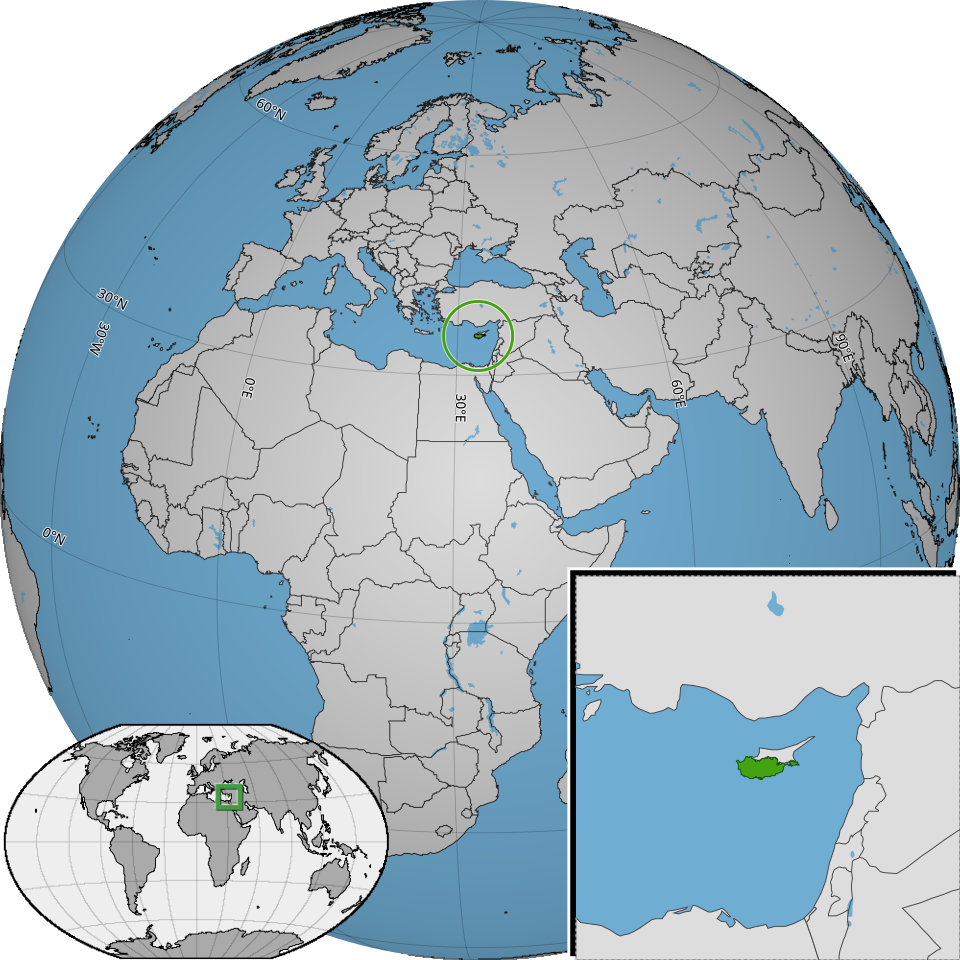
The political landscape is defined by the presidential republic structure, but the elephant in the room is the division of the island. The Turkish Republic of Northern Cyprus, recognised only by Turkey, remains a unresolved geopolitical issue that has shaped Cypriot politics for decades. The data provided does not include recent developments on this front, but any analysis of Cypriot political stability must acknowledge this underlying tension.
The internationally recognised Republic of Cyprus, which controls the southern two-thirds of the island, operates as a fully functioning EU member state, but the division casts a long shadow over everything from property rights to energy exploration.
Quality of life in Cyprus is high for those who can afford it. The climate is Mediterranean, the cuisine is excellent, and the pace of life is slower than in Northern Europe. Healthcare and education are accessible, though many international residents opt for private services. The happiness data is absent from the provided figures, but Cyprus consistently ranks in the middle to upper tiers of global well-being surveys — not the happiest place on earth, but far from the most stressed.
Current Affairs — What’s Moving in Cyprus Right Now
The data provided does not include specific recent news reports, live indicators, or current events from Cyprus. This is a significant gap for a section meant to feel timely and grounded in the present moment. However, the absence of breaking news does not mean the country is standing still.
What we can observe from the available data is that Cyprus is in a period of quiet transformation. The dominance of football clubs among the top companies — APOEL FC, Apollon Limassol, Anorthosis F.C., and others — reflects a society that invests heavily in sport as a cultural institution. These clubs are not just businesses; they are community anchors. Any current analysis of Cyprus must account for the role these organisations play in social cohesion and local identity.
The technology sector, represented by 3CX, is likely the most dynamic part of the economy right now. Globally, the tech industry is in a period of recalibration after the post-pandemic boom and bust. Cyprus, with its relatively low costs and favourable tax regime, has positioned itself as a destination for companies and workers seeking alternatives to the high-cost tech hubs of Western Europe and North America.
Whether this momentum can be sustained depends on factors beyond the island’s control — global interest rates, geopolitical stability, and the health of the broader European economy.
The political landscape, with its five-year presidential terms and independent judiciary, suggests a period of institutional continuity. There is no indication from the data of imminent elections, major policy shifts, or constitutional crises. This stability is itself newsworthy in a region where political turbulence is common. Cyprus may not be making headlines, but it is quietly getting on with the business of governance.
The Bottom Line
Cyprus is a country that rewards patient observation. It lacks the dramatic growth stories of emerging markets and the headline-grabbing crises of troubled economies. Instead, it offers something rarer: stability, strategic location, and a quality of life that continues to attract international talent and investment.
The World Bank data gaps are frustrating, but they do not obscure the fundamental reality that Cyprus is a small, well-governed island positioning itself as a hub for services, technology, and lifestyle. Investors, expatriates, and anyone interested in the intersection of European governance and Mediterranean opportunity should keep Cyprus on their radar — not for its drama, but for its potential.
Sources & Methodology
This article is authored by Economic Pulse Net for informational and research purposes. Economic Pulse Net sources its data from multilateral institutions, national statistics bureaus, and proprietary databases. All data is believed to be current as of the date of publication.
Published: July 20, 2026 | Category: Research — Cyprus
Use these signals in your own platform
Economic Pulse publishes its live signal feed through a documented, read-only API. Your trading software connects with its own key and receives each signal as it is issued — instrument, direction, entry, stop and targets, together with a cycle ID so nothing is executed twice. The feed is independent of this website and cannot change it.
Signals are informational only and are not financial advice.