Economic Pulse Net | Sources: World Bank World Development Indicators, Government Sources | 2026
Key Takeaways
– Cyprus operates as a presidential republic with universal suffrage, where executive power rests with the government and legislative authority lies with the House of Representatives, creating a stable democratic framework for economic policy.
– The country’s economic profile is currently marked by significant data gaps in key metrics from the World Bank, suggesting a period of transition or reporting delays that investors should monitor closely.
– The nation’s corporate landscape is dominated by consumer services and sports-related enterprises, with technology and industrials also represented, indicating a services-driven economic model.
– With an independent judiciary and clear separation of powers, Cyprus presents a rule-of-law environment that underpins its attractiveness as a regional business hub.
– The absence of current crime and safety indices makes it challenging to assess social stability, though the political structure suggests institutional continuity.
The Economic Puzzle — Reading Between the Lines of Cyprus’s Data Silence
The World Bank’s latest data release for Cyprus presents an intriguing paradox: headline indicators including GDP growth, inflation, unemployment, and GDP per capita currently show no reported figures. For a country that has historically positioned itself as an Eastern Mediterranean financial gateway, this statistical silence speaks volumes about the complexities of data collection in a nation with unique geopolitical circumstances.
The absence of hard numbers does not diminish Cyprus’s economic significance; rather, it underscores the challenges of measuring economic activity in a jurisdiction that must balance EU membership obligations with its distinctive political situation.
Cyprus’s economic structure, as revealed through its major corporations, is heavily weighted toward consumer services, with a notable cluster of football clubs including AC Omonia, AEK Larnaca FC, AEL F.C., Anorthosis F.C., APOEL FC, and Apollon Limassol dominating the corporate roster. This concentration suggests a domestic economy where sports and entertainment play an outsized role in business activity and employment. The presence of APOEL B.C. and APOEL V.C.
indicates a multi-sport corporate structure that extends beyond football into basketball and volleyball, reflecting a society where athletic enterprises serve as significant economic actors.
The technology sector’s representation through 3CX and the industrial presence of Allbiz point to diversification efforts beyond the traditional services base. This mix of technology, industrials, and consumer services suggests an economy in transition, attempting to build knowledge-based industries while maintaining its established service sector strengths.
For economists and investors, the lack of hard data makes Cyprus something of a blank canvas — a nation whose true economic performance must be inferred from corporate activity and structural indicators rather than official statistics.
Property and Living Costs — The Mediterranean Premium
Housing and daily expenses in Cyprus reflect its positioning as a premium Mediterranean destination, though specific cost data remains unreported in the current World Bank dataset. The country’s dual nature — simultaneously a regional business hub and a tourist destination — creates unique pressure on housing markets, particularly in coastal areas and major urban centers.
Rent versus buy calculations in Cyprus have historically favored property ownership, with many residents viewing real estate as both a home and an investment vehicle.
The cost of living in Cyprus carries a distinct Mediterranean character, with dining, entertainment, and leisure activities forming significant portions of household budgets. The prominence of consumer services companies in the corporate landscape suggests a robust domestic consumption market, which typically correlates with developed retail and hospitality sectors.
For expatriates and international workers, Cyprus has traditionally offered a cost advantage over Western European counterparts, though this gap has narrowed in recent years as the island’s popularity has grown.
Without precise regional comparisons available in the current data, observers must rely on the structural indicators at hand. The strong presence of sports and entertainment enterprises implies discretionary spending capacity among the population, while the technology sector’s growth suggests an influx of higher-income professionals who may drive up housing costs in desirable neighborhoods.
The absence of hard cost-of-living figures creates uncertainty for potential relocators, but the continued corporate activity suggests an economy where consumer spending remains resilient.
Business and Investment — A Corporate Landscape in Transition
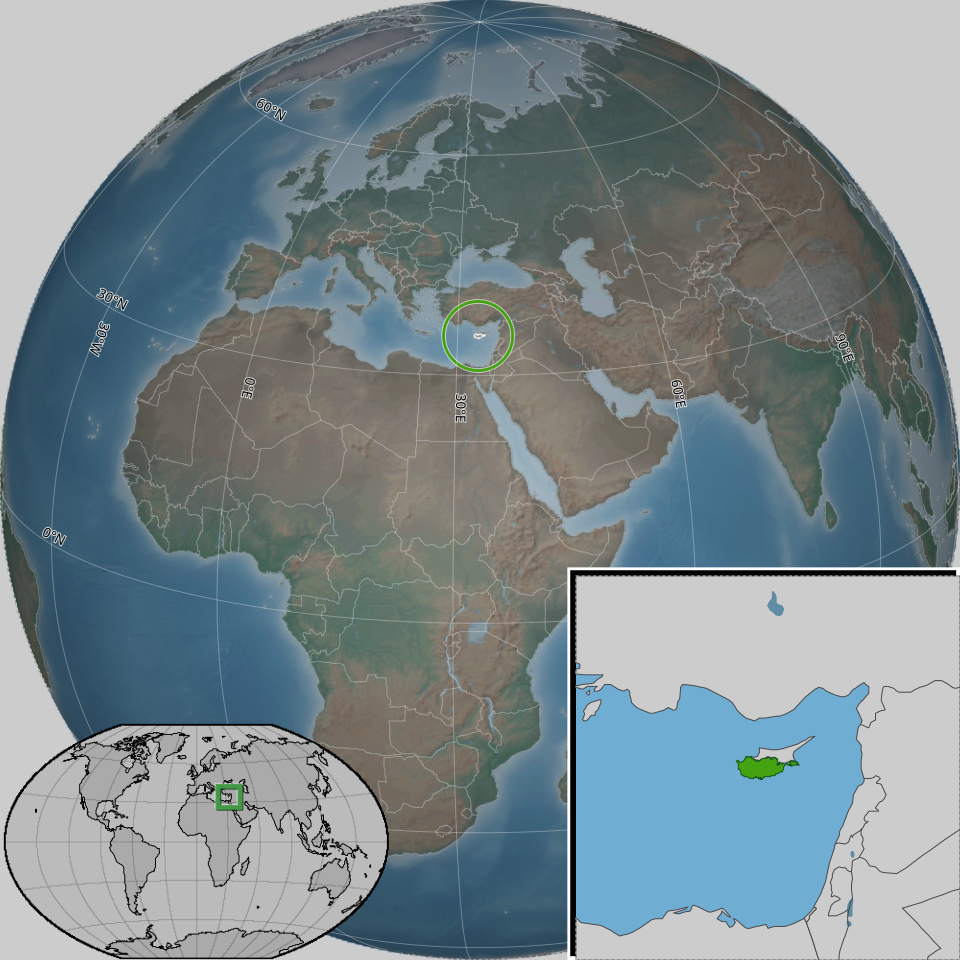
Cyprus’s investment climate is defined by its strategic position at the crossroads of Europe, the Middle East, and Africa, a geographic advantage that has long attracted international businesses seeking a foothold in multiple markets. The corporate roster reveals an economy where consumer services dominate, but the presence of 3CX in technology signals growing ambition in the digital sector.
This technology company’s success could serve as a bellwether for Cyprus’s ability to attract and nurture knowledge-based enterprises beyond its traditional service strengths.
The industrial presence of Allbiz suggests that Cyprus maintains manufacturing and logistics capabilities that may be underappreciated in broader regional assessments. For investors, the current data vacuum presents both risks and opportunities — the lack of transparent economic indicators makes due diligence more challenging, but also suggests that early movers who understand the local landscape may find undervalued opportunities.
The sports club conglomerates, including the multi-sport APOEL organization, represent a unique investment class that combines entertainment, community engagement, and commercial operations.
The business environment benefits from Cyprus’s political stability and its independent judiciary, which provides the legal certainty that international investors require. The government’s executive authority, balanced by the legislative power of the House of Representatives, creates a system of checks and balances that has historically supported consistent business regulation.
For companies considering Cyprus as a regional headquarters, the combination of EU membership, strategic location, and a services-oriented economy presents a compelling proposition, even as the lack of updated economic data complicates traditional investment analysis.
Politics, Safety, and Daily Life — The Institutions Behind the Economy
Cyprus’s political landscape is anchored in its presidential republic system, where the head of state and government emerges from universal suffrage for a five-year term. This structure provides political continuity and clear lines of authority, factors that contribute to the stable environment businesses require.
The separation of powers between the executive, the House of Representatives, and an independent judiciary creates institutional checks that have historically supported Cyprus’s reputation as a reliable jurisdiction for international business and finance.
The absence of current crime and safety indices makes it difficult to provide definitive assessments of public security, though the country’s political stability and developed institutional framework suggest a generally safe environment. The prominence of family-oriented consumer services and sports clubs in the corporate landscape hints at a society with strong community bonds and active civic engagement.
The multi-sport nature of clubs like APOEL, which fields teams in football, basketball, and volleyball, indicates a population that values communal activities and maintains robust social infrastructure.
Quality of life in Cyprus is shaped by its Mediterranean climate, cultural heritage, and the balance between modern economic activity and traditional ways of life. The political system’s stability, combined with the independent judiciary’s protection of property rights, creates conditions that support both business confidence and personal security.
For residents and newcomers alike, the country offers the combination of a functioning democracy and a strategic geographic position that few other nations can match.
Current Affairs — Navigating Uncertainty with Institutional Confidence
As 2026 unfolds, Cyprus finds itself navigating a period of economic reporting uncertainty that coincides with broader regional shifts. The absence of updated World Bank data on key indicators suggests either ongoing data collection challenges or a period of statistical recalibration, both of which warrant close attention from investors and policymakers.
The government’s continued operation through its established constitutional structures provides a measure of confidence even as the economic picture remains incomplete.
The technology sector’s growth, exemplified by 3CX’s position among the country’s top companies, points to ongoing efforts to diversify the economy beyond traditional services. The continued operation of major sports enterprises indicates that consumer spending remains robust, even without official GDP figures to confirm the trend.
The corporate landscape’s stability, with familiar names maintaining their positions among the top companies, suggests that established businesses are weathering whatever economic conditions currently prevail.
For observers, the current situation in Cyprus represents a test of institutional resilience — can the country maintain investor confidence when official data lags? The answer appears to be yes, given the continued corporate activity and the political system’s stability. The House of Representatives and the executive branch continue to function, the judiciary remains independent, and the business community persists in its operations.
These factors, more than any statistical release, demonstrate the underlying strength of Cyprus’s economic and political foundations.
The Bottom Line
Cyprus in 2026 presents a study in institutional strength amid data opacity. For investors and businesses seeking a stable, EU-member jurisdiction at the crossroads of three continents, the country’s political structure and independent judiciary offer the certainty that numbers cannot always capture. The services-driven economy, with its unique concentration of sports enterprises and growing technology sector, provides a distinctive investment landscape that rewards local knowledge and patience.
While the absence of updated World Bank metrics creates challenges for conventional analysis, the country’s continued corporate activity and political stability suggest an economy that remains fundamentally sound. For those willing to look beyond the data gaps, Cyprus offers a strategic gateway opportunity that few Mediterranean locations can match.
Sources & Methodology
This article is authored by Economic Pulse Net for informational and research purposes. Economic Pulse Net sources its data from multilateral institutions, national statistics bureaus, and proprietary databases. All data is believed to be current as of the date of publication.
Published: August 25, 2026 | Category: Research — Cyprus
Use these signals in your own platform
Economic Pulse publishes its live signal feed through a documented, read-only API. Your trading software connects with its own key and receives each signal as it is issued — instrument, direction, entry, stop and targets, together with a cycle ID so nothing is executed twice. The feed is independent of this website and cannot change it.
Signals are informational only and are not financial advice.