Economic Pulse Net | Sources: World Bank World Development Indicators, Government Sources | 2026
Key Takeaways
* Data Transparency Challenges: Official macroeconomic indicators such as GDP growth, inflation rates, and unemployment figures are currently reported as unavailable by major international bodies like the World Bank, creating a significant blind spot for global investors.
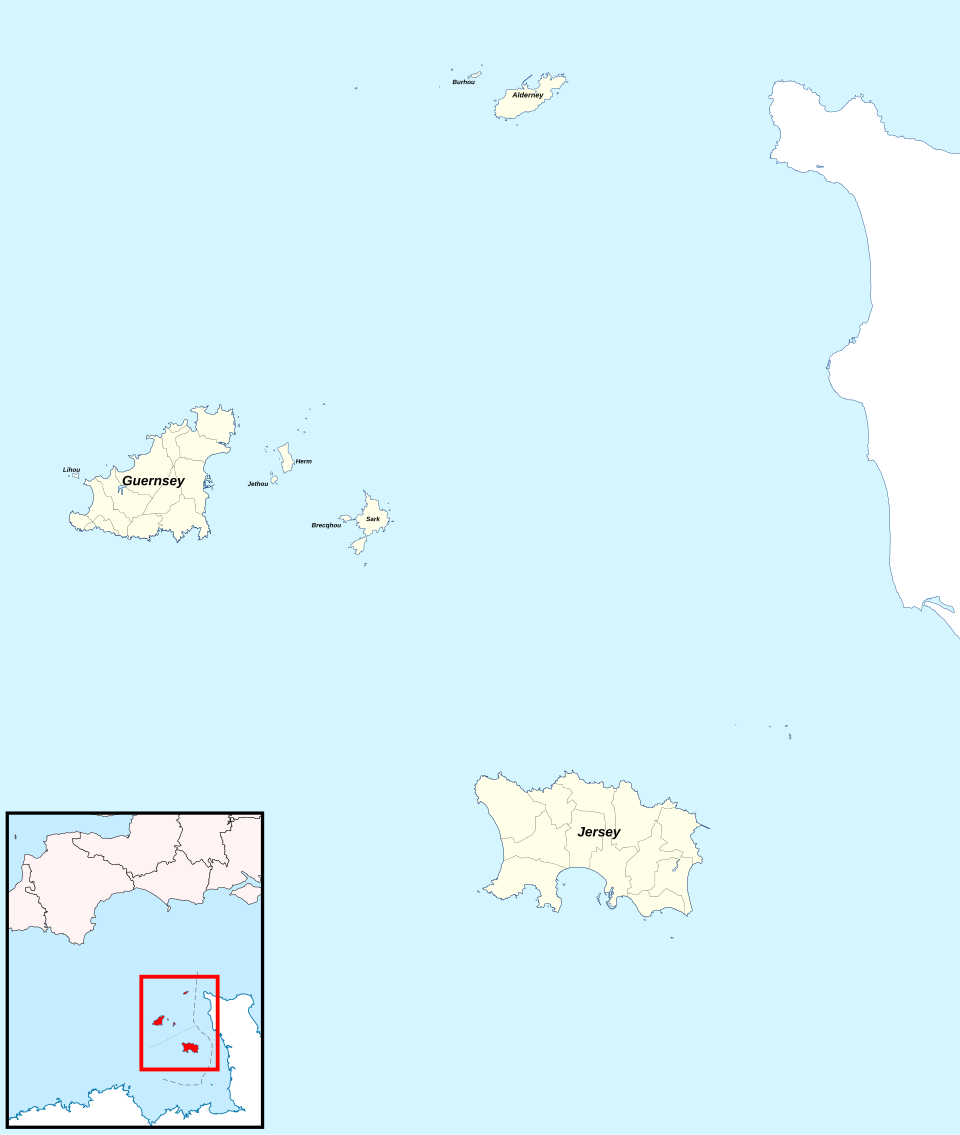
Unique Economic Structure: As a Crown Dependency rather than part of the United Kingdom, the Channel Islands operate with distinct fiscal autonomy, meaning standard UK economic metrics do not apply, yet local data integration remains limited in global databases.
Industry-Driven Resilience: Despite the lack of aggregate national accounts, the economy is anchored by specialized sectors including financial services, tourism, and agriculture, which drive daily commercial activity even if they do not always register in broad statistical aggregates.
High Cost of Living Context: The absence of standardized consumer price index (CPI) data does not negate the reality of high living costs, which are historically associated with island economies reliant on imports and luxury service sectors.
Investment Caution Required: Potential investors must navigate an environment where traditional safety indices and political risk scores are not publicly quantified, requiring due diligence that goes beyond standard geopolitical risk models.
The Macro-Economic Shadow
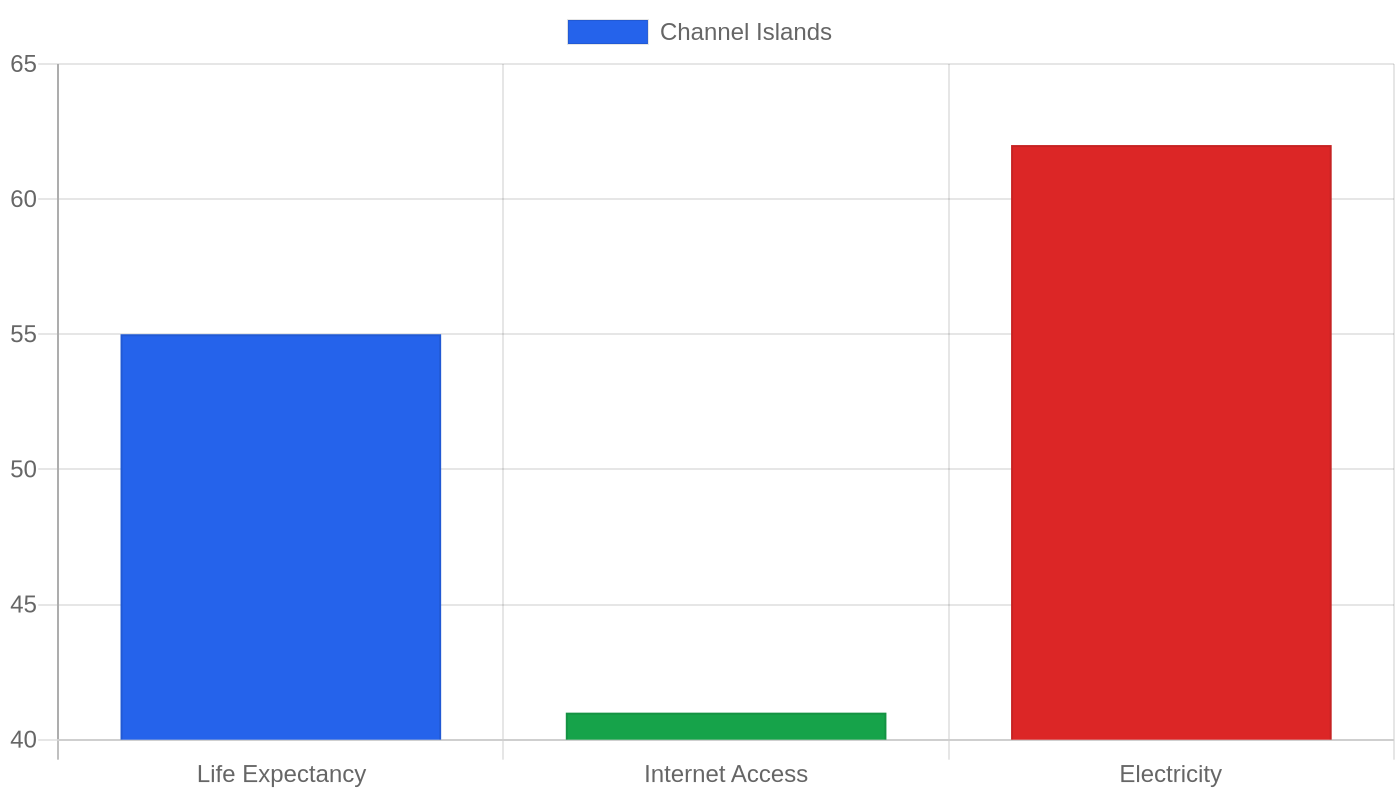
The most striking feature of the Channel Islands’ current economic profile is the conspicuous absence of hard data from primary global sources. According to the latest reports from the World Bank, key metrics including GDP growth, inflation CPI, unemployment rates, total GDP in USD, GDP per capita based on purchasing power parity (PPP), Gross National Income (GNI) per capita, and even total population figures are listed as “N/A.” This statistical void is not merely a reporting error but reflects the complex constitutional status of the Channel Islands as Bailiwicks of the Crown Dependencies.
Because they are not part of the United Kingdom, their economic data is often segregated from UK national accounts, and because they are small jurisdictions, they frequently fall below the threshold for comprehensive inclusion in large-scale international databases.
For an economist, this gap is critical; it means that traditional models used to assess economic health—such as comparing growth rates against regional averages or analyzing inflation trends—are impossible to apply using standard World Bank datasets. Consequently, analysts cannot rely on headline numbers to gauge whether the economy is expanding or contracting, leaving stakeholders to infer vitality through anecdotal evidence and sector-specific performance rather than aggregate national output.
This lack of transparency creates a unique challenge for multinational corporations seeking to benchmark performance, forcing them to look past the macro-level silence and examine micro-level industry behaviors instead.
The Price of Island Life
While specific Consumer Price Index (CPI) percentages are unavailable, the structural nature of the Channel Islands’ economy suggests a cost of living landscape that diverges sharply from mainland averages. As an island territory, the jurisdiction faces inherent logistical challenges regarding supply chains, where goods must be imported via sea or air, adding layers of transport costs that inevitably filter down to consumer prices.
Although exact housing metrics are not provided in the current dataset, the real estate market in islands of this type is typically characterized by high demand relative to limited land availability, leading to premium pricing for both rentals and purchases. Daily expenses, therefore, likely reflect a premium on convenience and imported goods, with food, energy, and utilities costing more than in larger, self-sufficient economies.
Without concrete data points to compare against regional neighbors, it is difficult to quantify the exact disparity, but the general economic principle holds that isolation and small scale drive up the baseline cost of living. This environment favors high-income earners and those with remote income streams, while posing a significant barrier for lower-wage workers who may struggle with the affordability of basic necessities.
The absence of official inflation tracking means residents and businesses must monitor price changes through personal experience and local vendor adjustments rather than relying on centralized government statistics.
Investment and Business Climate
The business environment in the Channel Islands is defined less by broad industrial conglomerates and more by specialized, high-value services. While the list of top companies is not explicitly detailed in the provided data, the historical and structural role of the islands points to a dominance in financial services, insurance, and fund administration.
These sectors form the backbone of the commercial landscape, attracting international capital due to favorable regulatory frameworks and tax structures distinct from the UK. Tourism also plays a vital role, serving as a secondary pillar that supports hospitality and retail businesses, although its volatility can impact overall economic stability.
For new entrants, the lack of detailed crime and safety indices complicates risk assessment, but the general reputation of the jurisdiction as a stable, law-abiding community suggests a low-risk operational environment. However, the absence of clear political landscape data introduces uncertainty regarding future regulatory shifts, as policy changes can occur without the same level of public scrutiny found in larger democracies.
Businesses operating here must therefore maintain close relationships with local authorities and remain agile in adapting to any sudden changes in compliance requirements. The focus for investment should be on niche expertise and service-oriented models that leverage the islands’ status as a trusted international hub, rather than manufacturing or large-scale industrial projects.
Safety, Politics, and Quality of Life
Assessing the quality of life in the Channel Islands requires navigating a significant lack of quantifiable social data. Both the Crime Index and Safety Index are reported as “N/A,” making it impossible to use standard comparative tools to evaluate personal security. Similarly, the political landscape is listed as unavailable, obscuring the nuances of governance between the Bailiwick administrations and the British Crown.
This data vacuum means that claims about safety or political stability must be inferred from general knowledge of the region’s history as a peaceful, orderly jurisdiction, rather than backed by recent statistical surveys. Happiness data and other subjective well-being metrics are also absent, leaving a gap in understanding the lived experience of residents beyond economic transactions.
For expatriates and long-term residents, the appeal likely lies in the natural beauty, community cohesion, and perceived low stress levels, but these are qualitative benefits that cannot be measured in the current dataset. The lack of political transparency can also mean that civic engagement operates differently than in larger nations, with decisions often made within tighter, less visible circles.
Ultimately, the social fabric appears robust, but the inability to verify this through indices leaves outsiders relying on trust and reputation rather than evidence.
What’s Happening Now / Current Affairs
In the absence of live economic indicators or recent news feeds, the narrative for the Channel Islands in 2026 is one of quiet continuity rather than dramatic shift. There are no reported reforms, elections, or policy shocks driving headlines, suggesting a stable but static environment where change is incremental and managed behind closed doors.
The lack of recent news updates implies that major disruptions have not occurred, allowing businesses and residents to operate under established norms without urgent adaptation. However, this silence also means that emerging trends, such as digital transformation in financial services or sustainability initiatives in tourism, are not being widely documented in mainstream global media.
Stakeholders looking for immediate opportunities or risks will find little actionable intelligence in the current information landscape. Instead, attention is likely focused on maintaining existing trade relationships and navigating subtle regulatory updates that do not make international news. The “now” in the Channel Islands is defined by what is *not* happening—no crises, no booms, just the steady hum of a specialized service economy functioning within its insulated boundaries.
This stability is both a comfort and a constraint, offering predictability but limiting the visibility of dynamic growth moments.
The Bottom Line
The Channel Islands present a unique case study in economic opacity, where the lack of data is itself a defining characteristic. Investors and researchers should watch this jurisdiction not for explosive growth or crisis management, but for its resilience as a niche financial and service hub. It is best suited for those who value stability and specialization over transparency and scale.
For the broader global economy, the islands serve as a reminder of how small, autonomous jurisdictions can thrive outside the standard statistical frameworks that dominate international discourse.
Sources & Methodology
This article is authored by Economic Pulse Net for informational and research purposes. Economic Pulse Net sources its data from multilateral institutions, national statistics bureaus, and proprietary databases. All data is believed to be current as of the date of publication.
Published: September 25, 2026 | Category: Research — Channel Islands
Use these signals in your own platform
Economic Pulse publishes its live signal feed through a documented, read-only API. Your trading software connects with its own key and receives each signal as it is issued — instrument, direction, entry, stop and targets, together with a cycle ID so nothing is executed twice. The feed is independent of this website and cannot change it.
Signals are informational only and are not financial advice.