Economic Pulse Net | Sources: World Bank World Development Indicators, Government Sources | 2026
Key Takeaways
– The UAE operates as a federal semi-presidential state under a semi-constitutional monarchy, with a unique power-sharing structure across seven hereditary sheikhdoms that shapes every aspect of its economic governance.
– The Federal Supreme Council, composed of the ruling Sheikhs of Abu Dhabi, Ajman, Fujairah, Sharjah, Dubai, Ras Al Khaimah, and Umm Al Quwain, serves as the highest economic and political authority, with revenue-sharing arrangements binding the federation together.
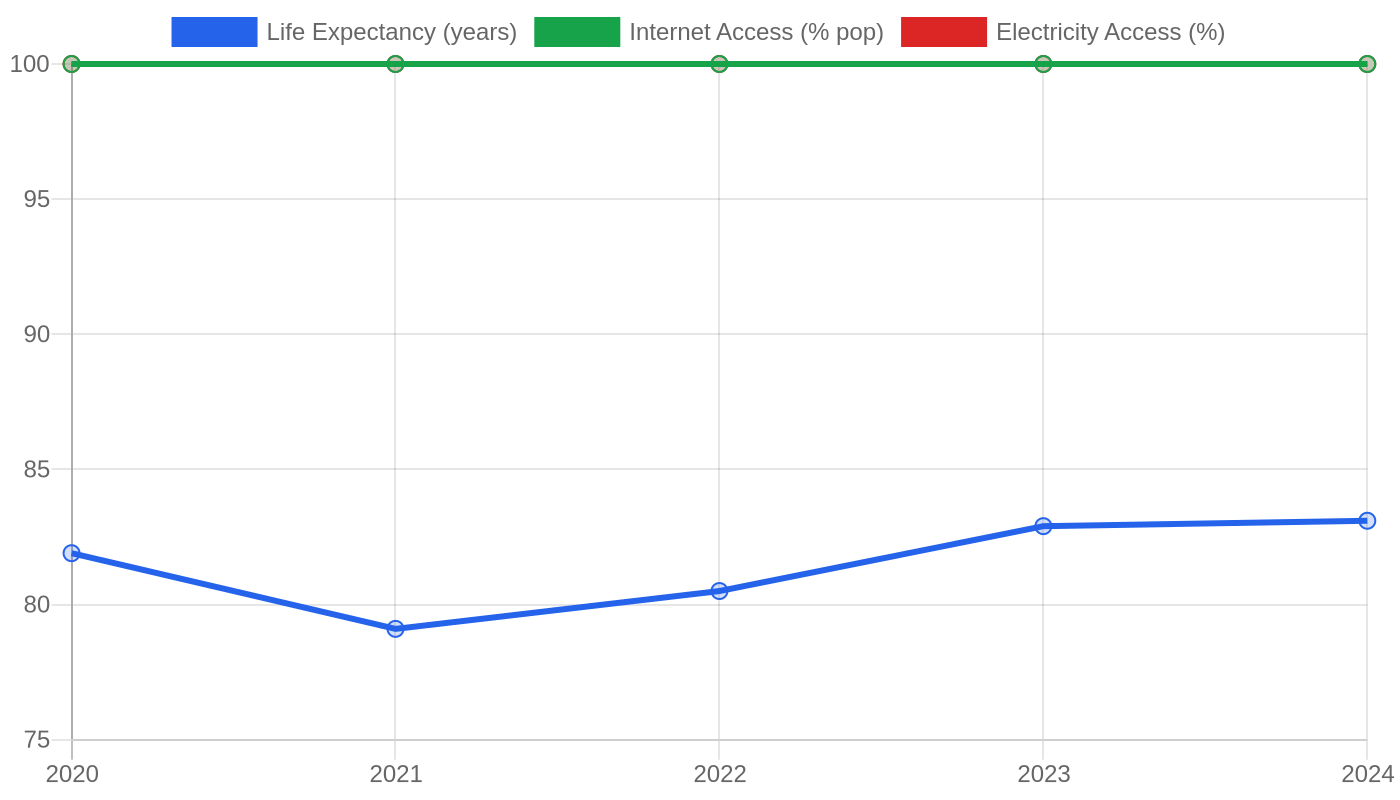
– Economic data from the World Bank currently shows gaps in standard metrics, but the UAE’s economic narrative is defined by its institutional structure rather than conventional indicators alone.
– Individual emirates retain significant economic autonomy, creating a patchwork regulatory environment where Dubai and Abu Dhabi operate as distinct commercial hubs with different priorities and strengths.
– The country’s economic resilience stems from its federal revenue allocation system, where a percentage of each emirate’s revenues flows to the central government, funding national infrastructure and diversification initiatives.
Sources & Methodology
This article is authored by Economic Pulse Net for informational and research purposes. Economic Pulse Net sources its data from multilateral institutions, national statistics bureaus, and proprietary databases. All data is believed to be current as of the date of publication.
Published: August 01, 2026 | Category: Research — UAE
Use these signals in your own platform
Economic Pulse publishes its live signal feed through a documented, read-only API. Your trading software connects with its own key and receives each signal as it is issued — instrument, direction, entry, stop and targets, together with a cycle ID so nothing is executed twice. The feed is independent of this website and cannot change it.
Signals are informational only and are not financial advice.