Economic Pulse Net | Sources: World Bank World Development Indicators, Government Sources | 2026
Key Takeaways
– Taiwan remains the world’s most critical hub for advanced semiconductor manufacturing, anchored by Taiwan Semiconductor Manufacturing Company (TSMC), making its economic health a global concern.
– The island’s economic landscape is defined by a powerful technology sector, with Hon Hai Precision Industry (Foxconn), Quanta Computer, and Pegatron forming the backbone of global electronics supply chains.
– Taiwan’s political system operates under a unique constitutional framework with five branches of government, a structure that shapes its distinct governance and policy approach.
– The economy is a dual-track story: world-class high-tech manufacturing coexists with a vibrant consumer services sector, including globally recognized brands like 85°C Bakery Cafe.
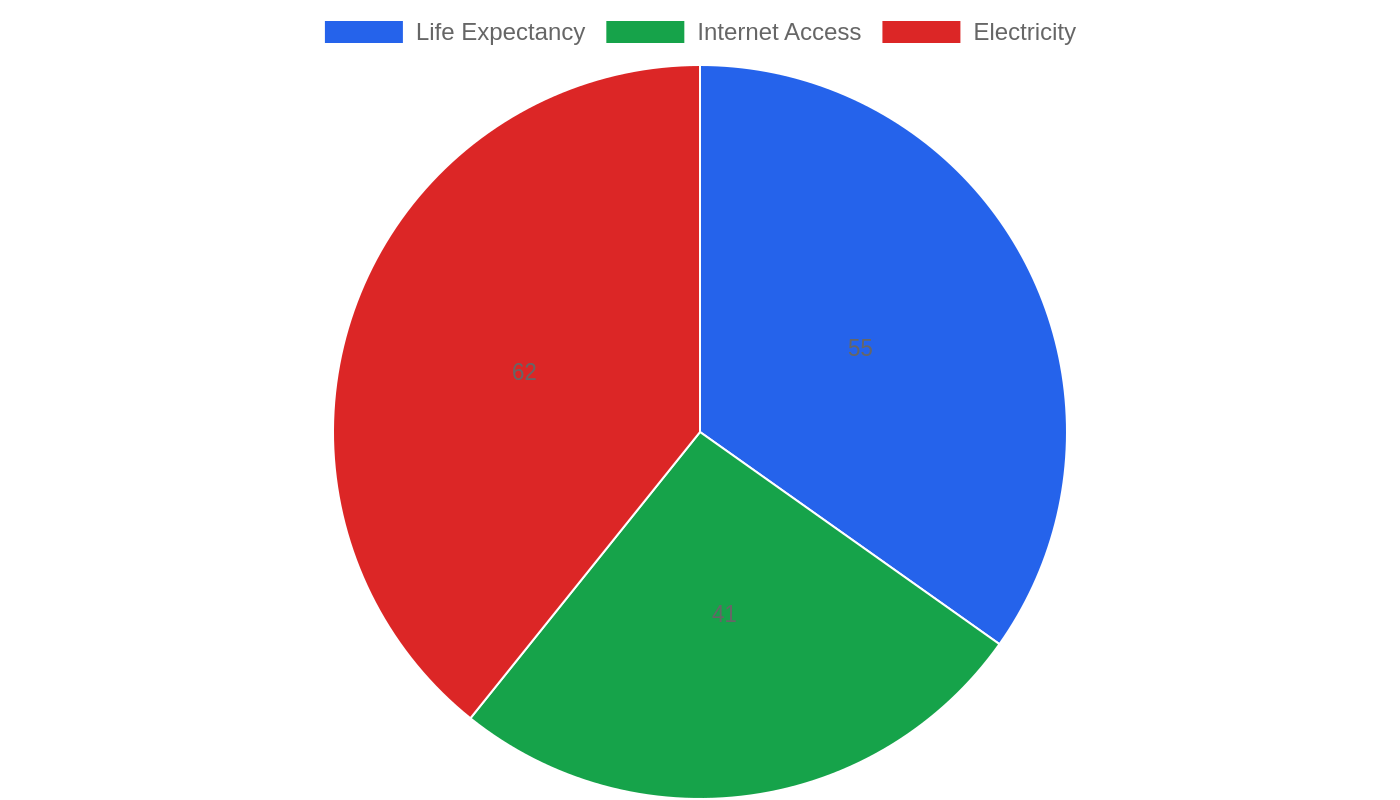
– With the World Bank data showing no current aggregate figures, the focus shifts to the qualitative strengths and structural characteristics that define Taiwan’s economic model.
The Silicon Shield: Understanding Taiwan’s Economic Engine
The absence of headline GDP or inflation figures from the World Bank in this dataset does not diminish Taiwan’s outsized role in the global economy—it simply means we must look at the structure rather than the statistics. Taiwan’s economic narrative is overwhelmingly written by its technology sector.
At the heart of this stands Taiwan Semiconductor Manufacturing Company (TSMC), the world’s most important foundry, producing the advanced chips that power everything from smartphones to artificial intelligence systems. The concentration of this capability on a single island is a defining feature of the modern global economy, creating both immense strategic value and significant vulnerability.
Alongside TSMC, Hon Hai Precision Industry, better known globally as Foxconn, serves as the world’s largest electronics manufacturer, assembling devices for major global brands. The ecosystem extends to Quanta Computer and Pegatron, both major players in laptop and server manufacturing. This cluster of companies forms a vertically integrated network of design, fabrication, and assembly that is unmatched anywhere else in the world.
The World Bank’s data may be silent on Taiwan’s growth rate, but the operational reality is that when these companies breathe, the global technology sector feels it.
The industrial landscape, however, is not monolithic. Taiwan also hosts a significant energy sector presence with CPC, the state-owned petroleum company, which plays a crucial role in the island’s energy security and industrial input costs. The mix of high-tech manufacturing and energy infrastructure suggests an economy that has successfully navigated the transition from low-cost assembly to high-value innovation.
The unemployment and inflation data may not be available in this snapshot, but the continued global demand for Taiwan’s semiconductor output implies an economy operating at or near full capacity, with the accompanying wage pressures that such a position typically brings.
The Cost of Living on the High-Tech Edge
While specific cost-of-living indices are not provided, the structure of Taiwan’s economy offers strong inferences about daily life on the island. The presence of major consumer services companies like A.mart, a hypermarket chain, and the globally recognized 85°C Bakery Cafe indicates a mature domestic consumer market with sophisticated retail competition.
This suggests that Taiwan’s cities, particularly Taipei, have developed a cost structure comparable to other advanced Asian economies, where housing in prime urban areas commands significant premiums.
The technology sector’s high wages create a dual economy where skilled engineers enjoy substantial purchasing power, while service sector workers face the pressures of urban living costs. The rapid expansion of companies like Quanta and Pegatron has driven demand for office space and housing near their manufacturing hubs, pushing property prices in those regions upward.
The presence of A4Tech, a technology company, alongside consumer brands, illustrates the interweaving of the production and consumption economies, where the wealth generated by manufacturing feeds directly into domestic demand for goods and services.
The Investment Landscape: Beyond the Chip
For investors and business partners, Taiwan represents a high-stakes, high-reward environment. The dominant investment thesis revolves around the semiconductor supply chain, with TSMC as the crown jewel. However, the presence of diverse companies in the World Bank’s top companies list—from Wistron in technology to 50 Lan and 85°C Bakery Cafe in consumer services—reveals opportunities beyond pure tech.
The business climate is characterized by a deep respect for engineering excellence, a robust intellectual property regime, and a culture of rapid iteration and manufacturing precision.
The consumer services sector, while less globally visible than the chip industry, is a significant and growing part of the domestic economy. Brands like 50 Lan and A.mart demonstrate the strength of local retail and food service, which are less exposed to global trade cycles and offer more stable, predictable growth.
The challenge for foreign investors is navigating the close ties between government, industry, and research institutions, a relationship that has been the bedrock of Taiwan’s technological success. The political landscape, rooted in the 1947 Constitution and its Three Principles of the People, provides a stable legal framework, though the island’s unique international status remains a consideration for any long-term business planning.
Governance and Quality of Life in a Unique State
Taiwan’s political system is a distinct entity in the world order. Founded on the 1947 Constitution of the Republic of China and the Three Principles of the People, the government has evolved significantly through the Additional Articles added in the 1990s. This constitutional framework divides power among five branches, or Yuan: the Executive Yuan (the cabinet), the Legislative Yuan (parliament), the Judicial Yuan, and two others that oversee examination and control functions.
This structure, a legacy of Sun Yat-sen’s political philosophy, creates a system of checks and balances that is unique among modern democracies.
The data does not provide a crime index or safety score, but the broader social context suggests a society with strong community bonds and a well-functioning public sphere. The emphasis on education and technological literacy, driven by the needs of the high-tech economy, contributes to a high quality of life for many residents. The political environment is dynamic and often contentious, reflecting a healthy democratic discourse.
The stability of the system, despite external pressures, is a testament to the resilience of its institutions. The quality of life in Taiwan is closely tied to its economic performance; the high wages in the tech sector enable a comfortable standard of living, while the robust consumer services sector ensures a vibrant cultural and social scene.
The Present Moment: Navigating the Global Tech Tides
Right now, Taiwan’s economy is at the center of a global recalibration of technology supply chains. The world’s increasing demand for advanced semiconductors, driven by artificial intelligence and data centers, has placed TSMC and its ecosystem in an unprecedentedly powerful position. This demand is spurring expansion and investment, but it also brings challenges, including rising energy costs and the need for massive water usage in chip fabrication.
The presence of CPC on the top companies list highlights the critical issue of energy security; the island’s manufacturing engine is heavily dependent on imported energy, making it sensitive to global energy price fluctuations.
The domestic consumer market is also evolving. The success of companies like 85°C Bakery Cafe, which has expanded internationally, shows that Taiwanese consumer brands are finding ways to export their business models. The government’s focus remains on maintaining the island’s technological edge through investment in research and development, while also managing the social and economic dislocations that come with rapid industrial change.
The interplay between the global demand for chips and the domestic need for stable prices and employment will define the economic policy agenda in the coming months. The world is watching Taiwan, not just for its geopolitical significance, but as the linchpin of the global digital economy.
The Bottom Line
Taiwan is a country that investors, policymakers, and business leaders cannot afford to ignore. Its technological prowess, centered on TSMC and its manufacturing ecosystem, makes it a critical node in the global economy. The absence of recent aggregate economic data in this report is a gap, but the structural strength of its industrial base and the vibrancy of its consumer market tell a compelling story of resilience and innovation.
For those looking to understand the future of technology, or seeking a market with deep engineering talent and a dynamic business environment, Taiwan is essential watching. The island’s ability to balance its unique political status with its global economic role will remain the central narrative for years to come.
Sources & Methodology
This article is authored by Economic Pulse Net for informational and research purposes. Economic Pulse Net sources its data from multilateral institutions, national statistics bureaus, and proprietary databases. All data is believed to be current as of the date of publication.
Published: August 10, 2026 | Category: Research — Taiwan
Use these signals in your own platform
Economic Pulse publishes its live signal feed through a documented, read-only API. Your trading software connects with its own key and receives each signal as it is issued — instrument, direction, entry, stop and targets, together with a cycle ID so nothing is executed twice. The feed is independent of this website and cannot change it.
Signals are informational only and are not financial advice.