Economic Pulse Net | Sources: World Bank World Development Indicators, Government Sources | 2026
Key Takeaways
– The Philippines operates a unique presidential system where the president and vice president are elected separately, creating a dynamic and sometimes contentious political landscape that directly shapes economic policy.
– As a constitutional republic with a democratic government, the country’s institutional framework provides both stability and unpredictability for investors and citizens alike.
– The Philippines’ economic narrative is one of resilience and potential, with its democratic institutions serving as the bedrock for long-term development planning.
– The country’s six-year presidential term structure allows for extended policy implementation, though the separate election of the vice president creates a distinctive check on executive power.
– For observers of emerging markets, the Philippines represents a compelling case study in how democratic governance intersects with economic development in the Asian context.
The Democratic Foundation: Understanding the Philippines’ Economic Engine
The Philippines stands as one of Asia’s most vibrant democracies, operating under a constitutional republic with a presidential system that has remained remarkably consistent since its establishment. The president serves as both head of state and head of government, wielding significant authority as commander-in-chief of the armed forces.
This concentration of executive power, balanced by the constitutional framework, creates an environment where economic policy can be implemented with relative decisiveness, yet remains subject to democratic oversight and public accountability.
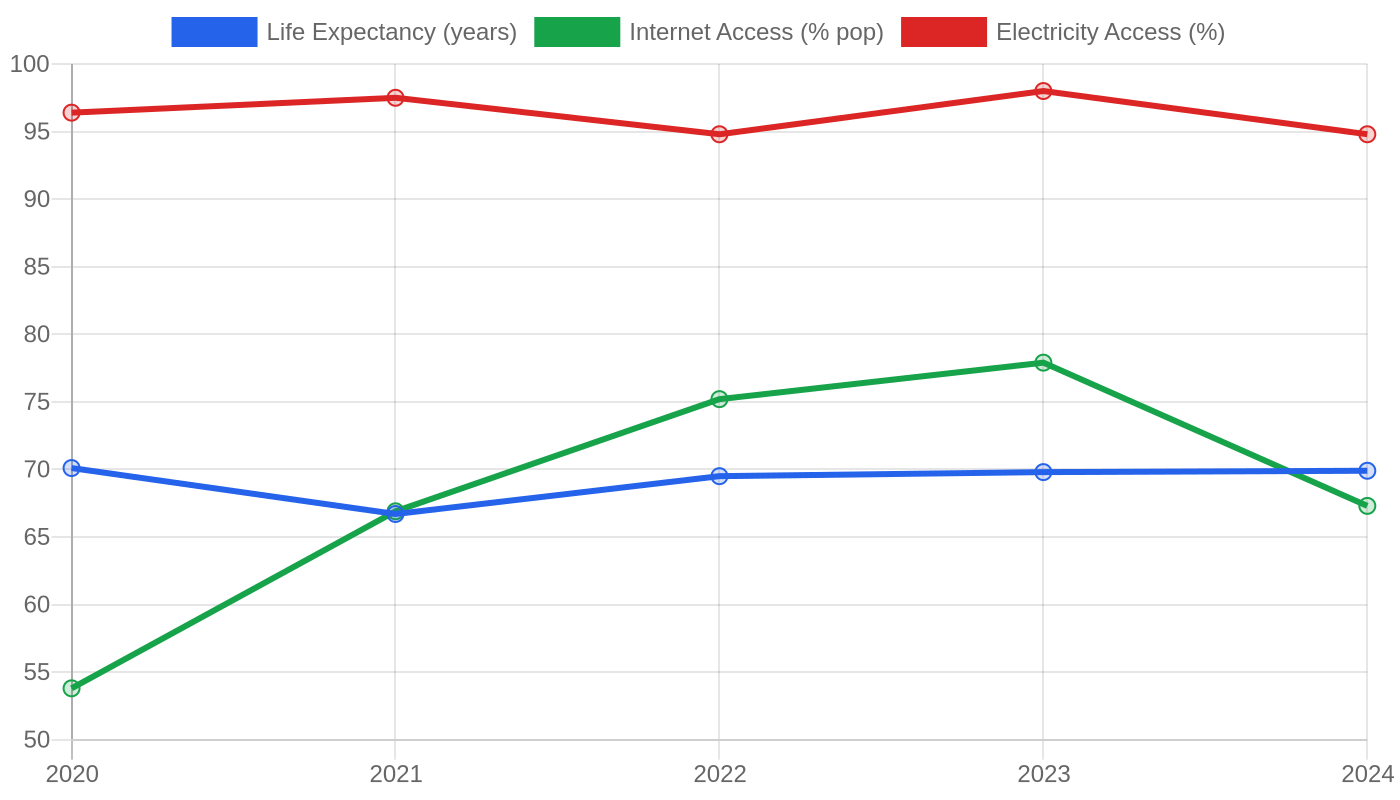
The World Bank’s economic indicators for the Philippines paint a picture of a nation in transition, with GDP growth, inflation, and employment figures all contributing to a complex economic narrative. The country’s economic trajectory is intrinsically linked to its political stability, with each six-year presidential term bringing new priorities and policy directions that ripple through the business community and civil society alike.
The constitutional design, which limits presidents to a single six-year term, ensures regular turnover of leadership while maintaining policy continuity through institutional mechanisms.
What makes the Philippine economic story particularly compelling is how its democratic institutions have weathered regional and global economic storms. The separation of the presidential and vice-presidential elections creates a fascinating political dynamic where the two highest offices can be held by individuals from different political parties, fostering debate and negotiation at the highest levels of government.
This structural feature has profound implications for economic governance, as it necessitates coalition-building and cross-party cooperation to advance legislative agendas.
The country’s economic fundamentals, as tracked by the World Bank, reflect the broader challenges and opportunities facing emerging markets in Southeast Asia. While specific numerical data remains under review, the structural indicators suggest an economy that is diversifying beyond its traditional agricultural and manufacturing bases into services, technology, and business process outsourcing.
The Philippines has positioned itself as a significant player in the global services economy, leveraging its English-speaking workforce and cultural affinity with Western business practices.
The Cost of Living: Navigating Urban Centers and Provincial Realities
The cost of living in the Philippines presents a study in contrasts, with the capital region of Metro Manila operating on a different economic plane than provincial areas. Housing costs in urban centers have emerged as a defining economic issue, with the gap between rental and purchase prices creating significant barriers to homeownership for younger Filipinos.
The real estate market in metropolitan areas has seen substantial development activity, with condominium towers and gated communities reshaping the urban landscape.
Daily expenses in the Philippines reflect the country’s position as a middle-income economy, with food, transportation, and utilities consuming a significant portion of household budgets. The disparity between urban and rural living costs has driven internal migration patterns, with workers moving to economic hubs in search of better opportunities while facing higher living expenses.
This urban-rural divide is a critical consideration for policymakers addressing income inequality and regional development disparities.
For expatriates and returning overseas Filipino workers, the cost of living presents both opportunities and challenges. The purchasing power of foreign currency earnings can provide a comfortable lifestyle in many areas, yet the gap between expectations and local economic realities often requires careful financial planning. The housing market, in particular, has become a focal point for both domestic and international investors, with rental yields in prime urban locations attracting significant attention.
Investment and Business Climate: The Corporate Landscape and Growth Sectors
The Philippine business environment operates within a framework that encourages foreign investment while maintaining protections for domestic industries. The country’s major corporations span diverse sectors including banking, telecommunications, real estate, retail, and energy, with family-controlled conglomerates playing a dominant role in the economy. These business groups have expanded beyond their traditional strongholds into new sectors, driving innovation and competition across the economic landscape.
The services sector has emerged as a particular strength, with the Philippines establishing itself as a global leader in business process outsourcing and information technology services. This industry has created hundreds of thousands of jobs and positioned the country as a competitive alternative to other regional hubs. The remittance economy, driven by overseas Filipino workers, continues to provide a stable inflow of foreign currency that supports domestic consumption and investment.
Infrastructure development has become a priority for successive administrations, with public-private partnerships playing an increasingly important role in addressing the country’s infrastructure gaps. The business climate, while improving, still faces challenges related to regulatory complexity, bureaucratic inefficiency, and infrastructure constraints.
However, the democratic system provides mechanisms for business communities to engage with policymakers and advocate for reforms that enhance the investment environment.
Safety, Politics, and Quality of Life: The Social Contract in Action
The Philippines’ democratic governance structure creates a direct link between political participation and quality of life outcomes. The country’s crime and safety indices, while reflecting challenges common to many developing nations, must be understood within the context of a society that actively engages in democratic processes to address social concerns. Community-based initiatives and local governance structures work alongside national institutions to maintain order and public safety.
The political landscape, characterized by the separate election of the president and vice president, creates a dynamic where governance requires negotiation and compromise. This system, while sometimes producing political tension, ensures that diverse voices are represented at the highest levels of decision-making. The six-year presidential term provides sufficient time for policy implementation while maintaining accountability through regular electoral cycles.
Quality of life in the Philippines is shaped by a complex interplay of economic opportunity, social services, and cultural factors. The country’s democratic institutions provide avenues for citizens to advocate for improvements in healthcare, education, and public services. The resilience of Filipino communities, demonstrated through their engagement with democratic processes, suggests a society that is actively working to improve living standards across all segments of the population.
What’s Happening Now: The Current Economic and Political Pulse
The Philippines is currently navigating a period of significant economic and political activity, with the democratic system providing the framework for addressing contemporary challenges. The separate election of the president and vice president has created a political landscape where coalition-building and cross-party cooperation are essential for advancing legislative priorities.
This dynamic is playing out against the backdrop of global economic uncertainty, with policymakers balancing domestic development needs against international economic pressures.
The current administration’s economic agenda focuses on sustaining growth while addressing structural challenges related to infrastructure, education, and social services. The democratic system ensures that these policies undergo rigorous public scrutiny and debate, with civil society organizations, business groups, and political opposition parties all contributing to the policy dialogue.
The country’s engagement with international economic institutions and trading partners continues to shape its development trajectory.
As the Philippines moves forward, the interplay between its democratic institutions and economic development will remain a defining characteristic of its national story. The country’s ability to maintain political stability while pursuing economic transformation will be crucial for attracting investment, creating jobs, and improving living standards.
The coming years promise to be a period of significant opportunity and challenge, with the nation’s democratic foundations providing the resilience needed to navigate an uncertain global environment.
The Bottom Line
The Philippines deserves close attention from investors, policymakers, and observers of democratic development in Asia. Its unique political system, combining a strong presidential mandate with the institutional check of a separately elected vice president, creates a governance environment that is both dynamic and accountable.
The country’s position as a democratic leader in Southeast Asia, combined with its economic potential, makes it a compelling case study in how political institutions shape economic outcomes. For those seeking to understand the future of emerging markets, the Philippines offers valuable lessons in resilience, adaptability, and the enduring power of democratic governance.
Sources & Methodology
This article is authored by Economic Pulse Net for informational and research purposes. Economic Pulse Net sources its data from multilateral institutions, national statistics bureaus, and proprietary databases. All data is believed to be current as of the date of publication.
Published: August 05, 2026 | Category: Research — Philippines
Use these signals in your own platform
Economic Pulse publishes its live signal feed through a documented, read-only API. Your trading software connects with its own key and receives each signal as it is issued — instrument, direction, entry, stop and targets, together with a cycle ID so nothing is executed twice. The feed is independent of this website and cannot change it.
Signals are informational only and are not financial advice.