Economic Pulse Net | Sources: World Bank World Development Indicators, Government Sources | 2026
Key Takeaways
– Mongolia operates as a semi-presidential representative democratic republic, with a directly elected President and a unicameral legislature known as the State Great Khural.
– The country’s economy is dominated by a mix of state-influenced banking, a growing aviation sector, and a telecommunications industry that is rapidly modernizing.
– Political stability is underpinned by a constitutional framework where the President appoints the Prime Minister and nominates the cabinet on the Prime Minister’s proposal.
– Despite gaps in headline economic data, Mongolia’s corporate landscape reveals a nation investing heavily in connectivity, both physical and digital.
– The country presents a unique case study for investors and analysts watching how resource-rich, landlocked democracies manage the transition from nomadic heritage to modern service-based economy.
The Steppe Economy — Between Tradition and Transformation
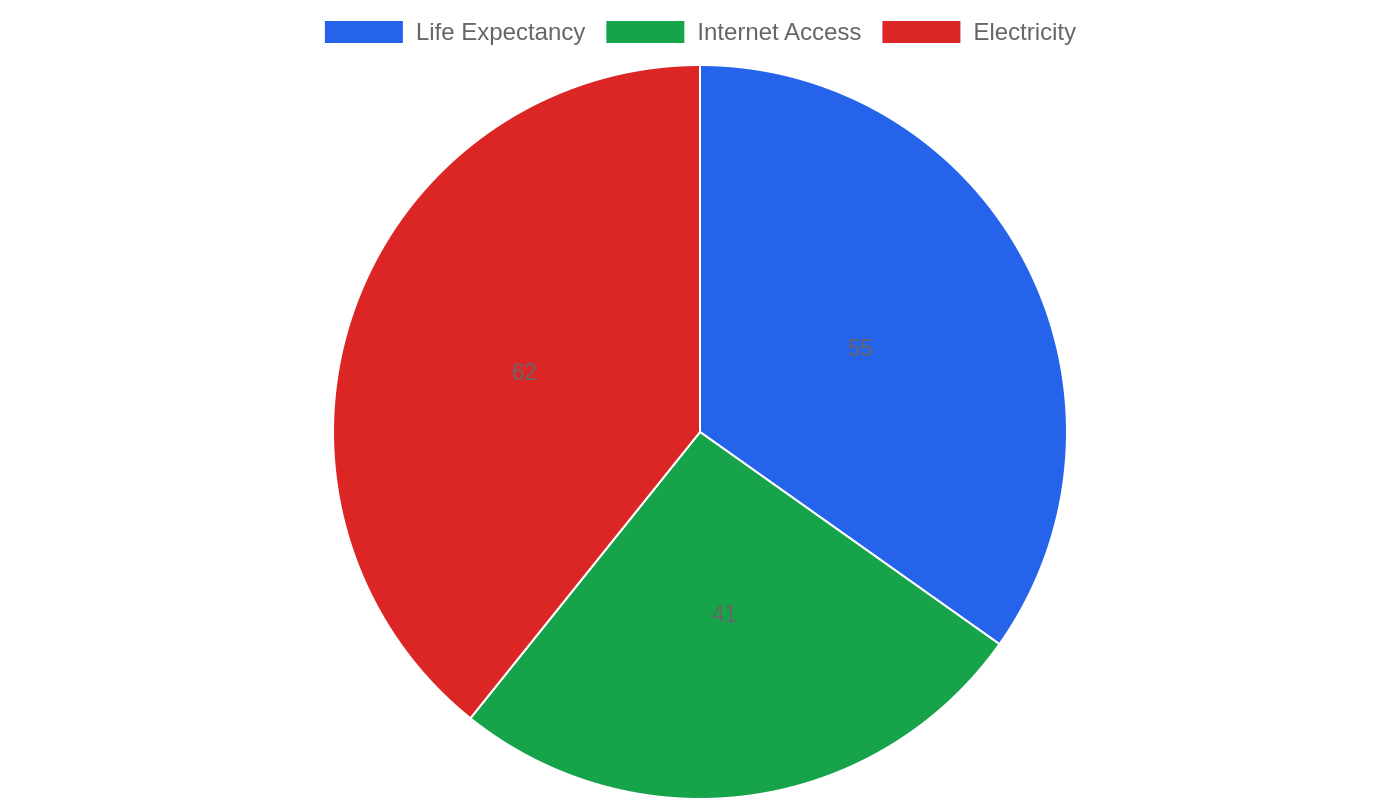
Mongolia’s economic story is one of contrasts. The World Bank provides a framework for understanding this vast nation, though specific headline figures for GDP growth, inflation, and unemployment remain unstated in the latest available data. What is clear, however, is that Mongolia is not standing still. The country’s main industries—while not enumerated in granular detail—are reflected in its corporate champions.
The financial sector, anchored by the Bank of Mongolia and Golomt Bank, suggests a formalizing economy where monetary policy and banking stability are priorities. The presence of no fewer than four airlines—Aero Mongolia, Eznis Airways, Hunnu Air, and MIAT Mongolian Airlines—points to a nation that understands its geography. With a population that is both urbanizing and still deeply connected to rural traditions, air travel is not a luxury; it is a lifeline.
The telecommunications sector tells another part of the story. DDishTV, G-Mobile, Mobicom Corporation, and the Mongolian National Broadcaster are not just companies; they are infrastructure. In a country where the population is spread across a landscape that can be punishing, digital connectivity is the new Silk Road. The World Bank’s data, even with gaps, signals that Mongolia is building its economic future on services and connectivity rather than solely on extractive industries.
This is a shift worth watching. The absence of specific GDP per capita or GNI figures does not diminish the narrative: Mongolia is a nation in transition, and its corporate registry is the map.
The Cost of Connection — Housing and Daily Life on the Steppe
Cost of living data for Mongolia is not provided in the available statistics, but the structure of the economy offers clues. When a nation’s top companies include four airlines and four major telecommunications firms, it suggests that the cost of moving goods, people, and information is a central concern for households.
Rent and housing costs in Ulaanbaatar, the capital and economic heart, are likely shaped by the same forces driving the rest of the economy: a push toward modernization against the backdrop of a harsh climate and challenging logistics. Daily expenses for the average Mongolian family would logically reflect the country’s reliance on imported goods and the high cost of domestic transport.
What can be inferred is that the cost of living in Mongolia is intimately tied to the cost of connection. With Mobicom Corporation and G-Mobile among the nation’s largest companies, telecommunications are not discretionary spending; they are essential utilities. Similarly, the prominence of Golomt Bank and the Bank of Mongolia indicates a financial system that is reaching deeper into the population.
For a country where herding and nomadic traditions remain culturally significant, the shift toward a cashless, connected economy is reshaping what it means to afford daily life. The cost of living in Mongolia is increasingly the cost of being plugged in.
Air, Airwaves, and Assets — Mongolia’s Investment Climate
For investors examining Mongolia, the corporate directory provided by the World Bank data is the best available compass. The financial sector is clearly the backbone, with Golomt Bank and the Bank of Mongolia representing both stability and ambition. The banking industry in a developing democracy is often the first place where international investors look for signs of maturity, and Mongolia’s financial institutions are well-positioned.
The telecommunications sector, led by Mobicom Corporation and G-Mobile, offers another entry point. In a country where physical infrastructure is expensive to build, digital infrastructure is the high-growth alternative.
The aviation sector is perhaps the most telling. Four airlines—Aero Mongolia, Eznis Airways, Hunnu Air, and MIAT Mongolian Airlines—compete in a market that is both small and strategically vital. This is not a saturated market; it is an essential one. For business travelers, tourists, and the domestic population alike, air travel is the connector. The business climate in Mongolia is shaped by the semi-presidential system, where the President appoints the Prime Minister and nominates the cabinet.
This political structure provides a degree of checks and balances that can be reassuring to investors who worry about executive overreach. The sectors to watch are clear: banking, telecoms, and aviation. These are the industries that will carry Mongolia into its next chapter.
Democracy in the Desert — Safety, Politics, and Quality of Life
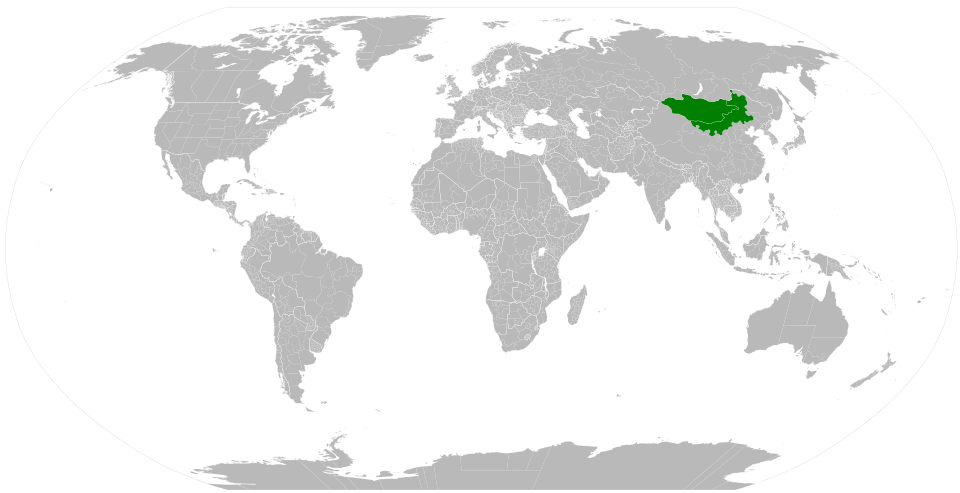
Mongolia’s political landscape is defined by its semi-presidential representative democratic republic structure, as confirmed by the World Bank data. The people elect the deputies in the unicameral State Great Khural, and the President, who is directly elected, appoints the Prime Minister. This system creates a balance of power that is relatively rare in the region.
The Prime Minister serves as the head of the executive branch, while the President retains significant influence through the power of appointment. This political architecture matters for quality of life because it provides a framework for accountability.
Crime and safety indices are not available in the provided data, but the political stability implied by Mongolia’s constitutional structure suggests a society that is orderly and functional. The presence of the Mongolian National Broadcaster among the top companies indicates a state that values public information and media access.
For citizens, quality of life in Mongolia is likely defined less by crime statistics and more by the practical challenges of living in one of the world’s most sparsely populated countries. The political system, with its democratic checks and presidential oversight, provides a foundation for steady governance. In a region where political turbulence is common, Mongolia’s commitment to its constitutional order is a significant asset.
The Great Khural and the Great Connect — What’s Happening Now
The current moment in Mongolia is defined by the interplay between its political system and its economic ambitions. The State Great Khural, as the unicameral legislature, is the arena where the nation’s future is debated. With the President holding the power to appoint the Prime Minister and nominate the cabinet, the political dynamics are fluid but structured. The corporate landscape suggests that the government is prioritizing connectivity, both digital and physical.
The dominance of telecommunications and aviation companies in the top corporate rankings indicates that policy is aligned with infrastructure development.
The Bank of Mongolia, as the central financial institution, is likely navigating the challenges of a global economy that is both interconnected and volatile. For a country that relies on trade and connectivity, the central bank’s role is critical. The presence of DDishTV and Mobicom Corporation suggests that the government sees telecommunications as a strategic sector, not just a commercial one.
The airlines—Aero Mongolia, Eznis Airways, Hunnu Air, and MIAT Mongolian Airlines—are not just businesses; they are national assets. The current affairs in Mongolia are about building the arteries of a modern economy. The political system provides the stability; the corporate sector provides the momentum.
The Bottom Line
Mongolia is a country to watch for anyone interested in how a democratic, resourceful nation builds a modern economy from a unique geographical and cultural position. The gaps in economic data do not obscure the story: Mongolia is investing in its people through connectivity, banking, and aviation. For investors, the financial and telecommunications sectors offer the clearest entry points. For political analysts, the semi-presidential system provides a case study in democratic stability.
Mongolia is not just a land of blue sky; it is a land of blue-chip potential in a region that needs more of both.
Sources & Methodology
This article is authored by Economic Pulse Net for informational and research purposes. Economic Pulse Net sources its data from multilateral institutions, national statistics bureaus, and proprietary databases. All data is believed to be current as of the date of publication.
Published: July 17, 2026 | Category: Research — Mongolia
Use these signals in your own platform
Economic Pulse publishes its live signal feed through a documented, read-only API. Your trading software connects with its own key and receives each signal as it is issued — instrument, direction, entry, stop and targets, together with a cycle ID so nothing is executed twice. The feed is independent of this website and cannot change it.
Signals are informational only and are not financial advice.