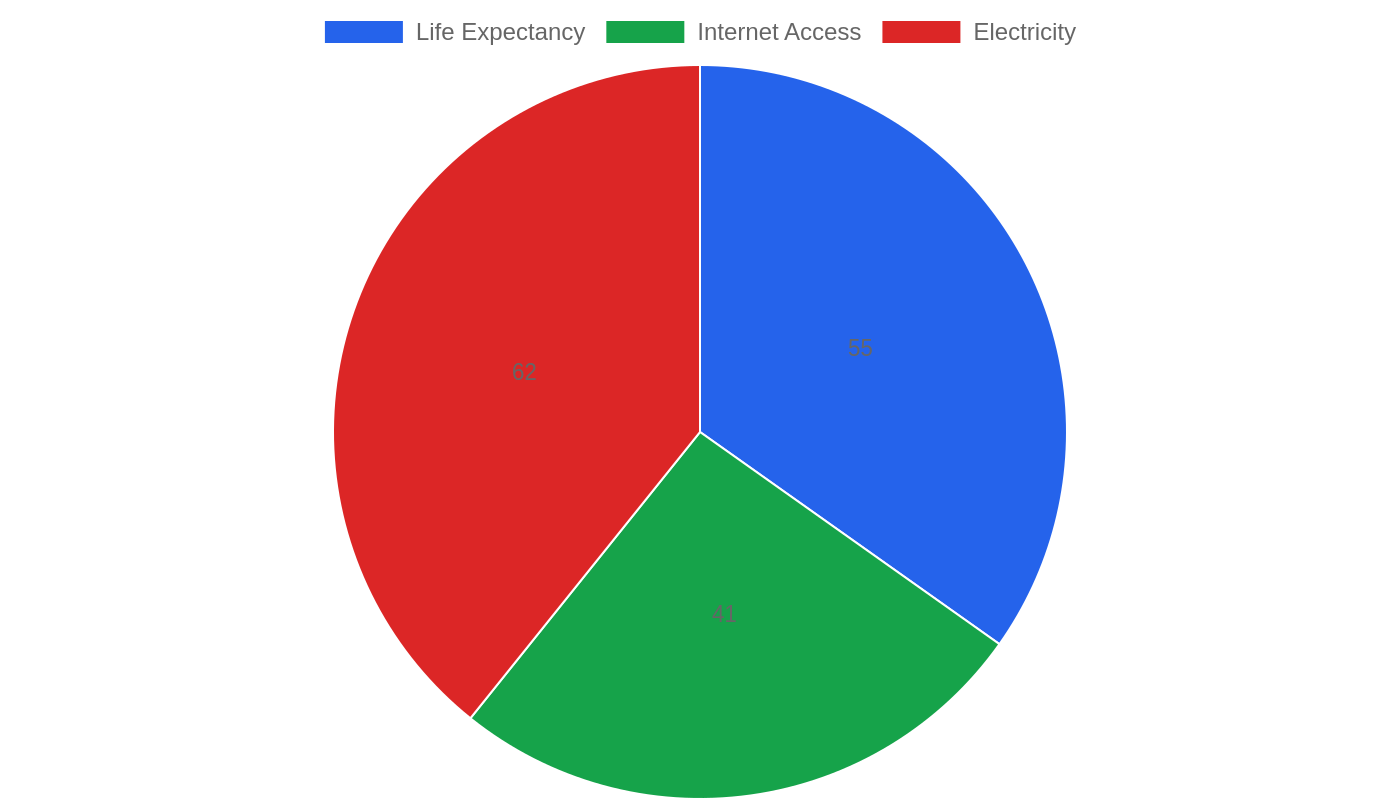
Economic Pulse Net | Sources: World Bank World Development Indicators, Government Sources | 2026
Key Takeaways
– The Maldives operates as a presidential constitutional republic where executive authority is deeply concentrated in the presidency, with the current administration led by President Mohamed Muizzu, who took office on 17 November 2023.
– The President of the Maldives and members of the unicameral People’s Majlis serve five-year terms, creating a predictable but high-stakes political calendar for investors and policymakers.
– The executive branch, headed by the president, appoints a cabinet that requires approval from the People’s Majlis, establishing a system of checks and balances that shapes the country’s governance and economic decision-making.
– The president’s role extends to leading the armed forces, underscoring the security dimension of political leadership in this island nation.
– With the current administration in its early phase, the Maldives is at a pivotal moment where political direction and economic strategy are being defined for the next five-year cycle.
Executive Power and the Economic Agenda — Understanding the Maldives’ Governance Structure
The Maldives presents a distinctive governance model within the Indian Ocean region, operating as a presidential constitutional republic where the president holds dual roles as both head of government and head of state. This concentration of executive authority means that economic policy direction is heavily influenced by the presidential office, making leadership transitions significant events for market sentiment and development planning.
The current president, Mohamed Muizzu, assumed office on 17 November 2023, marking the beginning of a new chapter in the country’s political and economic trajectory.
The president’s appointment of the cabinet, subject to approval by the People’s Majlis, creates a collaborative dynamic between the executive and legislative branches. This structure means that economic reforms and major policy initiatives require a degree of parliamentary consensus, even as the president maintains substantial influence over the national agenda.
The president’s role as commander of the armed forces adds another layer to the governance framework, linking security considerations with broader national strategy.
The five-year terms for both the president and parliamentarians establish a clear political cycle that businesses and investors can anticipate. This predictable timeline allows for medium-term planning, though it also means that economic strategies may shift with each electoral cycle. The current administration, having taken office relatively recently, is still establishing its policy priorities and economic approach, making this a period of observation for those tracking the country’s development path.
The unicameral People’s Majlis serves as the primary legislative body, with its membership determined by atoll populations. This geographic representation ensures that the dispersed island communities have a voice in national decision-making, which is particularly relevant for economic policies affecting different regions of the archipelago.
The Economic Landscape — Navigating Data Gaps and Structural Realities
The World Bank’s latest economic indicators for the Maldives present a notable challenge for analysts: GDP growth figures, inflation rates, and unemployment data are currently unavailable in the most recent reporting cycle. This absence of updated macroeconomic data makes it difficult to assess the country’s precise economic position with the rigor that investors and policymakers typically require.
However, the lack of updated figures does not diminish the importance of understanding the structural characteristics that define the Maldivian economy.
As a nation comprised of numerous atolls, the Maldives has traditionally relied heavily on tourism as its primary economic engine, with the sector driving foreign exchange earnings and employment across the islands. The country’s geography presents both opportunities and constraints — its pristine beaches and coral reefs attract high-end tourism, while the dispersed island structure creates logistical challenges for infrastructure development and service delivery.
The economy’s dependence on tourism makes it particularly sensitive to global travel trends and external shocks affecting the hospitality industry.
The absence of current GDP per capita figures from the World Bank means that assessing the standard of living relative to regional peers requires caution. Similarly, without reliable GNI per capita data, evaluating the distribution of economic benefits across the population becomes more challenging. The country’s population size and demographic profile, though not detailed in the available data, factor into how economic growth translates into individual welfare improvements.
Inflation dynamics in the Maldives are closely tied to import prices, given the country’s limited domestic production capacity and reliance on imported food, fuel, and consumer goods. The tourism-dependent economy also creates seasonal employment patterns that influence labor market conditions throughout the year. While precise unemployment figures are not currently available, the structure of the economy suggests that job creation is closely linked to tourism performance and related service industries.
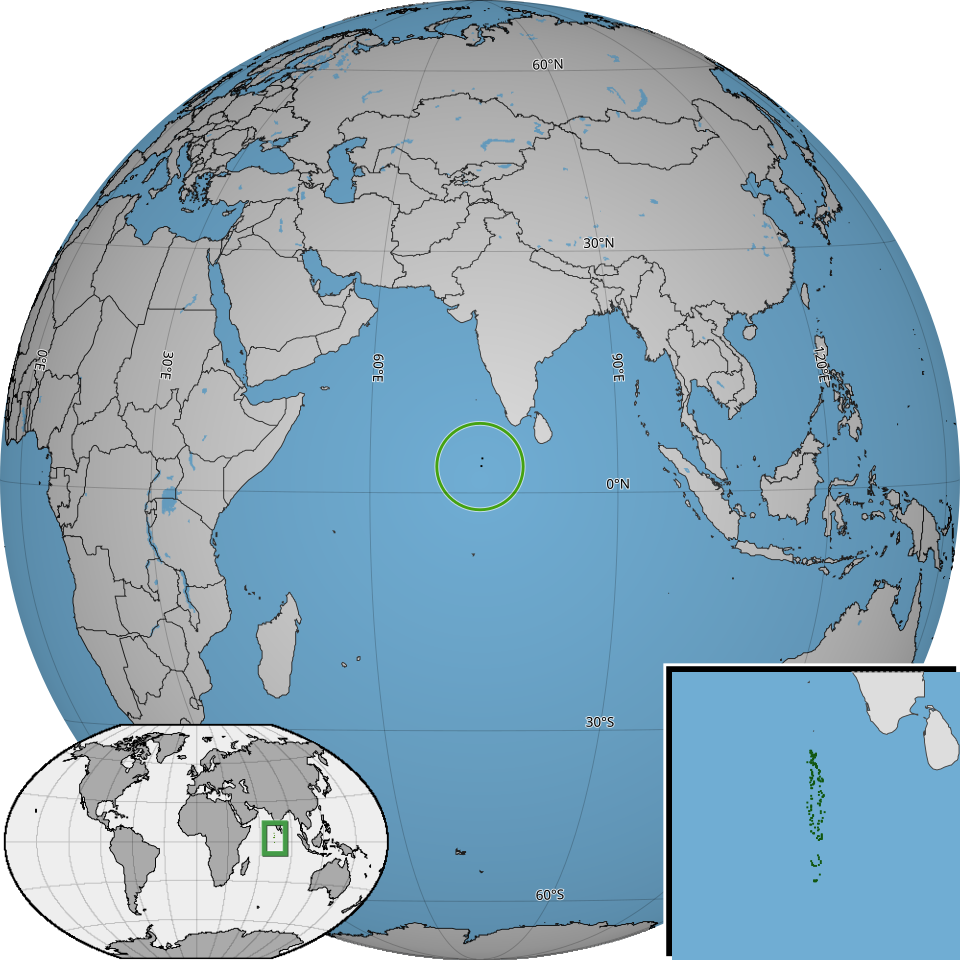
Living Costs and Housing in the Island Nation — The Price of Paradise
The cost of living in the Maldives carries unique characteristics shaped by its geographic isolation and import dependence. As an archipelago nation, nearly all consumer goods must be transported to the islands, which inevitably translates into higher prices for everyday items compared to mainland economies with more developed supply chains.
The tourism industry’s presence also influences price levels, as the hospitality sector competes for resources and labor, potentially driving up costs for local residents in popular areas.
Housing dynamics in the Maldives present a complex picture, particularly in the capital region where population density is highest. The concentration of economic activity and government functions in the capital creates demand for housing that may outpace supply, putting pressure on affordability for residents.
The dispersed nature of the atolls means that housing solutions differ significantly between the central urban areas and the outer islands, where traditional building methods and local materials play a greater role.
Daily expenses for Maldivian residents reflect the country’s import-heavy consumption patterns. Food prices, in particular, are influenced by global commodity markets and shipping costs, making household budgets sensitive to international price movements. Utility costs, including electricity generation which often relies on imported fuels, add another layer to monthly expenditure calculations for families and businesses alike.
The balance between rental and ownership options in the Maldives varies by location and property type. In tourism development zones, property values and rental rates are shaped by commercial potential, while residential areas outside these zones may offer more modest pricing. For the average resident, housing costs represent a significant portion of household budgets, as they do in many island economies facing land constraints.
Business Climate and Investment Opportunities — Beyond the Resorts
The Maldives’ business environment is intrinsically linked to its tourism sector, which anchors the economy and attracts both domestic and foreign investment. The country’s reputation as a premium travel destination creates opportunities in hospitality infrastructure, including resort development and supporting services. Beyond the tourism sector, the business landscape includes fishing and related marine industries, which have historically formed the backbone of the local economy.
The political structure, with its strong presidential system, creates a business environment where government relationships and policy direction significantly influence investment decisions. The approval process for major projects, particularly those involving foreign participation, flows through the executive branch and requires alignment with national development priorities. The five-year political cycle means that investors must consider policy continuity risks when making long-term commitments.
Sectors with potential for growth include renewable energy, where the country’s abundant sunshine offers opportunities for solar power development to reduce dependence on imported fuels. The blue economy — sustainable use of ocean resources — presents another avenue for diversification, building on the country’s maritime heritage while addressing environmental sustainability concerns.
Technology and digital services also hold promise, though their development depends on infrastructure improvements across the dispersed islands.
The Maldives’ position as a tourism-dependent economy means that global economic conditions directly affect the business climate. International travel trends, regional stability, and global economic sentiment all play roles in determining visitor numbers and, consequently, business performance across the economy. Companies operating in the Maldives must therefore maintain flexibility to adapt to external shocks while navigating the domestic regulatory environment shaped by the presidential system.
Safety, Political Stability, and Quality of Life — The Social Contract
The Maldives’ political landscape, characterized by its presidential republic structure, provides a framework for governance that emphasizes executive leadership. The current administration under President Mohamed Muizzu represents a continuation of this system, with the president exercising significant authority over the country’s direction.
The political environment, while operating within democratic structures, places considerable weight on presidential decision-making and the executive’s relationship with the legislature.
The absence of specific crime and safety index data makes it difficult to provide precise assessments of security conditions in the Maldives. However, as a nation heavily invested in tourism, maintaining safety and security is both a government priority and an economic necessity. The country’s island geography and relatively small population contribute to social cohesion, though urban areas may present different dynamics than outer islands.
Quality of life in the Maldives is shaped by the country’s natural environment and the economic opportunities available to residents. The tourism industry provides employment and income, but the benefits of economic activity are not evenly distributed across all islands and communities. Access to services such as healthcare and education varies between the capital region and outer atolls, creating disparities that affect overall quality of life assessments.
The political system’s emphasis on presidential leadership means that national direction can shift with changes in administration. The current government’s approach to economic management, infrastructure development, and social programs will shape living conditions for Maldivian citizens over the coming years. The five-year electoral cycle provides opportunities for citizens to express their views on government performance and chart the country’s course.
Current Affairs — The Muizzu Administration’s Early Agenda
President Mohamed Muizzu’s assumption of office on 17 November 2023 marked the beginning of a new political era in the Maldives, with implications for the country’s economic direction and international positioning. The new administration faces the challenge of defining its policy priorities while managing the expectations created during the electoral campaign.
The president’s approach to economic management, relations with regional powers, and domestic governance will shape the country’s trajectory through the current political cycle.
The composition of the People’s Majlis and its relationship with the executive branch will be a key factor in determining the pace and scope of legislative initiatives. With members representing atoll populations, the parliament brings diverse regional perspectives to national policy debates. The interaction between the presidential office and the legislature will influence everything from budget allocations to regulatory reforms affecting the business community.
The tourism sector, as the cornerstone of the Maldivian economy, will undoubtedly feature prominently in the government’s economic agenda. The administration’s approach to tourism promotion, infrastructure development, and industry regulation will signal its broader economic philosophy.
Similarly, the government’s stance on environmental protection and climate resilience will have long-term implications for a country whose very existence depends on managing the impacts of changing ocean conditions.
The current period represents a formative phase for the Muizzu administration, where early decisions set precedents for the remainder of the five-year term. Observers of the Maldives will be watching for signals on fiscal policy, foreign investment rules, and the government’s engagement with international partners. The political and economic choices made now will determine whether the Maldives can navigate the challenges ahead and capitalize on its considerable natural advantages.
The Bottom Line
The Maldives stands at a critical juncture, with a new administration defining its approach to governance and economic management within a presidential system that concentrates significant authority in the executive office. The country’s economic future remains tied to its tourism industry, making it vulnerable to global travel trends while also positioning it to benefit from continued growth in international tourism.
Political observers, investors in the hospitality sector, and those tracking regional stability in the Indian Ocean should maintain close attention to this island nation. The decisions made by President Mohamed Muizzu’s government over the coming years will determine whether the Maldives can build a more diversified and resilient economy while preserving the natural beauty that underpins its national prosperity.
Sources & Methodology
This article is authored by Economic Pulse Net for informational and research purposes. Economic Pulse Net sources its data from multilateral institutions, national statistics bureaus, and proprietary databases. All data is believed to be current as of the date of publication.
Published: August 17, 2026 | Category: Research — Maldives
Use these signals in your own platform
Economic Pulse publishes its live signal feed through a documented, read-only API. Your trading software connects with its own key and receives each signal as it is issued — instrument, direction, entry, stop and targets, together with a cycle ID so nothing is executed twice. The feed is independent of this website and cannot change it.
Signals are informational only and are not financial advice.