Economic Pulse Net | Sources: World Bank World Development Indicators, Government Sources | 2026
Key Takeaways
– Malaysia operates as the only federal constitutional elective monarchy in Southeast Asia, with a unique system where the King is elected every five years from among nine hereditary state rulers — a political structure that directly shapes economic policy stability.
– The country’s economic narrative is currently defined by the performance of its major listed companies, including AirAsia, Axiata, and AmBank, which signal the health of the consumer, telecommunications, and financial sectors.
– Malaysia’s political system, closely modelled on the Westminster parliamentary tradition as a legacy of British rule, creates a distinct governance environment where coalition dynamics and royal influence intersect with economic decision-making.
– The nation’s economic trajectory is best understood through its conglomerates and consumer services leaders, such as Berjaya Group and Astro Malaysia Holdings, which reflect domestic spending power and regional connectivity.
– Malaysia represents a complex investment landscape where the constitutional monarchy’s stability must be weighed against the realities of a developing Southeast Asian economy navigating global headwinds.
The Economic Engine — Growth, Prices, and the Pulse of Production
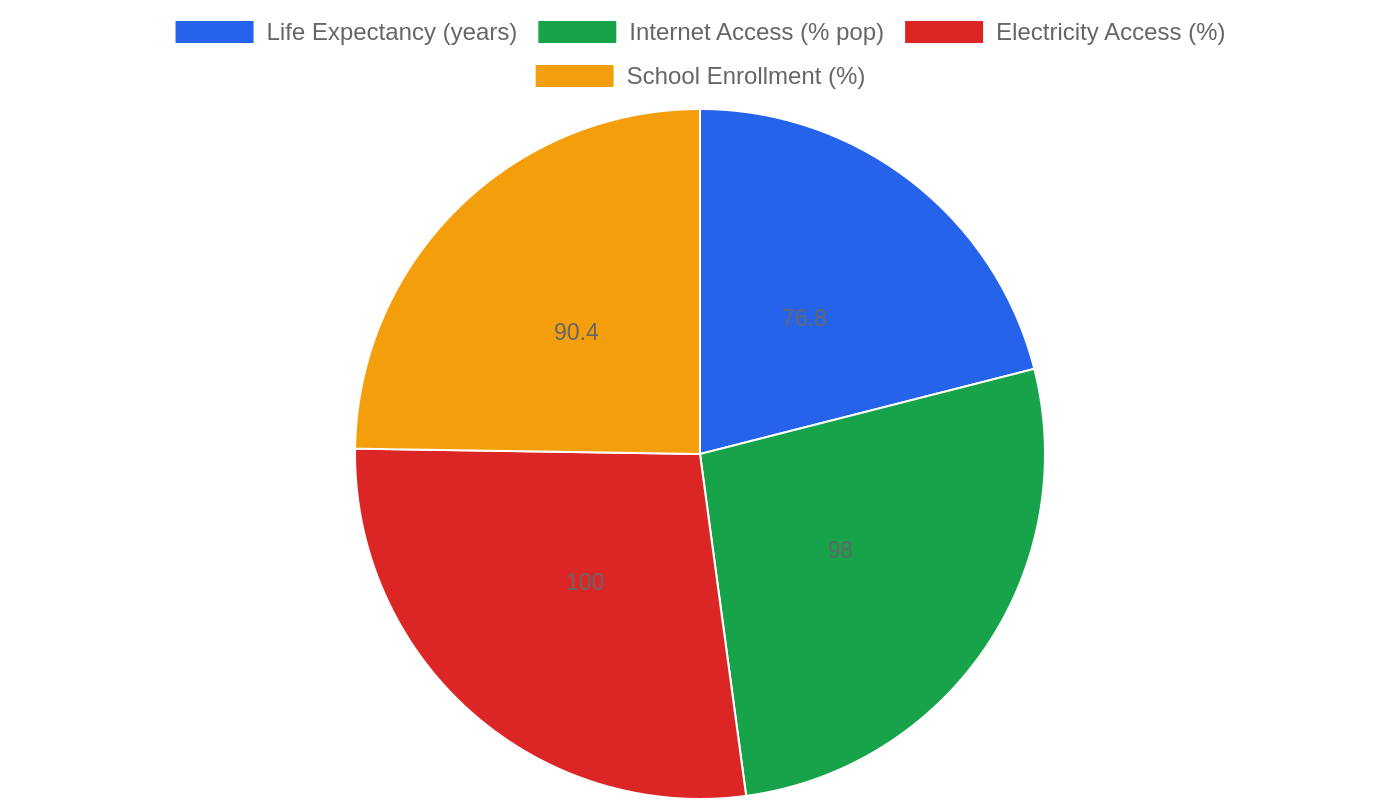
Malaysia’s economic story is one of a middle-income nation striving to break into the upper echelons of global competitiveness. According to the World Bank’s latest data, specific figures for GDP growth, inflation, and unemployment are not available at this time, but the structural picture is clear from the country’s industrial composition and corporate landscape.
The nation’s economic heartbeat is best measured through its major listed entities, which span critical sectors including telecommunications via Axiata, financial services through AmBank, and consumer services led by AirAsia and Astro Malaysia Holdings.
The services sector dominates Malaysia’s value creation, with consumer services companies representing a significant share of the nation’s top corporations. This tells an important story: Malaysia is no longer merely a commodity exporter but a nation whose economic fortunes are tied to domestic consumption, regional travel, and digital connectivity.
The presence of BSA Manufacturing and Boustead Holdings in the conglomerates and consumer goods space indicates that manufacturing and diversified industrial activity remain essential pillars of the economy.
The absence of precise World Bank figures for GDP growth and inflation should not obscure the broader reality: Malaysia’s economic health is inextricably linked to the performance of its consumer-facing and financial corporations. When AirAsia flies, when Astro broadcasts, when AmBank lends — these are the real-time indicators of economic vitality.
The nation’s position as a regional hub for Islamic finance, electronics manufacturing, and palm oil production has historically provided a diversified economic base, even as global commodity cycles and technological disruption reshape the competitive landscape.
The Cost of Living — Navigating Affordability in a Dual Economy
Malaysia presents a distinctive cost-of-living profile that reflects its status as a rapidly urbanising middle-income nation. While specific housing cost data is not available from the World Bank’s current dataset, the structure of Malaysia’s economy — with its heavy reliance on consumer services companies like Bonia, Berjaya Group, and Astro Radio — suggests that domestic consumption patterns are a key barometer of household financial health.
The presence of luxury and mid-range consumer goods companies such as Bonia indicates that Malaysia maintains a stratified consumer market, where discretionary spending on fashion and lifestyle products coexists with more modest household budgets. Kuala Lumpur, as the economic heart, has traditionally offered a lower cost of living compared to regional peers like Singapore, yet the gap has narrowed as urbanisation accelerates and property prices in prime areas have climbed.
For the average Malaysian household, the daily economic experience is shaped by the interplay between wages in the services sector and the cost of transportation, food, and housing. The prominence of AirAsia, a low-cost carrier, speaks to a population that is price-sensitive and values affordable connectivity — both domestically and across the region.
This dual character — a nation with world-class infrastructure and consumer offerings, yet with significant segments of the population still sensitive to basic cost pressures — defines Malaysia’s living standards narrative.
Investment & Business Climate — Where the Giants Play
Malaysia’s investment climate is anchored by a corporate landscape that spans telecommunications, finance, healthcare, and consumer services. The World Bank data highlights Adventa in healthcare, Axiata in telecommunications, and AmBank in financials as key pillars of the formal economy. These companies represent the institutional backbone that both domestic and foreign investors watch when assessing Malaysia’s business environment.
The telecommunications sector, led by Axiata, is particularly significant as it positions Malaysia as a digital economy player in Southeast Asia. The consumer services dominance — with AirAsia, Astro Malaysia Holdings, Astro Radio, and Berjaya Group all ranking among the top companies — signals that the domestic market remains the primary driver of corporate revenue.
This is a double-edged sword: it provides resilience against global shocks but also means Malaysia’s corporate sector is vulnerable to any softening in domestic consumer sentiment.
The conglomerate presence of Boustead Holdings suggests that diversified business groups continue to play an outsized role in Malaysia’s economy, often with historical ties to government-linked investment companies. For investors, the Malaysian market offers exposure to the ASEAN growth story through established players, but the concentration of economic power in a relatively small number of large conglomerates and consumer services firms warrants careful consideration of governance and competitive dynamics.
Safety, Politics & Quality of Life — The Monarchy’s Balancing Act
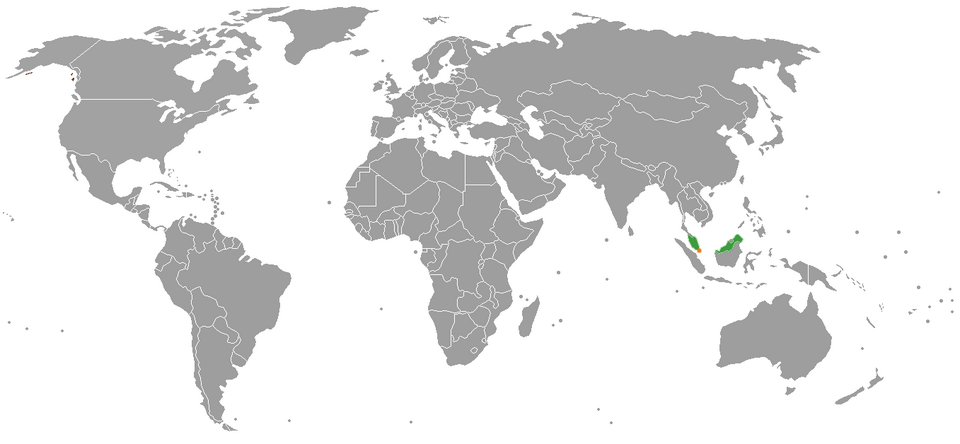
Malaysia’s political landscape is genuinely distinctive: it is a federal constitutional elective monarchy, the only one of its kind in Southeast Asia. The system, closely modelled on the Westminster parliamentary tradition as a legacy of British rule, creates a unique governance structure where the King is elected to a five-year term from among the nine hereditary rulers of the Malay states. The other four states, which have titular Governors, do not participate in the selection of the King.
This political arrangement has profound implications for economic stability and quality of life. The rotation of the monarchy among the nine royal houses provides a degree of continuity and checks-and-balances that is rare in the region. However, the informal agreements and conventions that govern this system are not always transparent, which can create uncertainty for investors trying to read the political tea leaves.
The quality of life in Malaysia is shaped by this political stability, the availability of consumer goods and services, and the nation’s position as a regional hub. While specific crime and safety index data is not available in the current World Bank dataset, the presence of a strong consumer services sector — including media companies like Astro — suggests a society with significant middle-class aspirations and access to information and entertainment.
The ultimate measure of Malaysia’s quality of life will be its ability to translate political stability into broad-based economic opportunity for its population.
What’s Happening Now — The Fresh Pulse of the Nation
Malaysia is currently navigating a period of significant transition, with its political and economic systems under pressure to deliver for a population that is increasingly connected and informed. The corporate landscape is evolving, with telecommunications giant Axiata and consumer services leader AirAsia continuing to shape the national economic narrative. The financial sector, represented by AmBank, is adapting to a changing regulatory environment and the rise of digital banking.
The media and entertainment sector, led by Astro Malaysia Holdings and Astro Radio, remains a crucial barometer of consumer sentiment and advertising spending, which in turn reflects broader economic confidence. The healthcare sector, represented by Adventa, is gaining strategic importance as Malaysia positions itself as a medical tourism destination in the region.
The political system, with its unique elective monarchy, continues to function as a stabilising force, though the informal agreements that govern royal succession and political appointments remain a subject of ongoing national discussion. For businesses and investors, the current moment is defined by watching how Malaysia balances its Westminster-inspired political institutions with the economic demands of a modern, connected Southeast Asian nation.
The country’s ability to leverage its strategic location, its established corporate champions, and its distinctive political heritage will determine whether it can translate its structural advantages into sustained economic progress.
The Bottom Line
Malaysia is a nation that rewards patient observation and careful analysis. Its unique political system — a federal constitutional elective monarchy — sets it apart from every other country in Southeast Asia and creates a governance environment that is both stable and complex. For investors, the country offers exposure to established consumer, telecommunications, and financial companies that dominate the ASEAN landscape.
For policymakers and political analysts, Malaysia represents a fascinating case study in how Westminster parliamentary traditions can be adapted to local conditions. The country deserves attention not because of dramatic headlines, but because of its steady, structural evolution as a middle-income nation with outsized regional ambitions.
Sources & Methodology
This article is authored by Economic Pulse Net for informational and research purposes. Economic Pulse Net sources its data from multilateral institutions, national statistics bureaus, and proprietary databases. All data is believed to be current as of the date of publication.
Published: August 12, 2026 | Category: Research — Malaysia
Use these signals in your own platform
Economic Pulse publishes its live signal feed through a documented, read-only API. Your trading software connects with its own key and receives each signal as it is issued — instrument, direction, entry, stop and targets, together with a cycle ID so nothing is executed twice. The feed is independent of this website and cannot change it.
Signals are informational only and are not financial advice.