Economic Pulse Net | Sources: World Bank World Development Indicators, Government Sources | 2026
Key Takeaways
* Resilient Growth: Malaysia’s economy is projected to expand by over 5.1% in 2025, outpacing many regional peers and signaling robust domestic demand.
Price Stability: With inflation held to a manageable 1.38%, the country offers a stable macroeconomic environment for consumers and businesses alike.
Tight Labor Market: An unemployment rate of just 3.76% indicates a highly utilized workforce, though it may pose wage pressures for employers.
Diversified Corporate Landscape: From healthcare giants like Adventa to telecommunications leader Axiata, major listed companies are driving value across multiple sectors.
Unique Political Structure: As Southeast Asia’s only federal constitutional elective monarchy, Malaysia’s governance model provides a distinct layer of political continuity amidst global uncertainty.
Economic Engine: Growth Amidst Global Headwinds
Malaysia stands as a testament to economic resilience, with its Gross Domestic Product (GDP) valued at approximately $472 billion USD according to World Bank data. This substantial economic output is supported by a healthy GDP per capita (PPP) of roughly $41,498, indicating that the average citizen enjoys a standard of living comparable to many developed economies when adjusted for purchasing power. The growth trajectory remains positive, with projections showing a GDP growth rate of 5.17% for 2025.
This figure is not merely a statistic; it reflects a dynamic economy that continues to attract foreign direct investment despite global supply chain disruptions. Crucially, this growth is occurring alongside remarkably low inflation, which sits at just 1.38%. Such price stability is rare in emerging markets and suggests that the central bank has effectively managed monetary policy to prevent cost-of-living crises from eroding consumer spending power.
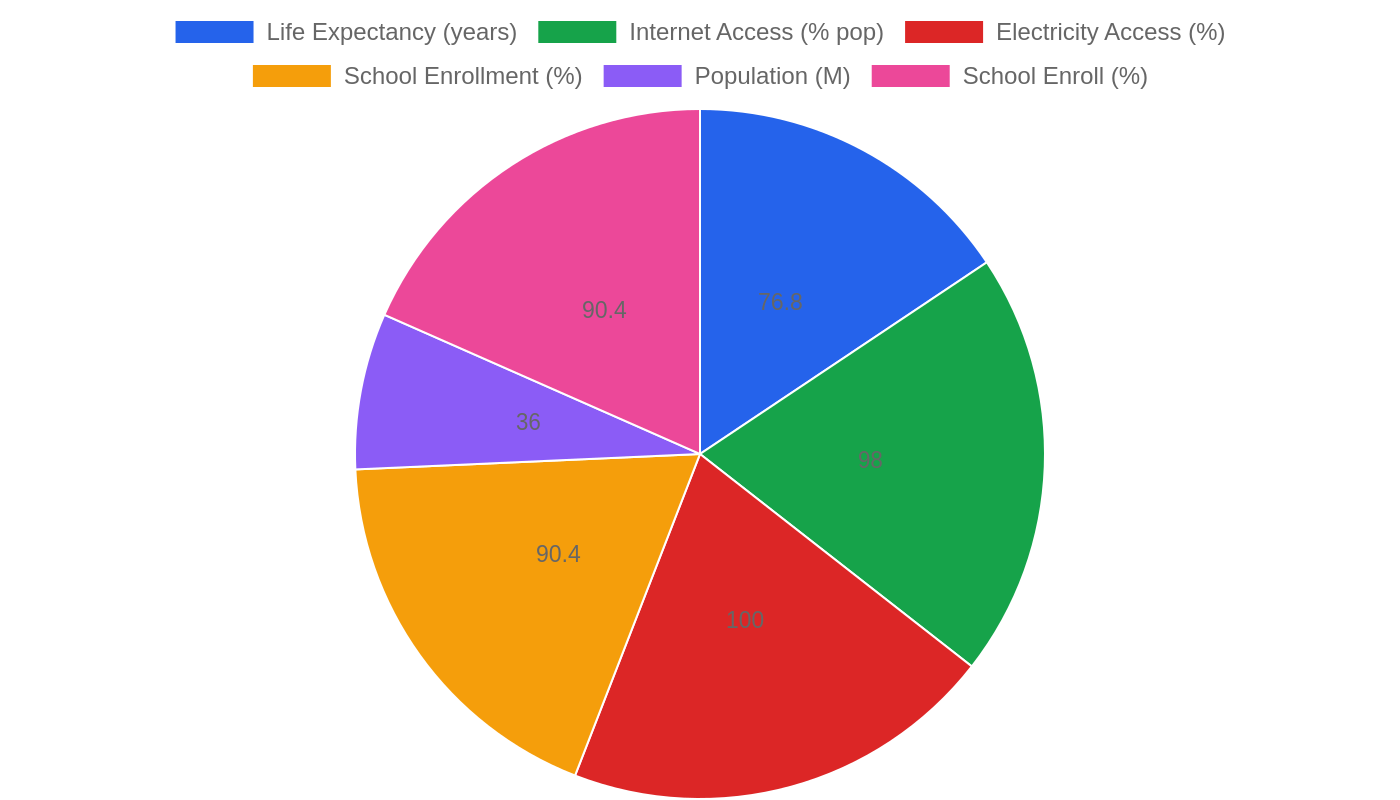
Furthermore, the labor market is exceptionally tight, with an unemployment rate of only 3.76%. This near-full employment scenario underscores the strength of the job market, although it also implies that businesses must compete fiercely for talent. With a population of nearly 36 million, this level of employment efficiency highlights a productive workforce that is contributing significantly to national output.
Living Costs and Housing Dynamics
For expatriates and locals alike, understanding the cost of living is paramount to assessing Malaysia’s appeal as a place to live and invest. While specific housing indices were not provided in the current dataset, the broader economic indicators suggest a balanced environment. The low inflation rate of 1.38% directly impacts daily expenses, meaning that the cost of groceries, utilities, and services is rising at a negligible pace compared to other nations experiencing double-digit inflation.
This stability allows households to plan their budgets with greater confidence, preserving real wages even if nominal increases are modest. When comparing this to regional averages, Malaysia often presents itself as a value proposition, particularly given its high GDP per capita (PPP). For those looking to purchase property, the strong currency backing and stable economic fundamentals typically support steady asset values, rather than the volatile bubbles seen in some neighboring countries.
Renters also benefit from this stability, as landlords have less incentive to sharply increase prices in an environment where overall consumer price pressure is minimal. However, potential residents should note that while general costs are controlled, premium locations in Kuala Lumpur or Penang may still command higher rents due to concentrated demand from international businesses.
Investment Climate and Corporate Powerhouses
The business landscape in Malaysia is anchored by a diverse array of top-tier companies that serve as bellwethers for various sectors of the economy. In the financial sector, AmBank remains a key player, providing essential banking services that underpin commercial activity. Meanwhile, the technology and telecommunications space is dominated by Axiata, whose infrastructure supports the digital transformation sweeping through the nation.
The consumer services sector is equally vibrant, with major entities such as AirAsia, Astro Malaysia Holdings, and Berjaya Group capturing significant market share in travel, media, and leisure. Notably, the healthcare industry is represented by Adventa, reflecting a growing emphasis on health services within the national portfolio. Manufacturing also plays a critical role, with companies like BSA Manufacturing producing goods that feed into both local consumption and export markets.
These firms operate within a framework that encourages competition and innovation, supported by a government keen on maintaining Malaysia’s status as a regional hub. Investors watching these stocks will find a mix of established conglomerates like Boustead Holdings and specialized players like Bonia, offering diversified exposure to the Malaysian consumer base. The presence of such robust corporate leaders suggests that the private sector is well-positioned to capitalize on the projected 5.17% economic growth.
Safety, Politics, and Quality of Life
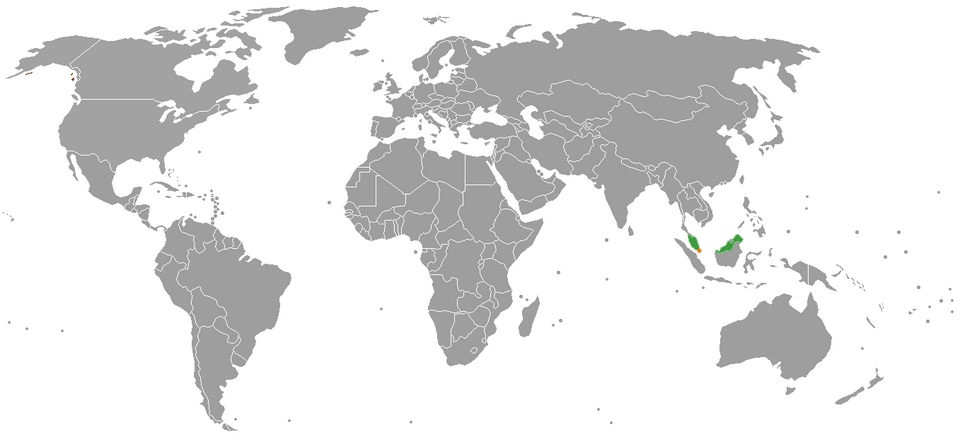
Navigating the social and political fabric of Malaysia requires an appreciation for its unique constitutional structure. It is the only federal country in Southeast Asia, operating as a federal constitutional elective monarchy modeled closely on the Westminster parliamentary system—a legacy of British rule. The head of state, known as the Yang di-Pertuan Agong, is elected every five years by the nine hereditary rulers of the Malay states, providing a stabilizing force that transcends partisan politics.
This system ensures that the four other states, governed by titular Governors, remain integrated into the federal union without participating in the royal selection process. Regarding safety, current data does not provide specific Crime or Safety Indices, leaving a gap in quantifiable metrics for immediate risk assessment. However, the political stability inherent in this monarchical-parliamentary hybrid often correlates with lower levels of civil unrest compared to more volatile regimes.
For quality of life, the combination of low unemployment and controlled inflation contributes to a generally secure social environment. Citizens benefit from a system where political transitions are orderly, reducing the uncertainty that often plagues other emerging markets.
What’s Happening Now: Policy and Momentum
As we look at the current economic momentum, the focus is squarely on sustaining the 5.17% growth trajectory into 2025. Policymakers are likely prioritizing investments in digital infrastructure, given the prominence of companies like Axiata and Astro in the current corporate landscape. With inflation held so low at 1.38%, there is little need for aggressive monetary tightening, allowing credit to flow freely to businesses and homeowners.
The tight labor market, evidenced by the 3.76% unemployment rate, means that recent policy shifts may be aimed at upskilling workers to meet the demands of high-value industries like healthcare and finance. International observers are watching how Malaysia leverages its position as a federal monarchy to negotiate trade deals that benefit its diverse manufacturing and service sectors.
Additionally, the performance of major listed companies such as AirAsia and AmBank will serve as real-time indicators of consumer confidence and liquidity conditions. Any changes in the King’s advisory council or parliamentary bills could signal new directions in fiscal policy, potentially impacting the $472 billion GDP engine. The coming months will reveal whether the current growth trend can be maintained against external shocks, but the foundational data suggests a sturdy platform.
The Bottom Line
Malaysia represents a compelling case study in managed economic stability within Southeast Asia. Investors and expatriates should watch this country because it offers the rare combination of robust GDP growth, minimal inflation, and a highly employed workforce. The unique political structure provides a layer of predictability that is increasingly valuable in uncertain times.
For those seeking exposure to emerging market growth without the accompanying volatility, Malaysia’s corporate giants and steady macro indicators make it a strategic choice.
Sources & Methodology
This article is authored by Economic Pulse Net for informational and research purposes. Economic Pulse Net sources its data from multilateral institutions, national statistics bureaus, and proprietary databases. All data is believed to be current as of the date of publication.
Published: September 24, 2026 | Category: Research — Malaysia
Use these signals in your own platform
Economic Pulse publishes its live signal feed through a documented, read-only API. Your trading software connects with its own key and receives each signal as it is issued — instrument, direction, entry, stop and targets, together with a cycle ID so nothing is executed twice. The feed is independent of this website and cannot change it.
Signals are informational only and are not financial advice.