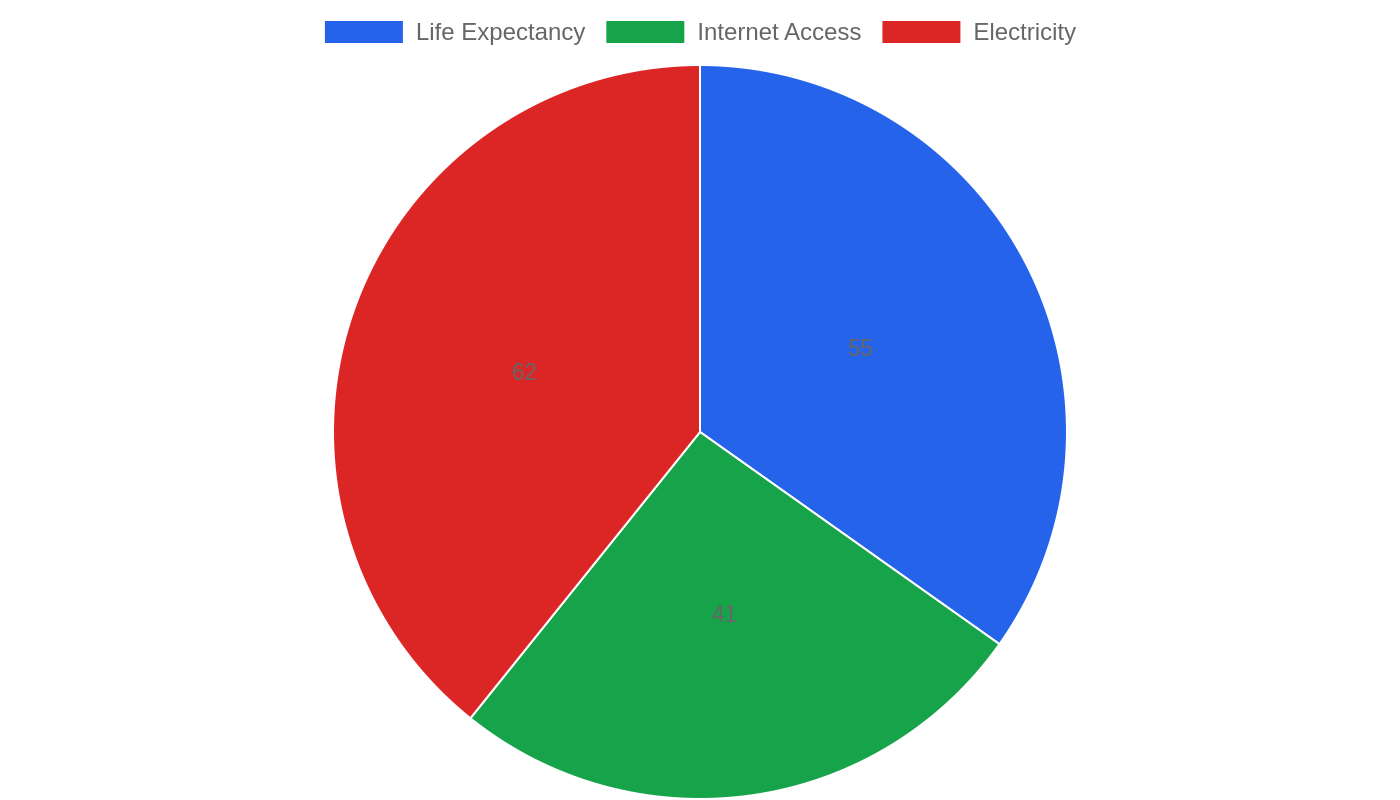
Economic Pulse Net | Sources: World Bank World Development Indicators, Government Sources | 2026
Key Takeaways
* Kyrgyzstan operates as a democratic unicameral republic with a distinct executive structure involving both a president and a prime minister, shaping its policy landscape.
The nation’s corporate sector is anchored by consumer services, media, and transportation firms, with key players like Aero Nomad Airlines and Kloop defining local market dynamics.
While specific macroeconomic indicators such as GDP growth and inflation rates are currently unreported, the industrial base remains focused on logistics and digital engineering.
Political stability is governed by the 1993 constitution, which establishes a judicial branch comprising a supreme court and local courts, ensuring a framework for legal governance.
Investors must navigate an environment where detailed cost-of-living metrics and crime indices are not yet quantified, requiring reliance on qualitative assessments of business safety and political continuity.
Economic Foundations and Industrial Structure
The economic narrative of Kyrgyzstan is defined less by volatile macroeconomic fluctuations and more by its structural role within regional trade corridors. Although precise figures for GDP growth, inflation, and unemployment remain unavailable from the latest World Bank data, the underlying industrial architecture provides clues to the country’s economic resilience.
The primary industries are heavily skewed toward services and logistics, reflecting a nation that serves as a critical transit hub between larger economies. Companies such as Kyrgyz Railway and Kyrgyz Express Post indicate a robust focus on industrial transportation, suggesting that the movement of goods is a central pillar of national income.
Furthermore, the presence of Devolution in IT Engineering highlights a growing digital sector, offering a modern counterbalance to traditional trade-dependent revenue streams. This diversification into media and technology, led by entities like Agym and AKIpress News Agency, suggests an economy attempting to reduce dependency on raw commodity exports.
The absence of hard GDP per capita or GNI data does not negate the existence of these active commercial engines; rather, it underscores the need for investors to look at sectoral health rather than aggregate national output. The focus on consumer services through airlines like Air Bishkek and Avia Traffic Company further illustrates an economy driven by connectivity and mobility.
These industries collectively form a web of interdependent services that sustain daily economic activity, even in the absence of comprehensive national accounting metrics. Understanding Kyrgyzstan requires viewing it as a network of specialized service providers rather than a monolithic industrial powerhouse.
Cost of Living and Housing Dynamics
Assessing the financial reality for residents and expatriates in Kyrgyzstan presents a challenge due to the lack of specific cost-of-living indices and housing price data. Without concrete numbers on rent versus buy ratios or daily expense benchmarks, constructing a precise budgetary model is impossible based solely on current datasets. However, the nature of the dominant industries offers indirect insights into the economic rhythm of the population.
The prominence of media and consumer service companies implies a urban-centric workforce concentrated in areas like Bishkek, where demand for housing and daily amenities would naturally be higher. In the absence of comparative regional averages, potential residents must rely on localized knowledge rather than standardized global indexes. The lack of reported inflation data also means that price stability cannot be assumed or predicted using standard economic models.
Consequently, the cost of living remains a variable dependent on individual lifestyle choices and location, rather than a fixed national metric. For those considering relocation, the uncertainty surrounding official pricing structures necessitates a cautious approach to financial planning. The gap in data regarding everyday expenses highlights a broader issue in how small emerging markets report quality-of-life statistics.
Until such data becomes available, the experience of living in Kyrgyzstan will be perceived through anecdotal evidence rather than statistical certainty.
Investment Opportunities and Business Climate
Kyrgyzstan’s business landscape is characterized by a clear concentration in specific sectors, offering targeted opportunities for niche investors. The top companies list reveals a strong dominance in consumer services and media, with Aero Nomad Airlines, Air Bishkek, and Avia Traffic Company leading the aviation sector. This suggests that travel and tourism-related investments may yield significant returns, given the essential nature of air connectivity in a mountainous terrain.
The media sector is equally vibrant, represented by major players like Kloop, Kabar, and Agym, indicating a healthy demand for information dissemination and digital content. Beyond services, the industrial side of the economy is supported by Kyrgyz Railway and Kyrgyz Express Post, pointing to enduring value in logistics infrastructure. The inclusion of Devolution in IT Engineering signals a maturing tech ecosystem that could attract venture capital interested in software development and digital solutions.
For foreign businesses, entering this market means partnering with established local entities that already command significant market share. The regulatory environment, while defined by a clear constitutional framework, requires careful navigation due to the specificities of local corporate law. Investors should prioritize sectors with visible corporate giants, as these companies often set the standard for operational excellence and market reliability.
The diversity of the listed companies, ranging from news agencies to freight transport, indicates a multifaceted economy ready for specialized external partnerships.
Safety, Politics, and Quality of Life
The political architecture of Kyrgyzstan is firmly rooted in the 1993 constitution, which defines the state as a democratic unicameral republic. This foundational document outlines a system where power is shared between a president and a prime minister, creating a dual-executive dynamic that influences policy implementation. The parliament’s unicameral structure simplifies legislative processes, potentially allowing for quicker responses to emerging economic or social issues.
Judicial authority is vested in a supreme court, supplemented by local courts and overseen by a chief prosecutor, ensuring a hierarchical legal system. Despite this structured political framework, specific crime and safety indices are not currently reported, leaving the subjective experience of safety largely undefined. The absence of a numerical Crime Index or Safety Index makes it difficult to quantify the risk level for residents and tourists alike.
However, the existence of a formalized judicial branch suggests that mechanisms for dispute resolution and legal protection are in place. Quality of life assessments are similarly hampered by the lack of happiness data or social well-being metrics. Prospective residents must therefore rely on general reputational knowledge rather than empirical safety scores. The political stability derived from a clear constitutional order provides a baseline of predictability, even if day-to-day security metrics remain opaque.
Understanding the interplay between the executive, legislative, and judicial branches is crucial for anyone navigating the social fabric of the country.
Current Affairs and Policy Directions
While specific recent news events and live indicators are not provided in the current dataset, the structural elements of Kyrgyzstan suggest ongoing developments in governance and corporate adaptation. The continued relevance of the 1993 constitution implies that the political landscape remains stable but subject to the evolving interpretations of democratic institutions.
The active status of major corporations like Kloop and Aero Nomad Airlines indicates that business operations are proceeding without major systemic disruptions. In the absence of reported inflation trends or policy shifts, the current affairs narrative is one of steady-state operation within established legal and economic frameworks. Any reforms would likely focus on enhancing the efficiency of the unicameral parliament or strengthening the judicial branch’s capacity to handle complex commercial disputes.
The growth of the IT sector, evidenced by companies like Devolution, points toward gradual modernization efforts that may influence future economic policies. Without specific data on elections or immediate crises, the prevailing theme is one of institutional continuity. Investors and observers should monitor the interaction between the president and prime minister, as their collaborative dynamics will likely dictate the pace of any new economic initiatives.
The lack of recent news data does not imply stagnation but rather a quiet period of internal consolidation. Future updates will likely reveal how these structural foundations support long-term strategic goals.
The Bottom Line
Kyrgyzstan presents a unique case study for investors and analysts, offering a glimpse into a nation where structural clarity outweighs quantitative abundance. Those interested in the intersection of logistics, media, and digital services will find a fertile ground for exploration despite the lack of granular economic data. The country’s democratic framework and diverse corporate landscape provide a stable platform for long-term engagement.
Readers should view Kyrgyzstan not through the lens of high-frequency trading metrics, but as a developing market with solid institutional underpinnings waiting for deeper data transparency.
Sources & Methodology
This article is authored by Economic Pulse Net for informational and research purposes. Economic Pulse Net sources its data from multilateral institutions, national statistics bureaus, and proprietary databases. All data is believed to be current as of the date of publication.
Published: October 23, 2026 | Category: Research — Kyrgyzstan
Use these signals in your own platform
Economic Pulse publishes its live signal feed through a documented, read-only API. Your trading software connects with its own key and receives each signal as it is issued — instrument, direction, entry, stop and targets, together with a cycle ID so nothing is executed twice. The feed is independent of this website and cannot change it.
Signals are informational only and are not financial advice.