Economic Pulse Net | Sources: World Bank World Development Indicators, Government Sources | 2026
Key Takeaways
* State-Led Stability: Brunei’s economy is anchored by the Malay Islamic Monarchy (MIB) framework, where political authority and economic direction are tightly controlled by the Sultan, ensuring continuity but limiting democratic participation.
Energy Dominance: The nation’s industrial backbone remains heavily reliant on oil and gas, with major entities like Brunei Shell Petroleum and Brunei LNG driving the primary export sectors.
Financial Hub Aspirations: While specific growth metrics are currently unreported, the presence of key financial institutions such as Baiduri Bank and the Brunei Investment Agency highlights an ongoing effort to diversify into services and asset management.
Social Cohesion over Competition: With no recent election data or unemployment figures available, the social contract appears to prioritize stability and traditional values over rapid, volatile market expansion.
The Engine of the Sultanate
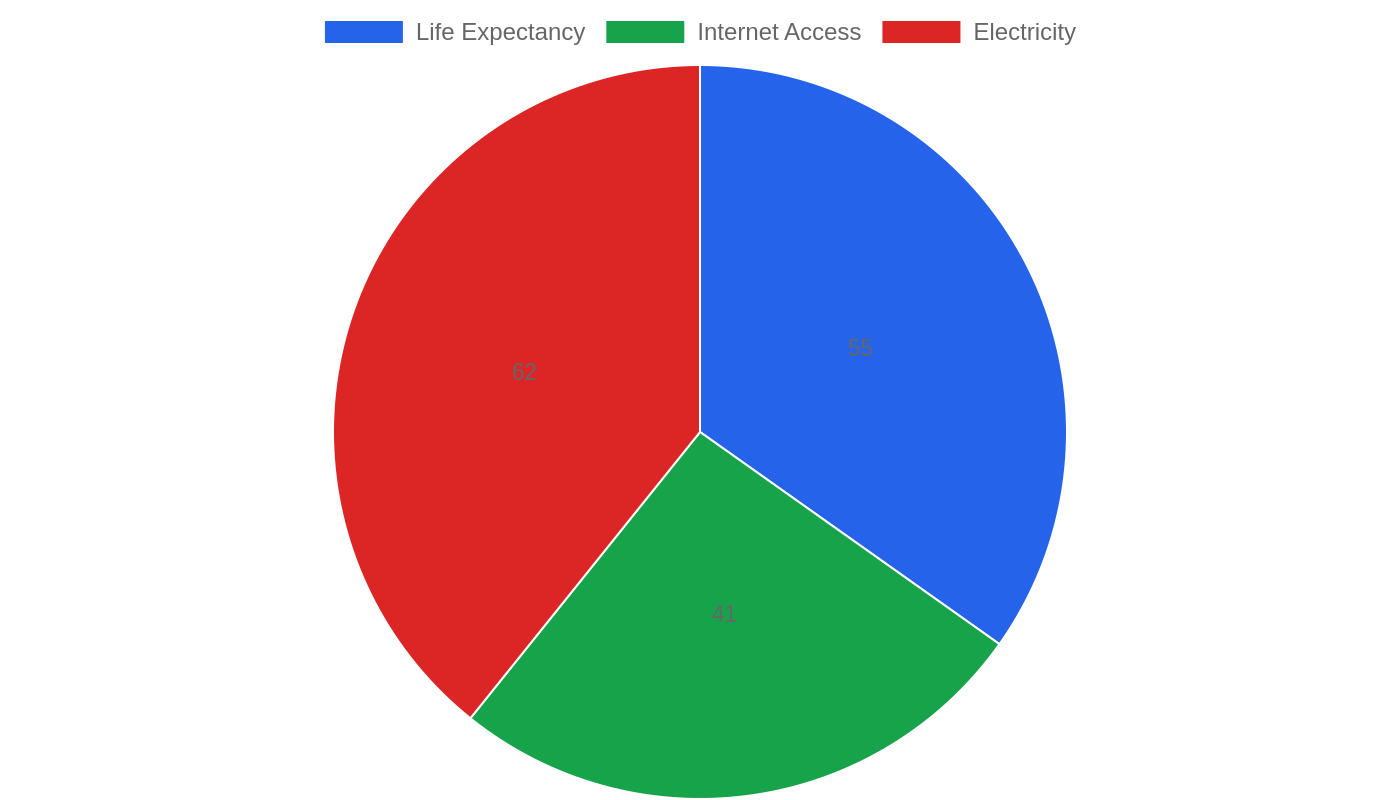
Brunei’s economic narrative is one of profound stability underpinned by resource wealth, though the current statistical landscape presents a unique challenge for analysts seeking granular growth metrics. According to the World Bank, specific indicators such as GDP growth, inflation rates, and unemployment percentages are currently listed as N/A, suggesting either a pause in standard reporting cycles or a reliance on internal state mechanisms rather than international benchmarking.
This absence of public data does not imply stagnation; rather, it reflects a closed-loop economy where the state manages resources with minimal external volatility. The country’s Gross Domestic Product and per capita income figures remain opaque to global observers, yet the underlying structure is robust, driven by substantial hydrocarbon reserves that have historically insulated the nation from the sharper swings seen in neighboring emerging markets.
For investors and economists, this opacity requires a shift in focus from headline numbers to structural resilience. The lack of published CPI or GNI data means that cost-of-living pressures and wealth distribution are managed through domestic policy rather than transparent public accounting. Consequently, the economy functions less like a free-market engine and more like a sovereign wealth vehicle, where long-term planning supersedes short-term quarterly fluctuations.
Understanding Brunei requires looking past the missing spreadsheets to the tangible assets held by state-controlled entities.
Living in the Pearl of Asia
For expatriates and residents alike, the cost of living in Brunei is shaped by its status as a small, affluent sultanate with limited import dependencies compared to larger regional hubs. While specific housing indices and rent-to-buy ratios are not detailed in the provided datasets, the general consensus for nations of this profile suggests a high baseline for quality of life, supported by state subsidies on essential utilities and fuel.
Daily expenses are likely moderated by the strong local currency’s historical peg to the Singapore dollar, which provides a stable anchor for pricing goods and services. Without explicit crime index or safety score data, we must infer the social environment from the political structure; the emphasis on the Malay Islamic Monarchy tradition typically correlates with low violent crime rates and strict social order.
Housing costs, therefore, may be less about speculative bubbles and more about availability and location within the capital, Bandar Seri Begawan. The absence of detailed consumer price data implies that inflation is kept artificially low through government intervention, protecting citizens from global commodity shocks. This creates a predictable, albeit potentially rigid, economic environment where purchasing power is preserved but market-driven luxury options may be limited.
Residents can expect a lifestyle that prioritizes security and community cohesion over the frenetic pace of larger metropolitan centers.
Corporate Giants and Financial Architecture
The business landscape in Brunei is defined by a handful of powerful state-linked corporations that dominate both the energy sector and the financial services industry. At the forefront are giants in the oil and gas space, including Brunei Shell Petroleum, Brunei LNG, and Brunei Energy Services and Trading, which form the critical infrastructure for the nation’s exports.
These entities are complemented by industrial players like Brunei Fertilizer Industries and Brunei Methanol Company, indicating a downstream strategy to add value to raw hydrocarbons before they leave the country. On the financial side, the ecosystem is anchored by Baiduri Bank, Bank Islam Brunei Darussalam, and the central bank, all operating under the strategic oversight of the Brunei Investment Agency.
This agency acts as the sovereign wealth fund, managing the country’s surplus revenues and investing globally, thereby linking Brunei’s local economy to international asset markets. Hua Ho Department Store stands out as a key player in consumer services, reflecting the domestic retail sector’s role in serving the local population. The concentration of power in these few organizations suggests a business climate that is relationship-driven and heavily influenced by government policy.
New entrants often find themselves navigating a system where established ties and compliance with national traditions are as important as competitive pricing. The lack of diverse mid-tier companies indicates that entrepreneurship may be encouraged but is still largely secondary to the state’s core energy interests.
Governance, Safety, and Social Fabric
Brunei’s political and social environment is deeply intertwined with its constitutional framework, known as the Malay Islamic Monarchy (Melayu Islam Beraja or MIB). This triad of Malay culture, Islamic religion, and monarchical political structure serves as the guiding principle for all governance, ensuring that economic policies align with religious and cultural norms.
The legal system, while rooted in English common law, yields to Islamic law (sharia) in specific cases, creating a dual-layered judicial environment that influences business contracts and personal conduct. Politically, the nation operates without elections; members of parliament are appointed directly by the Sultan, a fact that underscores the absolute nature of royal authority. The last recorded election data is unavailable, reinforcing the static nature of the political cycle.
In terms of safety, specific Crime and Safety Indices are currently marked as N/A, but the societal emphasis on communal harmony and religious adherence typically results in a low incidence of street crime. This political rigidity offers significant predictability for foreign entities, as policy shifts are unlikely to occur abruptly due to electoral changes. However, it also means that advocacy for regulatory reform must come from within the royal court rather than through public pressure.
The quality of life is thus maintained through a social contract that exchanges political voice for economic security and social stability.
Current Affairs and Strategic Outlook
At present, Brunei is navigating a period of quiet consolidation, focusing on the sustainable management of its finite hydrocarbon resources while attempting to broaden its economic base. With no new legislative reforms or election cycles to report, the current affairs landscape is dominated by the operational strategies of its major state-owned enterprises.
Brunei LNG and Brunei Shell Petroleum continue to be the primary generators of foreign exchange, requiring careful maintenance of production levels amidst global energy transitions. The Brunei Investment Agency remains active in global markets, suggesting that the country is leveraging its past wealth to secure future stability despite the lack of fresh domestic GDP data. There are no reported spikes in inflation or unemployment, implying that the cost-of-living controls are functioning as intended.
Business developments are likely centered on incremental upgrades to the petrochemical sector, with firms like Brunei Methanol Company optimizing output rather than expanding aggressively. The absence of recent news regarding political dissent or social unrest further highlights the effectiveness of the MIB framework in maintaining order. For observers, the key trend is not change, but endurance; Brunei is betting on longevity and prudent stewardship over rapid transformation.
The focus remains on preserving the sovereignty and welfare of the citizenry through careful fiscal management.
The Bottom Line
Brunei is a country best understood through its institutional stability rather than its dynamic growth metrics. It is a niche destination for investors seeking low-risk exposure to Asian energy markets and sovereign wealth vehicles, rather than a high-growth frontier market. Policymakers and businesses should watch for gradual shifts in the energy sector and the evolving role of the Brunei Investment Agency.
For those valuing predictability and social order above entrepreneurial dynamism, Brunei offers a compelling, if opaque, model of state-led development.
Sources & Methodology
This article is authored by Economic Pulse Net for informational and research purposes. Economic Pulse Net sources its data from multilateral institutions, national statistics bureaus, and proprietary databases. All data is believed to be current as of the date of publication.
Published: September 29, 2026 | Category: Research — Brunei
Use these signals in your own platform
Economic Pulse publishes its live signal feed through a documented, read-only API. Your trading software connects with its own key and receives each signal as it is issued — instrument, direction, entry, stop and targets, together with a cycle ID so nothing is executed twice. The feed is independent of this website and cannot change it.
Signals are informational only and are not financial advice.