Economic Pulse Net | Sources: World Bank World Development Indicators, Government Sources | 2026
Key Takeaways
– St Martin’s French side operates as a micro-economy almost entirely dependent on tourism, with no major industrial base or agricultural output to speak of.
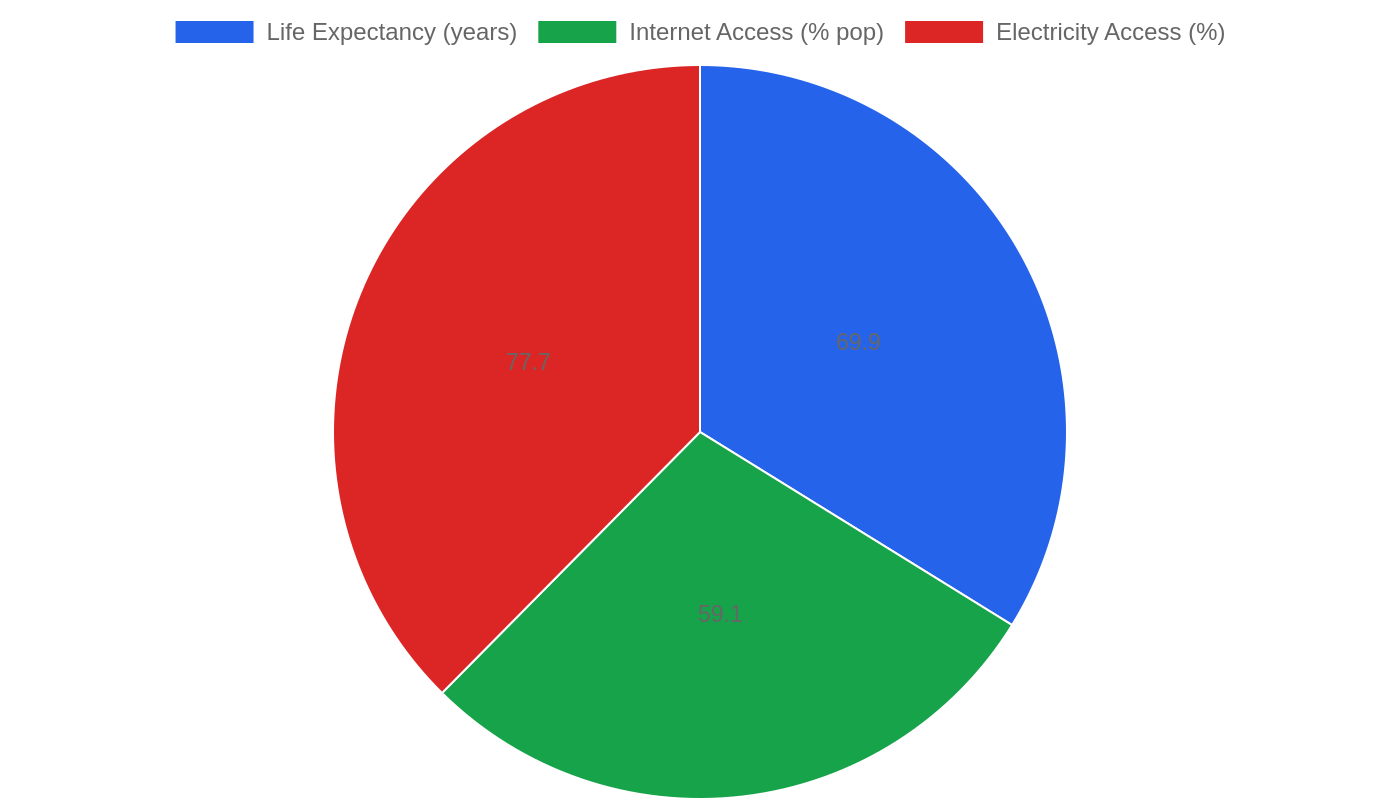
– The territory’s economic data is strikingly sparse — the World Bank reports no GDP growth, inflation, unemployment, or per capita income figures, reflecting its status as a non-sovereign overseas collectivity of France.
– Cost of living is notoriously high due to heavy reliance on imported goods, with most food, fuel, and construction materials arriving by sea from mainland France or neighbouring islands.
– The island’s dual French-Dutch sovereignty creates a unique economic dynamic, where cross-border shopping, labour movement, and currency differences (euro vs. Netherlands Antillean guilder) shape daily commerce.
– Crime and safety indices are unavailable from standard international databases, but local reports suggest petty theft and occasional violent incidents are concerns in tourist areas.
The Invisible Economy — What the Numbers Don’t Tell You
When the World Bank publishes its annual economic data, St Martin’s French side appears as a blank space on the spreadsheet. No GDP growth. No inflation rate. No unemployment figures. No GNI per capita. On paper, this 53-square-kilometre territory — the northern half of an island shared with Dutch Sint Maarten — is an economic phantom.
But the absence of data is itself a story. St Martin (French part) is not a sovereign nation; it is an overseas collectivity of France, and its economic reporting is folded into French national statistics or simply not collected at the granular level required by international institutions. This means the roughly 35,000 residents who call this side of the island home operate within an economy that is simultaneously hyper-local and deeply tied to the French state.
The territory’s main industries are not recorded in any official World Bank classification, but any visitor or resident will tell you the economy runs on tourism, retail, and construction. The island’s white-sand beaches, duty-free shopping, and cruise ship terminals draw hundreds of thousands of visitors annually. When Hurricane Irma devastated the island in 2017, destroying an estimated 95% of infrastructure on the French side, the economy effectively ground to a halt.
Recovery has been slow and uneven, with French government reconstruction funds providing a lifeline.
Without formal GDP data, economists rely on proxies: electricity consumption, port traffic, hotel occupancy rates, and VAT collection. These indicators suggest a fragile recovery, heavily dependent on the return of European and North American tourists. The inflation picture is similarly opaque, but anyone buying imported cheese or bottled water in Marigot knows prices have risen sharply since the pandemic disrupted global supply chains.
Paradise Priced Out — The True Cost of Living on a Caribbean Island
Living on St Martin’s French side means paying a premium for almost everything. The territory imports the vast majority of its consumer goods — from fresh produce to electronics to building materials — and those imports carry shipping costs, customs duties, and retail mark-ups that can double or triple prices compared to mainland France.
Housing is the most punishing expense. Rental prices in desirable areas like Grand Case or Orient Bay rival those in Paris or Lyon, with a one-bedroom apartment often commanding €1,200 to €1,800 per month. Buying property is even steeper: a modest villa with a sea view can easily exceed €500,000. The rental market is tight, driven by demand from French civil servants posted to the island, wealthy second-home buyers, and workers from the Dutch side seeking quieter accommodation.
Daily expenses add up quickly. A loaf of bread might cost €3, a litre of milk €2.50, and a simple restaurant meal €20 or more. Fuel prices, set by French regulations, are significantly higher than in neighbouring Sint Maarten, prompting many residents to cross the border to fill their tanks. This cross-border price arbitrage is a defining feature of life here — the Dutch side offers cheaper petrol, groceries, and alcohol, while the French side offers better bakeries, healthcare, and public services.
Regional comparisons are difficult without official data, but anecdotal evidence suggests St Martin’s cost of living is among the highest in the Caribbean, comparable to Bermuda or the Cayman Islands. For locals working in tourism or retail, wages often fail to keep pace, creating a two-tier economy where expatriates and French state employees live comfortably while many native-born residents struggle.
Business on the Border — Investment Climate in a Micro-State
The business environment on St Martin’s French side is shaped by its peculiar status. As part of France, the territory enjoys access to European Union markets, French legal protections, and significant public investment in infrastructure, schools, and healthcare. The euro is the official currency, providing stability that neighbouring Caribbean nations often lack.
Yet doing business here comes with distinct challenges. The market is tiny — roughly 35,000 consumers — and the economy is overwhelmingly service-oriented. Top companies are not multinational giants but local hotels, restaurants, construction firms, and retail operations. Names like Le Méridien hotel, the Marina Royale complex in Marigot, and the boutiques along Rue de la République dominate the commercial landscape.
Sectors to watch include luxury tourism, where high-end villas and boutique hotels are replacing older, mid-range properties. The island’s reputation as a gourmet destination — Grand Case is called the “Gastronomic Capital of the Caribbean” — supports a cluster of fine-dining restaurants. Yacht services and marine maintenance are also growing, as St Martin’s protected harbours attract superyachts.
The French government’s role is both a blessing and a constraint. Generous social welfare programmes, subsidised healthcare, and public sector employment provide a safety net absent in many Caribbean islands. But French bureaucracy, high payroll taxes, and strict labour laws can deter entrepreneurs. Many business owners operate partially in the informal economy or maintain a presence on both sides of the island to navigate different regulatory regimes.
Life Between Two Worlds — Safety, Politics, and Quality of Life
Political life on St Martin’s French side is quiet by Caribbean standards. The territory is governed by a Territorial Council and sends representatives to the French National Assembly in Paris. Most day-to-day administration — from schools to road maintenance to policing — is handled by French civil servants. There is no independence movement of any significance; the majority of residents appear content with the status quo, valuing French citizenship and access to European services.
Crime data is absent from international indices, but local news reports paint a nuanced picture. Petty theft, particularly from rental cars and beachside properties, is common. Burglaries and occasional armed robberies occur, especially in isolated areas. The French gendarmerie maintains a visible presence, but the island’s open border with Sint Maarten — where crime rates are higher — allows for cross-border criminal activity, including drug trafficking and stolen goods.
Quality of life is a study in contrasts. The natural beauty is undeniable: turquoise waters, gentle trade winds, and a relaxed pace of life draw people here for a reason. The food is exceptional, the beaches world-class, and the cultural mix of French, Caribbean, and international influences creates a vibrant atmosphere. Yet the high cost of living, limited job opportunities, and vulnerability to hurricanes mean that paradise comes with strings attached.
Healthcare is a major advantage of French sovereignty. The island has a modern hospital in Marigot, and residents with French social security can access care at minimal cost. For serious medical issues, evacuation to Guadeloupe or mainland France is covered by the state. This safety net is a powerful draw for retirees and families from less stable Caribbean nations.
Storm Recovery and the Road Ahead — What’s Happening Now
Right now, St Martin’s French side is navigating a post-pandemic recovery that remains incomplete. Tourism numbers have rebounded but have not yet reached pre-2017 levels, when Hurricane Irma reshaped both the physical landscape and the economy. Cruise ship arrivals are up, but the high-end hotel sector is still rebuilding, with several properties remaining closed or operating at reduced capacity.
The French government has committed significant reconstruction funds — hundreds of millions of euros — for infrastructure repairs, seawalls, and building reinforcement. These projects are ongoing, creating construction jobs but also disrupting daily life. The airport at Grand Case, a vital link for private aviation, has been upgraded, but the main Princess Juliana International Airport on the Dutch side remains the primary entry point for most visitors.
Inflation is an unspoken pressure. While no official CPI data exists, residents report that prices for imported goods have risen sharply since 2022, driven by global shipping costs and the strength of the euro. Local businesses are caught between rising costs and tourists’ resistance to higher prices, squeezing margins.
The political landscape remains stable, with the Territorial Council focused on reconstruction, waste management, and diversifying the economy beyond tourism. There is growing interest in renewable energy — solar panels are appearing on rooftops — and in developing the island’s potential as a hub for digital nomads, attracted by French infrastructure and Caribbean lifestyle.
The Bottom Line
St Martin’s French side is a place where the numbers don’t tell the story — because the numbers barely exist. This is an economy built on sand, sun, and state support, vulnerable to hurricanes and global tourism trends but cushioned by French citizenship and European Union membership.
Investors should watch this territory for its luxury tourism potential and stable regulatory environment, but they must also accept the risks of a micro-economy with no industrial base and a cost structure that can crush margins. For travellers and second-home buyers, the appeal is obvious: European standards in a Caribbean setting. For everyone else, St Martin remains a beautiful enigma — an economic blank space that somehow works.
Sources & Methodology
This article is authored by Economic Pulse Net for informational and research purposes. Economic Pulse Net sources its data from multilateral institutions, national statistics bureaus, and proprietary databases. All data is believed to be current as of the date of publication.
Published: July 24, 2026 | Category: Research — St Martin French Part)
Use these signals in your own platform
Economic Pulse publishes its live signal feed through a documented, read-only API. Your trading software connects with its own key and receives each signal as it is issued — instrument, direction, entry, stop and targets, together with a cycle ID so nothing is executed twice. The feed is independent of this website and cannot change it.
Signals are informational only and are not financial advice.