Economic Pulse Net | Sources: World Bank World Development Indicators, Government Sources | 2026
Key Takeaways
– Sri Lanka remains Asia’s oldest democracy, operating under a semi-presidential system that requires a two-thirds parliamentary majority for most constitutional amendments, with certain fundamental features requiring both parliamentary supermajority and public referendum approval.
– The country’s corporate landscape is dominated by conglomerates and consumer goods giants like Aitken Spence, Cargills, Ceylon Biscuits Limited, and Ceylon Cold Stores, alongside state-backed financial institutions like Bank of Ceylon and telecommunications players like Airtel Sri Lanka.
– Sri Lanka’s political structure is a unitary state and democratic republic, with constitutional protections for national symbols, religion, term limits, and the unitary nature of the state itself — features that cannot be changed without both parliamentary and popular approval.
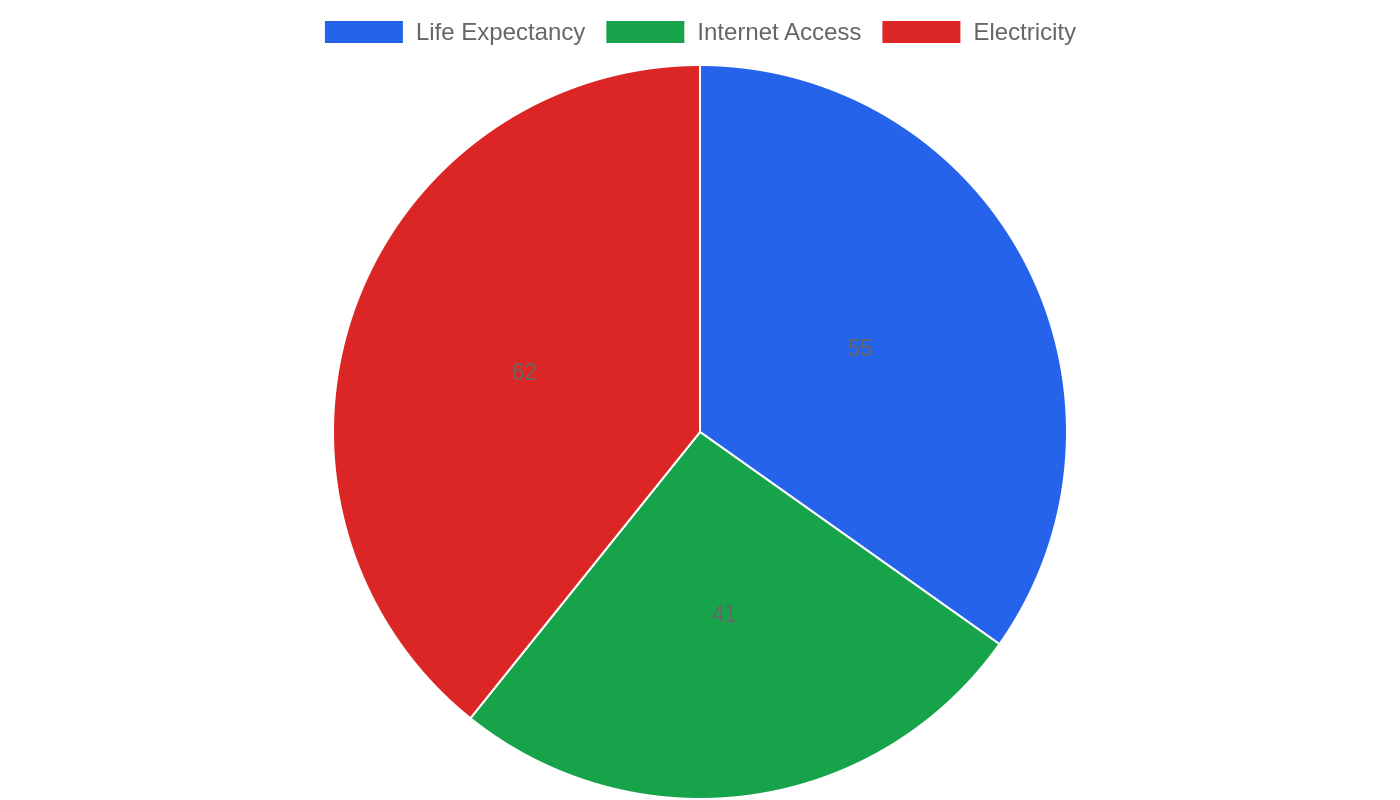
– The economy faces a period of profound uncertainty, with key indicators from the World Bank currently unavailable, reflecting the data gaps that often accompany periods of acute economic stress and restructuring.
The Great Unraveling — What the Numbers Don’t Tell Us
The World Bank’s latest data on Sri Lanka presents an almost eerie silence. GDP growth, inflation, unemployment, GDP in dollar terms, GDP per capita adjusted for purchasing power, GNI per capita, and even population figures are all listed as “N/A.” This absence of data is itself a story — a loud and troubling one.
When a country that once boasted middle-income status and some of the best human development indicators in South Asia suddenly stops producing reliable economic statistics, it signals a system under extraordinary strain.
Sri Lanka’s economy has traditionally been driven by textiles and apparel, tea and rubber exports, tourism, and remittances from overseas workers. The country developed a robust services sector and a reasonably diversified industrial base. But the recent crisis — a sovereign default, foreign exchange shortages, and political upheaval — has disrupted data collection and reporting.
The World Bank’s blank cells are not administrative oversight; they are symptoms of an economy that has lost its statistical moorings.
Inflation, when last reliably measured, had soared to catastrophic levels, eroding household purchasing power and pushing millions into poverty. Unemployment, particularly among educated youth, has been a persistent structural problem. Without current numbers, analysts are forced to rely on anecdotal evidence and satellite data — neither of which paints a pretty picture. The GDP figures, when they do eventually emerge, are expected to show a deep contraction, followed by a slow and painful recovery.
The Price of Everything — Living Through the Cost-of-Living Crisis
Without official cost-of-living indices from the World Bank, one must look to the corporate landscape for clues about everyday economic reality. The presence of companies like Cargills and Ceylon Cold Stores on the list of top firms tells us something important: consumer goods and retail remain central to Sri Lankan life. Cargills, a conglomerate with supermarket chains, is where ordinary Sri Lankans buy their rice, dhal, cooking oil, and milk powder — the staples of the national diet.
When those prices rise, the entire country feels it.
Ceylon Cold Stores, known for its “Elephant House” brand of soft drinks and ice cream, represents the small luxuries that households cling to during hard times. The fact that these companies remain among Sri Lanka’s largest suggests that consumer spending, while battered, has not collapsed entirely. But the gap between what people earn and what they need to spend has widened dramatically.
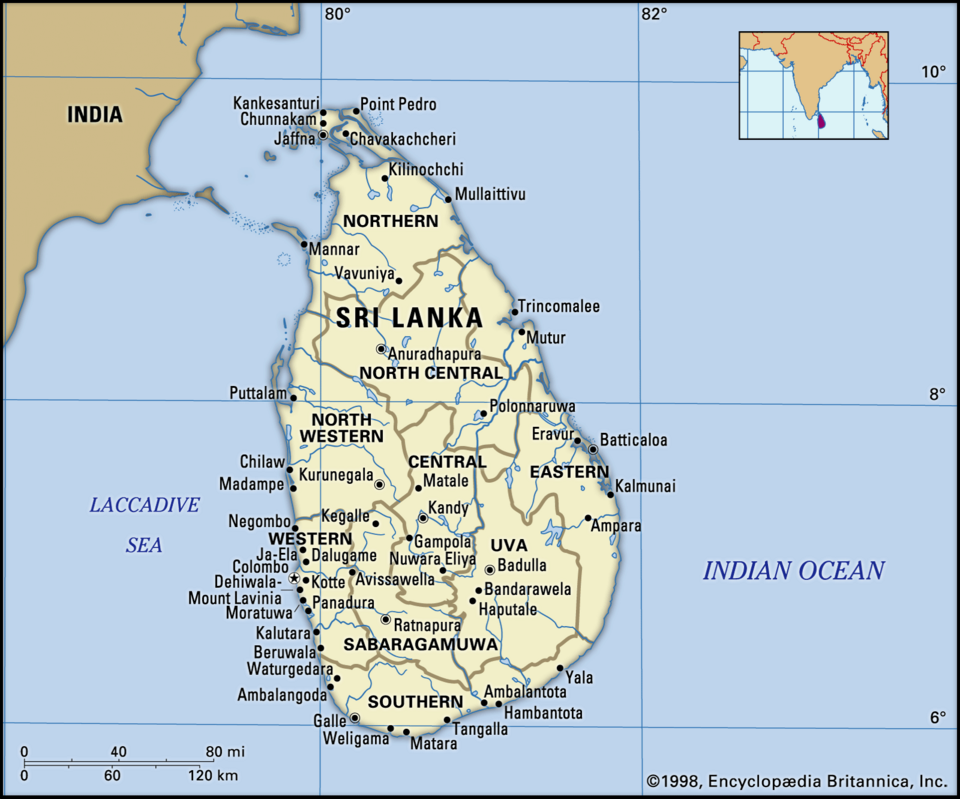
Rent in Colombo, the commercial capital, has become prohibitive for many, pushing families into smaller spaces or further out into the suburbs. The choice between buying medicine and buying food — a choice no economy should force on its citizens — has become distressingly common.
Regional comparisons are difficult without data, but anecdotal reports from neighboring India and Bangladesh suggest that Sri Lanka’s cost-of-living crisis has been more acute, more sudden, and more politically destabilizing. The country that once boasted universal healthcare and free education now struggles to keep its citizens fed.
Where the Money Lives — Conglomerates, Telecoms, and the Business of Survival
Sri Lanka’s top companies read like a who’s who of old economy resilience. Aitken Spence, a conglomerate with interests in tourism, logistics, and power generation, represents the diversified business model that has long characterized Sri Lankan capitalism.
Associated Newspapers of Ceylon Limited, the publisher of the country’s oldest English-language newspaper, speaks to the enduring importance of media in a democracy that values free expression — even if that freedom has come under pressure in recent years.
Bank of Ceylon, the state-owned financial giant, is the backbone of the formal banking system. When the government defaulted on its debt, it was Bank of Ceylon that held much of the domestic sovereign debt — a fact that has implications for the entire financial sector. Barefoot, the consumer goods company known for its handcrafted products, represents the artisanal and export-oriented side of the economy.
Airtel Sri Lanka, a subsidiary of the Indian telecom giant Bharti Airtel, shows that foreign investment has not completely dried up, even in the midst of crisis.
Ceylinco Consolidated, another conglomerate, and Ceylon Biscuits Limited, the maker of “Maliban” biscuits that are a staple of Sri Lankan tea time, round out a picture of an economy that still produces, still trades, and still consumes — but at a much lower level than before. CameraLK, an electronics retailer, hints at the consumer electronics market, which tends to be a bellwether for middle-class confidence.
When people stop buying cameras and smartphones, it means they have stopped believing in tomorrow.
Democracy Under Duress — Politics, Safety, and the Social Contract
Sri Lanka is described in the data as “the oldest democracy in Asia,” a claim that carries immense weight given the continent’s history of military rule, one-party states, and authoritarian backsliding. The country’s semi-presidential system, with a directly elected executive president and a parliament that can amend most constitutional provisions by a two-thirds majority, was designed to balance strong leadership with legislative oversight.
But the requirement that certain “fundamental features” — including national symbols, religion, term limits, the unitary state, and the entrenchment mechanism itself — require both a two-thirds parliamentary vote and approval in a national referendum shows how seriously Sri Lanka’s founders took the principle of constitutional stability.
The political landscape in recent years has been anything but stable. Mass protests in 2022 forced a sitting president to flee the country and resign, a dramatic illustration of democratic accountability in action. But the underlying tensions — between the Sinhalese majority and Tamil and Muslim minorities, between the coastal south and the interior, between urban and rural populations — remain unresolved.
The unitary state clause, in particular, is a flashpoint for Tamil nationalists who seek greater autonomy or independence.
Crime and safety indices are listed as “N/A” by the World Bank, but the absence of data should not be mistaken for an absence of problems. The economic crisis has fueled a rise in petty crime, and the breakdown of law and order in some areas has been reported by local media. Yet Sri Lanka remains, by regional standards, a relatively safe country. Violent crime is low compared to many of its neighbors, and the police force, while underfunded and overstretched, still commands a degree of public trust.
The Now — What’s Happening as the World Watches
This is the moment of maximum uncertainty for Sri Lanka. The country is navigating the treacherous waters of debt restructuring, trying to strike a deal with international bondholders and bilateral creditors like China, Japan, and India. The International Monetary Fund has approved a bailout package, but the conditions — tax hikes, subsidy cuts, and structural reforms — are politically painful and socially disruptive.
The corporate sector is adapting. Aitken Spence is pivoting toward renewable energy, betting that Sri Lanka’s sun and wind can power a recovery. Cargills is expanding its retail footprint, hoping that the domestic consumer market will eventually rebound. Airtel Sri Lanka is investing in network upgrades, a vote of confidence in the country’s long-term digital future. But these are long bets, and the short-term outlook remains grim.
Inflation, while moderating from its peak, is still eating into wages. The central bank has raised interest rates to combat price pressures, but this has choked off credit to businesses and households. The unemployment rate, when it is next officially measured, is expected to show a significant increase, particularly among young people who have seen their job prospects evaporate.
The political class is under immense pressure to deliver results. The government has promised elections, but the timing remains uncertain. The opposition is clamoring for change, but the structural constraints on the economy — a lack of foreign exchange, a damaged export base, and a population that has lost faith in institutions — mean that no government, however popular, will find the recovery easy.
The Bottom Line
Sri Lanka is a country that should be watched by anyone with an interest in democratic resilience, economic restructuring, and the human cost of sovereign debt crises. For investors, the risk is enormous but so is the potential reward — a country with a literate population, a strategic location in the Indian Ocean, and a history of entrepreneurship will not stay down forever.
For policymakers, Sri Lanka offers a case study in what happens when a middle-income country hits the debt wall and has to rebuild from scratch. For the ordinary reader, Sri Lanka is a reminder that democracy, even the oldest in Asia, is not a guarantee of prosperity — it is a framework within which a people must fight for their future, one day at a time.
Sources & Methodology
This article is authored by Economic Pulse Net for informational and research purposes. Economic Pulse Net sources its data from multilateral institutions, national statistics bureaus, and proprietary databases. All data is believed to be current as of the date of publication.
Published: July 17, 2026 | Category: Research — Sri Lanka
Use these signals in your own platform
Economic Pulse publishes its live signal feed through a documented, read-only API. Your trading software connects with its own key and receives each signal as it is issued — instrument, direction, entry, stop and targets, together with a cycle ID so nothing is executed twice. The feed is independent of this website and cannot change it.
Signals are informational only and are not financial advice.