Economic Pulse Net | Sources: World Bank World Development Indicators, Government Sources | 2026
Key Takeaways
– San Marino operates as a parliamentary representative democratic republic, with a unique dual-head-of-state system that has endured for centuries.
– The country’s political framework features a pluriform multi-party system, with executive power exercised through a collective government structure.
– Despite its small size, San Marino maintains an independent judiciary and a robust legislative framework through the Grand and General Council.
– The secretary for foreign and political affairs functions effectively as a prime minister, guiding the republic’s international and domestic agenda.
– For investors and observers, San Marino represents a case study in political continuity and institutional resilience within the European microstate landscape.
The Economic Paradox of a Microstate Without Borders
San Marino presents an economic narrative that defies conventional analysis. The World Bank data currently shows no recorded figures for GDP growth, inflation, unemployment, or GDP per capita — a statistical silence that speaks to the unique challenges of tracking a microstate economy that is deeply integrated with its regional surroundings.
This absence of headline numbers does not indicate economic inactivity; rather, it reflects the reality that San Marino’s economy operates on a scale where traditional macroeconomic indicators often fail to capture the full picture.
The republic’s economic lifeblood flows through its main industries, which have historically centered on tourism, banking, ceramics, and light manufacturing. As one of the world’s oldest republics, San Marino has leveraged its heritage and UNESCO-recognized historical center to attract visitors from across Europe and beyond.
The tourism sector drives significant economic activity, supporting a network of hotels, restaurants, and retail establishments that cater to day-trippers and longer-stay visitors alike.
Banking and financial services have long been pillars of the Sammarinese economy, though the sector has faced increasing pressure from international transparency standards and European regulatory frameworks. The country has worked to reposition itself as a compliant, well-regulated financial center, moving away from its historical reputation as a tax haven.
This transition has required careful balancing — maintaining the confidentiality and efficiency that attract international clients while satisfying the demands of European oversight bodies.
The manufacturing sector, though modest in absolute terms, contributes meaningfully to the economy through specialized production in ceramics, electronics, and traditional crafts. These industries benefit from San Marino’s strategic position within the Italian peninsula and its preferential trading relationships with the European Union. The workforce, while small in number, is generally well-educated and multilingual, providing a competitive advantage in service-oriented sectors.
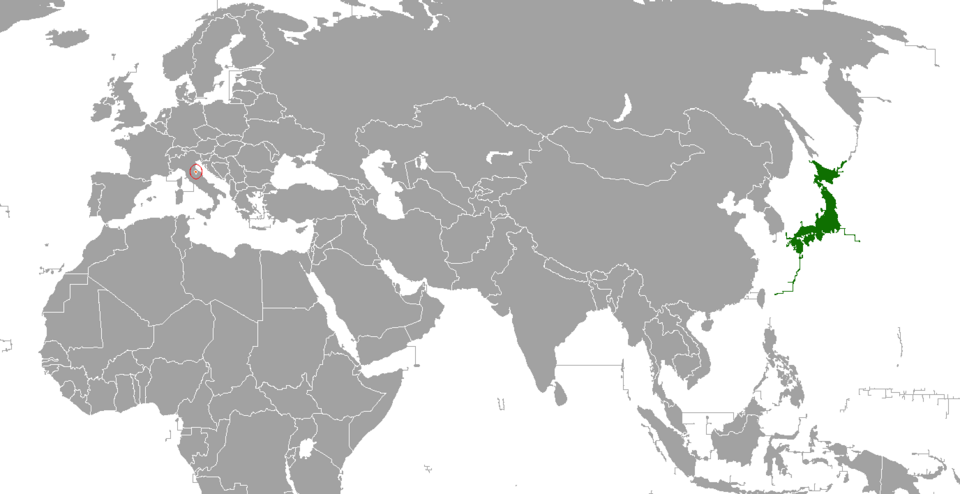
What makes San Marino’s economic situation particularly intriguing is its relationship with Italy. The republic is entirely surrounded by Italian territory, and its economy is inextricably linked to that of its much larger neighbor. This interdependence means that Italian economic trends inevitably ripple through San Marino, but the microstate’s distinct regulatory environment and political autonomy allow it to respond differently to shared challenges.
For observers, the key question is whether San Marino can maintain its economic distinctiveness while navigating the pressures of European integration and global economic uncertainty.
Housing and Daily Life in a Hilltop Republic
The cost of living in San Marino reflects its position as a developed European microstate with limited land area. Housing represents the most significant expense for residents, with the republic’s mountainous terrain and protected historical districts constraining new construction. The rental market in San Marino City and the surrounding municipalities is characterized by limited supply and steady demand, pushing prices toward the higher end of the regional spectrum.
For those considering a move to the republic, the practical realities of daily life are shaped by the country’s compact geography. San Marino’s total land area is just over 60 square kilometers, meaning that commuting distances are minimal and most services are within easy reach. This proximity creates a lifestyle that is markedly different from larger European nations — a blend of small-town convenience with the amenities of a sovereign state.
The retail and consumer landscape reflects the country’s tourism orientation, with prices for goods and services often aligned with Italian levels, though certain imported items may carry a premium due to the costs of transportation and the smaller market size. Groceries and daily essentials are generally comparable to neighboring Italian regions, while dining and entertainment options cater to both residents and the steady flow of visitors.
Property ownership remains an aspirational goal for many Sammarinese, and the government has historically maintained policies that favor resident homebuyers over foreign investors in certain segments of the market. This approach reflects a broader commitment to preserving the social fabric of the republic, ensuring that local families can continue to afford to live in the communities where they grew up.
For expatriates and international workers, the rental market offers more accessible entry points, though availability can be limited, particularly during peak tourist seasons.
Investment Climate and the Business of Being San Marino
San Marino’s business environment is defined by its political stability and its strategic position within Europe. The republic’s top companies span a range of sectors, including banking, insurance, telecommunications, and tourism-related services. These enterprises benefit from San Marino’s regulatory autonomy while operating within the broader European economic framework.
The political structure, with its dual captains regent serving as heads of state and a pluriform multi-party system, creates a governance model that emphasizes consensus-building and continuity. For businesses, this translates into a predictable regulatory environment where policy shifts are typically incremental rather than revolutionary.
The Grand and General Council, as the legislative body, works in tandem with the government to shape economic policy, with the secretary for foreign and political affairs playing a coordinating role similar to that of a prime minister.
Sectors with particular growth potential include financial services, where San Marino continues to develop its compliance infrastructure and international partnerships. The republic has also shown interest in expanding its digital economy, recognizing that its small size can be an advantage in creating agile, responsive business environments. Tourism remains the most reliable engine of economic activity, with ongoing investments in cultural heritage preservation and visitor infrastructure.
The absence of detailed World Bank economic data presents both challenges and opportunities for potential investors. On one hand, the lack of transparent macroeconomic indicators can make due diligence more difficult. On the other hand, this opacity reflects the reality that San Marino’s economy is small enough to be understood through direct engagement — relationships and local knowledge often matter more than aggregate statistics.
For foreign businesses, the path to market typically involves partnerships with established local firms and careful navigation of the republic’s specific regulatory requirements.
Governance, Safety, and the Quality of Sammarinese Life
San Marino’s political landscape is characterized by remarkable continuity and institutional depth. As a parliamentary representative democratic republic, the country has refined its governance structures over centuries of independent existence. The captains regent, who serve as joint heads of state, embody the republican tradition that has defined San Marino since its founding.
This dual leadership model ensures that power is never concentrated in a single individual, reflecting the country’s deep commitment to collective governance.
The judiciary operates independently, providing a check on executive and legislative authority. This separation of powers, combined with the multi-party system, creates a political environment where debate is vigorous but institutional stability is maintained.
The absence of a formal head of government is notable — instead, the secretary for foreign and political affairs carries out many of the functions associated with a prime minister, coordinating policy across government departments and representing the republic internationally.
While specific crime and safety indices are not available in the current data, San Marino’s reputation as a safe, orderly society is well established. The country’s small population and strong community ties contribute to low crime rates and high levels of social trust. Residents enjoy a quality of life that combines the security of a tightly-knit community with the cultural and economic opportunities of a European nation.
The political culture of San Marino emphasizes participation and civic engagement. The Grand and General Council, with its proportional representation system, ensures that diverse political voices are heard in the legislative process. This inclusive approach extends to the relationship between the state and its citizens, with social welfare programs and public services playing an important role in maintaining the republic’s high standard of living.
Current Affairs — The Republic at a Crossroads
San Marino finds itself navigating a complex set of challenges and opportunities in the current moment. The ongoing evolution of European financial regulations continues to shape the republic’s banking sector, requiring constant adaptation to meet international standards while preserving the confidentiality and efficiency that have historically attracted clients. This balancing act remains one of the most delicate aspects of Sammarinese economic policy.
The country’s relationship with the European Union continues to evolve, with ongoing discussions about the depth and scope of integration. While San Marino is not an EU member, its use of the euro and its close economic ties to Italy create a de facto alignment with European policies. The negotiation of new cooperation agreements represents a significant focus of current diplomatic activity, with implications for trade, financial services, and the free movement of people.
Tourism remains a bright spot, with visitor numbers reflecting the enduring appeal of San Marino’s medieval architecture, panoramic views, and cultural events. The republic has invested in enhancing the visitor experience while managing the pressures that come with high tourist volumes in a small geographic area. Balancing economic benefits with the preservation of authentic character is an ongoing priority for local authorities.
The digital transformation of the Sammarinese economy is another area of active development, with initiatives aimed at modernizing public services and supporting technology-driven businesses. These efforts reflect a recognition that San Marino’s future prosperity depends on its ability to adapt to changing global economic patterns while maintaining the distinctive characteristics that make it unique.
The Bottom Line
San Marino deserves attention not for the size of its economy but for the lessons it offers in resilience, governance, and adaptation. For political scientists, it provides a living example of republican institutions that have endured for centuries. For investors, it represents a stable, well-regulated environment with specific opportunities in financial services, tourism, and digital enterprise.
And for those interested in European affairs, San Marino offers a window into how small states navigate the pressures of regional integration while preserving their sovereignty. As the world grows increasingly complex, this tiny republic’s ability to maintain stability and chart its own course makes it a compelling subject for continued observation.
Sources & Methodology
This article is authored by Economic Pulse Net for informational and research purposes. Economic Pulse Net sources its data from multilateral institutions, national statistics bureaus, and proprietary databases. All data is believed to be current as of the date of publication.
Published: July 31, 2026 | Category: Research — San Marino
Use these signals in your own platform
Economic Pulse publishes its live signal feed through a documented, read-only API. Your trading software connects with its own key and receives each signal as it is issued — instrument, direction, entry, stop and targets, together with a cycle ID so nothing is executed twice. The feed is independent of this website and cannot change it.
Signals are informational only and are not financial advice.