Economic Pulse Net | Sources: World Bank World Development Indicators, Government Sources | 2026
Key Takeaways
* Political Restructuring: Zimbabwe has transitioned from a presidential system to a parliamentary republic following constitutional amendments signed in 2026, marking a significant shift in governance structure.
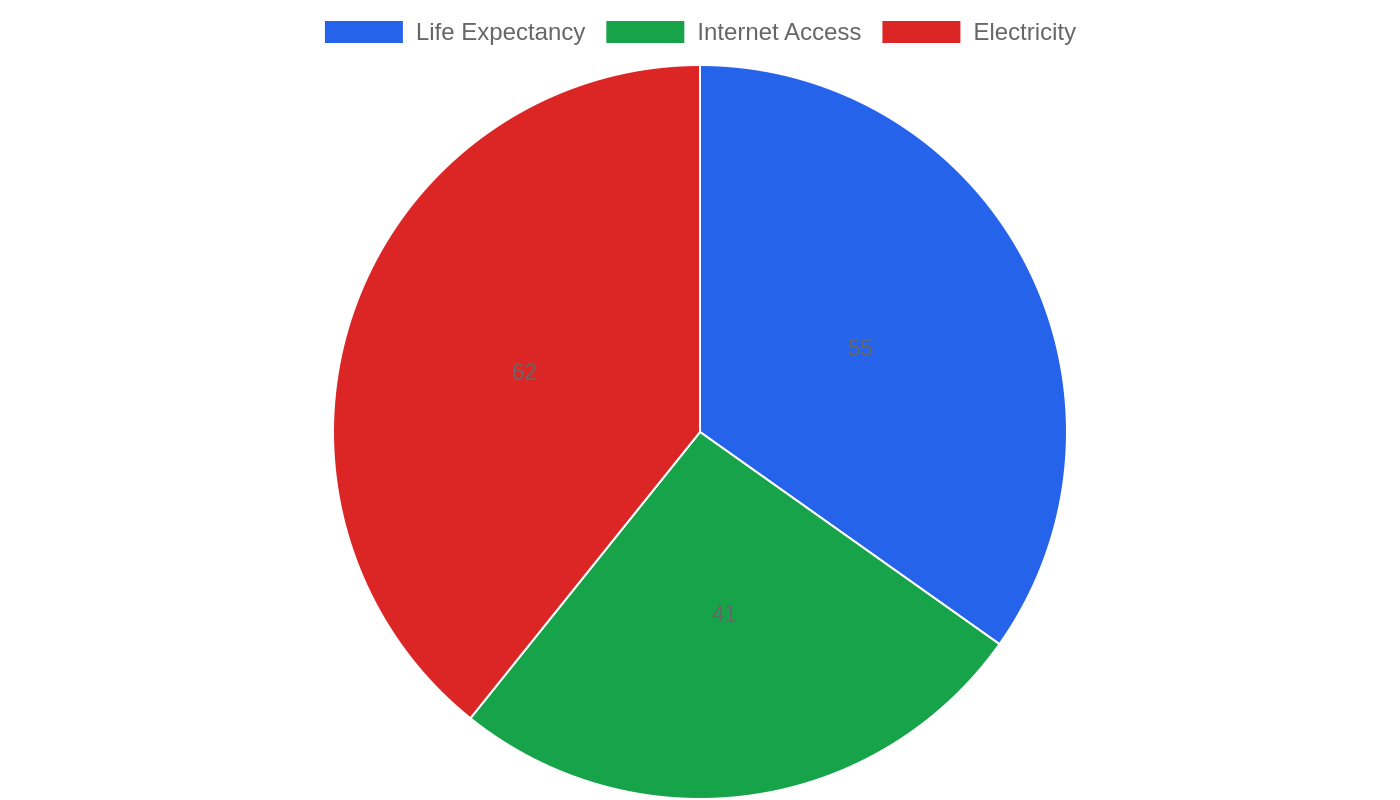
Data Transparency Gap: Critical economic indicators such as GDP growth, inflation rates, and unemployment figures are currently listed as N/A by the World Bank, highlighting a challenge in real-time economic visibility.
Industrial Base: The economy relies heavily on basic materials and financial services, with key players like Bindura Nickel Corporation and CBZ Bank playing pivotal roles in market stability.
Legislative Evolution: The reinstatement of the Senate in 2005 and the current unitary state framework define the complex legislative landscape investors must navigate.
A New Political Architecture
The political landscape of Zimbabwe is undergoing its most significant structural transformation in recent decades. Following constitutional amendments signed in 2026, the country has officially abolished its previous presidential system, transitioning instead into a republic with a parliamentary system of government under a unitary state. This change fundamentally alters the executive power dynamics, shifting focus toward legislative accountability.
Historically, the political framework saw the reinstatement of an upper chamber, the Senate, through constitutional changes in 2005, while the House of Assembly remains the lower chamber of Parliament. For international observers, this shift suggests a potential move toward more collective decision-making processes, although the operational realities of this new parliamentary model are still being defined.
The abolition of the strong executive presidency may reduce policy volatility associated with individual leadership terms, but it introduces a period of adjustment where coalition building and parliamentary consensus will become the primary drivers of national policy. Understanding this new governance architecture is essential for any entity looking to engage with Zimbabwe’s public sector or regulatory bodies in the coming years.
Economic Visibility and Industrial Foundations
From a macroeconomic perspective, Zimbabwe presents a unique challenge regarding data availability. According to the latest World Bank data, critical metrics including GDP growth, inflation CPI, unemployment rates, GDP in USD, GDP per capita (PPP), GNI per capita, and total population are all recorded as N/A. While the absence of these specific numbers prevents a traditional quantitative analysis of economic health, the qualitative structure of the economy remains visible through its industrial composition.
The nation’s economic engine is largely driven by its extractive and manufacturing sectors, particularly within basic materials and financial services. Companies such as ART Holdings and Border Timbers operate within the basic materials sector, leveraging Zimbabwe’s rich mineral resources, while the agricultural and consumer goods segments are supported by entities like African Distillers and Cairns Holdings.
The financial sector, anchored by major institutions like the Agricultural Development Bank of Zimbabwe, CBZ Bank Limited, and CBZ Holdings, provides the necessary liquidity for these industrial activities. Although precise growth figures are unavailable, the presence of these established corporate structures indicates that the foundational elements of production and finance continue to function, even if broader macroeconomic trends remain opaque to global standard tracking.
Investors must therefore rely on micro-level corporate performance rather than aggregate national statistics to gauge economic momentum.
Navigating Business Operations and Corporate Landscape
For businesses entering or expanding within Zimbabwe, the corporate landscape offers a mix of established giants and specialized service providers. The top companies list reveals a concentration of power in specific sectors: financials, basic materials, and consumer goods. CBZ Holdings and its subsidiary CBZ Bank Limited dominate the financial services space, serving as critical intermediaries for both domestic and international transactions.
In the industrial and basic materials realm, the Beitbridge Bulawayo Railway plays a crucial logistical role, connecting landlocked Zimbabwe to regional trade routes, while Bindura Nickel Corporation highlights the importance of mining exports. Consumer-facing industries are represented by Air Zimbabwe, which manages domestic and regional connectivity, and African Distillers, which serves the local consumer goods market.
For foreign investors, engaging with these entities requires a deep understanding of their respective regulatory environments. The dominance of these specific firms suggests that opportunities may be clustered around infrastructure development, resource processing, and financial inclusion. However, the lack of transparent unemployment and GDP data means that labor market conditions and consumer purchasing power are difficult to assess quantitatively.
Businesses must therefore conduct rigorous due diligence on individual company health and supply chain resilience rather than relying on broad economic forecasts.
Safety, Governance, and Daily Realities
Assessing the quality of life and safety in Zimbabwe involves navigating a complex interplay between political reform and daily security concerns. Current indices for crime and safety are listed as N/A, making direct comparisons to regional averages impossible based on available data. This gap in safety metrics underscores the need for localized intelligence when planning operations or residence.
On the political front, the transition to a parliamentary system aims to create a more balanced governance model, potentially offering greater stability through shared executive responsibilities. However, the historical context of constitutional changes, from the 2005 Senate reinstatement to the 2026 executive abolition, indicates a politically active environment where legal frameworks are frequently tested and revised.
For residents and expatriates, the combination of undefined safety indices and evolving political laws creates an environment where adaptability is paramount. While specific happiness or well-being data points are not provided in the current dataset, the structural shifts in government suggest that civic engagement and legal compliance will be increasingly important aspects of daily life.
Stakeholders should prioritize partnerships with local legal experts who can navigate the nuances of the new parliamentary regulations and ensure adherence to updated statutory requirements.
The Bottom Line
Zimbabwe stands at a crossroads of political redefinition and economic opacity. The abolition of the presidential system in 2026 marks a decisive break from past governance models, promising a new era of parliamentary accountability. However, the complete absence of core World Bank economic data—ranging from GDP to inflation—requires investors to proceed with caution and rely on firm-specific insights rather than national aggregates.
Those willing to navigate the complexities of the basic materials and financial sectors, led by key players like CBZ Holdings and Bindura Nickel Corporation, may find opportunities in a market that is structurally active yet statistically hidden. Success in Zimbabwe now depends less on macroeconomic forecasting and more on agility in responding to legislative changes and building robust local partnerships.
Sources & Methodology
This article is authored by Economic Pulse Net for informational and research purposes. Economic Pulse Net sources its data from multilateral institutions, national statistics bureaus, and proprietary databases. All data is believed to be current as of the date of publication.
Published: October 16, 2026 | Category: Research — Zimbabwe
Use these signals in your own platform
Economic Pulse publishes its live signal feed through a documented, read-only API. Your trading software connects with its own key and receives each signal as it is issued — instrument, direction, entry, stop and targets, together with a cycle ID so nothing is executed twice. The feed is independent of this website and cannot change it.
Signals are informational only and are not financial advice.