Economic Pulse Net | Sources: World Bank World Development Indicators, Government Sources | 2026
Key Takeaways
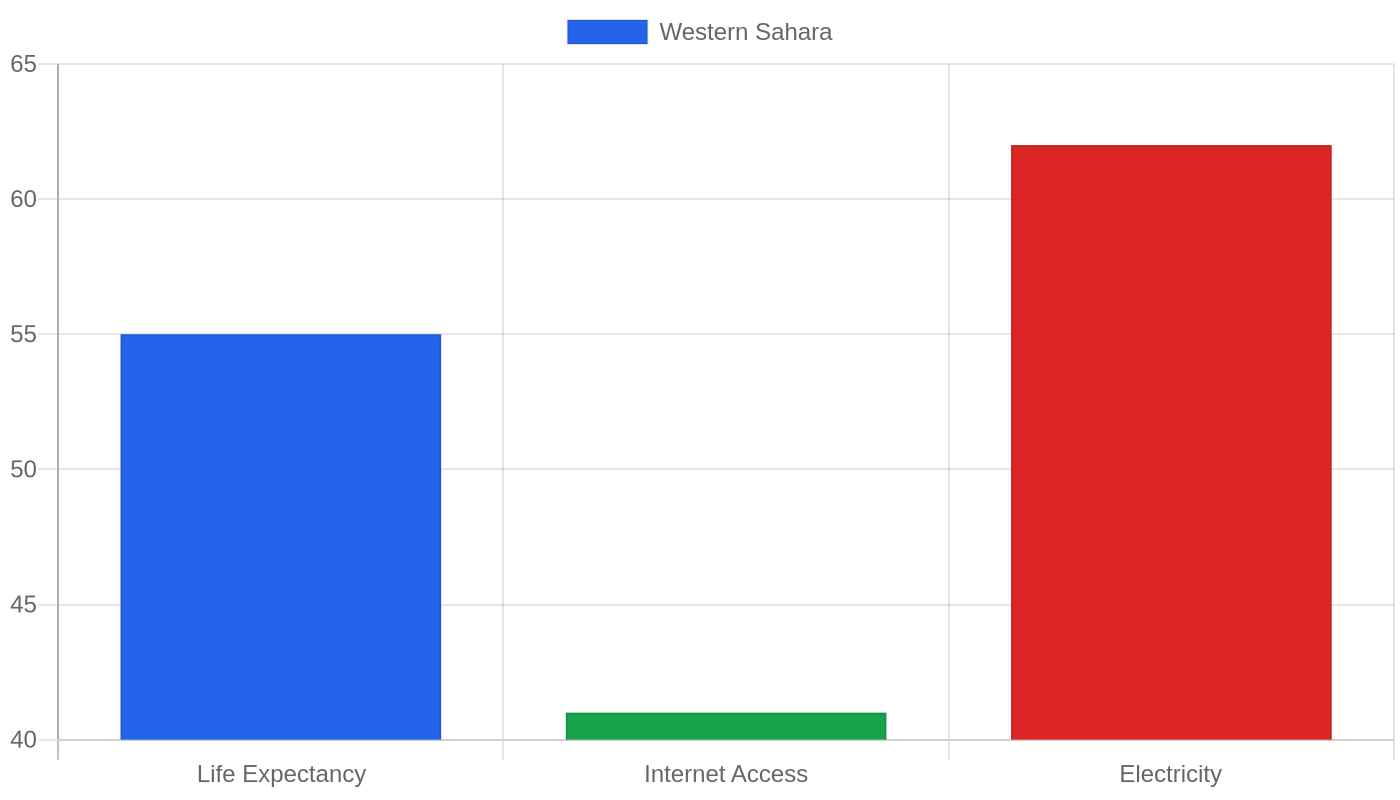
* Data Void: Comprehensive macroeconomic indicators such as GDP growth, inflation, and unemployment are currently listed as N/A by the World Bank, reflecting the territory’s complex administrative status.
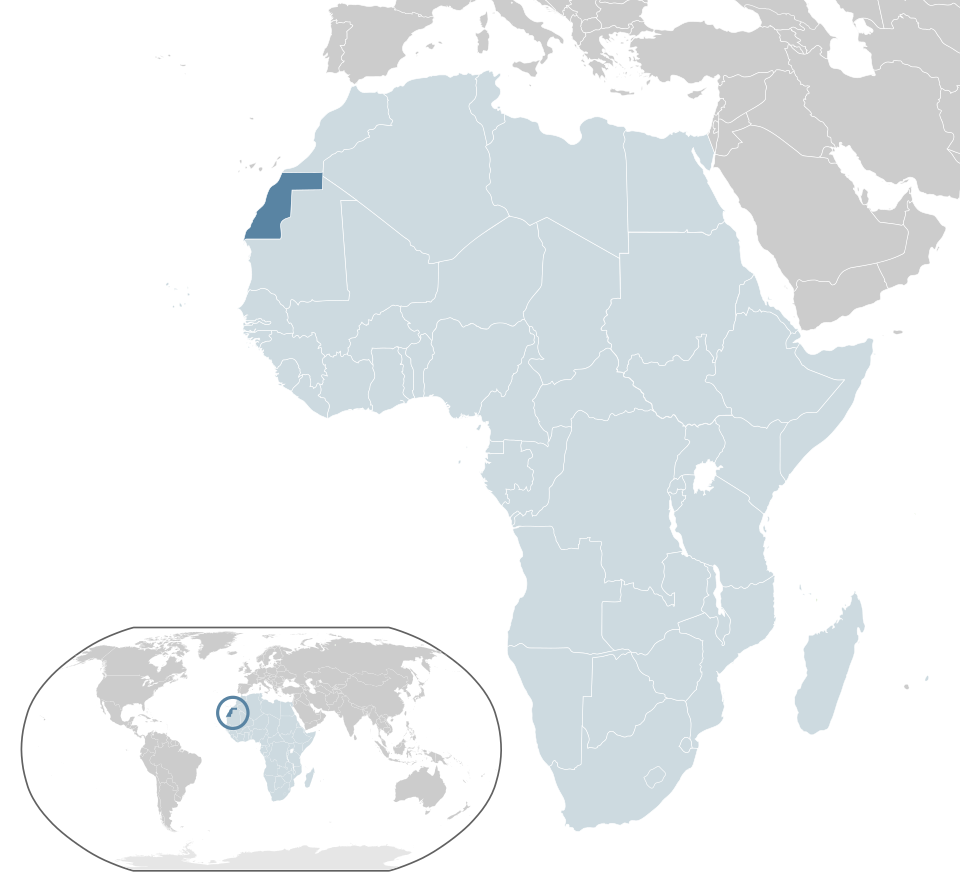
Sovereignty Dispute: The legal status of Western Sahara remains unresolved, with sovereignty contested between Morocco and the Polisario Front, creating a unique geopolitical economic environment.
UN Classification: The United Nations classifies the region as a “non-self-governing territory,” which significantly influences international investment frameworks and economic reporting standards.
Information Gap: Standard business metrics, including cost of living indices, crime statistics, and major corporate listings, are unavailable, highlighting the challenges of operating in or analyzing this specific market.
The Macroeconomic Mirage
Analyzing the economy of Western Sahara presents a unique journalistic challenge: the absence of standard data points that define modern financial analysis. According to the World Bank, key indicators such as GDP growth, inflation (CPI), unemployment rates, and total GDP in USD are all recorded as N/A. This statistical vacuum is not merely an oversight but a reflection of the territory’s political reality.
Without official national accounts, traditional metrics for measuring economic health—such as purchasing power parity (PPP) per capita or Gross National Income (GNI)—are also absent. This lack of quantifiable data forces analysts to look beyond spreadsheets and examine the structural factors that drive economic activity in the region. The primary driver here is not industrial output or service sector expansion, but rather the logistical and humanitarian flows necessitated by its status.
For investors and policymakers, the “N/A” figures signal a high-risk environment where formal economic modeling fails, and informal or state-subsidized activities likely dominate the landscape. Understanding Western Sahara requires recognizing that its economic narrative is written in diplomatic cables and UN resolutions rather than quarterly earnings reports.
Living Costs and Daily Realities
For residents and potential expatriates, the question of daily expenses in Western Sahara is complicated by the lack of standardized cost-of-living indices. Data regarding housing costs, rental markets, and general consumer price levels are not currently available through major global tracking services. In territories with contested sovereignty and limited commercial infrastructure, prices often fluctuate based on supply chain dependencies rather than free-market dynamics.
Typically, such regions rely heavily on imports for basic goods, which can inflate the cost of food, fuel, and utilities compared to regional averages. However, without specific CPI data from the World Bank or local statistical bureaus, it is impossible to quantify this premium accurately. The absence of rent-versus-buy comparisons further obscures the financial planning options for individuals considering long-term stays.
Consequently, the cost of living in Western Sahara is less a matter of market pricing and more a function of logistical access and political stability. Prospective visitors or workers must prepare for an environment where economic transparency is low, and financial predictability is scarce.
Investment Climate and Corporate Landscape
The business environment in Western Sahara is defined by its ambiguity rather than its opportunities. Major companies and leading corporations are not listed in current economic databases, suggesting either a lack of publicly traded entities or a dominance of state-controlled or informal enterprises. Sector-specific data on industries driving the local economy is similarly unavailable, making it difficult to identify sectors “to watch” for growth.
In such contexts, business development is often tied closely to government contracts, humanitarian aid logistics, or resource extraction permits, rather than private enterprise innovation. The lack of a clear corporate registry means that due diligence for foreign investors is exceptionally challenging. There are no readily identifiable top companies to benchmark against, leaving the private sector largely invisible to international observers.
This opacity creates a barrier to entry for multinational firms that require transparent regulatory frameworks and predictable legal recourse. As a result, any economic activity is likely conducted under special arrangements or within the broader administrative structures of the administering powers, rather than through open market competition.
Safety, Politics, and Quality of Life
Safety and political stability are inextricably linked in Western Sahara, with crime and safety indices reported as N/A by global monitoring agencies. This data gap does not imply safety; rather, it indicates that reliable, standardized crime statistics are not being collected or published in a manner accessible to international researchers. The overriding factor for quality of life is the unresolved sovereignty dispute between Morocco and the Polisario Front.
This political tension defines the social fabric, influencing movement, access to services, and personal security. The United Nations’ classification of the area as a “non-self-governing territory” underscores the ongoing legal limbo that affects every aspect of daily life. Happiness and well-being data are similarly absent, reflecting the profound impact of prolonged political uncertainty on the population.
For residents, the psychological burden of this conflict likely outweighs traditional economic concerns. The political landscape is not a backdrop but the central engine of existence, dictating the rules of engagement for both locals and outsiders.
Current Affairs and Geopolitical Shifts
The most significant “current affairs” in Western Sahara are not economic events but diplomatic and legal developments surrounding its status. With sovereignty remaining contested, the primary news cycle revolves around negotiations, UN missions, and occasional flare-ups in tensions between Morocco and the Polisario Front. Recent indicators suggest that the focus remains on maintaining the ceasefire and managing the humanitarian situation rather than pursuing aggressive economic reforms.
Policy shifts in the region are often driven by external pressures from international bodies seeking a permanent resolution to the conflict. Business developments, if they occur, are likely incremental and tied to broader normalization agreements involving neighboring states. There are no recent elections or major legislative changes reported in the economic sphere, as the administrative control is shared or disputed.
The “live” nature of this story is one of stagnation and waiting, where the potential for change lies in political breakthroughs rather than market innovations. Journalists and analysts must therefore monitor diplomatic channels and UN reports for any signs of shifting tides that could eventually unlock economic data.
The Bottom Line
Western Sahara represents a frontier case study in economics, where traditional data models break down due to political fragmentation. It is a country where the lack of information is itself the most critical piece of intelligence. Investors should view this territory with extreme caution, as the absence of GDP and corporate data signals high operational risks.
Policymakers and diplomats remain the primary stakeholders, as their decisions will ultimately determine whether the region moves toward integration, independence, or continued stalemate. For now, Western Sahara remains an economic enigma, best understood through the lens of geopolitics rather than finance.
Sources & Methodology
This article is authored by Economic Pulse Net for informational and research purposes. Economic Pulse Net sources its data from multilateral institutions, national statistics bureaus, and proprietary databases. All data is believed to be current as of the date of publication.
Published: October 01, 2026 | Category: Research — Western Sahara
Use these signals in your own platform
Economic Pulse publishes its live signal feed through a documented, read-only API. Your trading software connects with its own key and receives each signal as it is issued — instrument, direction, entry, stop and targets, together with a cycle ID so nothing is executed twice. The feed is independent of this website and cannot change it.
Signals are informational only and are not financial advice.