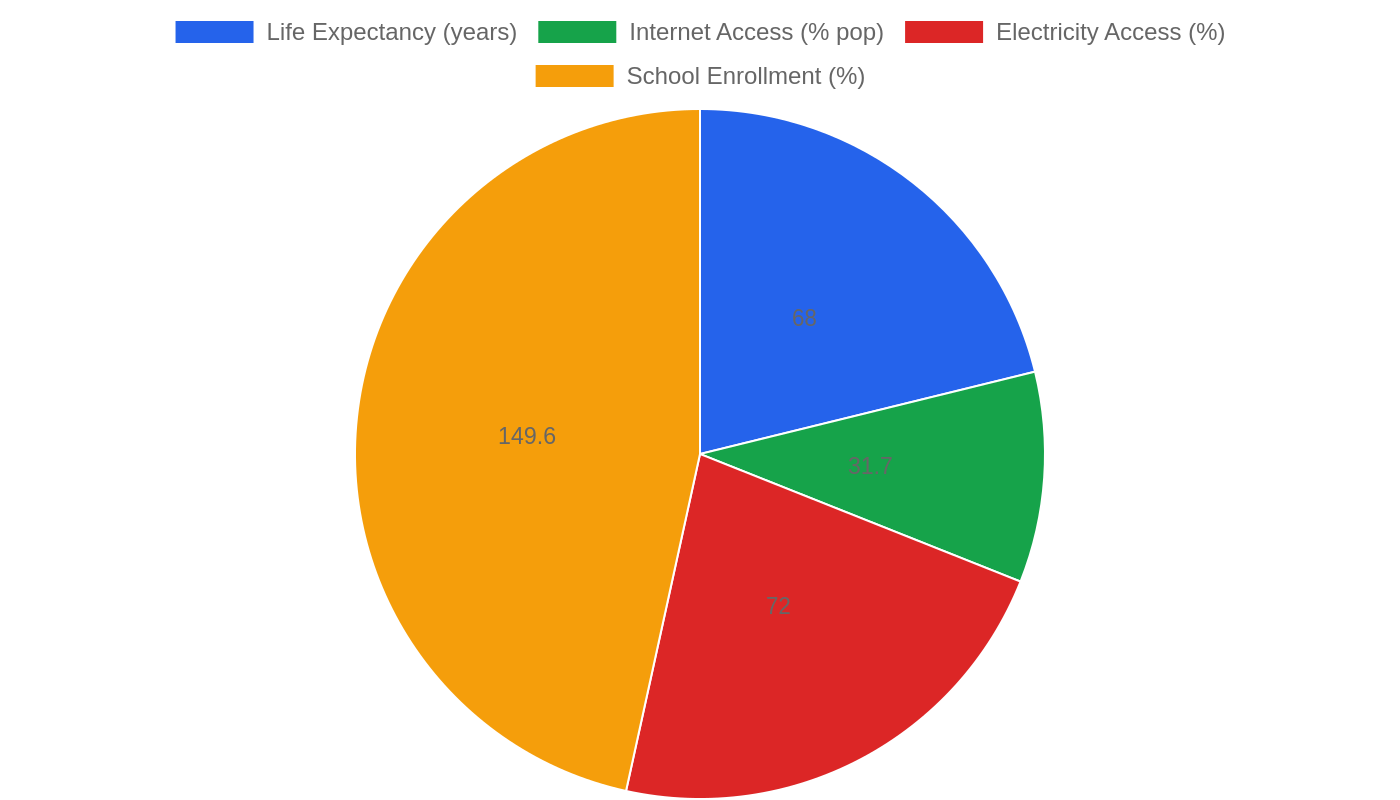
Economic Pulse Net | Sources: World Bank World Development Indicators, Government Sources | 2026
Key Takeaways
* Dominant Financial Sector: The corporate landscape is heavily skewed toward banking, with major institutions like Bank of Kigali and Equity Bank Rwanda leading the economic charge.
Authoritarian Stability: The country operates as a de facto one-party state under the Rwandan Patriotic Front (RPF), creating a stable but politically constrained environment.
Data Gaps Mask Reality: Critical macroeconomic indicators such as GDP growth, inflation, and unemployment figures are currently unavailable, complicating precise economic forecasting.
Safety vs. Liberty Trade-off: While specific crime indices are not quantified, the political landscape suggests that safety may come at the cost of civil liberties and open political discourse.
The Architecture of a One-Party Economy
Understanding Rwanda’s economic trajectory requires looking beyond traditional metrics, as key World Bank data points—including GDP growth, inflation rates, and unemployment percentages—are currently listed as N/A. This absence of hard statistical data presents a significant challenge for investors seeking to gauge the pulse of the economy through standard channels.
However, the structure of the economy reveals its priorities: it is an economy defined by service and finance rather than heavy industry or agriculture in the traditional sense. The dominance of the financial sector is evident in the roster of top companies, which includes Bank of Kigali, Equity Bank Rwanda Limited, Access Bank Rwanda, and Banque Populaire du Rwanda.
These institutions form the backbone of commercial activity, suggesting that credit access and financial services are central to business operations in the region. Without concrete GDP per capita or GNI per capita figures, we must infer economic health from the vitality of these corporate players. The presence of consumer-facing entities like Bralirwa Brewery and Bourbon Coffee indicates a domestic market that consumes both locally produced goods and specialized agricultural exports.
Therefore, while the headline numbers are missing, the operational reality shows a functioning, albeit opaque, economic engine driven by banking and consumer services.
Cost of Living and Urban Dynamics
Assessing the cost of living in Rwanda is complicated by the lack of specific CPI data, yet the presence of established multinational banks and global brands implies a certain level of urban development and associated expenses. In major hubs like Kigawa, daily expenses for expatriates and local professionals likely mirror regional averages for emerging markets with high governance standards.
Housing costs are generally higher in urban centers compared to rural areas, reflecting the demand for secure, modern accommodations near business districts. Rent versus buy decisions are often influenced by the stability of the legal system and the ease of property transactions, factors that are critical in a country where the rule of law is strictly enforced.
While we cannot cite exact inflation percentages, the availability of international banking services suggests that foreign currency exchange mechanisms are accessible, potentially shielding residents from some local volatility. Daily life involves navigating a structured environment where utilities, transportation, and food prices are regulated within a controlled economic framework.
For those relocating, the cost burden is less about hyperinflation and more about maintaining a lifestyle compatible with a rapidly modernizing, yet politically rigid, society.
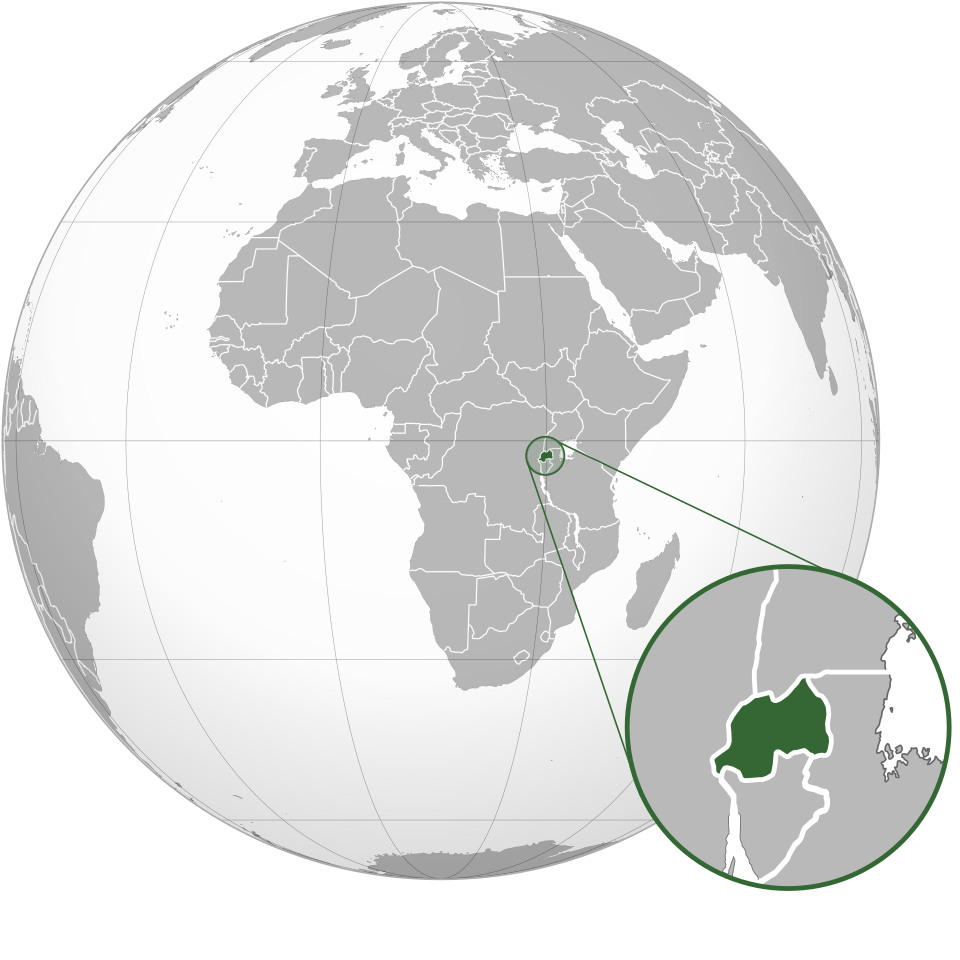
Investment Landscape and Corporate Power
The investment climate in Rwanda is characterized by a high concentration of power within the financial sector, making it essential for outsiders to understand who holds the keys to capital. Top companies such as AB Bank Rwanda, Compagnie Générale de Banque, and Bank of Africa Rwanda Limited dominate the corporate hierarchy, indicating that banking partnerships are often prerequisites for broader business engagement.
This oligopolistic tendency in the financial space means that new entrants must navigate relationships with a small number of powerful institutional players. Beyond finance, sectors like consumer goods and services offer opportunities, represented by giants such as Bralirwa Brewery and Bourbon Coffee, which cater to both local tastes and export markets. The business environment is efficient and orderly, a trait inherited from the strong central governance that prioritizes infrastructure and digital connectivity.
However, this efficiency comes with the caveat of political alignment; doing business successfully often requires navigating the nuances of a state-led development model. Investors should watch for policy shifts that favor digital innovation and tourism, as these are natural extensions of the current corporate strengths. The absence of diverse industrial giants suggests that growth will continue to be driven by services and light manufacturing rather than large-scale resource extraction.
Safety, Politics, and Quality of Life
Rwanda presents a complex picture regarding safety and political freedom, where physical security coexists with severe political restrictions. The political landscape is dominated by the Rwandan Patriotic Front (RPF), a Tutsi-dominated party led by Paul Kagame, which has ruled since the end of the civil war in 1994. Although nominally democratic, the country functions as a de facto one-party state, with elections manipulated through bans on opposition parties and the arrest or assassination of critics.
This political reality creates a unique quality of life: streets may be safe and orderly, but public dissent is virtually nonexistent. Crime indices are not currently available, but the strict enforcement of laws suggests low street crime, balanced against high risks for political activists and journalists. The RPF maintains support across various communities, yet the suppression of opposition creates a tense undercurrent in civic life.
Happiness and well-being are difficult to measure objectively in such an environment, as feedback mechanisms are tightly controlled. For residents and visitors alike, the trade-off is clear: one gains order and stability but loses the ability to freely critique the government or organize politically. This dynamic shapes every aspect of social interaction, from business negotiations to casual conversations.
Current Affairs and Governance Trends
The most pressing issue in Rwanda today is the consolidation of power under President Paul Kagame and the Rwandan Patriotic Front, which continues to shape all aspects of national life. Recent reports highlight the ongoing manipulation of electoral processes, including the banning of opposition parties and allegations of electoral fraud, which have drawn criticism from international observers.
The government’s approach to dissent remains harsh, with critics facing arrest or worse, creating a chilling effect on civil society and independent media. Despite these political constraints, the administration continues to push for economic modernization, leveraging the strength of its banking sector to attract foreign investment. The focus remains on maintaining stability above all else, with any potential unrest swiftly managed through state apparatuses.
This strategy has kept the country relatively isolated from the broader regional instability seen in neighboring nations, but it has also limited political pluralism. Businesses operating in Rwanda must remain acutely aware of the red lines imposed by the state, as crossing them can result in immediate legal consequences. The future of the country hinges on whether this model of authoritarian development can sustain long-term growth without triggering internal resistance.
The Bottom Line
Rwanda is a country of stark contrasts, offering a highly organized, financially robust environment for business while severely restricting political freedom and civil liberties. Investors should watch this market primarily if they operate in financial services or consumer goods, but they must do so with a keen understanding of the political risks involved.
The lack of transparent economic data makes due diligence challenging, requiring reliance on corporate performance and government announcements rather than independent statistics. Ultimately, Rwanda is best suited for cautious, compliant actors who prioritize stability over openness, recognizing that the price of entry is adherence to the ruling party’s strict guidelines.
Sources & Methodology
This article is authored by Economic Pulse Net for informational and research purposes. Economic Pulse Net sources its data from multilateral institutions, national statistics bureaus, and proprietary databases. All data is believed to be current as of the date of publication.
Published: October 25, 2026 | Category: Research — Rwanda
Use these signals in your own platform
Economic Pulse publishes its live signal feed through a documented, read-only API. Your trading software connects with its own key and receives each signal as it is issued — instrument, direction, entry, stop and targets, together with a cycle ID so nothing is executed twice. The feed is independent of this website and cannot change it.
Signals are informational only and are not financial advice.