Economic Pulse Net | Sources: World Bank World Development Indicators, Government Sources | 2026
Key Takeaways
– Nigeria’s economy is growing at a solid 4.01% in 2025, according to the World Bank, yet that headline number masks deep structural challenges facing ordinary households.
– Official unemployment stands at just 3.06%, a figure that reflects Nigeria’s vast informal economy where most citizens work outside formal wage structures.
– The country is undergoing a significant statistical overhaul, with the National Bureau of Statistics rebasing GDP and CPI calculations — a process that will reshape how we understand Africa’s most populous nation.
– Households are feeling acute pressure from soaring cooking gas prices, a cost-of-living squeeze that is hitting both families and small businesses.
– Nigeria’s federal political system, modelled on a presidential structure with 36 states, creates a complex governance environment where economic policy must navigate multiple layers of authority.
Growth on Paper, Pressure on the Ground
The World Bank’s latest data paints a picture of a Nigerian economy that is expanding at a respectable clip — 4.01% GDP growth in 2025 is nothing to scoff at, particularly in a global environment where many emerging markets are struggling to maintain momentum. But here’s what the headline number doesn’t tell you: growth without broad-based prosperity is a story Nigeria knows all too well.
The country’s unemployment rate of 3.06% is remarkably low by international standards, but this figure requires careful interpretation. In Nigeria, the vast majority of workers are engaged in the informal economy — market traders, artisans, transport operators, and small-scale farmers who don’t appear in traditional employment statistics.
The low official unemployment rate reflects not a thriving job market, but rather a reality where survival entrepreneurship is the norm and formal-sector jobs remain scarce.
What makes this moment particularly significant is the ongoing statistical transformation at the National Bureau of Statistics. The agency has been conducting sensitisation workshops with stakeholders on GDP and CPI rebasing — a technical process with profoundly political implications. When a country rebases its economic data, it often discovers that its economy is larger than previously thought, or that inflation is running hotter than official figures suggested.
This matters enormously for policy decisions, investment planning, and international comparisons.
The growth that does exist is concentrated in specific sectors. Financial services, manufacturing, and consumer goods companies dominate the corporate landscape, with major players like Access Bank and BUA Cement anchoring the formal economy. But the benefits of this growth are unevenly distributed, and the squeeze on household budgets tells a different story from the macro-level statistics.
The Household Squeeze: When Cooking Gas Becomes a Luxury
Walk through any Nigerian market today and you’ll hear the same complaint: everything costs more, and wages haven’t kept pace. The most visceral example of this pressure comes from the kitchen — literally. A special report by Premium Times, one of Nigeria’s leading investigative news outlets, has detailed how soaring cooking gas prices are squeezing households and businesses across the country.
Cooking gas is not a luxury in Nigeria; it is a daily necessity for millions of families who rely on it to prepare meals. When gas prices spike, the ripple effects are immediate and severe. Households must make impossible choices between cooking fuel, food, and other essentials. Small businesses — restaurants, food vendors, roadside eateries — face shrinking margins as their input costs rise faster than their customers’ ability to pay.
The cost-of-living crisis is not merely an economic statistic; it is a lived reality that shapes daily decision-making for millions. Families are eating less varied diets, businesses are reducing portions or closing early, and the informal safety nets that Nigerian society has traditionally relied upon are being stretched to their limits.
What makes this situation particularly challenging is that Nigeria’s inflation pressures are not purely domestic. Global energy prices, currency fluctuations, and supply chain disruptions all play a role. But the domestic policy response matters enormously, which is why the ongoing CPI rebasing exercise is so consequential. If the new inflation calculations reveal that price pressures are more severe than previously reported, it will demand a more aggressive policy response.
Corporate Powerhouses and the Business Landscape
Nigeria’s corporate sector is dominated by a mix of financial institutions, industrial conglomerates, and consumer-focused businesses that together form the backbone of the formal economy. Access Bank stands as one of Africa’s most significant financial institutions, with a reach that extends well beyond Nigeria’s borders. The banking sector has been a relative bright spot, driving financial inclusion and providing the credit infrastructure that businesses need to grow.
In the industrial sphere, BUA Cement and BUA Foods represent the manufacturing ambitions that policymakers hope will transform Nigeria from a commodity-dependent economy into a diversified industrial power. Cement production is a bellwether industry — when construction is booming, cement companies thrive, and their performance signals broader economic confidence.
The consumer services sector tells a more complex story. Airlines like Arik Air, Aero Contractors, and Chanchangi Airlines operate in a challenging environment where fuel costs, infrastructure deficits, and regulatory hurdles make profitability elusive. Yet their presence is essential — Nigeria’s size and population distribution make air travel a necessity for business and personal connectivity.
Perhaps most intriguingly, Nigeria’s cultural industries are represented by companies like Chocolate City Records and Cassava Republic Press. These firms demonstrate that Nigeria’s economic potential extends beyond oil and agriculture into creative sectors where the country’s global cultural influence — from music to literature — is increasingly recognised as a genuine economic asset.
Politics, Power, and the Federal Balancing Act
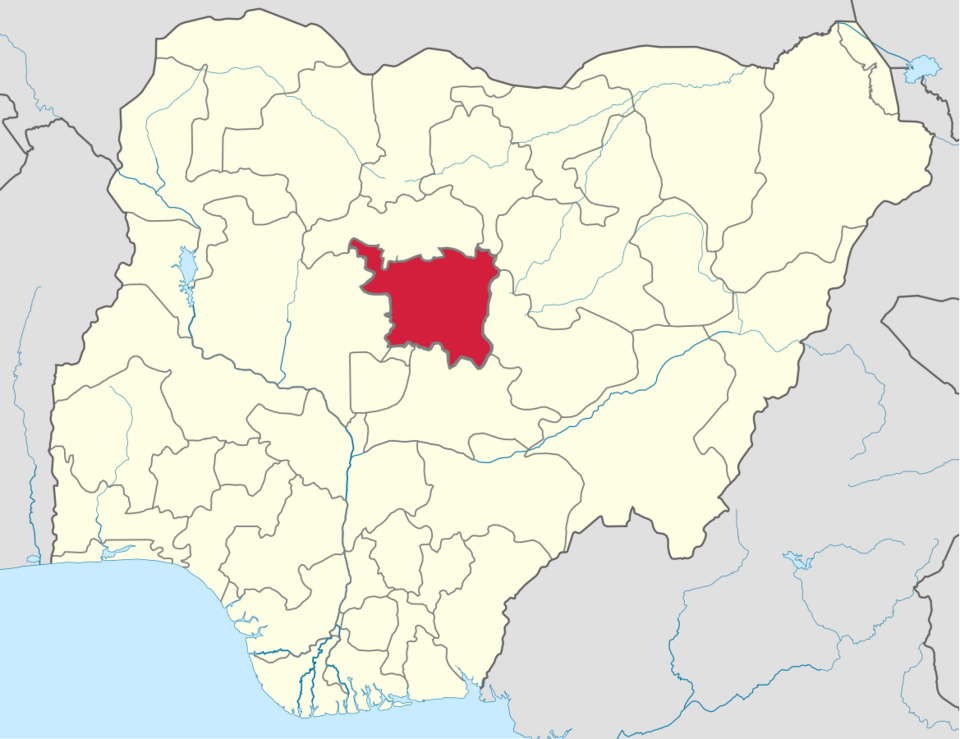
Nigeria’s political system is a federal republic with 36 states and the Federal Capital Territory of Abuja operating as an independent unit. The structure will be familiar to students of presidential systems: executive power resides with a president who serves as both head of state and head of government, elected by popular vote to a maximum of two four-year terms.
This federal arrangement creates a complex economic governance environment. The president’s power is checked by a Senate and House of Representatives, and state governors — also elected for four-year terms with a two-term limit — wield significant authority over their domains. For businesses and investors, this means navigating not just federal policy but a patchwork of state-level regulations, tax regimes, and infrastructure priorities.
The political landscape is further complicated by the economic pressures ordinary Nigerians are facing. When households are squeezed by rising costs, political leaders come under pressure to respond. The ongoing statistical reforms at the National Bureau of Statistics are not merely technical exercises; they are politically consequential, because they will shape how citizens and international observers assess the government’s economic performance.
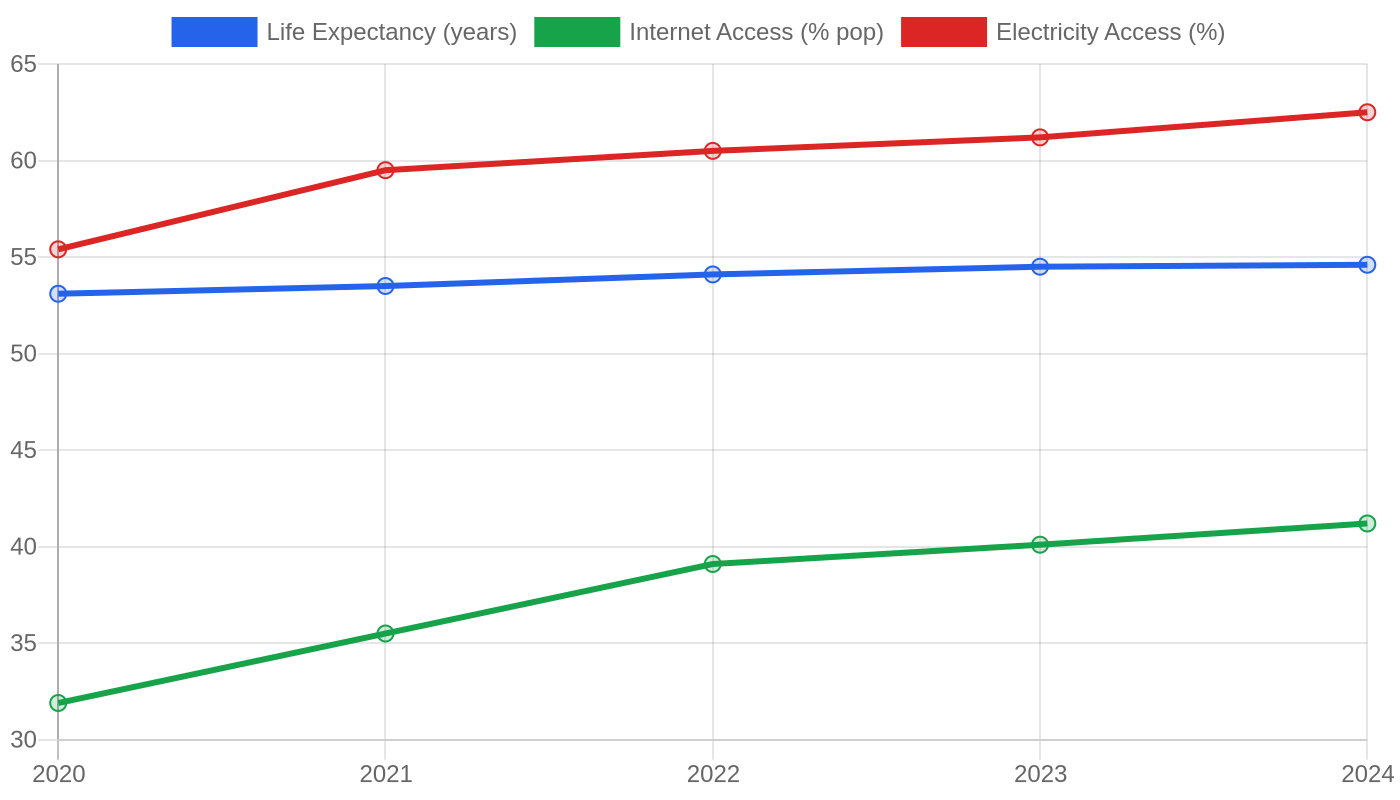
Quality of life in Nigeria is a tale of stark contrasts. The country’s major cities — Lagos, Abuja, Port Harcourt — offer the amenities of modern urban life, but they also contend with infrastructure deficits, traffic congestion, and security concerns. The vast majority of Nigerians live outside these urban centres, in communities where access to reliable electricity, clean water, and quality healthcare remains a daily struggle.
Statistical Revolution and Economic Reckoning
Right now, Nigeria is in the midst of a statistical transformation that will reshape how the country understands itself. The National Bureau of Statistics celebrated African Statistics Day 2024 with a clear message: data matters, and better data leads to better decisions.
The Statistician General of the Federation has been leading sensitisation workshops with stakeholders on the GDP and CPI rebasing exercise, preparing the ground for what promises to be a consequential recalibration of Nigeria’s economic metrics.
Why does this matter so much? Because the numbers we use to measure an economy are not neutral — they shape policy, influence investment decisions, and determine how international institutions assess a country’s progress. When Nigeria rebases its GDP, the economy might appear larger than previously thought, which could change its classification among developing nations. When it rebases its CPI, the inflation picture could shift, with implications for monetary policy and household expectations.
The timing is particularly significant given the cost-of-living pressures documented by Premium Times. The special report on soaring cooking gas prices is not an isolated story; it is a window into the broader economic strain affecting Nigerian households and businesses. As the new data emerges from the rebasing exercise, it will either confirm or challenge the lived experiences of ordinary Nigerians.
Meanwhile, the strategic conversation about Africa’s economic future continues to evolve. A commentary piece by Ehi Braimah in Premium Times makes the case for global business summits focused on Africa, arguing that the continent’s economic potential deserves more serious international engagement. For Nigeria specifically, this translates into questions about foreign investment, trade partnerships, and the country’s role in African and global supply chains.
The Bottom Line
Nigeria in 2026 is a country of enormous potential and persistent challenges, and the current moment is one of genuine consequence. The 4% growth rate suggests an economy with underlying dynamism, but the household squeeze from rising costs demands attention from policymakers. For investors, the rebasing of economic data and the ongoing policy reforms will provide crucial signals about where the country is headed.
For observers of African development, Nigeria remains the continent’s most important test case — a nation whose success or struggle will shape the broader narrative of African economic progress for years to come.
Sources & Methodology
This article is authored by Economic Pulse Net for informational and research purposes. Economic Pulse Net sources its data from multilateral institutions, national statistics bureaus, and proprietary databases. All data is believed to be current as of the date of publication.
Published: August 01, 2026 | Category: Research — Nigeria
Use these signals in your own platform
Economic Pulse publishes its live signal feed through a documented, read-only API. Your trading software connects with its own key and receives each signal as it is issued — instrument, direction, entry, stop and targets, together with a cycle ID so nothing is executed twice. The feed is independent of this website and cannot change it.
Signals are informational only and are not financial advice.